Kalawa Dairy Farmers in Makueni Receive KSh 850,000 Drought Mitigation Grant
Kalawa Dairy Farmers Cooperative Society Ltd received a significant financial boost on Monday that will help members navigate the ongoing dry season and protect their livelihoods.

The cooperative was awarded KSh 850,000 under the Drought Mitigation Enterprise Development Grant (EDG) component of the National Agricultural Value Chain Development Project (NAVCDP). The funds arrive at a critical moment when farmers across the region face mounting pressure from failed rains and diminishing pasture.
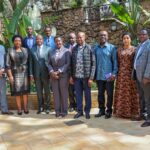
Livestock Chief Officer Japheth Kiminza officially handed over the grant to cooperative officials in a ceremony attended by dairy farmers, local leaders, and NAVCDP representatives. The event marked another step in the government’s efforts to cushion livestock keepers from the effects of climate variability.
Why This Grant Matters for Kalawa Dairy Farmers
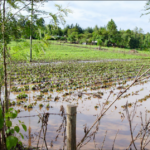
The October–November–December (OND) rains failed across many parts of Makueni County and the larger Eastern region. For dairy farmers, failed rains translate directly into reduced pasture, lower water availability, and skyrocketing feed prices.
Milk production typically drops during dry spells as cows receive less nutrition. Some farmers sell off part of their herds when they cannot afford to feed all animals. Others watch their milk incomes shrink just when they need money most for school fees and household expenses.
The KSh 850,000 grant targets this exact problem. It gives the cooperative resources to procure high-quality animal feeds in bulk before shortages become severe. By acting early, farmers hope to maintain milk production through the toughest months.
Kiminza emphasized the timing of the intervention during his address.
“These funds come at the right moment,” he said. “We saw the OND rains fail. We know what that means for livestock keepers. The grant will help you secure feed now, before prices climb higher and before your animals start losing condition.”
What the Grant Will Fund
The Drought Mitigation Enterprise Development Grant comes with specific guidelines on usage. Beneficiaries cannot spend the money on anything outside the approved purpose.
According to Kiminza, the KSh 850,000 will go toward:
Procurement of high-quality animal feeds. The cooperative will purchase hay, silage, dairy meal, and other supplements to distribute among members. Bulk buying allows them to access better prices than individual farmers could negotiate alone.
Strategic feed reserves. Part of the funds may establish a small reserve that the cooperative can draw from if the dry spell extends longer than expected. This buffer protects farmers against price spikes later in the season.
Transport and distribution costs. Getting feed from suppliers to farmers requires logistics. The grant covers reasonable expenses associated with moving and storing the feeds.
Kiminza stressed that every shilling must be accounted for properly.
“You have a responsibility to your members and to the project,” he told cooperative leaders. “Follow the guidelines strictly. Document everything. This is not free money. It is an investment in your cooperative’s resilience.”

Background: NAVCDP and the Enterprise Development Grant
The National Agricultural Value Chain Development Project operates across many Kenyan counties with support from the national government and development partners. Its goal is to improve livelihoods by strengthening agricultural value chains from production through to market.
Makueni County participates actively in NAVCDP, with dairy identified as a priority value chain. The region has significant dairy potential, but farmers face chronic challenges including water scarcity, feed shortages, and limited access to extension services.
The Enterprise Development Grant component provides matching funds to farmer cooperatives and groups. Farmers contribute part of the project cost, while the grant covers the remainder. This model ensures ownership and commitment from beneficiaries.
For drought mitigation specifically, NAVCDP released funds to help cooperatives prepare for and respond to dry conditions. Kalawa Dairy Farmers successfully applied and met all requirements to receive the KSh 850,000 allocation.
Expected Impact on Milk Production
When dairy cows receive adequate nutrition even during dry spells, several positive outcomes follow.
Milk production holds steady instead of dropping. A cow that would normally produce 10 liters per day on good pasture might drop to 5 liters on poor grazing. With supplementary feeding, she maintains closer to her potential.
Cows maintain body condition and reproductive health. Well-fed cows cycle back into heat faster after calving. They conceive more easily and produce calves that survive and thrive.
Farmers keep their herds intact. The worst outcome of prolonged drought is forced sales at depressed prices. Farmers who cannot feed their cows sell them to butchers or livestock traders for whatever they can get. This grant helps prevent that scenario.
Household incomes remain stable. Milk sales provide daily cash for many rural families. When production drops, school fees go unpaid, food purchases shrink, and household stress rises. Maintaining production protects family well-being.
Kiminza spelled out these benefits clearly during his remarks.
“We want your cows milking through this dry spell,” he said. “We want you selling milk every day. We want your children in school and your families eating well. That is what this grant is really about.”
Accountability Measures and Farmer Responsibilities
Receiving government funds comes with strings attached. Kiminza made this clear to the cooperative members gathered for the handover.
The cooperative must maintain proper records of all expenditures. Receipts, delivery notes, and distribution records must be kept and made available for inspection. NAVCDP officials will conduct follow-up visits to verify proper use.
Farmers who benefit from the feed must use it as intended. The feed is for maintaining dairy cattle during the dry spell, not for resale or other purposes. Cooperative leaders will monitor distribution and usage.
Timely reporting is essential. The cooperative must submit progress reports showing how the funds were used and what results were achieved. This information helps NAVCDP refine future interventions and demonstrate impact to partners.
Kiminza reminded farmers that their performance determines whether similar support continues.
“If you use this money well, if you show results, you open doors for more help down the road,” he said. “If you mismanage it, you close those doors for yourself and for other farmers who might benefit later.”
Kalawa Dairy Farmers: A Cooperative on the Move
Kalawa Dairy Farmers Cooperative Society Ltd has grown steadily since its formation. Members pool their milk, access better markets, and support each other through challenges like the current dry spell.
The cooperative collects milk from members, tests for quality, and bulks for sale to processors and other buyers. By aggregating production, members get better prices than they could negotiating individually.
Leadership has focused on building infrastructure and systems that serve members effectively. The KSh 850,000 grant represents recognition of their progress and potential.
Farmers who spoke after the ceremony expressed gratitude and determination.
“We have been through dry spells before,” said one long-serving member. “This time we have help. This time we will keep our cows producing.”
Another farmer noted that the grant arrives just as pasture is running low.
“We were starting to worry about where the next feed would come from,” she said. “This gives us hope. We can keep our cows through this.”
Looking Ahead: Beyond the Current Dry Spell
While the immediate focus is on surviving the current dry conditions, the grant also supports longer-term resilience. Farmers who maintain their herds through this challenge emerge stronger for the next one.
The cooperative plans to use this experience to strengthen its capacity for collective action. Bulk feed procurement could become a regular service even outside drought periods. Better feeding practices learned now may carry forward into normal seasons.
NAVCDP continues working with cooperatives like Kalawa to build sustainable dairy systems. The project offers training, technical support, and linkages to markets and service providers.
Kiminza encouraged farmers to look beyond the immediate crisis.
“Yes, this grant helps you today,” he said. “But think about tomorrow too. Think about how you manage your farms, your herds, your cooperative. Build systems that last. That is the real goal.”
How Other Cooperatives Can Access Similar Support
Kalawa Dairy Farmers succeeded in their grant application because they met the requirements and demonstrated need and capacity. Other cooperatives seeking similar support should note the process.
NAVCDP operates through county structures. Cooperatives should engage with their county NAVCDP coordinators to understand available opportunities. Applications typically require demonstrating group capacity, clear proposals for fund use, and willingness to meet matching requirements.
Matching contributions are a key feature of the Enterprise Development Grant model. Beneficiaries must contribute part of the project cost, either in cash or in kind. This ensures commitment and stretches limited grant funds further.
Documentation matters. Successful applicants maintain proper records, hold regular meetings, and can demonstrate transparent management. Cooperatives with weak governance structures rarely succeed in grant competitions.
Farmers interested in learning more should visit their county agricultural offices or NAVCDP county coordination units. Staff there can explain current opportunities and guide groups through application processes.
Final Word from the Chief Officer
As the ceremony concluded, Kiminza left farmers with a final charge.
“This money is yours now,” he said. “Use it wisely. Think of your cows, your families, your future. When the rains come again, we want to find you stronger than before.”
The farmers of Kalawa Dairy Cooperative walked away with KSh 850,000 in their account and a clear mission. Survive the dry spell. Protect their herds. Keep milk flowing.
For a community that depends on dairy, that mission means everything.
https://farmerstrend.co.ke/farming-news/kalawa-dairy-farmers-in-makueni-ksh-850000-drought-mitigation-grant/https://farmerstrend.co.ke/wp-content/uploads/2026/03/Kalawa-Dairy-Farmers.jpghttps://farmerstrend.co.ke/wp-content/uploads/2026/03/Kalawa-Dairy-Farmers-150x150.jpgFarming NewsKalawa Dairy Farmers Cooperative Society Ltd received a significant financial boost on Monday that will help members navigate the ongoing dry season and protect their livelihoods.The cooperative was awarded KSh 850,000 under the Drought Mitigation Enterprise Development Grant (EDG) component of the National Agricultural Value Chain Development Project (NAVCDP)....FarmersTrendjohn doefarmerstrend@gmail.comAdministratorFarmers Trend Ltd.








Leave a Reply