Moringa Farming in Turkana Kenya Helps Pastoralists Rebuild Herds and Survive Climate Shocks
Amid worsening climate shocks, Arid and Semi-Arid Lands (Asal) counties, which are predominantly inhabited by pastoralist communities, are exploring climate-resilient agriculture and innovations to withstand harsh conditions.
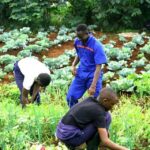
For years, Simon Muya, a pastoralist in Turkana County, relied on livestock keeping and growing crops such as bananas, pumpkins, peppers and vegetables. But recurring droughts, shrinking pasture and crop failure made survival difficult.
The 2022 drought dealt him a heavy blow, wiping out about 120 goats.
“We were introduced to moringa, which has since helped me rebuild my life. I bought animals again and fed them with moringa. It worked,” says Muya.
He is among 73,000 people across nine Asal counties benefiting from the seven-year climate resilience initiative, the Imara Programme, funded by the Government of Sweden at a cost of Sh3.22 billion. Today, Mr Muya is one of the faces of a growing shift in northern Kenya, where communities are embracing resilient enterprises such as moringa farming, beekeeping and value addition.
He says the project, introduced through World Vision Kenya under a local farmers’ group, started gradually on a quarter-acre plot.
Members first planted seeds individually before later forming a group to farm collectively and market their produce together. Membership has since grown from 15 to 64.
“We now have about 500 trees. At first, many people doubted us because moringa was not common here, but now almost every family wants to plant it,” he says.
The group has expanded production from a quarter-acre to 17 acres. Some trees are managed for leaves, which are harvested and dried for powder, while others are grown for seeds.
Mr Muya says moringa has become highly valued because it survives dry conditions and offers multiple benefits. Families use it as food, while livestock feed on crushed leaves mixed with grass residue or dried banana leaves.
“It increases milk production and improves animal health. Even weak animals recover quickly,” he says.
Through the revived enterprise, Muya has rebuilt his herd and now owns 270 goats, 150 sheep, 17 cows and 22 camels.
He adds that youth once associated with cattle rustling are now joining the project and turning to business.
“Many of the youth who joined had previously engaged in cattle rustling. Now they are reformed warriors. They are doing table banking, taking loans, selling goats and farming,” he says.
The farmers are also integrating beekeeping because moringa trees flower abundantly and attract bees. Honey harvested from moringa flowers fetches premium prices compared to ordinary honey.
Initially, the Turkana community consumed moringa traditionally by grinding the leaves with stones or iron tools and mixing the powder into tea. Through training, they now process and package moringa products for wider markets.
“We started selling moringa powder at Sh2,000 per kilo, then reduced it to Sh1,600 to attract more customers. Smaller packs go for Sh800,” says Muya.
In a month, the group can process about 50 kilograms, though production rises sharply when demand increases.
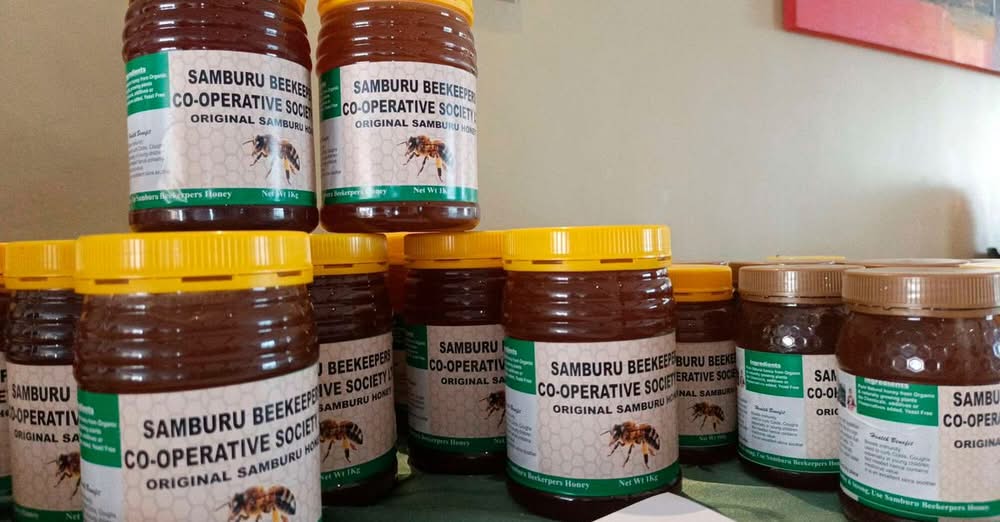
Hundreds of kilometres away in Samburu County, another quiet transformation is taking place through beekeeping.
Silverna Lenturkan, 27, a mother of four and a member of Oporos Beekeepers, says she previously relied on livestock rearing, like many women in pastoral communities.
But climate shocks, including drought and loss of pasture, made dependence on goats, sheep and cattle increasingly risky.
Modern beehives
In 2018, through the Imara Programme, local beekeepers were supported with modern hives, honey processing machines and training.
“I was trained in modern beekeeping,” says Lenturkan. She now owns eight beehives that generate regular income for her household. Through the venture, she is able to meet family needs and contribute to household welfare.
“We have seen a shift from rearing goats, sheep and cows, and are now embracing beekeeping,” she says.
Oporos Beekeepers was established in 2014 with 16 members and has since grown to 22.
Lenturkan says one of the biggest gains has been the empowerment of women, many of whom previously had limited ownership of productive enterprises.
“Through capacity-building training, women can now own farming activities,” she says.
The Imara Programme operated across Baringo, Elgeyo Marakwet, Isiolo, Laikipia, Marsabit, Narok, Samburu, Turkana and West Pokot counties.
According to the programme’s data, the share of households reporting increased income rose from 29 per cent at baseline to 93.1 per cent by the close of the project in April 2026.
The programme also established 428 community savings groups with a combined portfolio of Sh11.39 million, enabling households to invest in food security, education and small businesses without resorting to distress livestock sales.
The programme has restored more than 23,000 hectares of degraded land and helped 1.24 million trees survive.
By Sammy Waweru





Leave a Reply