Russian Wheat Exports to Kenya Hit Five Year High as Demand for Grain Surges Across Africa
Kenya is buying more wheat from Russia than ever before. This trend underscores Moscow’s growing influence over Africa’s food supply chains. Many African countries are currently grappling with inflation, food security concerns, and rising import bills. Russian grain is becoming an increasingly important part of the solution.
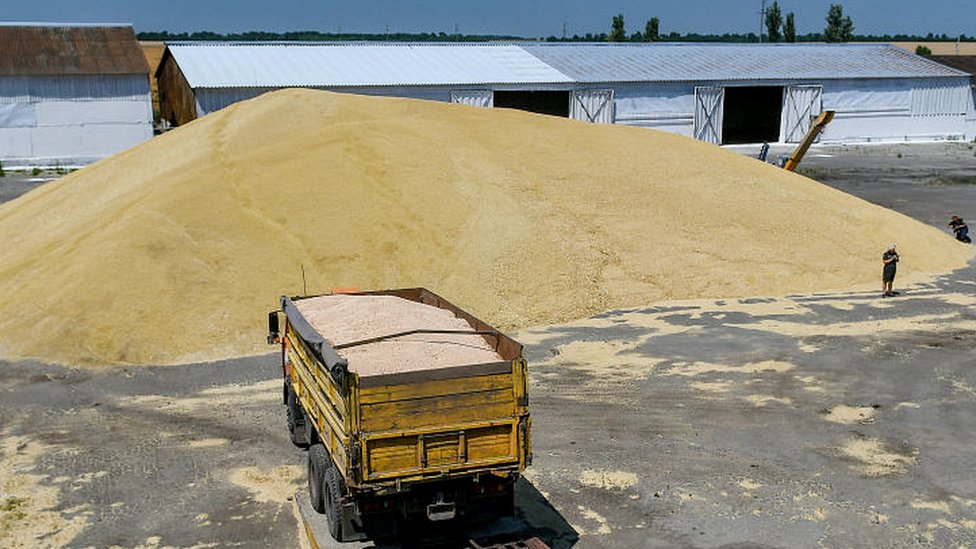
Russian wheat exports to Kenya rose by 10 per cent year-on-year during the first five months of the 2025 to 2026 agricultural season. The volume reached approximately 1.4 million tonnes by late May. This figure comes from Russia’s agricultural export agency, Agroexport.
The 1.4 million tonnes has already surpassed the 1.3 million tonnes shipped during the entire previous season. The current total is second only to the record 1.7 million tonnes exported to Kenya in the 2023 to 2024 season. This is the highest level in five years.
The increase highlights Kenya’s growing reliance on Russian grain. Kenya needs to meet domestic demand for wheat, which is a key ingredient in bread, pasta, and other staple foods. Without enough wheat, bakeries cannot operate. Prices of bread rise. Families struggle to afford basic meals.
Agroexport said Kenya now accounts for about 7 per cent of Russia’s grain exports to Africa. This makes Kenya one of Moscow’s most important agricultural markets on the continent. The trade relationship has deepened significantly in recent years.
The development comes amid a broader expansion of Russia’s agricultural trade across Africa. According to Agroexport adviser Alexander Yakuba, the value of Russia’s exports of finished agricultural products to African countries has more than doubled over the past five years. This is not just about raw grain. Russia is now selling processed foods and other value-added products.
Russian agricultural exports to Africa exceeded $7 billion in 2024. This represents a 19 per cent increase from the previous year. Wheat and other grains remain the foundation of the trade relationship. But other products are growing rapidly.
Exports of higher-value products such as animal feed, yeast, soft drinks, tea and coffee concentrates, and molasses have also grown significantly. Russia is diversifying its agricultural export basket. It is moving beyond raw commodities into processed goods.
Moscow expects the trend to continue. Agroexport projects Russia’s agricultural exports to Africa could exceed $7.5 billion by 2030. This growth will be driven by demand for grain, vegetable oils, livestock products, processed foods, and fish. The Russian government is actively supporting these exports through trade missions and financing.
The Russian wheat exports to Kenya are part of a larger pattern across the continent. Russian wheat exports to Egypt have climbed 19 per cent this year. Egypt is one of the world’s largest wheat importers. Securing a larger share of that market is a major win for Moscow.
Shipments to Sudan have surged 78 per cent. Sudan is facing its own food security challenges. Conflict has disrupted farming. Imports are critical. Russian wheat is filling the gap.
In Central Africa, exports to Cameroon reached 137,000 tonnes worth $32 million in 2025. This is more than triple the volume recorded a year earlier. Small volumes by global standards, but the growth rate is impressive.
Analysts at Russian railway operator Rusagrotrans said countries across the Middle East and North Africa remain the largest buyers of Russian wheat. This is partly because Russia enjoys logistical advantages in serving those markets. Ports on the Black Sea are closer to these regions than ports in the Americas or Europe. Shipping costs are lower. Transit times are shorter.
The Russian wheat exports to Kenya also reflect changes in global grain markets. The war in Ukraine disrupted traditional supply chains. Ukraine was a major wheat supplier to many African countries. When those supplies were interrupted, buyers looked for alternatives. Russia stepped in.
Sanctions on Russia have not stopped its agricultural exports. Food is not subject to most sanctions. Banks in some countries are still processing payments for Russian grain. Shipping companies are still carrying it. Insurance is still available. The trade continues.
The Russian wheat exports to Kenya have implications beyond the dinner table. As Russia becomes more important as a food supplier, it gains political influence. African countries that depend on Russian grain may be less likely to criticise Moscow’s foreign policy. They may be more willing to support Russian positions at the United Nations.
For Kenya, the trade is purely pragmatic. The country needs wheat. Russia has wheat. The price is competitive. The supply is reliable. The transaction makes sense.
But the growing dependence on Russian grain also carries risks. If relations between Russia and the West deteriorate further, payment systems could be disrupted. Shipping could become more complicated. Insurance could become unavailable. Kenya could find itself scrambling for alternative supplies.
The Russian wheat exports to Kenya are a sign of the times. Global trade is being reshaped by geopolitics. New alliances are forming. Old supply chains are breaking. African countries are caught in the middle. They must navigate between competing powers while ensuring their people are fed.
The 1.4 million tonnes of Russian wheat exported to Kenya so far this season is a lot of grain. It will be milled into flour, baked into bread, and eaten by millions of Kenyans. The transaction will be forgotten. The bread will be consumed. The wheat will be gone.
But the trade relationship that produced those 1.4 million tonnes is likely to last. Russia has made Africa a priority. Africa needs grain. The Russian wheat exports to Kenya are a marriage of convenience that shows no sign of ending. Both sides are getting what they want. For now, that is enough. The future will tell whether this partnership is built to last or just a product of circumstance.
https://farmerstrend.co.ke/farming-news/russian-wheat-exports-to-kenya/https://farmerstrend.co.ke/wp-content/uploads/2026/06/Russian-Wheat-Exports-to-Kenya.jpghttps://farmerstrend.co.ke/wp-content/uploads/2026/06/Russian-Wheat-Exports-to-Kenya-150x150.jpgFarming NewsKenya is buying more wheat from Russia than ever before. This trend underscores Moscow's growing influence over Africa's food supply chains. Many African countries are currently grappling with inflation, food security concerns, and rising import bills. Russian grain is becoming an increasingly important part of the solution.Russian wheat exports...FarmersTrendjohn doe[email protected]AdministratorFarmers Trend Ltd.













Leave a Reply