Dairy Farming in Kenya 2026: The Ultimate Guide to Profitable Dairy Farming
Dairy farming is a backbone of Kenya’s agricultural sector, providing income for millions and ensuring a steady supply of milk across the country. As one of the most consistently searched topics on Google, it is clear that many entrepreneurs and smallholder farmers are eager to enter this profitable field.
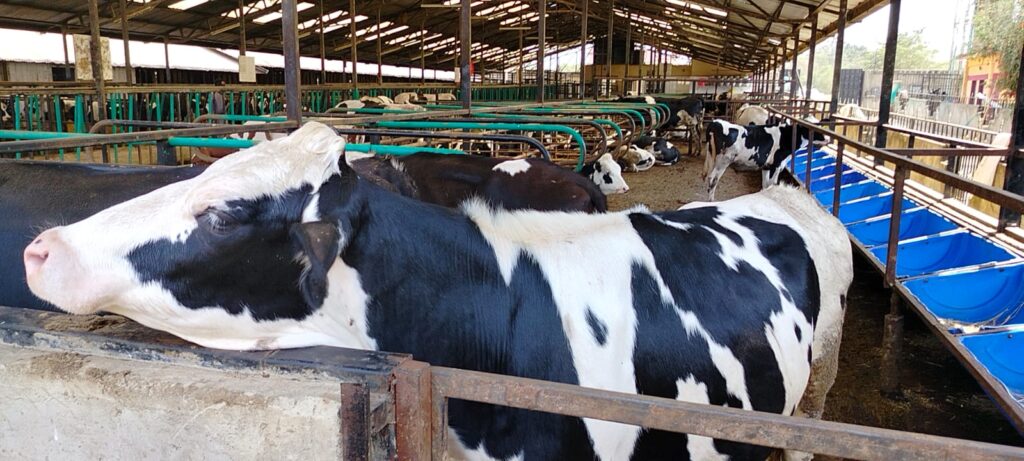
To succeed in this venture, you need clear facts on costs, the best animals, and the biggest challenges. This detailed guide covers every key query about dairy farming in Kenya, using simple language to give you a clear roadmap to profitability.
Section 1: The Initial Investment—How Much Does It Cost to Start a Dairy Farm in Kenya?
The cost of starting a dairy farm in Kenya is not fixed; it depends heavily on whether you choose a small-scale zero-grazing system (keeping cows confined) or a large-scale open-grazing system. However, for a viable and profitable small-to-medium enterprise (SME) farm of 10 high-quality dairy cows (heifers), the initial capital investment can range significantly, typically between Ksh 2 Million and Ksh 5 Million.
Here is a simple breakdown of the major startup costs:
1. The Dairy Cows (The Core Investment)
The quality of your livestock determines your success. You must buy pregnant heifers (young females expecting their first calf) of superior genetics.
Price Range: A good quality, high-producing pregnant Friesian or Ayrshire heifer can cost anywhere from Ksh 150,000 to over Ksh 350,000 each, depending on the breed, pedigree, and expected milk yield of its mother.
Recommendation: Investing in top-tier Friesian or Ayrshire crosses is generally advised for high-yield zero-grazing systems.
2. Infrastructure Costs (Housing and Water)
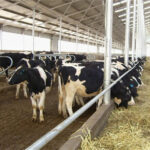
The zero-grazing unit is crucial for managing cows efficiently, controlling disease, and maximizing production.
Cow Shed (Housing): A well-ventilated, weather-proof shed for 10 cows, including resting stalls, feeding troughs, and a walking alley, can cost between Ksh 300,000 and Ksh 1,000,000, depending on materials (wood vs. concrete/metal).
Water System: A reliable water system (tanks, piping, and troughs) is vital, as a lactating cow can drink up to 150 liters of clean water daily. Budget around Ksh 100,000 to Ksh 300,000 for installation.
3. Essential Equipment Investment
You need tools to maintain hygiene and efficiency.
Milking Equipment: For a small farm, simple hand milking is possible, but a single electric milking machine starts at about Ksh 50,000 to Ksh 150,000.
Milk Storage: You need clean, durable milk cans or, ideally, a milk cooler for larger volumes, which can be a significant investment (Ksh 100,000+).
Feed Preparation: Equipment for chopping fodder (like a chaff cutter) is essential and costs around Ksh 80,000 to Ksh 150,000.
4. Permits and Licensing in Kenya
Yes, you need to comply with regulations. While a local farmer may not need an immediate license just to keep one or two cows, selling milk commercially requires adherence to specific standards.
Kenya Dairy Board (KDB) Registration: If you plan to sell milk to processors or large cooperatives, you must register. The KDB oversees quality and standards.
County Government Permits: You may need various local government permits related to livestock movement, sanitation, and business operations, depending on your county.
Section 2: Calculating Profitability—How Much Does It Cost to Produce 1 Litre of Milk?
Understanding the cost of producing one litre of milk is the most critical factor for setting a profitable price. This cost is driven mainly by feed and labor.
The Average Cost of Production
Recent estimates by the Kenya Dairy Board indicate that the average total cost of producing one litre of milk for a zero-grazing farmer is approximately Ksh 23.30. This cost includes feed, veterinary care, and labor.
Farm-Gate Price vs. Profit: While the cost to produce is around Ksh 23.30, farmers often sell their milk to processors (the farm-gate price) for about Ksh 45 to Ksh 50 per litre (as of early 2024).
Unit Profit: This means a well-managed farm can potentially earn a profit of Ksh 15 to Ksh 25 per litre of milk produced, especially when accounting for other revenues like calf and manure sales.
Is Dairy Farming Profitable in Kenya?
Yes, dairy farming is highly profitable if managed correctly. Profitability hinges on three things:
High Milk Yield: Using superior breeds and genetics.
Effective Feed Management: Growing your own fodder (silage/hay) significantly cuts the largest operating expense.
Market Access: Selling through reliable cooperatives or directly to consumers/institutions at competitive prices.
The Tangential Question: Is 500 Chickens Profitable?
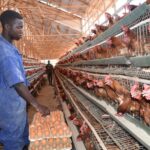
While the dairy post should focus on cows, the query about 500 chickens often appears as farmers look for diversification. Yes, poultry (like layers) is profitable, but it is a separate enterprise with its own challenges. Many successful dairy farmers use a small poultry unit or vegetable patch as an alternative revenue stream to cushion themselves against the volatile milk market, or to utilize farm by-products like manure.
Section 3: Understanding the Dairy Cow and Milk Production
How Many Litres of Milk Does a Cow Produce a Day in Kenya?
This answer depends entirely on the breed and management system.
Average Smallholder Cow: 5 to 10 litres per day.
Good Quality Dairy Cow (Friesian/Ayrshire): 18 to 30 litres per day.
The Myth of 100 Litres: The search query mentions a “100 litres of milk per day” cow. This figure is unrealistic for any cow in a commercial setting, especially in Kenya. While extremely rare, world-record-holding cows in specialized, highly advanced global farms might touch 80–90 litres at their peak, a realistic goal for a top-tier Friesian in Kenya is 40 to 60 litres per day during its peak lactation period. Setting a target of 25–30 litres is sensible for a profitable farm.
Which Cow is Better: Friesian vs. Sahiwal vs. Jersey?
The best breed for a small farm depends on your location and goal:
| Breed | Milk Yield (Litres/Day) | Key Feature | Best For |
| Friesian (Holstein) | High (25–60L+) | High volume, but needs premium feed and cool climate. | High-altitude, zero-grazing farms. |
| Ayrshire | Medium-High (15–30L) | Hardier than Friesians, adapts well to different climates. | Farmers seeking a good balance of yield and resilience. |
| Jersey | Medium (12–25L) | Lower volume but very high butterfat content (rich milk). Very heat tolerant. | Warm climates or those producing products like yogurt and cheese. |
| Sahiwal | Low (3–10L) | Indigenous breed, highly resistant to disease and drought. | Arid/semi-arid areas or cross-breeding programs. |
For most successful Kenyan zero-grazing operations, the Friesian or Friesian-Ayrshire crosses are the preferred choice due to their potential for high milk volume.
The Cow’s Reproductive Cycle and Lifespan
How often are cows impregnated? To maintain continuous milk production, a cow is ideally impregnated (served) about 2 to 3 months after giving birth. The goal is to have one calf every 12 to 13 months.
How many times does a cow give birth? A healthy cow can give birth 5 to 8 times in its productive lifespan.
How many years does a dairy cow produce milk? A cow can be milked for about 6 to 8 years of its life (corresponding to 6 to 8 lactations). They typically live for 10–12 years or more.
Milk Production without Pregnancy: A cow produces milk only after giving birth (parturition). It needs to be pregnant and deliver a calf to start the lactation cycle.
What is a group of 12 cows called? A group of cows is generally called a herd or a dairy herd.
Section 4: Choosing Location and Overcoming Challenges
Which County is Best for Dairy Farming?
The best counties are those with cool climates, reliable rainfall, and proximity to major markets and processing plants. These conditions are found primarily in the Central Highlands and Rift Valley.
Top 5 High-Potential Areas of Practice (Counties):
Kiambu: Excellent market access (proximity to Nairobi), strong cooperative societies (e.g., Githunguri), but land is expensive.
Uasin Gishu: Cool climate, vast land, and a strong agricultural tradition.
Nakuru: Diverse climate zones allowing for both intensive and semi-intensive systems, with good processing infrastructure.
Nyandarua: Cold climate, ideal for Friesians, and strong historical dairy performance.
Nyeri/Murang’a: Favorable climate and long-standing cooperative structures.
Main Problems Facing Dairy Farming in Kenya
Despite the profits, the sector is challenging. The most common problems are:
High Cost and Insecurity of Feed: Feed (concentrates, hay, silage) is the largest expense. Droughts and erratic rainfall lead to fodder shortages, raising costs and lowering milk yields.
Animal Health Issues: Diseases like Mastitis (udder infection), Foot-and-Mouth Disease (FMD), and tick-borne diseases (East Coast Fever) constantly threaten herd health and milk quality.
Market and Price Fluctuation: Unpredictable farm-gate prices and delayed payments from some processors create financial instability.
Poor Infrastructure: Bad rural roads make transporting milk difficult and expensive, especially from remote areas to cooling centers.
How to Succeed: The Best Feed and Management
Success comes down to minimizing costs while maximizing yield and quality.
Best Feed: The best feed is a balanced diet of Total Mixed Ration (TMR), consisting of three components:
Roughages: Grass, hay, and silage (fermented fodder, the best way to store feed year-round).
Concentrates: High-protein sources (dairy meal, cotton seed cake) to boost milk production.
Minerals/Supplements: Essential for health, fertility, and high yield.
How Much to Feed: A cow producing 25 litres a day will require significantly more concentrate than one producing 10 litres. A general rule is to feed high-quality roughage (e.g., Boma Rhodes grass or maize silage) freely, then supplement with 1kg of dairy meal for every 2–3 litres of milk produced, alongside essential minerals.
Dairy Farmer Pay (The Take-Home)
What a farmer gets paid is the farm-gate price (Ksh 45–50 per litre) multiplied by their total monthly production, minus the monthly operating expenses (feed, labor, vet).
If a 10-cow farm produces an average of 25 litres per cow (250 litres total per day), the monthly gross income is:
250 litres/day * 30 days * Ksh 50/litre = Ksh 375,000.
After deducting operating costs (estimated at Ksh 150,000–Ksh 190,000 per month for a farm this size), the net monthly profit can be over Ksh 185,000, confirming the strong financial incentive for efficient, high-yield dairy farming.
Section 5: The Benefits of Dairy Farming in Kenya
Dairy farming provides more than just milk; it offers significant benefits to the farmer, the community, and the nation.
5 Key Benefits of Dairy Farming:
Steady Income Stream: Milk is produced daily, providing a consistent cash flow compared to seasonal crops.
Improved Food Security: It provides high-quality protein (milk) for the farm family and the country.
Increased Employment: It creates jobs for farm workers, feed sellers, and extension service providers.
Genetic Improvement: Using Artificial Insemination (AI) from top bulls allows farmers to continually upgrade their herd’s genetics, increasing future yields.
Source of Fertilizer/Energy: Cow manure can be used as high-quality organic fertilizer or for producing biogas for cooking and lighting, reducing energy costs.








Leave a Reply