Kenya Is Now Leading Milk Producer in Africa After Overtaking Egypt with 5.4 Billion Litres
Kenya is now the leading milk producer in Africa after overtaking Egypt. Milk output rose from 4.6 billion litres to 5.4 billion litres, driven by better breeding and more cattle.
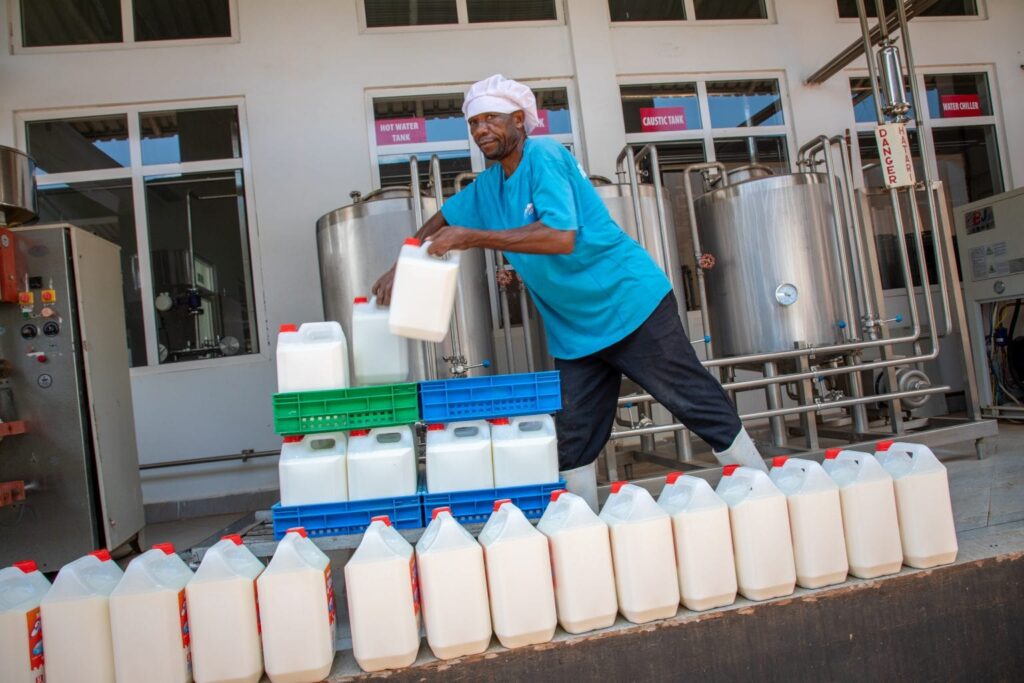
Kenya has overtaken Egypt to become Africa’s leading milk producer. Principal Secretary for Livestock Development Jonathan Mueke confirmed the news. He said milk output has risen from 4.6 billion litres to 5.4 billion litres. This increase is driven by more livestock and improved dairy farming systems.
“Kenya is the highest producer of milk in Africa. We oscillate between Egypt and Kenya, and right now we are ahead, growing from 4.6 billion litres to 5.4 billion litres,” Mueke said during a television interview on Wednesday, June 10, 2026.
The rise in milk production has been supported by a steady increase in livestock numbers. Kenya now has 22 million cattle. The country also has 35 million goats, 28 million sheep and 6 million camels. These numbers show the growth of the livestock sector across the country.
How Kenya Increased Its Milk Production
Mueke said the expansion of livestock numbers has directly contributed to higher milk production. This is especially true in dairy-friendly regions such as the highlands. Most counties in these areas have prioritised livestock farming.
Kenya’s improved dairy output is also the result of better animal husbandry practices. The government has introduced targeted interventions to increase productivity per animal. Farmers are now getting more milk from each cow than before.
The average milk production per cow has increased by about three litres per day. Mueke attributed this growth to improved breeding systems. Enhanced farming practices within the dairy sector have also played a major role.
Artificial insemination has been key in improving herd quality. It has helped boost milk yields across farms. Farmers who once struggled to get 10 litres per cow are now getting 13 litres or more. This improvement adds up across millions of cows.
Mueke also highlighted the use of sexed semen technology. This technology is transforming the dairy sector. It increases the likelihood that a farmer will get a female calf. Female calves are crucial for milk production because they grow into milking cows.
“With sexed semen, a farmer is able to get with 95 per cent accuracy, a female calf, a heifer, instead of a bull calf,” he said.
This approach has reduced losses for farmers. Male calves do not contribute to milk production. Farmers who used to raise bulls for slaughter are now focusing on building their milking herds. Every female calf born is a future milk producer.
What This Means for Kenya’s Dairy Sector
Mueke said the combined effect of rising livestock numbers, improved breeding technologies and expanded dairy farming has placed Kenya at the top of Africa’s milk production rankings. The country has worked hard to reach this position.
Egypt held the top spot for many years. Kenyan farmers and policymakers made it a goal to overtake them. Now that goal has been achieved. The country is producing more milk than any other nation in Africa.
This achievement has important implications for food security. More milk means more nutrition for Kenyan families. Children can drink more milk. Families can afford dairy products. Malnutrition rates could drop as milk becomes more available.
More milk also means more income for dairy farmers. Farmers who produce surplus milk can sell it to cooperatives and processors. The money they earn can pay for school fees, medical bills and farm improvements.
The government plans to continue supporting the dairy sector. The use of sexed semen will be expanded to more counties. Artificial insemination services will reach more farmers in remote areas. Breeding programmes will focus on high-yielding cows that produce more milk with less feed.
Kenya is now the leading milk producer in Africa. This is not just a title. It is evidence that the country’s dairy sector is working. Farmers are adopting better practices. The government is providing support. The cows are producing more milk.
The future of dairy farming in Kenya looks bright. The country can now aim to become a major exporter of milk and dairy products to other African nations. The potential is there. The farmers are ready. The government is committed. Kenya has proven that it can lead the continent in milk production. The next step is to maintain that lead and keep growing. The work continues. The cows are milking. The farmers are earning. Kenya is winning.
https://farmerstrend.co.ke/farming-news/kenya-is-now-the-leading-milk-producer-in-africa/https://farmerstrend.co.ke/wp-content/uploads/2026/06/leading-milk-producer-in-Africa-1024x683.jpghttps://farmerstrend.co.ke/wp-content/uploads/2026/06/leading-milk-producer-in-Africa-150x150.jpgFarming NewsDairy FarmingKenya is now the leading milk producer in Africa after overtaking Egypt. Milk output rose from 4.6 billion litres to 5.4 billion litres, driven by better breeding and more cattle.Kenya has overtaken Egypt to become Africa's leading milk producer. Principal Secretary for Livestock Development Jonathan Mueke confirmed the news....FarmersTrendjohn doefarmerstrend@gmail.comAdministratorFarmers Trend Ltd.








Leave a Reply