Coffee Production Increase in Kenya Targets 150,000 Metric Tonnes as Reforms Bear Fruit
Coffee production increase in Kenya is on track with a target of 150,000 metric tonnes. Farmer earnings have risen to KSh 120 per kilogram from KSh 79.

CS Mutahi Kagwe has announced a major coffee production increase in Kenya. The programme aims to raise national coffee production from 50,000 metric tonnes to 150,000 metric tonnes by the 2027/2028 season. Coffee acreage will also expand from 117,164.40 hectares to 152,000 hectares over the next two years.
The CS said the reforms are already yielding results. Coffee production is projected to rise by 26.2 per cent in the 2025/2026 season. He credited subsidized fertilizer, prompt farmer payments, expanded coffee-growing areas and improved market systems for the gains.
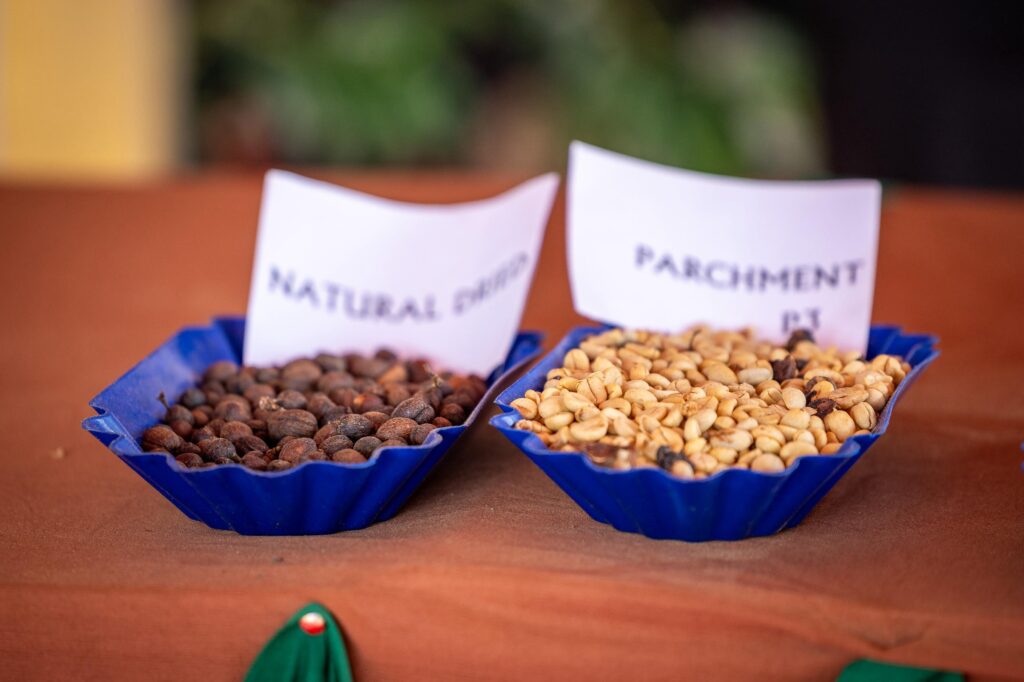
The government has distributed 2,983,773 coffee seedlings over the last two years. This is accelerating farm expansion and the replacement of aging coffee bushes. Many coffee trees in Kenya are old and unproductive. New coffee seedlings will boost yields in the coming years.
Average farmer earnings have risen significantly. They have increased from a baseline of approximately KSh 78.99 per kilogram to KSh 120 per kilogram. This represents a major improvement in returns for growers.
Coffee remains one of Kenya’s leading cash crops. It supports more than 800,000 smallholder farmers and earns the country valuable foreign exchange. The revitalization programme is expected to strengthen cooperatives, enhance climate resilience and improve productivity across the value chain.
The coffee production increase in Kenya is the result of deliberate government interventions. For years, the coffee sector faced numerous challenges. Poor governance, low prices, and lack of access to inputs drove farmers away from the crop. Many farmers uprooted their coffee trees and planted other crops.
The government has worked to reverse this trend. Subsidized fertilizer has made inputs more affordable. Prompt farmer payments have restored confidence in the system. Expanded coffee-growing areas have opened new opportunities for farmers. Improved market systems have ensured that farmers get better prices for their produce.
The results are now visible. Production is rising. Farmer incomes are increasing. The future of the coffee sector looks brighter than it has in years.
The coffee production increase in Kenya is also about quality. Kenyan coffee is known for its distinctive flavour and high quality. The government is working to maintain and enhance this reputation. Farmers are being trained in better farming practices. Cooperatives are being strengthened to improve marketing.
The programme is also addressing climate resilience. Coffee is sensitive to changes in temperature and rainfall. The government is promoting climate-smart practices such as shade-grown coffee, water conservation, and integrated pest management. These practices will help farmers adapt to the changing climate.
The coffee production increase in Kenya is a collaborative effort. The government is working with cooperatives, development partners, and the private sector. In attendance at the announcement were Deputy President Kindiki Kithure, CS Wycliffe Oparanya, Governors Anne Waiguru and Jonathan Bii, and FAO Kenya Country Director Farayi Zimudzi. Their presence highlighted a united government and development partner commitment to transforming Kenya’s coffee sector.
The target of 150,000 metric tonnes by 2027/2028 is ambitious but achievable. It will require sustained investment, strong partnerships, and continued commitment from farmers. The early signs are encouraging.
The coffee production increase in Kenya is not just about numbers. It is about the livelihoods of 800,000 smallholder farmers and their families. It is about the foreign exchange that coffee earns for the country. It is about Kenya’s reputation as a producer of some of the finest coffee in the world.
The work continues. More seedlings will be distributed. More farmers will be trained. More cooperatives will be strengthened. The coffee production increase in Kenya is a journey, not a destination.
The government is committed to seeing it through. The farmers are committed to playing their part. The partners are committed to providing support. The future of Kenya’s coffee sector is bright.
The coffee production increase in Kenya is a success story in the making. It shows what can be achieved when government, farmers, and partners work together towards a common goal. The coffee sector is on the rise. The farmers are earning more. The country is benefiting. The best is yet to come.
https://farmerstrend.co.ke/farming-news/coffee-production-increase-in-kenya/https://farmerstrend.co.ke/wp-content/uploads/2026/06/Coffee-production-increase-in-Kenya-2026-819x1024.jpeghttps://farmerstrend.co.ke/wp-content/uploads/2026/06/Coffee-production-increase-in-Kenya-2026-150x150.jpegFarming NewsCoffee FarmingCoffee production increase in Kenya is on track with a target of 150,000 metric tonnes. Farmer earnings have risen to KSh 120 per kilogram from KSh 79.CS Mutahi Kagwe has announced a major coffee production increase in Kenya. The programme aims to raise national coffee production from 50,000 metric...FarmersTrendjohn doefarmerstrend@gmail.comAdministratorFarmers Trend Ltd.











Leave a Reply