Urban Poultry Farming in Kisumu Kenya Turns Small Backyard into Big Opportunity for Manyatta Farmer
The soft clucking of chickens breaks the morning silence behind a row of rental houses in Manyatta, Kisumu. As the city slowly wakes up, Aggrey Abongo is already at work, moving between his poultry pens with a bucket of feed in hand. Around him, chickens scratch the ground while a few turkeys wander through the narrow space that serves as his farm.
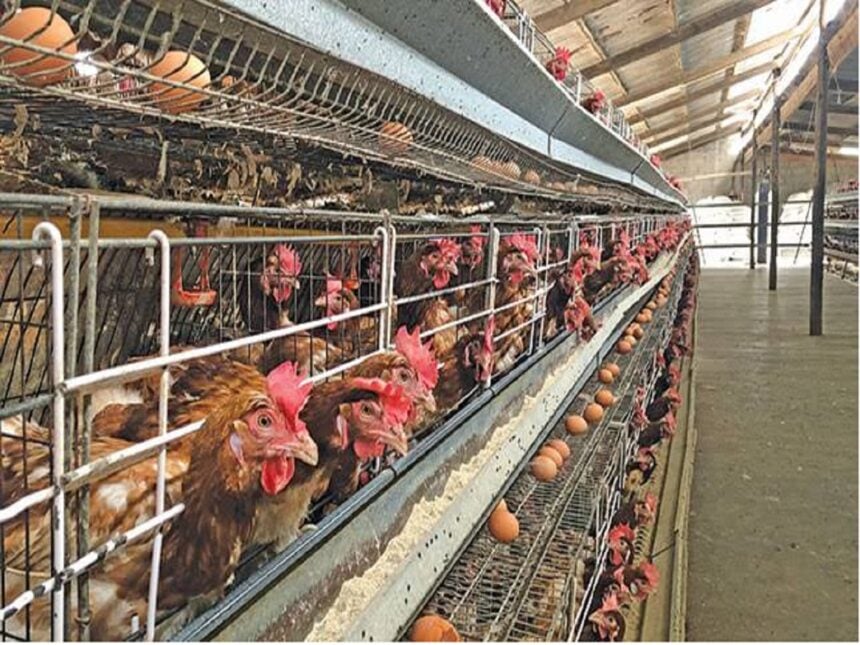
At first glance, it is difficult to imagine that this small patch of land tucked between houses could support a thriving farming venture. But for Aggrey, what many people saw as an empty backyard became an opportunity.
More than a decade ago when he decided to venture into poultry farming, many of his neighbours doubted his decision. But Abongo is now smiling all the way to the bank.
“People thought I was wasting my time. They said farming is for the village. But I looked at that space and saw an opportunity,” he recalls with a smile.
That opportunity began in 2011 when Aggrey transformed a strip of unused land behind his rental house into a poultry farm. Starting with only a few birds, he gradually expanded his flock through patience and determination.
Today, the 48-year-old farmer keeps chickens and turkeys, selling eggs and meat to customers within the neighbourhood and beyond. What started as a simple experiment has become a source of income and food security for his family.
In a city where land is becoming increasingly scarce and food prices continue to rise, Aggrey’s story highlights the growing importance of urban poultry farming in Kisumu Kenya.
Why urban poultry farming works
Unlike crop farming, poultry requires relatively little space, making it suitable for densely populated estates such as Manyatta. A small backyard can accommodate dozens of birds. The investment is manageable. The returns are consistent.
“Poultry gives you something almost every day,” he explains. “An egg is money. It is also food for the house.”
For Aggrey’s family, the farm has become more than just a business. The eggs and meat help reduce household expenses while providing a reliable source of nutrition. During difficult economic periods, the farm acts as a safety net. When other sources of income dry up, the chickens keep producing.
The benefits extend beyond his household. By supplying poultry products locally, Aggrey contributes to food availability within the community. He occasionally creates employment opportunities by hiring workers to assist with cleaning and feeding the birds.
The bigger picture
Data from the Ministry of Agriculture, Livestock and Fisheries shows that the agricultural sector is the backbone of Kenya’s economy. It contributes approximately 33 per cent of the country’s Gross Domestic Product directly and another 27 per cent indirectly through linkages with other sectors. It employs more than 40 per cent of the total population and 70 per cent of the rural population.
However, agricultural productivity has stagnated in recent years. Smallholder farmers and agricultural enterprises continue to face challenges growing their businesses. Climate change and the rising prices of farm inputs have made farming more difficult.
Subdivision of land into smaller and smaller portions, especially for commercial development, has also led to scarcity of enough space to practise agriculture. This has created the need for more innovative ways to grow food and feed the population.
Farmers have been forced to come up with creative and innovative ways to maximize the potential of the available limited land space. Those who have moved in this direction have successfully been able to make a fortune out of it.
Aggrey Abongo is one such farmer. He has defied all the odds and successfully put up a thriving poultry farm in the backyard of his house.
Lessons from Aggrey’s success
Aggrey’s story offers several lessons for urban dwellers who want to venture into farming. First, you do not need a large piece of land. A small backyard can be transformed into a productive farm. Second, you do not need a lot of capital. You can start small and grow gradually. Third, you need patience and determination. Success does not happen overnight.
Aggrey started with only a few birds. He learned as he went. He made mistakes but kept going. Today, his farm is thriving.
The urban poultry farming in Kisumu Kenya that Aggrey practices is a model that can be replicated in other cities. Nairobi, Mombasa, and other urban centres have similar spaces that are currently underutilised. If more urban dwellers embraced poultry farming, the country could produce more food and create more jobs.
Challenges and opportunities
Urban farmers face unique challenges. Space is limited. Feed costs are high. Disease outbreaks can wipe out an entire flock. Access to veterinary services is often limited. Despite these challenges, the opportunities are significant.
The demand for poultry products is growing. The population is increasing. More people are living in cities. They need food that is fresh, affordable, and accessible. Urban farmers can meet that demand.
Aggrey has found a way to make it work. He buys feed in bulk to reduce costs. He maintains strict hygiene to prevent disease. He has built a loyal customer base that keeps coming back.
The urban poultry farming in Kisumu Kenya story is one of resilience and innovation. It shows that with the right mindset, even the smallest space can yield big returns.
The way forward
Aggrey’s success should inspire others. It should also attract the attention of policymakers. Urban farming has the potential to contribute significantly to food security and job creation. Policies that support urban farmers, such as access to credit, training, and markets, would go a long way.
Aggrey is not waiting for policy changes. He is making it happen on his own. He is an example of what is possible when determination meets opportunity.
The soft clucking of chickens continues in Manyatta. Aggrey Abongo continues to work, to feed his birds, and to provide for his family. The small backyard that was once empty is now a hive of activity. It is proof that with creativity and hard work, even the smallest spaces can become big opportunities.
Read original post here
https://farmerstrend.co.ke/trending/urban-poultry-farming-in-kisumu-kenya/https://farmerstrend.co.ke/wp-content/uploads/2026/06/Urban-Poultry-Farming-in-Kisumu-Kenya.jpghttps://farmerstrend.co.ke/wp-content/uploads/2026/06/Urban-Poultry-Farming-in-Kisumu-Kenya-150x150.jpg# TrendingSuccess StoriesThe soft clucking of chickens breaks the morning silence behind a row of rental houses in Manyatta, Kisumu. As the city slowly wakes up, Aggrey Abongo is already at work, moving between his poultry pens with a bucket of feed in hand. Around him, chickens scratch the ground while...FarmersTrendjohn doefarmerstrend@gmail.comAdministratorFarmers Trend Ltd.










Leave a Reply