Top Fruit Trees to Grow During Heavy Rains in Kenya: Complete Guide to Establishing High-Survival Passion Fruit, Mango and Citrus Orchards
Learn the best fruit trees to grow during heavy rains in Kenya. Discover expert tips on planting passion fruit, mangoes, citrus, orchard drainage, certified seedlings, and improving orchard survival.
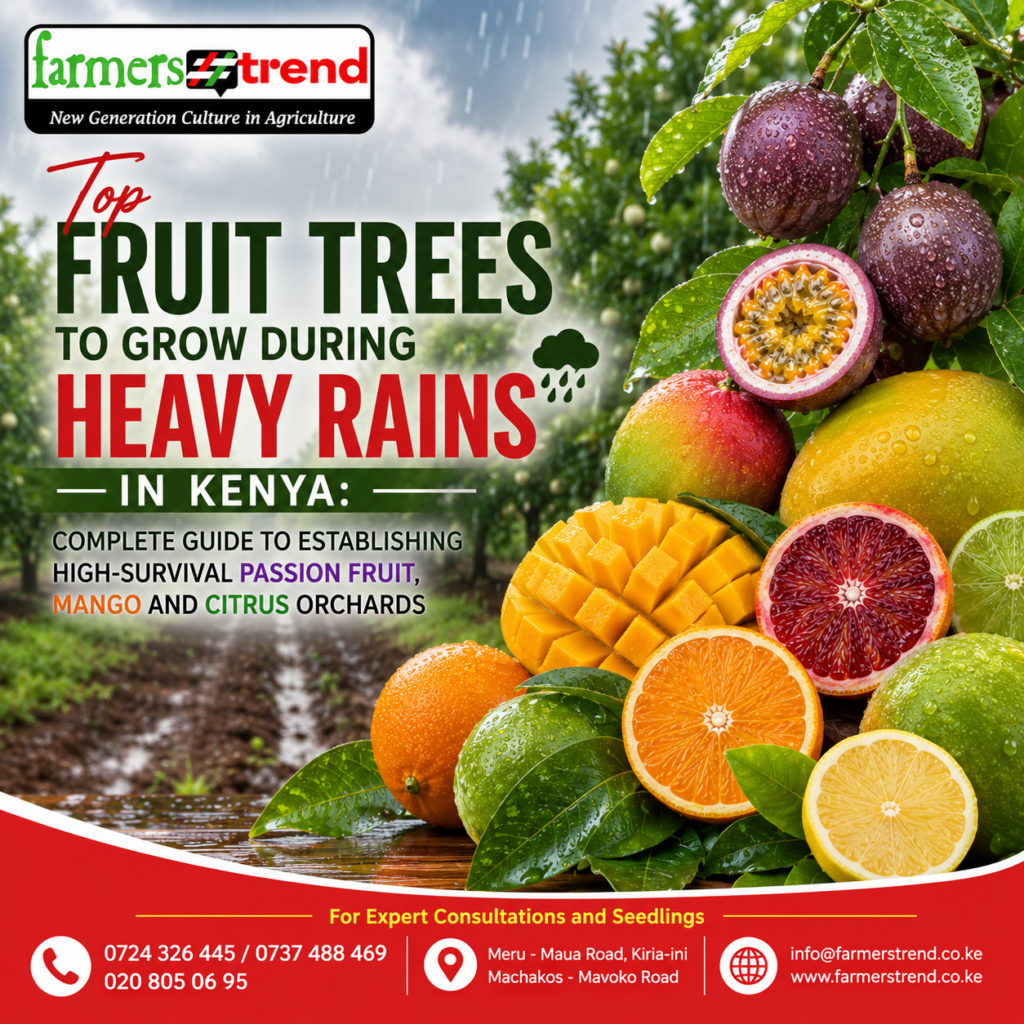
Top Fruit Trees to Grow During Heavy Rains in Kenya: Complete Guide to Establishing High-Survival Passion Fruit, Mango and Citrus Orchards
Planting a fruit orchard is one of the biggest investments many farmers make. Unlike annual crops that are harvested within a few months, fruit trees remain in the field for many years. Every decision made during establishment influences future growth, productivity, maintenance costs, and profitability. Choosing the wrong planting season, purchasing poor-quality seedlings, or neglecting drainage can reduce orchard performance long before the first harvest. For this reason, experienced fruit growers spend as much time planning the establishment phase as they do managing mature orchards.
Heavy rains often create uncertainty among farmers planning to establish new orchards. Some view the rainy season as the perfect opportunity because water is readily available, reducing irrigation costs and helping young trees establish quickly. Others fear that prolonged rainfall will increase seedling mortality, encourage root diseases, and wash away their investment before the trees become established. Both viewpoints have some truth, but neither tells the full story.
Across Kenya, many of the country’s most productive orchards were planted during the rainy season. Commercial passion fruit farms in Kakamega, mango orchards in Machakos and Makueni, citrus farms in Kilifi and Kwale, and mixed fruit orchards in Murang’a, Meru, and Embu all demonstrate that rainfall itself is not the deciding factor. What separates successful orchards from failed ones is preparation. Farmers who understand their soils, improve drainage, source healthy seedlings, and follow proper planting practices consistently record high survival rates even during seasons of above-average rainfall.
Natural rainfall provides several advantages that irrigation alone cannot always match. Moist soils remain cooler, allowing young roots to develop steadily without the stress associated with fluctuating moisture levels. Rainwater also infiltrates the soil profile more evenly than surface irrigation, encouraging roots to explore deeper layers in search of nutrients and water. For newly planted fruit trees, this steady moisture creates an ideal environment for rapid establishment provided excess water drains away quickly.
Unfortunately, many orchards are established without considering how water moves across the farm. Low-lying areas collect runoff, heavy clay soils remain saturated for days, and planting holes become small water reservoirs after every storm. Under these conditions, oxygen levels around the roots decline rapidly. Beneficial soil organisms become less active while destructive pathogens begin multiplying. Seedlings that initially appeared healthy start showing yellow leaves, weak shoots, slow growth, and eventually root decay. Farmers often blame the weather, yet the real problem started before the first rains arrived.
Another common mistake is assuming every fruit species responds to rainfall in the same way. Passion fruit grows vigorously during wet weather but quickly develops fungal diseases if vines remain damp because of poor airflow. Mango seedlings establish well in moist soils, yet prolonged waterlogging weakens the root system and increases disease pressure on young flushes. Citrus trees appreciate consistent moisture during establishment, but planting them too deeply in saturated soils frequently results in foot rot and root rot caused by Phytophthora species. Understanding these differences allows farmers to adjust their management practices according to the needs of each crop rather than relying on a single approach.
Weather patterns across Kenya have also become less predictable over the past decade. Many counties now experience prolonged dry periods followed by intense rainfall events that deliver large amounts of water within a few days. These conditions make proper orchard planning more important than ever. Farmers who prepare their land before the rains begin are better equipped to protect young trees from excess moisture while still taking advantage of the natural benefits rainfall provides.
This guide explains how to establish passion fruit, mango, and citrus orchards during heavy rains while achieving high survival rates and strong early growth. Drawing from practical orchard experience across Kenya, you will learn how to select vigorous seedlings, prepare planting sites, improve drainage, reduce transplant shock, and prevent common diseases associated with prolonged wet conditions. Whether you are planting a few trees for household consumption or developing a commercial orchard covering several acres, the principles discussed in this guide will help you build a healthier and more productive orchard from the very beginning.
The Golden Rules of Rainy-Season Sourcing and Selection
Every successful orchard begins long before the first planting hole is dug. It starts with selecting planting material capable of surviving the challenges of the field. Fertilizers, irrigation systems, pruning programmes, and pest control all play important roles during orchard management, but none of them compensate for poor-quality seedlings. A weak seedling remains weak regardless of how much money is invested after planting.
Many farmers become excited when the rainy season approaches because nurseries begin displaying large numbers of fruit seedlings. Roadside vendors, temporary markets, and mobile sellers often advertise attractive prices, making it tempting to purchase seedlings without asking important questions about their origin or quality. While lower prices appear attractive during the planning stage, they frequently lead to much higher costs after planting.
A commercial orchard should never be viewed as a short-term project. Grafted mangoes, citrus trees, and other fruit crops continue producing for many years when managed properly. The seedling planted today becomes the foundation of the entire investment. Choosing poor planting material therefore creates problems that continue affecting production long after the rainy season has passed.
Why Certified Seedlings Matter More During the Rainy Season
Heavy rains expose weaknesses that healthy seedlings usually overcome with little difficulty. Seedlings with poorly developed roots, weak graft unions, hidden diseases, or poor genetic quality struggle to establish once the soil becomes saturated. Instead of producing vigorous new roots, they remain stressed, become susceptible to fungal infections, and often fail within the first few months after planting.
This is why experienced fruit growers insist on sourcing seedlings from certified and reputable nurseries. Quality nurseries maintain healthy mother blocks, use vigorous rootstocks, follow proper grafting procedures, and implement strict nursery hygiene throughout the propagation process. Their objective is not simply to sell seedlings. It is to produce planting material capable of developing into healthy, productive trees.
In Kenya, reputable nurseries such as Farmers Trend Limited, alongside other certified fruit seedling producers, provide farmers with healthy grafted seedlings developed from carefully selected parent material. Beyond supplying seedlings, experienced nurseries also guide farmers on variety selection, orchard layout, spacing, planting techniques, and post-planting management. This advice is particularly valuable during the rainy season when proper establishment determines whether seedlings thrive or struggle during their first year.
Purchasing certified seedlings should be viewed as insurance for your orchard rather than an additional expense. Imagine establishing one acre of grafted mangoes using uncertified seedlings because they cost KES 100 less per plant. At first, the savings appear significant. However, if twenty seedlings die after prolonged rainfall because of poor root development or hidden diseases, replacing them requires additional labour, transport, fresh planting holes, manure, and valuable time. The replacement trees also remain several months behind the original planting, creating an uneven orchard that flowers and matures at different times.
Experienced farmers understand this simple principle.
The cheapest seedling is rarely the least expensive investment.
Expert Tip
Whenever possible, visit the nursery before making your purchase. Observe how seedlings are raised, ask about the source of the scion wood and rootstocks, and request guidance on the most suitable varieties for your altitude, rainfall pattern, and soil type. A reputable nursery will willingly answer these questions because healthy seedlings are only one part of establishing a successful orchard.
How to Identify Healthy Fruit Seedlings Before You Buy
Walking into a nursery filled with hundreds of seedlings can feel overwhelming, especially for first-time orchard owners. Many people naturally choose the tallest plants because they assume bigger seedlings establish faster. In reality, height alone tells very little about the health or future performance of a fruit tree.
Start by examining the overall appearance of the seedling. Healthy plants display balanced growth, with a sturdy stem supporting well-distributed leaves. The foliage should have a rich green colour without yellow patches, brown spots, curling, insect damage, or signs of nutrient deficiency. Uniform leaf colour usually reflects good nursery nutrition and careful management.
Next, inspect the stem from the base upward. It should feel firm and straight without cracks, wounds, cankers, or gum exudates. Particular attention should be given to the graft union because this is one of the most important parts of any grafted fruit tree. A properly healed graft appears smooth and strong, with no signs of splitting or swelling. Avoid seedlings where shoots are growing below the graft union because these originate from the rootstock and compete with the grafted variety.
The root system deserves equal attention. Healthy roots provide the foundation for rapid establishment once the seedling is transplanted into the orchard. Where inspection is allowed, gently remove the polybag and observe the root ball. Healthy roots should appear white or cream coloured and spread evenly throughout the growing media. Avoid seedlings with black roots, unpleasant smells, tightly circling roots, or roots protruding excessively through the drainage holes. These symptoms often indicate root-bound seedlings that struggle to establish after planting.
Common Mistakes Farmers Make
- Buying seedlings based only on price.
- Choosing the tallest seedlings instead of the healthiest.
- Ignoring the condition of the graft union.
- Purchasing seedlings showing yellow leaves or insect damage.
- Transporting seedlings carelessly under direct sunlight before planting.
Passion Fruit (Purple and Sweet Yellow)
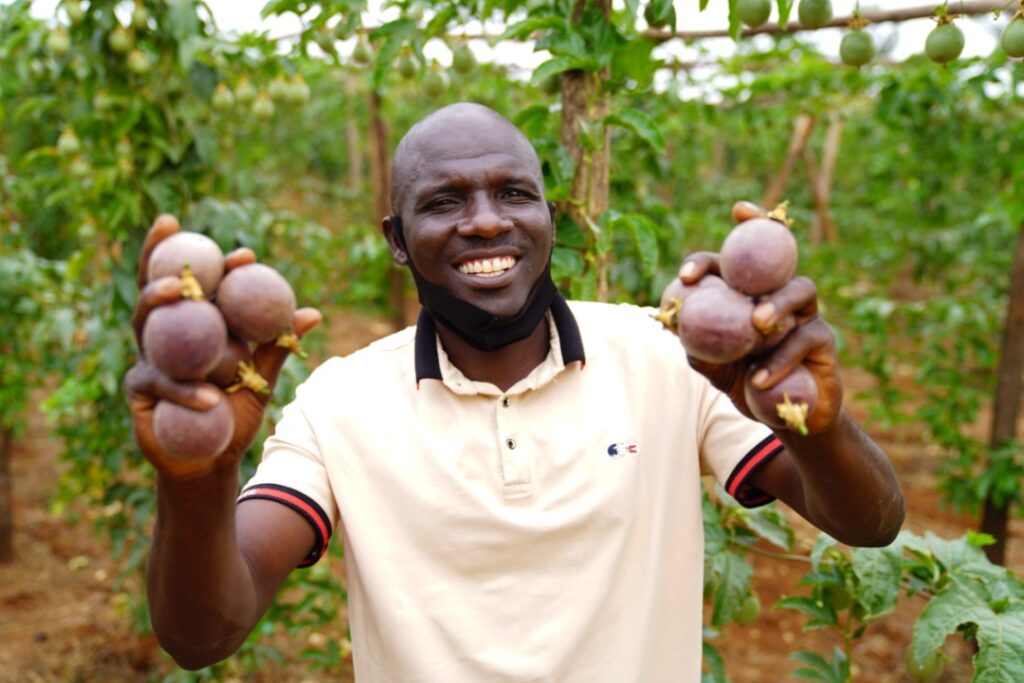
Passion fruit has become one of the fastest-growing commercial fruit enterprises in Kenya because of its relatively early maturity, strong local demand, and attractive market prices. Farmers across Murang’a, Nyeri, Embu, Meru, Kakamega, Bungoma, Kisii, Kericho, and parts of the Rift Valley continue expanding their vineyards to supply local markets, juice processors, and export buyers. A well-managed passion fruit orchard starts producing within eight to twelve months and, under good management, delivers consistent harvests for several years.
Heavy rains provide excellent growing conditions for passion fruit because the vines require adequate soil moisture to establish quickly. Young roots develop rapidly in moist, well-drstructured soils, reducing transplant shock and encouraging vigorous vegetative growth. During the first few months after planting, sufficient rainfall also lowers irrigation costs, allowing farmers to invest more resources in trellising, disease management, and soil improvement.
Despite these advantages, passion fruit is also one of the fruit crops most affected by prolonged wet weather. Excess moisture creates favourable conditions for fungal and bacterial diseases that spread rapidly through young vineyards. If farmers neglect drainage, spacing, pruning, and canopy management, diseases can reduce productivity long before the vines reach their full potential.
The goal is therefore not to avoid planting during the rainy season. The goal is to establish the vineyard in a way that allows the plants to benefit from the rainfall while minimizing the risks associated with excessive moisture.
Why Passion Fruit Is Vulnerable During Heavy Rains
Unlike many fruit trees, passion fruit produces soft, succulent vines that grow rapidly whenever moisture is abundant. This vigorous growth is desirable because it helps the plant establish quickly and cover the trellis. However, dense canopies also reduce air movement around leaves, stems, and flowers. When foliage remains wet for many hours after rainfall, fungal spores germinate easily and begin infecting tender plant tissues.
One of the biggest challenges during prolonged rainy seasons is collar rot. This disease attacks the stem at or slightly below ground level, particularly where water collects around the base of the plant. Farmers often notice dark lesions developing near the collar before the vine begins wilting. By the time the upper canopy starts showing symptoms, considerable damage has already occurred beneath the soil surface.
Wet weather also favours diseases such as brown spot, blight, and early fungal infections that weaken young vines before they become fully established. While viral diseases like Woodiness Disease are primarily spread by aphids rather than rainfall, prolonged wet weather often encourages lush vegetative growth that attracts insect vectors. This increases the importance of maintaining good field hygiene and monitoring pest populations throughout the season.
Healthy vines rarely become severely affected overnight. Disease development usually follows a sequence of small management mistakes that gradually create favourable conditions for infection. Preventing these problems starts with proper site selection and correct planting methods.
Expert Tip
Many farmers focus on spraying fungicides after diseases appear. Experienced growers focus first on reducing humidity around the vines through proper spacing, drainage, pruning, and trellis design. A well-ventilated vineyard often experiences significantly lower disease pressure than one relying entirely on chemical control.
Selecting the Right Site Before Planting
Site selection influences passion fruit performance more than many farmers realize. Even healthy certified seedlings struggle if planted in areas where water remains stagnant after heavy rainfall. Before purchasing seedlings, walk across the proposed site immediately after a heavy downpour. Observe where water collects, how long it remains, and whether runoff flows naturally away from the field.
Passion fruit performs best on deep, fertile, well-drained soils with good organic matter. Red volcanic soils common in Murang’a, Meru, Nyeri, and parts of Embu provide excellent growing conditions because they combine good drainage with high natural fertility. Farmers working in heavier clay soils, including sections of western Kenya and parts of Eastern Kenya, should pay greater attention to drainage improvements before planting.
Avoid depressions where runoff accumulates naturally. Although these areas remain moist throughout the season, prolonged saturation deprives roots of oxygen and increases the likelihood of collar rot. Planting on slightly elevated ground or constructing raised planting mounds greatly improves survival during periods of heavy rainfall.
Why Mound Planting Improves Seedling Survival
One of the most effective techniques for establishing passion fruit during wet seasons is mound planting. Instead of placing seedlings into flat ground, farmers raise the planting position above the surrounding soil using well-prepared mounds.
A raised mound improves surface drainage by allowing excess water to flow away naturally instead of collecting around the root zone. It also increases soil aeration, encourages deeper root development, and reduces the likelihood of collar diseases attacking young plants during prolonged rainfall.
Construct each mound using topsoil mixed thoroughly with well-decomposed manure and, where necessary, agricultural lime based on soil test recommendations. The mound should remain firm enough to resist erosion while still allowing rainwater to infiltrate gradually through the root zone.
This relatively simple practice has helped many commercial passion fruit growers achieve significantly higher survival rates during unusually wet seasons.
Planting Certified Seedlings Correctly
After preparing the site, attention turns to the seedlings themselves. This is not the stage for compromise. Healthy vines begin with healthy planting material.
Purchase vigorous grafted or certified passion fruit seedlings from reputable nurseries with a proven history of producing quality planting material. Nurseries such as Farmers Trend Limited, together with other certified passion fruit seedling producers in Kenya, supply healthy seedlings propagated under proper nursery management standards while also providing guidance on planting, spacing, and orchard establishment. Such advice becomes particularly valuable when planting during rainy seasons because small mistakes often become costly later.
Before planting, water the seedlings thoroughly while they are still in their nursery bags. Moist root balls remain intact during transplanting, reducing disturbance to the feeder roots.
Carefully remove the polybag without breaking the root ball. Place the seedling upright at the centre of the mound, ensuring the original soil level remains the same after planting. Avoid burying the stem too deeply because excess soil around the collar encourages disease development during wet weather.
Firm the soil gently around the roots without excessive compaction. Finally, apply water only if rainfall is insufficient. When the soil is already adequately moist, additional irrigation simply increases the risk of waterlogging.

Building a Trellis That Reduces Disease Pressure
Many farmers view the trellis only as a structure for supporting vines. In reality, it also plays an important role in disease prevention.
A properly designed trellis improves sunlight penetration, encourages better air circulation, and allows leaves to dry more quickly after rainfall. These factors significantly reduce the favourable conditions required for many fungal pathogens.
Strong treated timber or concrete posts installed firmly into the ground withstand heavy rains and strong winds much better than weak supports. High-tensile galvanized wire also provides better long-term performance than ordinary fencing wire because it resists stretching under the weight of mature vines and heavy fruit loads.
Proper spacing between rows further improves airflow while allowing easier movement during pruning, spraying, harvesting, and disease scouting.
Common Mistakes Farmers Make
- Planting vines too close together.
- Allowing weeds to grow around the base of young plants.
- Using weak trellis posts that collapse during storms.
- Allowing vines to become overcrowded before pruning.
- Directing runoff water through the vineyard.
Preparing the Soil for Long-Term Productivity
Healthy soils remain the foundation of productive passion fruit farming. Before planting, incorporate generous amounts of well-decomposed farmyard manure into the topsoil removed from each planting hole. Organic matter improves soil structure, increases microbial activity, enhances moisture regulation, and promotes steady root development during establishment.
Where soil tests indicate acidity, agricultural lime should be incorporated several weeks before planting. Correcting soil acidity improves nutrient availability while creating a healthier environment for root growth. Farmers who skip soil testing often spend far more on fertilizers later because underlying soil problems remain unresolved.
Heavy rains frequently wash nutrients beyond the reach of young roots, particularly in sandy soils. Rather than applying large amounts of fertilizer at planting, establish the seedlings first before introducing a balanced nutrition programme based on crop requirements and soil analysis.
Mangoes (Tommy Atkins, Kent, Apple Mango)

Few fruit trees have transformed commercial farming in Kenya as much as the mango. From the dry landscapes of Makueni and Machakos to the fertile valleys of Meru, Embu, and parts of Western Kenya, mango farming continues to provide farmers with reliable income from both local and export markets. Improved grafted varieties such as Tommy Atkins, Kent, Apple Mango, Van Dyke, Ngowe, and Sabre have increased productivity, improved fruit quality, and shortened the time required before the first harvest.
Many farmers assume mangoes should only be planted during dry weather because excessive rainfall encourages diseases. While prolonged wet conditions do increase disease pressure, the rainy season remains one of the best periods to establish grafted mango seedlings when proper planting methods are followed. Moist soils reduce transplant shock, encourage rapid root development, and minimize the amount of irrigation required during the establishment phase. Farmers who prepare their orchards correctly often record excellent survival rates because the grafted mango seedlings have enough time to develop strong root systems before the dry season begins.
The biggest mistake is not planting during the rains.
The biggest mistake is planting without preparing for the rains.
Successful mango farmers understand that every seedling represents an investment expected to produce fruit for several decades. Protecting that investment begins before the seedling leaves the nursery and continues throughout the first rainy season.
Selecting Vigorous Mango Seedlings
The quality of the orchard depends on the quality of the seedlings planted. Healthy grafted mango seedlings establish faster, tolerate environmental stress more effectively, and begin producing uniform canopies much earlier than weak planting materials.
Farmers should always purchase certified grafted mango seedlings from reputable nurseries that maintain healthy mother plants and follow proper propagation practices. Established nurseries such as Farmers Trend Limited, together with other certified fruit seedling producers in Kenya, supply true-to-type varieties while also providing guidance on variety selection, spacing, orchard establishment, and after-planting management. This professional support often helps farmers avoid costly mistakes during the first year of orchard establishment.
When inspecting seedlings, avoid selecting plants based solely on height. A tall seedling with a thin stem often performs poorly after transplanting because it invested more energy in shoot growth than root development. Instead, look for seedlings with balanced growth, dark green leaves, a straight stem, and a strong, well-healed graft union. The root system should hold the growing media together firmly without showing signs of circling roots, root decay, or excessive protrusion through the drainage holes.
Healthy seedlings establish quickly because they already possess the strong root foundation needed to explore the surrounding soil soon after planting.
Preparing the Planting Site Before the First Rain
One of the most common reasons young mango trees fail during heavy rains is poor land preparation. Many farmers wait until the seedlings arrive before digging planting holes, often completing the work hurriedly as rain clouds gather. Unfortunately, hurried preparation usually produces poor results because planting holes receive little attention, drainage is ignored, and soil improvement becomes an afterthought.
Commercial orchard establishment should begin several weeks before planting. Walk through the farm after a heavy downpour and identify sections where water remains standing. These low-lying areas require drainage improvements before any seedlings are planted. Water should never remain around young mango roots for extended periods because prolonged saturation limits oxygen availability and increases the likelihood of root diseases.
Farmers working on gently sloping land should also study how runoff moves across the field. Directing excess water away from planting rows protects young trees while reducing soil erosion during intense storms.
Expert Tip
Never assume a field drains well simply because the surface appears dry. Dig several inspection holes approximately sixty centimetres deep after heavy rainfall. If water remains trapped in the bottom after twenty-four hours, drainage improvement should become part of the orchard establishment plan before planting begins.
Proper Planting Pit Preparation

The planting hole serves as the first growing environment for every young mango tree. Proper preparation encourages rapid root expansion while reducing transplant stress during the establishment period.
Dig planting holes measuring approximately 60 cm by 60 cm by 60 cm at least three to four weeks before planting. Separate the fertile topsoil from the less fertile subsoil during excavation. The topsoil should later be mixed thoroughly with well-decomposed farmyard manure before being returned to the hole.
Farmers planting on heavy clay soils should improve drainage by incorporating coarse sand or small gravel beneath the root zone where appropriate. This simple practice encourages excess water to move downward instead of accumulating around newly planted roots. However, gravel should never replace proper surface drainage because water must still leave the orchard efficiently.
Where soil acidity presents a challenge, apply agricultural lime according to soil test recommendations before planting. Correcting pH improves nutrient availability while encouraging healthier root development throughout the establishment phase.
Proper pit preparation is not merely about digging a hole. It is about creating an environment where the young tree develops rapidly despite challenging weather conditions.
Reducing Transplant Shock During Wet Weather
Many mango seedlings survive the planting process but struggle during the following weeks because they experience unnecessary transplant stress. Although rainfall supplies adequate moisture, careless handling damages feeder roots before they begin exploring the surrounding soil.
Transport seedlings carefully from the nursery to the farm. Keep them upright, avoid exposing them to prolonged direct sunlight, and plant them as soon as possible after delivery. If immediate planting is not possible, place the seedlings in a shaded location and water them lightly to maintain healthy root moisture.
Before removing the nursery bag, water each seedling thoroughly. Moist growing media remains intact around the roots, reducing disturbance during transplanting. Carefully cut away the polybag rather than pulling the seedling out by the stem.
Place the seedling upright in the centre of the planting hole, ensuring the original soil level remains unchanged. Planting too deeply increases the risk of stem diseases, while planting too shallow exposes roots to drying once the rains become less frequent.
After backfilling, firm the soil gently around the root ball to eliminate large air pockets without compacting the soil excessively. If rainfall is adequate, additional irrigation is unnecessary during the first few days after planting.
Managing Anthracnose During Prolonged Rainfall
Anthracnose remains one of the most important fungal diseases affecting mango production in Kenya, particularly during seasons of frequent rainfall and high humidity. Young seedlings are especially vulnerable because tender leaves and new shoots provide ideal entry points for fungal infection.
The disease often begins as small dark lesions on young leaves before spreading to shoots, flowers, and eventually developing fruit. Left unmanaged, repeated infections weaken the tree and reduce future productivity.
Fortunately, cultural management practices significantly reduce disease pressure.
Proper spacing between trees improves airflow throughout the orchard, allowing leaves to dry more quickly after rainfall. Timely pruning removes overcrowded branches and prevents dense canopies where humidity remains trapped for long periods. Good weed management further improves air circulation while reducing competition for nutrients and moisture.
Healthy orchards rarely depend on fungicides alone. Successful disease management combines sanitation, pruning, adequate nutrition, proper spacing, and regular scouting throughout the rainy season.
Common Mistakes Farmers Make
- Planting mango trees in poorly drained depressions.
- Applying excessive nitrogen immediately after planting.
- Allowing weeds to grow around young seedlings.
- Ignoring early disease symptoms until large sections of the canopy become infected.
- Purchasing seedlings without inspecting the graft union.
Building Healthy Soils for Long-Term Productivity
The first year of orchard establishment determines much of the tree’s future performance. Strong roots formed during this period support flowering, fruit development, drought tolerance, and nutrient uptake for many years.
Incorporating generous amounts of well-decomposed organic manure before planting improves soil structure while increasing microbial activity around the root zone. Organic matter also enhances moisture retention in sandy soils and improves drainage in heavier clay soils by encouraging better soil aggregation.
Avoid applying excessive chemical fertilizers immediately after transplanting. Newly planted mango seedlings require time to establish before they begin absorbing nutrients efficiently. Applying large quantities of nitrogen too early often stimulates soft vegetative growth that is more susceptible to fungal diseases during wet weather.
Instead, focus first on encouraging root establishment. Once vigorous new growth appears, gradually introduce a balanced nutrition programme based on soil analysis and the nutritional requirements of young mango trees.
Farmers who invest in soil health during establishment often spend less on corrective measures later because healthy soils naturally support vigorous root development and stronger disease resistance.
Choosing the Right Mango Variety for Your Region
Selecting the appropriate variety remains just as important as proper orchard management. Different mango varieties respond differently to rainfall, altitude, market demand, and local climate conditions.
Tommy Atkins remains popular among commercial growers because of its firm fruits, excellent shelf life, and suitability for export markets. Kent is widely appreciated for its large, fibreless fruits and excellent eating quality, making it attractive for both local and export markets. Apple Mango continues to dominate many local fresh fruit markets because of its distinctive flavour, attractive appearance, and strong consumer demand.
Before purchasing seedlings, farmers should consult experienced nursery professionals regarding the varieties best suited to their location. Factors such as altitude, annual rainfall, temperature, soil type, and intended market all influence long-term profitability. Seeking this advice before planting helps farmers avoid expensive mistakes while improving orchard performance for many years.
By combining healthy certified seedlings, careful site preparation, effective drainage, and sound agronomic management, farmers greatly improve the chances of establishing productive mango orchards capable of delivering profitable harvests through changing weather conditions.
Citrus (Pixie, Washington Navel, Valencia, Blood Orange, Cara Cara, Grapefruit, Tangerines, Minneola, Meyer Lemon, Eureka Lemon, Kaffir Lemon, Lisbon Lemon, Common Lemon and Limes)
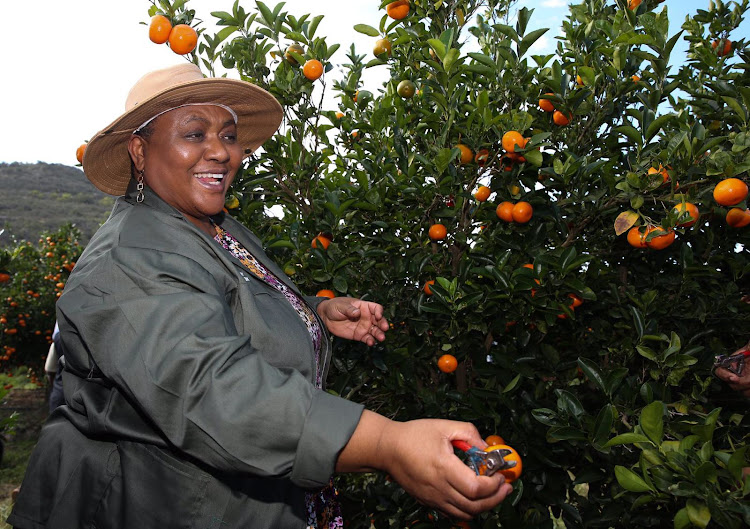
Citrus farming continues to be one of the most rewarding fruit enterprises in Kenya. Demand for fresh oranges, lemons, limes, grapefruits, and specialty citrus varieties continues to grow as consumers seek nutritious fruits for household consumption, juice processing, hospitality businesses, supermarkets, and export markets. Farmers in Makueni, Machakos, Murang’a, Embu, Meru, Kitui, Taita Taveta, Kilifi, Kwale, Kakamega, Busia, and parts of the Rift Valley have increasingly diversified into improved citrus varieties because of their reliable market demand and relatively long productive lifespan.
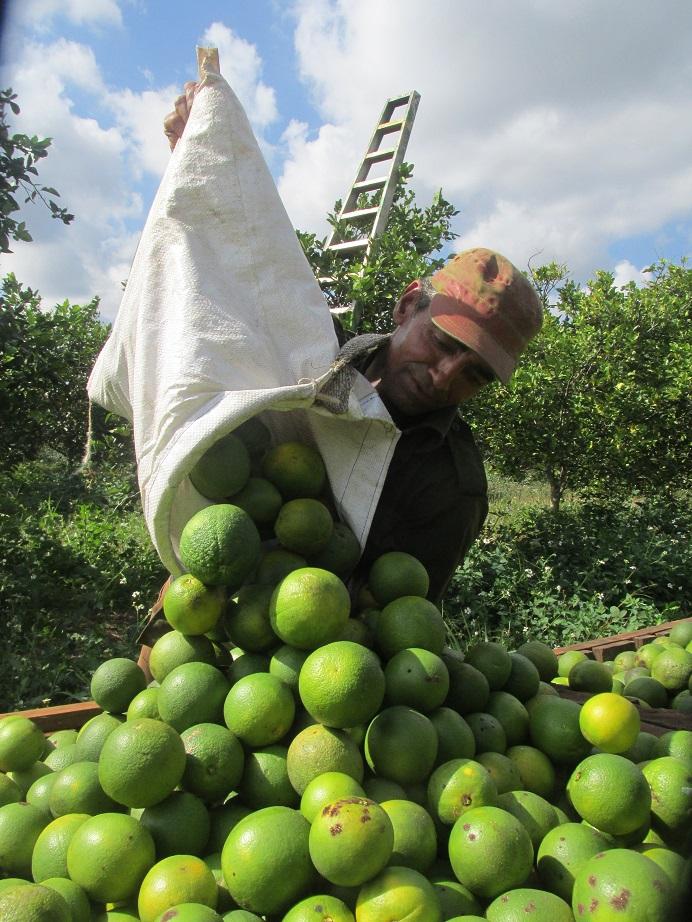
Heavy rains present both an opportunity and a challenge for citrus establishment. Adequate soil moisture allows newly planted seedlings to develop strong feeder roots while reducing irrigation costs during the critical establishment period. At the same time, prolonged waterlogging creates ideal conditions for destructive diseases that attack the root system and lower stem. Unlike drought stress, which often develops gradually, root diseases caused by saturated soils sometimes destroy young citrus trees before farmers realize anything is wrong.
Fortunately, these problems are largely preventable. Farmers who understand citrus biology, prepare their land properly, and plant healthy certified seedlings consistently achieve excellent establishment rates even during seasons of above-average rainfall.
The objective is not to avoid planting during heavy rains.
The objective is to make every drop of rain work for the orchard instead of against it.
Why Citrus Performs Well During Rainy Season Establishment
Unlike mature citrus trees, newly transplanted seedlings have relatively small root systems. During the first few months after planting, the young roots remain concentrated around the original root ball and depend heavily on consistent soil moisture while expanding into the surrounding soil.
When rainfall is moderate and drainage is good, root growth accelerates rapidly. Moist soils encourage the formation of thousands of fine feeder roots responsible for absorbing water and nutrients. As these roots spread through the soil profile, the seedling becomes increasingly resilient against future dry periods.
Many commercial growers deliberately schedule orchard establishment at the beginning of the long or short rainy seasons because natural rainfall creates ideal conditions for rapid establishment. Properly planted seedlings often produce vigorous flushes within weeks, allowing them to build strong canopies before the onset of dry weather.
However, these benefits disappear when water remains around the roots for prolonged periods.
Understanding Root Rot and Foot Rot in Citrus
The greatest threat to young citrus orchards during heavy rains is root rot and foot rot caused primarily by species of the soil-borne pathogen Phytophthora. These disease-causing organisms thrive in saturated soils where oxygen levels are low and drainage is poor.
Healthy citrus roots require oxygen to remain active. When heavy rainfall keeps the soil waterlogged for several days, root respiration slows dramatically. Fine feeder roots begin dying first, reducing the tree’s ability to absorb water and nutrients. At the same time, Phytophthora spores move easily through standing water and infect weakened roots and the lower stem.
One of the earliest symptoms appears in the canopy rather than the roots. Leaves gradually lose their healthy dark green colour and begin turning pale green or yellow. New growth becomes weak and sparse, while older leaves drop prematurely. Farmers often mistake these symptoms for fertilizer deficiencies and apply additional nutrients, yet the damaged root system cannot absorb them efficiently.
As the disease progresses, the bark around the lower stem becomes dark, soft, and water-soaked. Gum sometimes oozes from infected areas before the bark begins cracking and peeling away. If left unmanaged, the disease eventually girdles the trunk, cutting off the movement of water and nutrients between the roots and the canopy.
Once severe root rot develops, recovery becomes difficult and expensive.
Preventing infection is always easier than curing it.
Expert Tip
After every prolonged rainfall event, inspect the base of young citrus trees. Early detection of stem lesions, gum exudation, or unusual yellowing often allows timely intervention before irreversible damage occurs.
Why the Graft Union Should Never Be Buried
One of the most expensive mistakes citrus farmers make during rainy seasons is planting seedlings too deeply.
Every grafted citrus seedling has a clearly visible graft union where the improved fruiting variety joins the rootstock. This point should always remain well above the final soil level after planting.
When the graft union becomes buried beneath wet soil, moisture remains trapped around the stem for extended periods. This creates ideal conditions for fungal infections while also encouraging the scion to produce its own roots. Once this happens, the tree gradually loses many of the advantages provided by the selected rootstock, including disease tolerance, improved vigor, and adaptation to local soils.
Maintaining the correct planting depth is therefore one of the simplest yet most important management practices during orchard establishment.
After planting, the graft union should remain approximately 15 to 20 centimetres above the surrounding soil surface. Even after mulch is added, no organic material should come into direct contact with the graft union or lower stem.
This single practice prevents countless cases of foot rot every year.
Selecting Healthy Citrus Seedlings
Successful orchards begin with healthy planting material.
Whether establishing Pixie oranges in Embu, Washington Navel oranges in Murang’a, Valencia oranges in Machakos, Blood Oranges for specialty markets, Cara Cara oranges, Grapefruits along the Coast, Tangerines in Meru, Minneola tangelos, Meyer Lemons, Eureka Lemons, Lisbon Lemons, Kaffir Lemons, Common Lemons or Limes, the quality of the seedling determines much of the orchard’s future performance.
Farmers should purchase grafted citrus seedlings only from certified nurseries with a strong reputation for producing healthy planting material. Established nurseries such as Farmers Trend Limited, alongside other reputable certified fruit seedling producers in Kenya, maintain carefully selected mother blocks, use disease-free budwood, and propagate seedlings using vigorous rootstocks suited to Kenyan growing conditions. They also guide farmers on variety selection, orchard spacing, planting methods, and post-establishment management, reducing costly mistakes during the first year.
Before purchasing seedlings, inspect every plant carefully. Healthy citrus seedlings should display glossy dark green leaves, strong stems, and a smooth, completely healed graft union. Avoid seedlings showing yellow leaves, stem injuries, pest infestations, or poorly developed root systems. Where possible, inspect the root ball to ensure healthy white feeder roots are distributed evenly throughout the growing media.
Saving a few shillings by purchasing poor-quality seedlings often becomes one of the most expensive decisions a farmer makes.
Choosing the Right Citrus Variety
One advantage of citrus farming is the wide range of varieties available for different climatic conditions and market opportunities.
Pixie oranges remain one of Kenya’s most profitable fresh market citrus varieties because of their sweet flavour, easy peeling characteristics, and strong consumer demand. Their seedless nature makes them particularly popular among supermarkets and urban consumers.
Washington Navel oranges produce large attractive fruits with excellent eating quality and remain popular for both home consumption and commercial production.
Valencia oranges are highly valued by juice processors because of their excellent juice content and extended harvesting season.
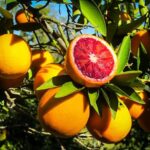
Blood Oranges and Cara Cara oranges continue attracting premium niche markets because of their distinctive internal colour, rich flavour, and nutritional value.
Grapefruits perform particularly well in warmer lowland regions and supply both fresh fruit and processing markets.
Tangerines and Minneola tangelos combine sweetness with attractive appearance, making them excellent choices for local fresh fruit markets.
Among lemons, Meyer Lemon remains highly sought after because of its sweeter flavour and thinner skin. Eureka Lemon and Lisbon Lemon dominate commercial fresh fruit production because of their vigorous growth and consistent productivity. Kaffir Lemon serves a different market altogether, with both leaves and fruits valued by restaurants, hotels, and food processors. Normal lemons continue providing reliable production across many parts of Kenya, while limes remain in strong demand for beverages, culinary use, and hospitality businesses.
Selecting the right variety should depend on altitude, rainfall, temperature, market demand, and long-term marketing plans rather than popularity alone.
Nutrient Management After Heavy Rainfall
Heavy rainfall influences more than soil moisture. It also affects nutrient availability.
Intense rains frequently wash soluble nutrients such as nitrogen and potassium beyond the reach of young feeder roots. Sandy soils experience nutrient leaching much faster than heavier volcanic soils, making balanced nutrition especially important after prolonged wet periods.
Farmers should avoid applying excessive fertilizer immediately after planting. Newly transplanted seedlings first require healthy root establishment before significant nutrient uptake begins.
Once vigorous new growth appears, nutrition should focus on balanced development rather than rapid vegetative growth alone. Well-decomposed manure improves soil structure while gradually releasing nutrients throughout the season. Balanced fertilizer programmes based on soil analysis produce healthier trees than routine blanket applications.
Micronutrients such as zinc, boron, magnesium, manganese, and iron also deserve attention because deficiencies become more noticeable after prolonged rainfall. Where necessary, carefully planned foliar nutrition helps restore healthy growth while the recovering root system continues developing beneath the soil.
Mulching Without Encouraging Disease
Mulching remains one of the best investments during orchard establishment, provided it is applied correctly.
Organic mulch conserves soil moisture, suppresses weeds, improves soil structure, moderates soil temperature, and gradually increases organic matter as it decomposes.
However, one common mistake destroys many young citrus trees.
Farmers often pile mulch directly against the stem.
This practice traps moisture around the lower trunk throughout the rainy season, creating ideal conditions for fungal diseases and stem decay.
Instead, spread mulch evenly around the drip zone while leaving a clear space of approximately 20 to 30 centimetres around the trunk. This simple adjustment allows the stem to remain dry while the surrounding soil benefits from moisture conservation and improved biological activity.
Common Mistakes Farmers Make
- Burying the graft union below the soil.
- Planting citrus in poorly drained depressions.
- Allowing mulch to touch the stem.
- Ignoring early yellowing after prolonged rainfall.
- Purchasing uncertified seedlings.
- Applying excessive nitrogen immediately after planting.
- Allowing weeds to compete with young citrus trees.
- Delaying drainage improvements until after flooding occurs.
Healthy citrus orchards are not established by chance. They are the result of careful planning, healthy certified seedlings, proper drainage, correct planting depth, balanced nutrition, and consistent management throughout the establishment period.
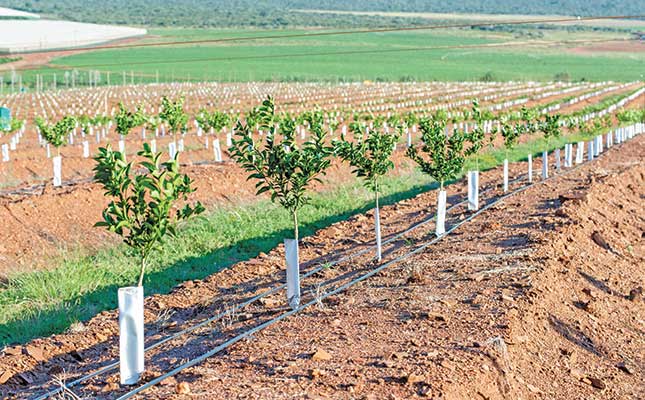
Orchard Engineering: Soil and Drainage Preparation for Heavy Rains
The quality of an orchard is determined long before the first harvest. While farmers often focus on seedlings, fertilizers, and pesticides, one factor quietly influences the success or failure of every fruit tree. That factor is drainage. During heavy rains, water becomes either one of the orchard’s greatest assets or its biggest threat. The difference depends entirely on how the land was prepared before planting.
Every fruit tree requires water, but no fruit tree tolerates prolonged waterlogging. Roots need oxygen as much as they need moisture. When rainwater remains around the root zone for several days, oxygen levels decline rapidly. Root growth slows, beneficial soil organisms become less active, and destructive pathogens begin multiplying. Once this process starts, even healthy seedlings struggle to recover.
Professional orchard establishment therefore begins with understanding how water moves across the farm. After a heavy rainfall, walk through the field and observe where water collects, how quickly it drains, and which areas remain saturated for several days. These simple observations provide valuable information before any planting holes are dug.
Farmers working on sloping land should never allow runoff water to flow directly through planting rows. Fast-moving water removes fertile topsoil, exposes roots, and creates gullies that become increasingly difficult to manage each rainy season. Instead, runoff should be redirected safely using well-planned drainage channels that carry excess water away from the orchard without causing erosion.
Raised planting beds and mounds remain one of the most effective solutions for areas experiencing prolonged rainfall. Elevating the root zone by even thirty to forty centimetres improves drainage significantly while allowing feeder roots to develop within well-aerated soil. This practice has helped many commercial fruit growers establish healthy orchards even on moderately heavy soils.
Contour planting offers another effective solution for gently sloping farms. Planting along the contour rather than directly up and down the slope slows runoff, encourages water infiltration, and reduces soil erosion during heavy storms. Combining contour planting with grass strips between rows further protects valuable topsoil while improving long-term soil health.
Surface drains should remain clean throughout the rainy season. Fallen leaves, weeds, and loose soil often block drainage channels, causing water to overflow into planting rows. Regular inspection after heavy rainfall allows farmers to correct small problems before they become expensive repairs.
Organic matter also contributes to better drainage over time. Incorporating well-decomposed manure, compost, and crop residues improves soil structure by increasing pore spaces through which water and air move. Healthy soils absorb rainfall more efficiently while remaining better aerated than compacted soils lacking organic matter.
Mulching should also form part of every orchard establishment programme. Properly applied mulch reduces soil erosion, suppresses weeds, moderates soil temperature, and protects the soil surface from the direct impact of heavy rain. However, mulch should never touch the stem or graft union because trapped moisture encourages fungal infections. Always leave a clear space around the trunk while spreading mulch evenly across the surrounding root zone.
Expert Tip
Every heavy rainfall provides an opportunity to evaluate your orchard. Instead of waiting until problems appear, inspect drainage channels, planting mounds, contour structures, and low-lying areas immediately after the rain. Small corrections made early often prevent major losses later.
High-Survival Orchard Establishment Checklist
Before planting your orchard, use this checklist to improve seedling survival and long-term productivity.
✅ Purchase certified grafted seedlings from reputable nurseries such as Farmers Trend Limited or other certified fruit seedling producers.
✅ Conduct a soil test before planting to determine soil pH and nutrient status.
✅ Select fruit varieties suited to your altitude, rainfall, and target market.
✅ Dig and prepare planting holes several weeks before planting.
✅ Incorporate well-decomposed farmyard manure into the topsoil.
✅ Improve drainage using raised beds, planting mounds, contour planting, or drainage channels where necessary.
✅ Never plant seedlings in waterlogged or poorly drained depressions.
✅ Ensure the graft union remains well above the final soil level.
✅ Apply mulch correctly without allowing it to touch the stem.
✅ Inspect young orchards regularly throughout the rainy season for drainage problems, pests, diseases, and nutrient deficiencies.
Fruit Tree Comparison Guide on Top Fruit Trees to Grow During Heavy Rains in Kenya
| Fruit Crop | Recommended Soil | Drainage Requirement | Ideal Planting Method | Major Rainy Season Risk | Recommended Spacing |
|---|---|---|---|---|---|
| Purple Passion Fruit | Well-drained loam, red volcanic soils | Very High | Raised mound with trellis | Collar rot, blight, poor air circulation | 2 m × 3 m |
| Sweet Yellow Passion Fruit | Fertile loam | Very High | Raised mound with trellis | Collar rot, fungal diseases | 2.5 m × 3 m |
| Tommy Atkins Mango | Sandy loam to clay loam | High | Raised planting hole | Anthracnose, root stress | 8 m × 8 m |
| Kent Mango | Well-drained loam | High | Raised planting hole | Anthracnose | 8 m × 8 m |
| Apple Mango | Fertile loam | High | Raised planting hole | Powdery mildew, root diseases | 8 m × 8 m |
| Pixie Orange | Sandy loam | Excellent | Raised bed | Foot rot | 5 m × 5 m |
| Washington Navel | Well-drained loam | Excellent | Raised bed | Root rot | 5 m × 5 m |
| Valencia Orange | Sandy loam | Excellent | Raised bed | Phytophthora | 5 m × 5 m |
| Blood Orange | Well-drained loam | Excellent | Raised bed | Root rot | 5 m × 5 m |
| Cara Cara Orange | Fertile loam | Excellent | Raised bed | Foot rot | 5 m × 5 m |
| Grapefruit | Sandy loam | Excellent | Raised bed | Root diseases | 6 m × 6 m |
| Tangerines | Well-drained loam | Excellent | Raised bed | Root rot | 5 m × 5 m |
| Minneola Tangelo | Fertile loam | Excellent | Raised bed | Phytophthora | 5 m × 5 m |
| Meyer Lemon | Sandy loam | Excellent | Raised bed | Foot rot | 5 m × 5 m |
| Eureka Lemon | Sandy loam | Excellent | Raised bed | Root rot | 5 m × 5 m |
| Lisbon Lemon | Well-drained loam | Excellent | Raised bed | Root diseases | 5 m × 5 m |
| Kaffir Lemon | Well-drained fertile soil | Excellent | Raised bed | Collar rot | 4 m × 4 m |
| Common Lemon | Sandy loam | Excellent | Raised bed | Foot rot | 5 m × 5 m |
| Lime | Sandy loam | Excellent | Raised bed | Root rot | 4 m × 4 m |
I would also expand the FAQ section to ten questions.
Frequently Asked Questions
1. Is the rainy season the best time to plant fruit trees in Kenya?
Yes. Planting at the beginning of the rainy season provides consistent soil moisture that encourages rapid root establishment while reducing irrigation costs. Success depends on proper drainage and healthy seedlings.
2. Which fruit trees establish best during heavy rains?
Passion fruit, grafted mangoes, oranges, Pixie oranges, Valencia oranges, Washington Navel oranges, Blood Oranges, Cara Cara oranges, grapefruits, lemons, tangerines, Minneola tangelos, and limes establish successfully when planted in well-drained soils using good orchard management practices.
3. How long should I wait after heavy rainfall before planting?
Wait until excess surface water has drained and the soil is moist rather than saturated. Planting in waterlogged soil reduces oxygen around the roots and slows establishment.
4. Should I water newly planted seedlings if rain is expected?
If adequate rainfall is forecast within a few hours and the soil already contains enough moisture, additional watering is unnecessary and may increase the risk of root diseases.
5. Why are certified grafted seedlings important?
Certified grafted seedlings produce uniform orchards, establish more quickly, reduce the risk of diseases, remain true to variety, and begin producing earlier than uncertified planting material.
6. How deep should I plant grafted fruit seedlings?
Plant seedlings at the same depth they were growing in the nursery. For citrus, always keep the graft union at least 15 to 20 centimetres above the final soil level.
7. Should I apply fertilizer immediately after planting?
Avoid heavy fertilizer applications immediately after transplanting. Allow the seedling to establish first, then begin a balanced nutrition programme based on soil analysis and crop requirements.
8. What type of mulch should I use around fruit trees?
Use well-decomposed organic materials such as dry grass, leaves, compost, or crop residues. Keep mulch at least 20 to 30 centimetres away from the trunk to reduce disease risk.
9. How do I know if my orchard has poor drainage?
If water remains around the planting holes for more than 24 hours after heavy rain, or the soil remains saturated for several days, drainage improvements such as raised beds, contour drains, or diversion channels are needed.
10. Where can I buy quality grafted fruit seedlings in Kenya?
Purchase seedlings from certified nurseries with a proven record of producing healthy planting material. Farmers Trend Limited and other reputable certified nurseries provide grafted fruit seedlings together with technical guidance on orchard establishment, spacing, planting, and management.
How Proper Drainage Improved Orchard Survival in Murang’a
Heavy rains do not affect every orchard in the same way. In many cases, neighboring farms receive exactly the same amount of rainfall but record completely different results. The difference often lies beneath the soil surface, where drainage determines whether roots receive enough oxygen to remain healthy. The following example illustrates how proper orchard preparation influences seedling survival during the establishment phase.
A fruit farmer in Murang’a County decided to establish a mixed orchard consisting of grafted Pixie oranges, Apple Mangoes, and Purple Passion Fruit at the onset of the long rains. Before planting, the farmer conducted a simple field assessment after a heavy downpour and noticed that sections of the farm retained water for several days because of the underlying clay-loam soil. Rather than planting immediately, he invested additional time preparing raised planting mounds approximately 35 cm high, shallow diversion drains along the upper side of the orchard, and grassed waterways to safely direct excess runoff away from the planting rows.
A neighboring farmer established a similar orchard during the same period but planted directly on flat ground. Although healthy seedlings were used, no drainage improvements were made because the field appeared dry before planting. After several weeks of continuous rainfall, water began collecting around many of the planting holes. Some seedlings remained partially submerged for several days, creating ideal conditions for root diseases.
Within two months, the difference between the two orchards became increasingly noticeable. The orchard planted on raised mounds continued producing vigorous new shoots, healthy leaves, and strong root development. Excess rainfall drained quickly from the elevated planting positions, allowing roots to remain well aerated throughout the wet season. Weed growth was easier to manage, and very few seedlings showed symptoms of stress.
The neighboring orchard experienced a different outcome. Several mango and citrus seedlings developed yellow leaves, reduced shoot growth, and poor vigor. A number of passion fruit vines showed symptoms of collar rot after prolonged exposure to saturated soils. Although fertilizers were applied in an attempt to improve growth, the damaged root systems struggled to absorb nutrients effectively. Several seedlings eventually required replacement before the following planting season.
The financial impact extended beyond the cost of purchasing replacement seedlings. Additional labour was required to remove dead trees, prepare new planting holes, transport fresh seedlings, and repeat the planting process. The replacement trees also lagged behind the original planting by several months, resulting in an uneven orchard that would flower and mature at different times.
This example demonstrates an important lesson for every fruit farmer. Healthy seedlings alone do not guarantee success during heavy rains. Proper drainage, careful site preparation, and sound orchard engineering protect the investment from the very first day after planting.
Comparison of the Two Orchard Establishment Approaches
| Management Practice | Orchard with Raised Mounds and Drainage | Orchard on Flat Ground |
|---|---|---|
| Surface drainage | Excellent | Poor |
| Waterlogging after heavy rain | Minimal | Frequent |
| Root aeration | Good | Limited |
| Seedling survival | Very high | Moderate to low |
| Disease pressure | Low | High |
| Replacement seedlings required | Very few | Several |
| Labour costs | Lower | Higher |
| Orchard uniformity | Excellent | Uneven growth |
| Time to first commercial harvest | Faster | Delayed |
Key Lesson
Proper drainage is one of the highest-return investments a farmer makes during orchard establishment. A few days spent preparing drainage systems before planting often prevent years of unnecessary losses caused by root diseases and poor seedling survival.
Common Mistakes That Cost Fruit Farmers Thousands of Shillings
Many orchard failures do not result from poor weather or inferior varieties. They begin with small management decisions made during land preparation and planting. These mistakes often appear insignificant at first, yet they reduce seedling survival, delay fruit production, increase labour costs, and lower long-term profitability. Fortunately, every one of them is preventable through proper planning and adherence to recommended agronomic practices.
The table below highlights some of the most common mistakes observed in newly established fruit orchards across Kenya and the practical steps farmers should take to avoid them.
| Common Mistake | Consequence | Recommended Solution |
|---|---|---|
| Purchasing uncertified seedlings from unreliable sources | Poor survival, incorrect varieties, disease introduction and uneven orchard growth | Purchase certified grafted seedlings from reputable nurseries such as Farmers Trend Limited or other certified fruit seedling producers |
| Planting in poorly drained soils | Root rot, foot rot, stunted growth and seedling death | Construct raised beds, mounds or drainage channels before planting |
| Ignoring soil testing | Poor nutrient availability, incorrect fertilizer use and slow growth | Conduct a soil analysis before orchard establishment |
| Planting seedlings too deeply | Stem decay, buried graft unions and reduced tree vigor | Plant at the original nursery soil level and keep the graft union above the soil |
| Applying fresh manure directly into planting holes | Root burn, poor establishment and disease problems | Use only well-decomposed farmyard manure thoroughly mixed with topsoil |
| Allowing mulch to touch the trunk | Increased risk of collar rot and fungal infections | Leave a 20 to 30 cm mulch-free ring around the stem |
| Delaying weed control | Competition for nutrients, moisture and sunlight | Maintain a clean weed-free area around each seedling |
| Applying excessive nitrogen immediately after planting | Weak, succulent growth that is highly susceptible to disease | Focus on root establishment before introducing a balanced fertilizer program |
| Neglecting drainage maintenance after heavy rains | Flooding around seedlings and erosion of fertile topsoil | Inspect and clear drainage channels after every major rainfall event |
| Planting without considering spacing | Poor air circulation, higher disease pressure and difficult orchard management | Follow recommended spacing for each fruit crop |
| Failing to inspect seedlings before purchase | Introduction of weak, root-bound or diseased planting material | Carefully inspect leaves, stems, roots and graft unions before buying |
| Waiting until diseases become severe before taking action | Higher control costs and permanent yield losses | Scout orchards regularly and respond to problems early |
| Selecting varieties unsuited to the local climate | Poor growth, reduced flowering and lower yields | Choose varieties recommended for your altitude, rainfall and target market |
| Poor transportation of seedlings | Broken stems, damaged roots and transplant shock | Transport seedlings upright, shaded and plant them as soon as possible |
| Ignoring professional advice during establishment | Costly management mistakes that persist for years | Seek guidance from experienced agronomists and reputable nurseries before planting |
Remember
The cost of preventing orchard problems is almost always lower than the cost of correcting them after planting. Investing time in proper planning, drainage improvement, healthy certified seedlings, and good agronomic practices protects your orchard and increases the likelihood of profitable harvests for many years.
Conclusion on the best fruit trees to grow during heavy rains in Kenya
Heavy rains should not discourage farmers from establishing fruit orchards. When managed properly, the rainy season offers some of the best conditions for planting because natural rainfall encourages rapid root development, reduces irrigation costs, and supports vigorous early growth. The difference between a thriving orchard and one that struggles is rarely the amount of rainfall received. More often, it is the quality of preparation before the first seedling enters the ground.
Every successful orchard begins with healthy certified planting material, proper site selection, and careful soil preparation. Investing in quality grafted seedlings from reputable nurseries such as Farmers Trend Limited and other certified fruit seedling producers gives farmers a strong foundation for long-term success. Combining these seedlings with well-prepared planting holes, effective drainage systems, balanced nutrition, and regular field monitoring greatly improves survival rates during seasons of heavy rainfall.
Whether you plan to establish a commercial passion fruit vineyard in Kakamega, a mango orchard in Machakos, a citrus farm in Makueni, or a mixed fruit enterprise in Murang’a, Meru, Embu, or any other part of Kenya, the principles remain the same. Healthy roots produce healthy trees, healthy trees produce quality fruit, and quality fruit creates profitable farming businesses.
Fruit farming is a long-term investment. Every decision made during establishment influences production for many years. Taking time to prepare the land properly, selecting the right varieties, improving drainage, and following sound agronomic practices will reward you with healthier orchards, lower replacement costs, and higher returns season after season.
If you are planning to establish a fruit orchard and need certified grafted seedlings or professional guidance on variety selection, orchard design, spacing, planting, and management, consult experienced fruit production specialists before planting begins. The right advice at the beginning often prevents costly mistakes later.
Have you established a fruit orchard during the rainy season? Share your experience, challenges, or questions in the comments below. Your experience could help another farmer build a healthier and more productive orchard.
https://farmerstrend.co.ke/fruits/top-fruit-trees-to-grow-during-heavy-rains-in-kenya/https://farmerstrend.co.ke/wp-content/uploads/2026/07/Top-Fruit-Trees-to-Grow-During-Heavy-Rains-in-Kenya-Complete-Guide-to-Establishing-High-Survival-Passion-Fruit-Mango-and-Citrus-Orchards-1024x1024.pnghttps://farmerstrend.co.ke/wp-content/uploads/2026/07/Top-Fruit-Trees-to-Grow-During-Heavy-Rains-in-Kenya-Complete-Guide-to-Establishing-High-Survival-Passion-Fruit-Mango-and-Citrus-Orchards-150x150.pngFruits# TrendingApple mango Kenya,best fruit trees to plant during rainy season,Blood Orange Kenya,Cara Cara oranges,certified fruit seedlings Kenya,citrus farming Kenya,citrus foot rot,citrus tree drainage,commercial fruit farming Kenya,contour planting Kenya,El Niño fruit farming,establishing mango orchards,Eureka Lemon Kenya,Farmer's Trend Nursery,Farmers Trend Limited,fruit farming guide Kenya,fruit farming Kenya,fruit orchard management,fruit seedling survival,fruit seedlings for sale Kenya,fruit tree farming guide,fruit tree planting guide Kenya,fruit tree spacing Kenya,fruit tree transplanting,fruit trees to grow during heavy rains in Kenya,grafted citrus seedlings,grafted fruit seedlings Kenya,grafted mango seedlings,grapefruit farming Kenya,growing passion fruit in rainy season,high survival fruit seedlings,Kaffir Lemon Kenya,Kent mango,KEPHIS certified seedlings,lemon farming Kenya,lime farming Kenya,Lisbon Lemon Kenya,mango farming Kenya,Meyer Lemon kenya,Minneola tangelo Kenya,orchard drainage systems,orchard establishment Kenya,orchard management practices,orchard mulching,orchard planning Kenya,orchard soil preparation,passion fruit farming Kenya,passion fruit seedlings Kenya,Phytophthora citrus Kenya,Pixie orange farming,profitable fruit farming Kenya,purple passion fruit,raised beds for fruit trees,root rot prevention,soil moisture management,sweet yellow passion fruit,tangerine farming Kenya,Tommy Atkins mango,top fruit trees heavy rains Kenya,Valencia oranges Kenya,Washington Navel orangesLearn the best fruit trees to grow during heavy rains in Kenya. Discover expert tips on planting passion fruit, mangoes, citrus, orchard drainage, certified seedlings, and improving orchard survival.Top Fruit Trees to Grow During Heavy Rains in Kenya: Complete Guide to Establishing High-Survival Passion Fruit, Mango and Citrus Orchards Planting...FarmersTrendjohn doefarmerstrend@gmail.comAdministratorFarmers Trend Ltd.





Leave a Reply