Kakuzi Profit Plunge: Bad News for Avocado Farmers as Profit Falls 98 Percent
The Kakuzi profit plunge changes the risk picture for Kenya’s avocado farmers. Kakuzi PLC reported net profit of KSh 7.11 million for the six months to 30 June 2026. The same period in 2025 produced KSh 295.44 million. Net profit fell 97.6 percent, close to 98 percent.
You might ask why a listed company’s results matter on your farm. Exporters buy fruit from smallholders. The Standard reported in 2020 Kakuzi had contracted at least 3,000 outgrowers across Murang’a, Nyeri, Kirinyaga and Kiambu. When an exporter earns less, buyers change what they pay and what they promise. Your price, your payment date and your market access depend on those choices.
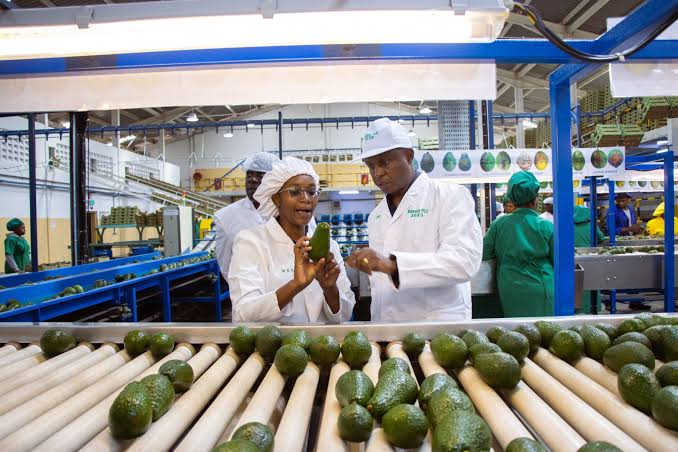
This guide explains the Kakuzi profit plunge in plain terms. You will see the numbers, the causes and the risks for your orchard. You will also get a clear plan for the next 12 months.
Kakuzi Profit Plunge: The Numbers Behind the Headline
Kakuzi published unaudited results for the six months to 30 June 2026. Kenyan Wall Street, The Standard and Khusoko reported the figures. Read each number. Each one points to a different pressure on avocado returns.
Kakuzi Profit Plunge in the Half-Year Results
Profit before tax fell to KSh 10.4 million from KSh 435.2 million. Net profit fell to KSh 7.11 million from KSh 295.44 million. Sales dropped 26 percent to KSh 1.12 billion. Gross profit fell 82.5 percent to KSh 114.48 million.
Kakuzi moved to an operating loss of KSh 26.55 million. A year earlier, the company earned an operating profit of KSh 396.85 million. Kenyan Wall Street called the result one of the weakest first-half performances in more than two decades.
Avocado Segment Profit Falls 45.3 Percent
Avocado segment operating profit fell 45.3 percent to KSh 215.9 million. The prior-year figure was KSh 394.9 million. The drop equals KSh 179 million.
Avocado stayed profitable. Avocado also stayed the largest profit earner among the segments in the reports. Forestry earned KSh 73.33 million. Macadamia earned KSh 68.2 million. Blueberry earned KSh 15.1 million.
Kenyan Wall Street linked the avocado drop to lower crop volumes and difficult export conditions. Take this detail seriously. Volume matters as much as price.
Macadamia Fell Further Than Avocado
Macadamia operating profit fell to KSh 68.2 million from KSh 318.8 million. The drop is KSh 250.6 million, or about 79 percent.
Add the two drops. Avocado lost KSh 179 million. Macadamia lost KSh 250.6 million. Together, the two crops lost about KSh 430 million. Operating profit swung by KSh 423.4 million. Forestry and blueberries offset a small part of the loss.
The Kakuzi profit plunge does not mean avocado collapsed. Avocado profit nearly halved. Macadamia delivered most of the damage. Keep this fact in mind when you read headlines.
Cash, Spending and the Profit Warning
Cash and bank balances fell 69.2 percent to KSh 274.6 million from KSh 890.3 million. Capital spending rose more than fourfold to KSh 240.13 million.
Kakuzi issued a profit warning with the results. Chairman Nicholas Ng’ang’a said the board expects full-year net earnings at least 25 percent below the KSh 387.5 million reported for 2025. The company cited exceptionally dry farm conditions at the end of 2025, the Middle East conflict and a softer macadamia market.
Forestry profit rose 70.9 percent to KSh 73.33 million. Blueberry profit rose from KSh 13.4 million to KSh 15.1 million. Kakuzi is expanding blueberries and exploring China, India and longer-life avocado markets.
Kakuzi Profit Plunge Compared With Earlier Half-Years
Kenyan Wall Street listed Kakuzi half-year profit after tax for earlier years. The figure stood at KSh 341.27 million in 2022 and KSh 117.50 million in 2023. The figure reached KSh 347.51 million in 2024 and about KSh 295 million in 2025. The 2026 figure of KSh 7.11 million sits far below every one of those years.
Full-year 2025 gives more context. Revenue rose 12 percent to KSh 5.37 billion. Profit after tax reached KSh 387.5 million. Shareholders received KSh 16 per share, double the 2024 payout.
The 2023 half-year shows earnings swing between periods. A weak half does not set a full-year result alone. Kakuzi’s own warning points to a weak full year, so plan for lower returns until the company reports otherwise.
What Caused the Kakuzi Profit Plunge
Four forces drove the result. You face some of the same forces on your farm. Read each one and note which touches your orchard.
Global Avocado Oversupply Pressures Prices
Kakuzi said the global avocado market stayed well supplied through the second half of the period. More fruit competed for the same buyers. Prices came under pressure.
Kenyan exporters compete with producers such as Chile and South Africa. Kenya’s own output also grows. FAS Nairobi forecasts production at 727,000 metric tons in 2026, up 4.8 percent from 694,000 metric tons in 2025.
More supply gives buyers more choice. Buyers use this choice to pay less for weak fruit.
Middle East Conflict Disrupts Shipping
Kakuzi cited disruption of shipping routes linked to the Middle East conflict. The Standard tied the disruption to the US-Iran war. Longer routes add days in transit.
Hass fruit needs steady cold storage. More days raise cost and quality risk. Exporters pay these costs first. Expect exporters to protect their margin when they set the price for your fruit.
Dry Conditions Cut Crop Volumes
Ng’ang’a cited exceptionally dry farm conditions at the end of 2025. Lower crop volumes followed. Orchard and packhouse costs do not fall when volume falls. Each fruit then carries more cost.
You see the same effect on a small farm. Irrigation, labour and spraying costs stay when your trees drop fruit.
A Weaker Macadamia Market
Macadamia faced rising global supply and weaker demand. This hit Kakuzi harder than avocado. If you grow macadamia with avocado, review your macadamia buyer terms now.
Why the Kakuzi Profit Plunge Matters to Smallholder Avocado Farmers
Smallholders produce about 70 percent of Kenya’s avocados, according to an IFPRI study. Exporters depend on your fruit. You depend on exporters for the market. A weak exporter result tests this relationship.
Kakuzi Buys Fruit From Smallholders
The Standard reported in 2020 Kakuzi had contracted at least 3,000 outgrowers. Those farmers sold in Murang’a, Nyeri, Kirinyaga and Kiambu. Kakuzi also bought from farmers in Machakos, Kitui and Makueni. Fruit moved to the Makuyu packhouse for grading, packing and export.
IFPRI named Kakuzi among five major avocado exporters. The study said these companies source primarily from smallholder farmers.
The 2020 report also compared prices. Kakuzi paid at least KSh 35 per fruit. Other buyers and brokers offered KSh 8 to KSh 15. Kakuzi added a second payment on cumulative season supplies when markets improved. These terms date from 2020. Ask your current buyer for today’s terms in writing.
What the Price Gap Means for Your Income
Take a farmer with 50 Hass trees. A Nation report in January 2026 put a healthy tree at 350 to 500 fruits per season. Use the low end. Fifty trees give 17,500 fruits.
At KSh 15 per fruit, income is KSh 262,500. At KSh 35 per fruit, income is KSh 612,500. The gap is KSh 350,000.
This example uses the 2020 price gap. Replace the prices with your own quotes. Then you see what a price change costs you.
Second Payments Carry the Most Risk
A second payment depends on export returns. Lower returns shrink the pool. Ask your buyer how the 2026 second payment will work. Ask when you will receive the money. Plan your cash without counting on the payment until you hold the agreement in writing.
The 2021 Precedent for Smallholder Avocado Farmers
Nation reported Kakuzi profit for 2021 fell 48.6 percent to KSh 319.7 million. Avocado profit fell 69.6 percent. UK supermarkets had suspended Kakuzi Hass avocados from October 2020 after human rights allegations against Kakuzi security guards.
Outgrowers told The Standard in 2020 they feared a price drop. The lesson applies to you. When one exporter loses a market, the farmers who sell to the exporter carry risk.
Kenya Avocado Sector Facts After the Kakuzi Profit Plunge
Use these facts to place the Kakuzi profit plunge in context.
Production, Exports and Smallholder Share
FAS Nairobi calls Kenya Africa’s leading avocado producer and the top avocado exporter by volume in 2025. The same report forecasts exports to rise about 7.4 percent in 2026 after exports resumed and new markets opened.
An IFPRI study found Kenya exported about 10 percent of avocado production. Chile exported 55 percent and South Africa exported 60 percent. Most Kenyan fruit sells locally.
The same study found export participation raised smallholder incomes by nearly 39 percent. Farmers who exported also lived near an organised farmer group.
Murang’a, Hass and Post-Harvest Losses
A 2025 study surveyed 187 avocado farmers in Murang’a County. Hass accounted for about 70 percent of avocados grown in the county. The study flagged post-harvest losses as a main challenge. The authors recommended credit access, support for older farmers and better post-harvest practices.
You control post-harvest handling on your farm. Your buyer controls the export price. Start with the part you control.
Local Demand Absorbs Part of the Crop
FAS Nairobi estimates Kenyans eat about six kilograms of avocado per person each year. Local markets take fruit exporters reject. Local prices run lower than export prices. Plan for both routes.
What Smallholder Avocado Farmers Should Do After the Kakuzi Profit Plunge
Act now. The profit warning covers the full year. The weak conditions Kakuzi described might continue through December. Use the steps below to protect your income.
Confirm Your Buyer Terms in Writing
Ask your buyer five questions. What price per fruit or per kilogram applies this season? Which size and quality grades apply? When do you get paid? Will a second payment follow? What happens to rejected fruit?
Write the answers down. Keep copies of delivery notes. Contract terms from 2020 do not protect you in 2026.
Cut Cost Without Cutting Yield
Your price is not in your hands. Your cost is. Review each cost line.
Review Your Spray Programme
Spray on scouting results, not on the calendar. Check trees weekly for pests and disease signs. Buy only what you need. Follow label rates and waiting periods. Export buyers set residue limits. Spraying outside the label risks rejection.
Use Water Efficiently
Dry conditions cut Kakuzi volumes. Mulch around the trunk. Water at the root zone. Fix leaks. Avoid waterlogging, because standing water causes root rot.
Track Your Cost Per Fruit
Record labour, inputs, transport and packing. Divide total cost by total fruit sold. You then know your break-even price. Sell below this price and you lose money on each fruit.
Protect Fruit Quality at Harvest
Export buyers reject weak fruit first when supply is high. Quality keeps your fruit in the queue.
Pick at the Right Maturity
Exporters test maturity. A Nation report gave a harvest guide of dark green skin and moisture content below 77 percent. Ask your buyer for the exact standard. Do not pick early to chase cash. Immature fruit fails the test and loses value.
Handle Fruit Gently After Picking
Use clean crates. Keep fruit in shade. Never drop fruit into a crate or onto the ground. Deliver the same day. Bruises and heat damage lower the grade.
Spread Sales Across More Than One Buyer
Sell part of your crop to an exporter or the exporter’s agent. Sell part to a processor. Sell part in the local market. This spreads risk across three prices.
Processors buy fruit exporters reject. A Murang’a processor reported buying avocados at KSh 15 per kilogram in 2025. The Star also reported Murang’a contract arrangements raised prices to as much as KSh 70 per kilogram. Check current rates, because both figures date from 2025.
Join a Farmer Group
IFPRI found exporting farmers lived near functioning groups. A group pools volume. A group shares transport costs. A group gives you a stronger voice with buyers.
Start with four steps. Register the group. Keep meeting records. Grade fruit together. Pick one member to lead buyer talks.
Track Price Signals Every Week
Prices move before news reports do. Build a simple weekly record. Ask two neighbours what brokers offered this week. Ask your group what exporters paid. Note the grade and the size for each price. Write the date beside each entry.
Compare the record with your cost per fruit. If offers fall below your cost, hold the discussion with your buyer before you harvest, not after. Fruit stays on the tree for a limited time once mature, so know your harvest window and your options early.
Use your record in group talks. A written price history gives your group facts. Facts move a negotiation faster than complaints.
Plan Cash for a Weak Season
List your fixed costs for the next six months. Set aside money for them first. Delay non-essential purchases. Avoid borrowing against a second payment you do not hold in writing. Talk to your SACCO early if you expect a gap.
Here is a simple example. Say your fixed costs for six months total KSh 120,000. List labour, water, transport, school fees and loan repayments. Divide by six. You need KSh 20,000 each month before you spend on anything else. Compare this number with your expected sales. If sales fall short, cut spending or find extra income before the gap arrives. This example uses made-up costs. Use your own.
Risks to Watch After the Kakuzi Profit Plunge
Watch four risks through December.
Price pressure comes first. Global oversupply continues to weigh on the market, and Kakuzi expects weak full-year earnings. Compare each offer with your cost per fruit.
Payment risk comes second. A smaller second payment cuts your annual income. Ask for dates and amounts.
Shipping risk comes third. Route disruption raises cost for exporters. Delays also raise the chance of fruit rejection at destination.
Weather risk comes fourth. Dry spells cut volumes at Kakuzi. They cut yields on your farm too. Mulch, water carefully and record rainfall.
Opportunities for Smallholder Avocado Farmers After the Kakuzi Profit Plunge
A weak exporter result still leaves openings.
New Export Markets
Kakuzi is exploring China, India and longer-life avocado markets. FAS Nairobi points to new markets opening for Kenyan exports. New markets favour farmers who meet quality and traceability standards. Keep spray records and harvest dates.
Processing and Value Addition
Processors turn fruit into oil and other products. They buy volume. They accept more grades than exporters do. Ask a processor near you about grade requirements and payment terms. Use this route for fruit your exporter rejects.
Local and Urban Markets
Local demand continues. Nairobi and other urban centres pay more than rural stalls. Sell directly to traders, hotels and retailers if you hold good fruit and a reliable transport option. Agree price and payment terms before you deliver.
Should You Plant More Avocado After the Kakuzi Profit Plunge?
Do not decide on one weak half-year. Do not decide on one strong season either. Avocado trees produce for many years, so your decision needs a long view.
A Nation report said Hass starts fruiting two and a half to three years after planting under good practice. If you plant this month, first fruit arrives between April and October 2029. Today’s price will not set your price then. Your costs, your water supply and your buyer relationships will.
Use four checks before you plant. First, confirm drainage, because waterlogged soil causes root rot. Second, confirm a reliable water source for dry months. Third, confirm a buyer for your fruit in writing. Fourth, calculate your cost per fruit for the first five years. Avoid loans for expansion until these four checks pass.
Buy certified grafted Hass seedlings from Farmers Trend nursery in Murang’a or Nairobi. You can reach out via Call or WhatsApp: 0724 559 286 | 0790 509 684 or Email: info@farmerstrend.co.ke
you are able to visit. Ask for the batch source and graft details. Cheap seedlings of unknown origin carry risks you cannot see for years.
What to Watch in the Next Kakuzi Announcement
Kakuzi will publish full-year 2026 results after the year ends. Read the statement with five questions in mind.
First, check avocado volumes. Lower volumes cut half-year profit. A recovery in volume tells you the dry spell has eased.
Second, check avocado pricing language. Look for words on oversupply and on export prices. These words signal the pressure on your farm-gate offer.
Third, check shipping comments. Kakuzi named route disruption as a cost driver. A statement on normal routes lowers risk for exporters and for you.
Fourth, check market access. Kakuzi is exploring China, India and longer-life avocado markets. News of confirmed shipments means more demand for graded fruit.
Fifth, check the outgrower comments. Look for any change in the number of outgrowers, collection points or payment terms. Compare these with your own agreement.
Share what you find with your group. One farmer reading the statement helps ten farmers plan.
Frequently Asked Questions About the Kakuzi Profit Plunge
How much did Kakuzi profit fall?
Net profit fell 97.6 percent to KSh 7.11 million for the six months to 30 June 2026. The same period in 2025 produced KSh 295.44 million.
What caused the Kakuzi profit plunge?
Kakuzi named global avocado oversupply, shipping disruption from the Middle East conflict, dry farm conditions and lower volumes, and a softer macadamia market.
Will avocado farm-gate prices fall because of the Kakuzi profit plunge?
The reports do not publish 2026 farm-gate prices. Pressure on exporter returns tends to reach farmers through offers and second payments. Confirm your price with your buyer.
Did Kakuzi stop buying avocados from smallholder farmers?
The reports reviewed do not say so. Ask Kakuzi or your supply agent for current buying terms.
Does the profit warning cover the full year?
Yes. The board expects full-year 2026 net earnings at least 25 percent below the KSh 387.5 million reported for 2025.
Should I uproot my avocado trees after the Kakuzi profit plunge?
No. One weak half-year does not support removing trees. Calculate your cost per fruit, improve fruit quality and add a second buyer first.
Which markets might help avocado farmers after the Kakuzi profit plunge?
Kakuzi is exploring China, India and longer-life avocado markets. Processors and local urban buyers also take fruit. Meet quality standards to reach any of them.
Next Steps After the Kakuzi Profit Plunge
Take these steps this week. Each step costs little and protects your income.
Call your buyer and confirm price, grades, payment dates and second payment terms. Calculate your cost per fruit. Check your trees for pests and water stress. Pick at the correct maturity and handle fruit with care. Contact two other buyers, such as a processor and a local trader. Join or form a farmer group.
Share this guide with your farmer group and your local extension officer. Ask your county agriculture office about training on grading, post-harvest handling and group marketing. Small gains in quality and organisation add up across a season. Farmers who prepare now enter the next price cycle with records, buyers and cash in place.
The Kakuzi profit plunge tells you export returns fall quickly. Your response decides how much of the fall reaches your income.
https://farmerstrend.co.ke/trending/kakuzi-profit-plunge-in-2026-guide/https://farmerstrend.co.ke/wp-content/uploads/2026/10/images-2026-10-01T123711.768.jpghttps://farmerstrend.co.ke/wp-content/uploads/2026/10/images-2026-10-01T123711.768-150x150.jpg# TrendingCropsFruitsIn cropsIn Fruitsagribusiness Kenya.,avocado cost per fruit,avocado export Kenya,avocado exporters Kenya,avocado farm gate prices,avocado farmer groups,avocado farming in kenya,avocado market access,avocado market Kenya,avocado outgrowers,avocado oversupply,avocado post-harvest handling,avocado prices Kenya 2026,avocado second payment,China avocado market,global avocado prices,hass avocado kenya,Hass avocado prices Kenya,India Avocado Market,Kakuzi avocado,Kakuzi half-year results 2026,Kakuzi macadamia,Kakuzi news,Kakuzi outgrowers,kakuzi plc,Kakuzi profit warning,Kakuzi share price,Kenya agriculture news 2026,Kenya horticulture exports,Makuyu packhouse,Middle East conflict shipping,Murang’a avocado farmers,NSE listed agribusiness,smallholder avocado farmers,smallholder avocado farmers KenyaThe Kakuzi profit plunge changes the risk picture for Kenya's avocado farmers. Kakuzi PLC reported net profit of KSh 7.11 million for the six months to 30 June 2026. The same period in 2025 produced KSh 295.44 million. Net profit fell 97.6 percent, close to 98 percent.You might ask...FarmersTrendjohn doefarmerstrend@gmail.comAdministratorFarmers Trend Ltd.




Leave a Reply