Hass Avocado Farming Kenya Advantage 2026 Guide: Sh14,000 Per Tree, Government Support, and Export Markets
Kenya’s Hass avocado sector is experiencing an unprecedented transformation. The government has launched aggressive expansion campaigns, international markets are opening up, and farmers are switching from traditional crops to avocados. Hass avocado farming Kenya is creating new opportunities for farmers across the country.
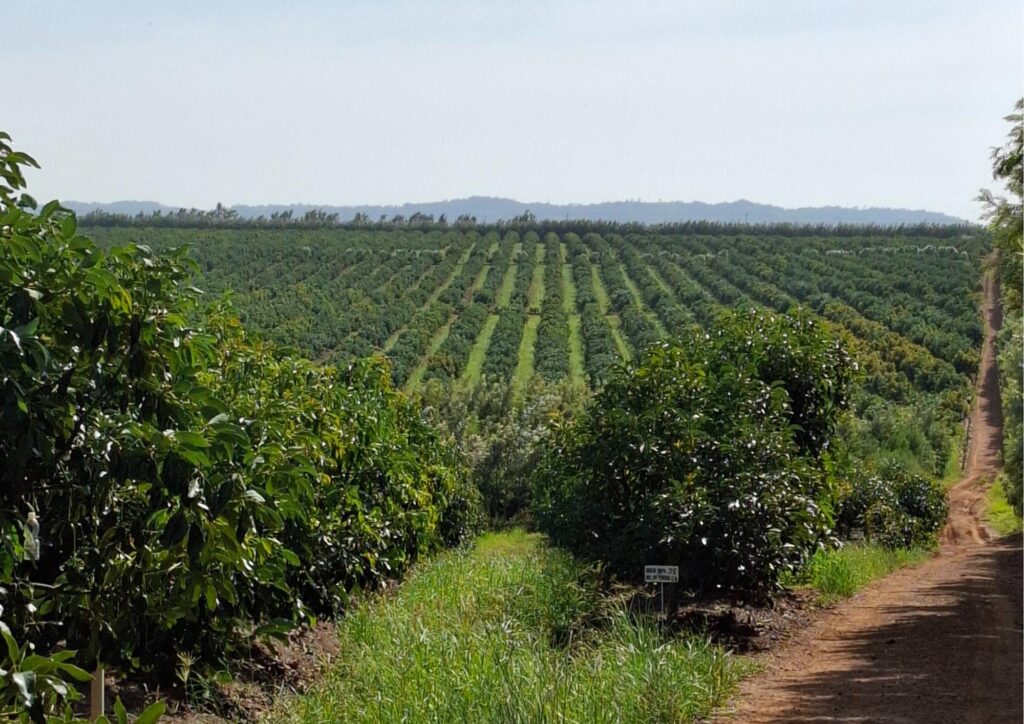 This guide covers everything you need to know about Hass avocado farming Kenya. You will learn about profitability, government support, and export market access. With proper management, a well-established Hass avocado orchard can generate income for 40 to 50 years.
Key Takeaways: Why Hass Avocado Farming Kenya is a Lucrative Opportunity
Hass avocado farming Kenya offers premium returns. Farmers who grow Hass earn over twice as much as those growing Fuerte, Keitt, or Pinkerton varieties. With Hass avocado farming Kenya, a single well-managed tree can generate up to Sh14,000 annually after five years. Exporting to the European Union can increase farmer income by up to 39%, making Hass avocado farming Kenya a highly profitable venture.
The National Government, in collaboration with county governments, has distributed 42,000 grafted Hass avocado seedlings in Migori County to boost Hass avocado farming Kenya. China has reduced import levies from 30% to 7%, creating a major new market opportunity for Hass avocado farming Kenya. This means farmers engaged in Hass avocado farming Kenya can access the world’s second-largest economy with competitive pricing.
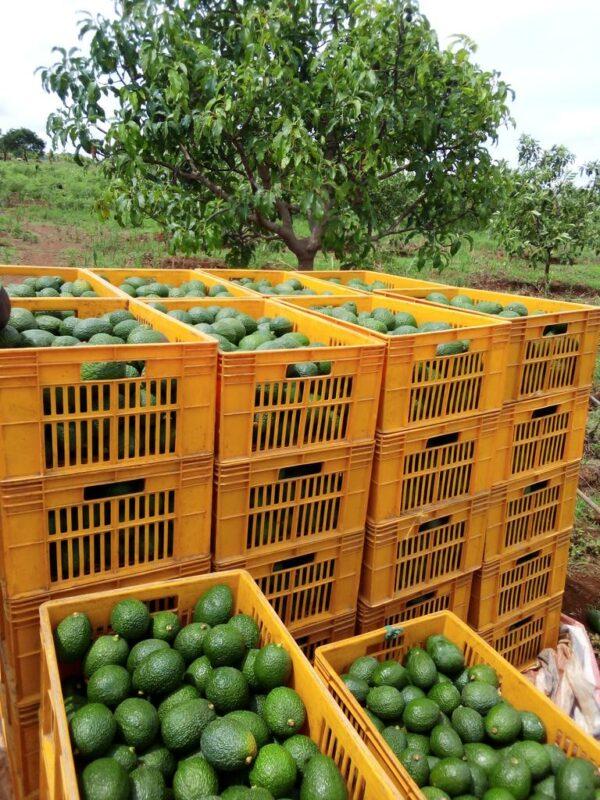
Hass avocado farming Kenya supports over 3 million livelihoods directly and indirectly, with potential to scale to over 10 million. The sector is a critical driver of rural employment. For successful Hass avocado farming Kenya, trees thrive at altitudes of 1,500 to 2,100 metres above sea level, with soil pH of 5.5 to 6.5. These conditions are ideal for maximizing yields in Hass avocado farming Kenya.
Why Hass Avocado Is the Most Profitable Variety
Hass avocado farming Kenya offers premium returns compared to other varieties. The numbers speak for themselves. Hass farmers earn over two times more than farmers growing Fuerte, Keitt, or Pinkerton varieties. Hass commands Sh10-17 per fruit compared to Sh3 for Fuerte. This price advantage is driven by the variety’s high oil content, longer shelf life, and strong demand in export markets.
Hass avocado farming Kenya has become a major driver of rural livelihoods. Approximately 80% of Kenya’s avocado farmers are smallholder producers. Nearly 50% of the total value generated by exports returns to rural communities, meaning that of the KES 25 billion generated in 2025, between KES 12.5 billion and KES 13 billion flowed directly to farming families. This dynamic makes Hass avocado farming Kenya a primary source of employment and income in producing areas.
Income Potential Per Tree
A well-managed Hass avocado tree can generate up to Sh14,000 annually after five years. This represents a significant income stream for smallholder farmers. Unlike tea or coffee, avocados are not labor-intensive, making them a suitable investment. In Migori County, farmers received 42,000 grafted Hass avocado seedlings from the government. If properly managed, each avocado tree could generate up to Sh10,000 annually after five years.
Retired teachers in Teso, Busia County, have embraced Hass avocado farming Kenya as a retirement income strategy. According to trainers Collins Otiende and John Kipchumba, the trees mature in two years and can yield up to Sh14,000 annually per tree, with a 50×100 plot accommodating 20 trees and an acre hosting up to 160.
Yield Potential
Grafted Hass avocados take 3-4 years to flourish and can bear 1,000 fruits per tree per year. At four years of age, Hass trees have the potential to produce between 200 and 500 fruits each. With proper management, yields can reach 400 kilograms per tree. In Maragua Ridge, over 500 farmers received 10,000 avocado seedlings and training. One avocado tree can produce up to 400 kilograms of fruit per season, and from these seedlings, expected returns are not less than Sh140 million within five years.
Export Revenue
Kenya exported approximately 110,000 metric tons of avocados in the 2024-2025 period, valued at over KES 25 billion (US$190 million). Export revenues are forecast to hit KES 25.4 billion (US$170 million) in 2026, supported by a 22% increase in production and expanded market access. This creates significant opportunities for Hass avocado farming Kenya. Kenya remains Africa’s leading avocado exporter and ranked tenth worldwide.
Government Support for Hass Avocado Farmers
The Kenyan government has implemented multiple initiatives to support Hass avocado farming Kenya. These programs provide seedlings, training, and market access to farmers across the country.
Seedling Distribution Programs
42,000 Seedlings for Migori Farmers
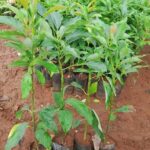
The National Government, in collaboration with the Migori County Government, distributed 42,000 grafted Hass avocado seedlings to farmers across Migori county. This move aims at boosting household incomes, expanding export-oriented agriculture and supporting the government’s 15 billion trees growing initiative . Each seedling costs approximately Sh444, translating to nearly Sh20 million invested by the government in the project. Each farmer would receive ten grafted avocado seedlings and farmers had already undergone training by crop officers on proper planting, management and access to extension services.
Migori County Executive Committee Member for Agriculture, Lucas Mosenda, said avocado farming had become one of Kenya’s major export opportunities. He observed that Migori currently has about 300 acres under avocado farming, with an estimated 600 to 700 farmers actively practicing the crop across the county. The official regretted that most farmers still grow traditional avocado varieties which fetch lower returns and have limited export value. “Unfortunately, most farmers have been growing the local varieties which are important but have low market value internationally. Hass avocado targets the export market and offers better returns to farmers,” he explained.
Samson Ochieng Migeni, a farmer from God Jope Ward in Suna East Sub County, welcomed the initiative, saying avocado farming had transformed livelihoods in the area. He stated that Suna East currently produces over 213 tonnes of avocados weekly, most of which are transported to Nairobi for oil processing, while grafted varieties are destined for export markets. He observed that the international avocado market continues to expand, noting that countries such as China and India had reduced import levies on Kenyan avocados, creating huge opportunities for local farmers.
One Million Tree Campaign in Meru
The Principal Secretary for Forestry, Gitonga Mugambi, launched a campaign in Mitunguu/Nkuene Sub-County in Meru County to encourage residents to plant one million avocado trees. He distributed 3,000 avocado seedlings to farmers in Uruku and Ukuu locations as a starting point. “We want avocado farming to create more wealth for our farmers. When President Ruto and I visited China and Japan, we secured access to huge markets for our produce. We now need to increase production to take advantage of those opportunities,” said Mugambi.
Maragua Ridge Initiative
Months after residents of the arid yet agriculturally rich Maragua Ridge gained access to irrigation water through a national government initiative, farmers received another major boost to improve food security. Over 500 farmers were provided with 10,000 avocado seedlings and maize seeds. Agricultural experts trained them on sustainable and profitable avocado farming techniques.
Murang’a County Woman Representative Betty Maina emphasized that the initiative aims to enhance food security and create long-term income opportunities. “With proper care, a single avocado tree can earn a farmer up to Sh5,000 annually. Unlike tea or coffee, avocados are not labor-intensive, making them a suitable investment,” she said.
Agricultural expert Mburu Ngigi advised farmers to nurture the trees carefully, noting that the first harvest is expected within 18 to 24 months. The Hass avocado variety distributed is smaller than ordinary avocados, ripens slowly, but offers high yields.
Bomet County Support
Farmers in Bomet County are switching from maize to avocado as they seek better earnings and climate resilience. To support the shift, the county has distributed 200,000 Hass avocado seedlings under a subsidy programme. Another 80,000 seedlings were supplied by the national government and the Financing Locally Led Climate Action (FLoCA) programme. Dr Kibet Sitienei, the Bomet County Agriculture Chief Officer, said they are working with WWF and FLoCA to boost production. In Bomet East, Biofarms Company has set up an aggregation centre that collects fruits for export, helping farmers access better-paying markets.
Extension Services and Training
Farmers who join government programs receive free extension services. In Bomet, county and national governments are providing technical help to farmers. Dr Bruno Linyiru, Director-General of the Agricultural and Food Authority (AFA), said maintaining quality is key.
In Kisii County, farmers formed the Geticha Hass Avocado Cooperative Society to improve production and stabilise prices. The Sacco Chairman, James Onyango, explained how buyers previously dictated prices and delayed payments. “Now we negotiate directly with exporters and agree on a fixed price for the season,” Onyango explained.
Farmer Success Stories
Lucas Wainaina – Murang’a County
Lucas Wainaina, a farmer from Thangira village of Makuyu in Murang’a County, is a testament to the profitability of Hass avocado farming Kenya under the right support system. He initially started with Fuerte variety, planting only five trees which dried up except one. In 2012, when Kakuzi PLC initiated the integration of smallholder farmers into their business, Wainaina joined a local group. “That’s when I realized avocado farming would be more profitable than mangoes. Kakuzi introduced me to Hass variety,” he added. Presently, he has over 200 Hass variety avocado trees which occupy about three acres of his land. Every season, he delivers three pickups full of avocado fruits with each carton fetching him a minimum of Sh300.
George Kariuki – Molo Sub-County
After retiring as an approved teacher in 1996, George Kariuki continued to grow wheat, maize, potatoes and peas. He decided to grow avocados after hearing from other farmers. He bought and planted 100 certified Hass avocado seedlings, later adding 50 more to cover his one-acre plot. He purchased these at 100 shillings per piece. During planting, he dug holes measuring 60 cm deep and added a mixture of livestock manure and topsoil. He spaced them 6 metres by 6 metres apart. In his first harvest, he produced over 150 crates, each weighing 16 kilos, selling them to Keitt Exporters Company. Between 2020 and 2024, production was good as there was enough rainfall.
Grace Mutai – Bomet County
Grace Mutai says a simple conversation she overheard changed her life. “My entry into avocado farming was more of an accident. I overheard people discussing its potential in this region so I decided to try it. I bought four seedlings and planted them just to see what would happen. I haven’t looked back since then,” Ms Mutai said. It took three years for the trees to bear fruit. When they finally did, she sold her harvest for KES 9000 to a hawker who paid her on the spot. Today, she is part of a growing number of farmers who have embraced Hass avocado farming Kenya to improve incomes and adapt to changing weather conditions.
James Okenye – Kisii County
James Okenye, a member of Geticha Hass Avocado Cooperative Society, has planted over 400 Hass avocado trees. He harvested more than 1,100 kilograms in August, earning Sh110 per kilo, up from the previous Sh60-80. “Before the Sacco, buyers came and harvested carelessly, leaving most of the fruits to rot on the ground. Now everything is done in an organized way, and the prices have improved, tremendously,” he testified.
Export Market Access: Europe, China, and Beyond
Hass avocado farming Kenya is driven by strong export demand. The European Union remains the largest market, followed by the Middle East and China. China has reduced import levies from 30% to 7%, making Kenyan avocados more competitive in the world’s second-largest economy.
The European Union Market
The EU is Kenya’s largest and most established market for Hass avocados. Exporting to the EU can increase farmer income by up to 39%. According to the International Food Policy Research Institute, a dozen of Hass avocado variety that sells for about Sh3.5 in domestic markets can fetch almost Sh6 in export markets.
However, small-scale Kenyan avocado farmers are typically unable to take advantage of the higher prices paid abroad due to insufficient capital, poor infrastructure and the high costs of meeting stringent export standards. Currently, only a few small-scale avocado farmers, mostly in Murang’a County, are linked to export markets through contract farming.
The China Market
Kenya’s Hass avocado exports to China have been growing. China has reduced import levies from 30% to 7%, making Kenyan avocados more competitive. China’s zero-tariff policy, effective May 1, 2026, has been the most significant market-access development for Kenyan avocado exporters. The policy provides duty-free access for 98.2% of Kenya’s agricultural exports. This creates a major new market opportunity for Hass avocado farming Kenya. Farmers in Migori have noted that countries such as China and India had reduced import levies on Kenyan avocados, creating huge opportunities for local farmers.
Export Seasons and Regulations
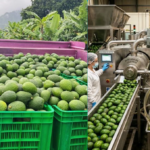
Kenya has two main Hass seasons. The first one starts in March and ends in July. The second one commences in September extending to February. The peak period for avocado harvesting in Kenya is between April and September. The Agriculture and Food Authority (AFA) enforces strict harvesting calendars and export regulations to prevent the export of immature fruit. Harvesting must comply with AFA regulations, and only mature fruit with the required dry matter content can be exported.
Key Export Regulations:
- The Agriculture and Food Authority (AFA) has introduced stricter quality controls and traceability measures.
- Exporters must undergo mandatory packhouse inspections and submit lists of registered suppliers.
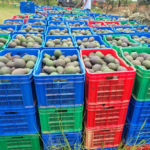
- Fruit must be transported in crates. Using open trucks, pickups, or Probox vehicles is prohibited and risks license revocation.
- The controls focus on dry matter content, with avocados required to meet 20% to 24%, depending on variety, before export clearance.
Export markets have already been identified in the United Kingdom, Canada, Qatar and the United States. The UK, Canada, Qatar and the US represent new frontiers for Hass avocado farming Kenya.
Export Bans and Quality Control
The Horticultural Crops Directorate (HCD) banned the export of Hass and Fuerte avocados in July 2026 due to severe shortage leading to immature fruits in the market. According to the directorate, the two varieties of avocados were off-season and farmers may have been tempted to harvest immature fruits in order to meet high export targets.
“We have stopped the export of Fuerte and Hass varieties because traders would ship out immature crop because of high demand in the world market. However, we are going to lift the ban starting next month once harvesting starts,” said Josphine Simiyu, head of Regulations and Compliance at HCD.
“The main season for Kenya avocados is March to September with Fuerte avocados available from February and Hass variety being available from March. However, it is worth noting that given the tropical climate and different avocado growing zones in Kenya, there are fruits throughout the year although in smaller quantities outside the main season period.”
How to Start Hass Avocado Farming
Starting a Hass avocado orchard requires careful planning and investment. Here is a step-by-step guide.
Land Preparation
Choose a site with suitable climate and soil conditions. Hass avocados thrive at altitudes of 1,500 to 2,100 metres above sea level. The soil should be deep, free-draining topsoil with pH 5.5 to 6.5. Prepare the land at least one month before planting. Dig holes measuring 60cm x 60cm x 60cm. Allow the holes to sit for two weeks to aerate before planting.
Planting
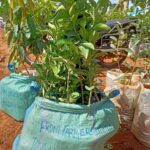
Plant during the long rainy season (March to May) or short rains (October to November). Place the seedling in the centre of the hole at the same depth as it was in the nursery. Ensure the graft union remains above the soil level. This is critical for preventing graft union rot. Cover the seedling firmly with the mixture of topsoil and manure. Water immediately after planting.
Spacing
The recommended commercial spacing is 7m x 7m to 9m x 9m, giving 80 to 120 trees per acre. For higher early yields, 5m x 5m (160 trees per acre) is recommended. Adequate spacing improves sunlight penetration, enhances air circulation, reduces disease pressure, and simplifies pruning.
Irrigation
Water young trees regularly during the first 2 years. Apply 20 litres of water per week during the dry season. Drip irrigation is strongly recommended for Hass avocado farming Kenya. It delivers water efficiently to the root zone, keeps foliage dry (reducing disease pressure), and allows precise scheduling.
Fertilization
Apply fertilizers based on soil test results. For young trees, apply 100-150 grams of CAN per tree twice yearly. Apply 200 grams of NPK 17:17:17 per tree once yearly. For mature trees, apply 1-2 kilograms of NPK 17:17:17 per tree per application. Supplement with 15-20 kilograms of manure per tree annually.
Pruning
Prune during the dry season to remove dead branches, thin crowded areas, improve air circulation, enhance sunlight penetration, and encourage healthy fruit development. Remove suckers (growth below the graft union) as soon as they appear. Keep the canopy open to allow light penetration.
Pollination
Avocado is 89.5 percent dependent on insect pollination. Rearing bees in the farm helps improve pollination of avocados, increasing yields by more than 70 percent. Intercropping Hass (Type A) with Fuerte (Type B) increases cross-pollination and yields.
Rootstocks
The most common rootstocks in Kenya include local seedling rootstocks and the Duke 7 variety, which offers some tolerance to phytophthora root rot. Other varieties used as rootstocks include Puebla, Fuerte, G6, and G7. Choosing the right rootstock is essential for tree health and longevity.
Costs and Profitability
Establishment Costs Per Acre
Based on 2026 input prices, establishing one acre of Hass avocado (160 trees at 5m x 5m spacing) costs approximately:
| Input | Quantity | Unit Price | Total (KES) |
|---|---|---|---|
| Seedlings | 160 | 250 | 40,000 |
| Land preparation | 1 acre | 15,000 | 15,000 |
| Manure (20kg per hole) | 3,200 kg | 3,000/ton | 9,600 |
| DAP fertilizer | 32 kg | 130/kg | 4,160 |
| Drip irrigation system | 1 acre | 60,000 | 60,000 |
| Labour | 20 days | 500/day | 10,000 |
| Total First-Year Investment | 138,760 KSh |
Revenue Projections
| Year | Trees | Yield/Tree | Total Yield | Price/kg | Gross Revenue |
|---|---|---|---|---|---|
| 3 | 160 | 5 kg | 800 kg | 100 | 80,000 |
| 4 | 160 | 15 kg | 2,400 kg | 100 | 240,000 |
| 5 | 160 | 30 kg | 4,800 kg | 120 | 576,000 |
| 6 | 160 | 50 kg | 8,000 kg | 150 | 1,200,000 |
| 7+ | 160 | 80 kg | 12,800 kg | 200 | 2,560,000 |
The yield gap between a poorly managed orchard and an elite managed orchard is 10 to 12 tonnes per acre. At KES 90 per kilogram, this gap represents KES 900,000 to KES 1,080,000 in lost revenue every year after year five. Over ten years of peak production, the cumulative loss exceeds KES 10 million per acre.
Frequently Asked Questions
What is the best variety for avocado farming in Kenya?
The Hass variety is the most profitable, commanding Sh10-17 per fruit compared to Sh3 for Fuerte. Hass is the main export variety and is preferred due to higher fat content than other varieties which gives it a richer taste.
How much can I earn from one Hass avocado tree?
A well-managed Hass avocado tree can generate up to Sh14,000 annually after five years.
What are the main export markets for Hass avocados?
The European Union is the largest market, followed by the Middle East and China. Export markets have also been identified in the United Kingdom, Canada, Qatar and the United States.
How many Hass avocado trees can I plant per acre?
The recommended commercial spacing is 7m x 7m to 9m x 9m (80-120 trees per acre). For higher early yields, 5m x 5m (160 trees per acre) is recommended.
What government support is available for Hass avocado farmers?
The government provides seedlings, training, and extension services. For example, the government has distributed 42,000 grafted Hass avocado seedlings in Migori County.
How long does it take for Hass avocado trees to produce fruit?
Grafted Hass avocado trees begin producing fruit in 3-4 years, with peak production from year 5-6 onwards.
Why is Hass avocado preferred for export?
Hass avocados have high oil content, longer shelf life, and strong demand in export markets. They hold more than 70 per cent market share in international markets.
What is the China zero-tariff policy?
China’s zero-tariff policy, effective May 1, 2026, provides duty-free access for 98.2% of Kenya’s agricultural exports.
When is the main avocado harvesting season in Kenya?
The peak period for avocado harvesting in Kenya is between April and September. Kenya has two main Hass seasons, with the first one starting in March and ending in July, and the second commencing in September extending to February.
Conclusion
Hass avocado farming Kenya offers significant opportunities for farmers. The sector has strong profitability, government support, and growing export markets. Hass farmers earn over two times compared to other varieties, commanding Sh10-17 per fruit compared to Sh3 for Fuerte. A well-managed Hass avocado tree can generate up to Sh14,000 annually after five years. Exporting to the EU can increase farmer income by up to 39%.
The government provides seedlings, training, and extension services. The National Government has distributed 42,000 grafted Hass avocado seedlings in Migori County. China has reduced import levies from 30% to 7%, creating a major new market opportunity.
With proper planning and management, Hass avocado farming Kenya can provide sustainable income for farmers for decades. The market is ready. The demand is growing. The opportunity exists for Kenyan farmers to capture more of the value in the avocado value chain.
Contact Farmers Trend for Hass Avocado Seedlings
Certified Grafted Hass Avocado Seedlings — KSh 250 each
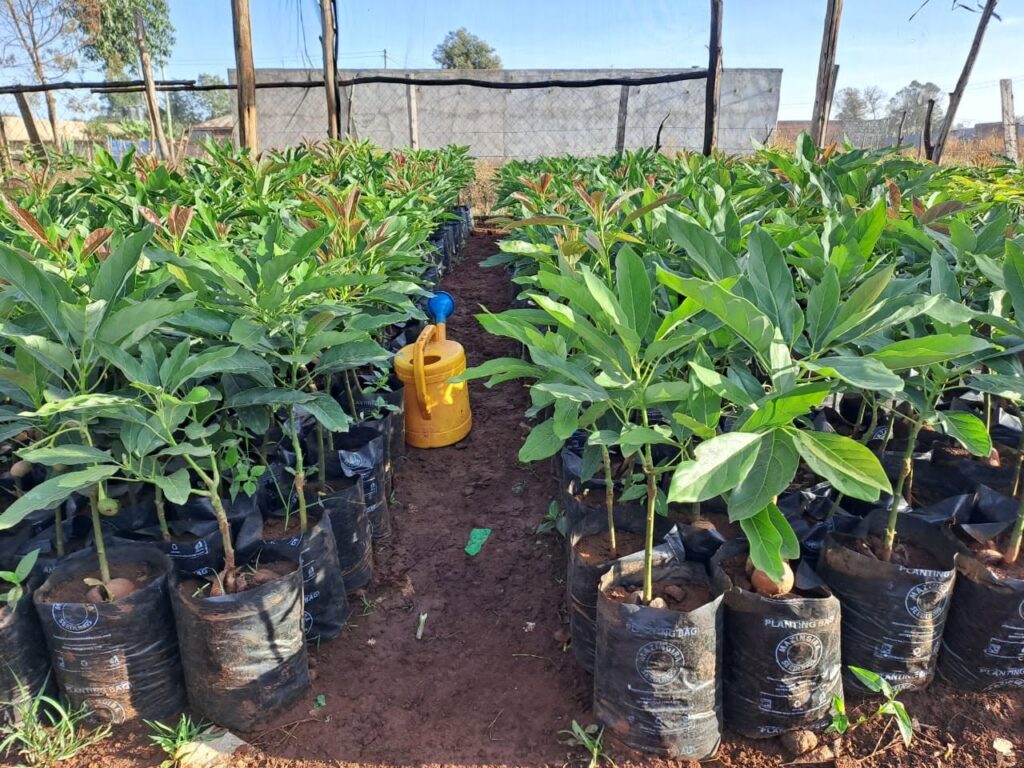
Contact Us:
Call/WhatsApp: 0724 559 286 | 0790 509 684
Website: www.farmerstrend.co.ke
Email: info@farmerstrend.co.ke
We Offer:
Countrywide Delivery
Export Arrangements
Free Agronomy Support upon purchase







Leave a Reply