Milk Shortage in Kenya Deepens as Drought and Foot and Mouth Disease Cut Dairy Production
- The milk shortage in Kenya is raising concerns as drought, feed shortages and foot and mouth disease reduce dairy production, push up costs and threaten milk supplies.
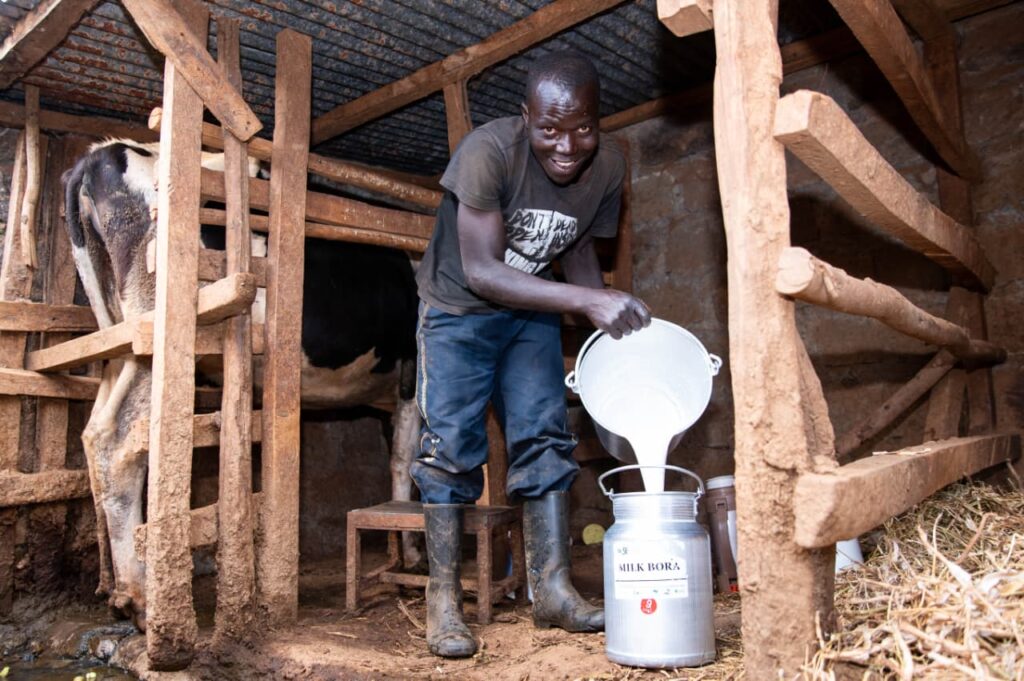
Milk Shortage in Kenya Deepens as Drought and Foot and Mouth Disease Cut Dairy Production
Kenya’s milk shortage is raising concerns about the resilience of the country’s dairy sector, as drought, feed shortages and foot and mouth disease put pressure on milk production in key dairy farming regions. The challenges are affecting farmers at a time when households depend on milk as an important food, while processors need consistent supplies to meet demand.
The problem extends beyond empty shelves or higher prices in shops. Behind every litre of milk that fails to reach a collection centre is a farm dealing with one or more production challenges, whether it is a cow producing less because of inadequate feed, a herd affected by disease or a farmer struggling to meet the rising cost of keeping dairy animals.
Two concerns stand out in the current situation. In parts of Central Kenya, foot and mouth disease can disrupt dairy production and reduce milk yields. In sections of the Rift Valley, drought and declining pasture availability are making it harder for farmers who depend on natural grazing to maintain adequate livestock nutrition.
The pressure on milk supplies illustrates a longstanding weakness in dairy farming. When rainfall declines or a disease outbreak occurs, many farmers have limited reserves and few immediate options for protecting production. The resulting decline in milk deliveries can affect the entire supply chain, from the farmer and cooperative to the processor and consumer.
Figures cited in the discussion indicate that formal milk deliveries to processors declined from 84.4 million litres in June to 81.3 million litres in July. This is a decrease of 3.1 million litres, equivalent to approximately 3.7 per cent. The reported decline has also been accompanied by concerns about the need to supplement local milk supplies through imports.
Although the precise contribution of each factor requires current official data, the situation raises an important question for the dairy industry: why does Kenya continue to face significant milk supply pressures whenever drought and livestock disease affect production?
Drought is exposing the weakness of rain-dependent dairy farming
Dairy production depends on a reliable supply of nutritious feed and clean water. When rainfall fails, pasture dries up, fodder growth slows and farmers must find alternative ways to maintain their animals.
In parts of the Rift Valley, some dairy farmers depend heavily on natural pasture and seasonal rainfall. During a good season, grazing may be sufficient to support livestock at a manageable cost. When the rains fail, however, the same farms can experience a sharp decline in available feed.
Farmers then have to purchase hay, commercial dairy meal, crop residues or other suitable feed materials. The cost of these alternatives can rise during widespread dry conditions because many livestock keepers are looking for the same limited resources.
The consequences are not limited to the amount of milk collected each day. When cows receive insufficient energy, protein and other essential nutrients, their milk production can fall. Prolonged nutritional stress may also cause loss of body condition, affect reproductive performance and make it more difficult for animals to recover their productivity when feed becomes available again.
For a smallholder dairy farmer who relies on daily milk sales to buy household necessities and meet farm expenses, declining production creates an immediate cash-flow problem. The farmer receives less money from milk while spending more to feed the animals that remain productive.
This creates a difficult cycle. A farmer may be forced to reduce feed purchases because income has fallen, but inadequate feeding can further reduce milk output. If the situation continues, the farmer may struggle to maintain the herd at a productive level.
The central issue is that drought does not affect dairy production only when pasture disappears. Its effects can be felt much earlier when farmers have insufficient conserved fodder, limited access to affordable supplementary feeds and no practical plan for maintaining production through the dry season.
Why fodder conservation needs to become a priority
Fodder conservation allows farmers to preserve feed when forage is available and use it later when pasture becomes scarce. For dairy farmers, this can provide a more reliable feeding system than depending entirely on rainfall and whatever grass remains in the field.
Hay and silage are two important options. Hay is made by drying suitable forage so it can be stored safely, while silage is produced by preserving green forage through controlled fermentation under suitable conditions. Farmers may also conserve appropriate crop residues and other locally available feed materials as part of a balanced feeding plan.
The advantage is straightforward. Instead of waiting for drought to begin before searching for feed, farmers can prepare reserves during periods when forage is plentiful. Those reserves can help bridge the gap between rainy and dry seasons, reducing the risk of sudden feed shortages.
However, conserving fodder requires planning. Farmers need to identify suitable forage, harvest it at the right stage, use appropriate preservation methods and protect the finished feed from moisture, contamination and spoilage. Poorly made or badly stored fodder can lose nutritional value and may create additional livestock health risks.
The cost of establishing fodder plots, hiring machinery, transporting harvested material and constructing storage facilities can also discourage small-scale farmers. Those without sufficient land may find it difficult to produce enough feed for their herds, particularly where land is expensive or shared among several farming activities.
This is where farmer cooperatives, county governments and private agricultural service providers can make a difference. Shared machinery services, organised silage-making, practical training and access to quality fodder seed can reduce the burden on individual farmers. Cooperatives can also explore collective purchasing and storage arrangements where there is sufficient demand and sound management.
Fodder conservation should not be treated as an emergency activity that begins only after pasture has dried up. It needs to form part of routine dairy farm planning, with feed requirements calculated according to herd size, milk production and the expected length of the dry period.
Farmers also need realistic advice on how much feed to conserve. A small reserve may disappear quickly during a prolonged drought, while a large investment in fodder that cannot be stored properly may lead to unnecessary losses. The objective is to develop a practical reserve that matches the farm’s needs and resources.
Foot and mouth disease is another threat to milk supplies
While drought affects the availability of feed and water, foot and mouth disease threatens dairy production through livestock illness and the disruption caused by controlling outbreaks.
Foot and mouth disease, commonly known as FMD, is a highly contagious viral disease affecting cloven-hoofed animals, including cattle, sheep, goats and pigs. In cattle, signs may include fever, blisters or sores around the mouth and feet, excessive salivation and lameness. Affected animals may struggle to eat or walk normally, and milk production can fall significantly.
For a dairy farmer, the effects can continue beyond the period when the most visible symptoms appear. Animals may require time to recover their condition and productivity, while the farmer faces additional management costs and uncertainty over when normal production will resume.
An outbreak can also affect livestock movement and marketing. Veterinary authorities may impose restrictions to reduce the spread of infection, while farmers and traders may need to change their usual handling, transport and sales arrangements. These measures are important for disease control, but they can disrupt the movement of animals and related agricultural activities.
Where several dairy farms supplying the same collection centre are affected, the combined decline in milk production can reduce the volume reaching processors. This is one way a livestock disease problem can become a wider milk supply concern.
FMD control therefore requires sustained attention rather than a response limited to the period when an outbreak becomes visible. Farmers need access to appropriate vaccination programmes, veterinary advice, disease surveillance and clear reporting procedures.
Vaccination is an important part of FMD control, but it must be planned with veterinary authorities. The appropriate vaccine and vaccination schedule depend on factors including the virus strains circulating in the area and the official control programme. Vaccination should be supported by surveillance, biosecurity and compliance with movement restrictions where these are required.
Farmers who suspect FMD should contact veterinary personnel promptly and follow official instructions. Moving potentially infected animals to another farm, market or collection point can increase the risk of spreading the disease.
Why vaccination and disease surveillance need consistent support
One of the difficulties in managing livestock diseases is that farmers may not always have timely access to veterinary services or the resources needed to implement recommended measures.
Vaccination programmes require suitable vaccines, trained personnel, coordination and communication with livestock keepers. They also need to be organised around local disease risks and delivered in a way that encourages participation.
If farmers do not understand when vaccination is required, cannot access it conveniently or face costs they cannot manage, coverage may be inadequate. Disease surveillance can also be weakened when suspected cases are reported late or when farmers fear the financial consequences of reporting an outbreak.
County veterinary departments and national livestock authorities need to work with farmers and cooperatives to strengthen awareness, reporting and access to animal-health services. Clear communication is essential so that farmers understand the signs of FMD, the steps to take when they suspect infection and the restrictions that may apply.
Farm biosecurity also matters. Appropriate control of animal movements, cleaning and disinfection practices, and measures to limit contact with potentially infected livestock can reduce the risk of introducing or spreading infection. The exact measures required depend on the farm and the prevailing veterinary guidance.
The responsibility should not rest entirely on individual farmers. Effective disease control requires coordination across farms, livestock markets, transporters, veterinary teams and relevant government agencies. If one part of the system fails to respond appropriately, infection can spread beyond the original farm.
Why drought and FMD can create a bigger problem together
Drought and foot and mouth disease affect dairy production in different ways, but their effects can reinforce each other.
A farmer experiencing feed shortages may already be struggling to maintain milk output and cover farm expenses. If the herd is then affected by FMD, the farmer faces an additional production shock at a time when financial resources may be limited.
Lower milk sales can leave less money for feed, veterinary care and other essential farm operations. If animals lose condition during the dry period and then experience illness, returning the herd to normal production may become more difficult.
The combined impact can also be felt by cooperatives and processors. A decline in deliveries from several farms may reduce the quantity of milk available for processing, making it harder to meet orders and maintain a consistent supply to retailers.
This is why Kenya’s response to milk shortages needs to address both livestock nutrition and animal health. Fodder conservation cannot prevent FMD, and vaccination cannot maintain milk production when cows are severely underfed. Each measure addresses a different risk, and both are necessary for a more resilient dairy sector.
The same principle applies to other aspects of dairy management. Clean water, suitable housing, good hygiene, appropriate breeding and timely veterinary attention all contribute to maintaining healthy and productive animals. These practices do not eliminate drought or disease, but they can help farmers manage their effects.
The cost of keeping dairy cows is rising when milk income may be falling
Dairy farming is a business as well as a livestock production activity. Farmers must balance income from milk against the cost of feed, labour, veterinary services, breeding, transport, water and farm maintenance.
When milk production falls, many of these costs do not disappear. A cow still needs feeding and care even when it produces less milk. Farmers who buy feed during drought may face higher expenses while selling smaller volumes of milk.
This squeeze on farm margins can affect decisions about herd size, replacement animals and future investment. Some farmers may delay improvements to their facilities, reduce spending on inputs or consider selling animals to meet immediate financial obligations. Such decisions can help manage a short-term cash crisis but may also affect future production capacity.
The problem is particularly difficult for smallholder farmers who have limited savings and depend on regular milk payments to manage household and farm expenses. A few weeks of reduced production can create pressure that takes much longer to recover from.
Improving the resilience of dairy farming therefore requires more than increasing milk output during good seasons. Farmers also need systems that help them manage the cost of production when weather and disease conditions become unfavourable.
Access to reliable extension services, practical feed planning, affordable veterinary care and well-managed cooperative support can help. However, the usefulness of these services depends on whether farmers can access them when they need them and whether the advice is appropriate for their individual circumstances.
What dairy cooperatives can do to protect milk production
Dairy cooperatives are an important link between farmers and milk processors. They collect milk, coordinate payments and can provide a platform for delivering services to members.
During periods of drought, cooperatives can help farmers plan for feed shortages by organising fodder production and linking members with suppliers of suitable feed. Where demand and local conditions justify it, they may support shared silage-making services, group purchasing or collective arrangements for storing fodder.
Cooperatives can also improve the flow of information. If milk deliveries begin falling, they can work with members and extension officers to understand whether the decline is associated with feed shortages, disease, seasonal changes or other factors. Early identification may allow farmers to respond before the problem becomes more severe.
On animal health, cooperatives can help coordinate veterinary visits, communicate official disease-control guidance and encourage farmers to report suspected cases promptly. They should work with qualified veterinary professionals rather than attempting to diagnose or manage serious disease outbreaks without appropriate expertise.
Good management is essential. Cooperative feed and veterinary programmes need transparent costs, clear responsibilities and reliable records. Farmers should be able to understand what services are being provided, what they cost and how the arrangements are expected to benefit members.
Where these systems work well, cooperatives can help smallholder farmers access services that would be difficult or expensive to organise individually.
What county and national governments need to prioritise
County governments are well placed to support local fodder production, livestock extension, veterinary services and drought preparedness. They understand local farming systems and can work with cooperatives and agricultural organisations to identify areas where dairy farmers are particularly vulnerable to feed shortages or livestock disease.
Practical support may include training on fodder production and conservation, facilitating access to suitable planting materials, improving access to veterinary services and strengthening local disease surveillance. Counties can also work with farmer groups to identify opportunities for shared machinery and storage facilities where these are economically viable.
At the national level, coordination is needed for livestock disease control, vaccination strategies, veterinary standards and broader dairy-sector planning. Effective programmes require dependable funding, technical capacity and clear communication between national agencies and county departments.
Policymakers also need to consider the economics of adoption. Training farmers to make silage will have limited impact if they cannot afford access to machinery, lack suitable forage or have nowhere safe to store the finished product. Similarly, encouraging vaccination without ensuring appropriate access and coordination may leave important gaps in disease control.
Public investment should therefore focus on practical barriers that prevent farmers from adopting recommended measures. The goal should be to build systems that continue to function between crises, not only to respond after milk supplies have already fallen.
Could better fodder planning help stabilise milk supplies?
Fodder planning can reduce one important source of seasonal instability, although it cannot guarantee that milk production will remain constant under every condition.
Farmers who estimate their herd’s feed needs and conserve adequate reserves have more options when pasture declines. They may be better positioned to maintain nutrition, reduce the need for emergency feed purchases and protect their cows’ productive condition.
The process begins with understanding how many animals need feeding, how much suitable feed is available on the farm and how long the dry period may last. Farmers can then assess whether their existing forage production is sufficient or whether they need to plant additional fodder, purchase feed or work with other farmers to share resources.
Fodder planning also needs to account for quality. Simply storing large quantities of poor-quality material will not necessarily meet the nutritional requirements of high-producing dairy cows. A balanced feeding programme should reflect the animals’ needs and make use of locally available feed resources safely and efficiently.
Farmers who are unsure about feed quality or ration formulation should seek guidance from qualified livestock officers, animal nutrition specialists or other competent agricultural advisers. Feeding decisions should be based on the condition and production requirements of the animals rather than guesswork.
At a broader level, more consistent fodder production and storage could help reduce the severity of seasonal feed shortages. But its effect on national milk supply will depend on adoption across farms, the availability of other inputs, animal health and the prevailing weather conditions.
Milk imports may address supply gaps, but they do not replace stronger local production
When domestic milk supplies fall short of demand, imports can help supplement availability. However, the use of imported dairy products does not resolve the production challenges facing local farmers.
Kenya needs a dairy sector that can maintain production as reliably as possible through different seasons and withstand disease outbreaks without suffering avoidable losses. This requires attention to animal nutrition, veterinary systems, farm management and the organisation of milk collection and marketing.
Import decisions also need to be understood in the context of the wider market. The impact on local farmers depends on the products imported, market conditions, pricing and how imports interact with domestic demand and supply. It would be misleading to assume that every import directly harms local producers or that imports alone can solve every shortage.
The more immediate priority is to understand why local production has declined, identify the factors responsible and address the weaknesses that leave farmers exposed to recurring shocks.
A stronger domestic dairy sector benefits farmers, processors and consumers. Farmers need viable returns to continue investing in their herds, processors need reliable raw milk supplies, and consumers need products that remain available and affordable.
What dairy farmers can do before the next dry season
Although major infrastructure and disease-control programmes require support from institutions, individual farmers can take practical steps to reduce their exposure to feed shortages and livestock health problems.
Farmers should assess feed availability before the dry season, identify suitable fodder sources and conserve feed when conditions allow. They should also monitor milk production, body condition and water availability so that declining nutrition can be addressed before the herd suffers serious losses.
A written feeding plan can help farmers estimate requirements and compare the cost of producing fodder with the cost of buying it. Keeping records of milk deliveries, feed purchases, veterinary expenses and changes in production can also reveal patterns that are otherwise easy to overlook.
On animal health, farmers should maintain contact with veterinary personnel, follow official vaccination guidance and report suspected disease promptly. Biosecurity and compliance with movement restrictions during outbreaks are important for protecting both individual farms and the wider livestock sector.
Farmers should avoid making major feed or treatment decisions based on unverified social media claims. Advice should be appropriate for the livestock, the local conditions and the specific problem being addressed.
These measures cannot remove every risk, but they can improve preparedness and help farmers make decisions before a crisis becomes more expensive to manage.
Kenya needs to move from crisis response to dairy-sector preparedness
The milk shortage in Kenya should prompt a wider discussion about the systems supporting dairy farmers. Drought, seasonal feed shortages and livestock diseases are recurring agricultural risks. Their effects can be reduced when farmers have access to practical solutions before conditions deteriorate.
Fodder conservation needs to become a realistic option for more farmers, supported by training, appropriate equipment, suitable storage and access to quality feed resources. Foot and mouth disease control requires consistent vaccination planning, surveillance, veterinary support and cooperation among farmers and authorities.
Cooperatives can help coordinate these efforts, while county and national governments need to address gaps in services and investment. Processors and other value-chain businesses also have a stake in maintaining reliable supplies from healthy, well-fed animals.
The responsibility cannot be placed on farmers alone. Farmers need to make sound management decisions, but they also need affordable services, timely information and a supportive system that allows them to prepare for predictable challenges.
Milk shortages affect consumers directly, but the long-term solution begins on the farm. If Kenya wants a more reliable dairy supply, it must strengthen the conditions that allow farmers to keep their animals healthy, maintain adequate nutrition and continue producing milk through difficult seasons.
What do you think is holding back fodder conservation and effective foot and mouth disease control in Kenya? Is it the cost of producing and storing feed, limited access to veterinary services, inadequate government support, weak farmer preparedness or a combination of these challenges?
https://farmerstrend.co.ke/livestock-farming/dairy-farming/milk-shortage-in-kenya-drought-foot-and-mouth-disease/https://farmerstrend.co.ke/wp-content/uploads/2026/10/Milk-Shortage-in-Kenya-Deepens-as-Drought-and-Foot-and-Mouth-Disease-Cut-Dairy-Production-1024x681.jpeghttps://farmerstrend.co.ke/wp-content/uploads/2026/10/Milk-Shortage-in-Kenya-Deepens-as-Drought-and-Foot-and-Mouth-Disease-Cut-Dairy-Production-150x150.jpegDairy Farming# TrendingLivestock Farmingdairy cattle,dairy farmers,dairy farming in kenya,drought in kenya,FMD in Kenya,fodder conservation,foot and mouth disease,Hay production,Kenya dairy industry,livestock diseases,Livestock feed,milk prices in kenya,milk shortage in Kenya,silage makingThe milk shortage in Kenya is raising concerns as drought, feed shortages and foot and mouth disease reduce dairy production, push up costs and threaten milk supplies.Milk Shortage in Kenya Deepens as Drought and Foot and Mouth Disease Cut Dairy Production Kenya's milk shortage is raising concerns about the...FarmersTrendjohn doefarmerstrend@gmail.comAdministratorFarmers Trend Ltd.








Leave a Reply