Kenya’s Milk Shortage May Last Beyond Rains as Farmers Struggle with Expensive Feed
- Kenya’s milk shortage may persist beyond the October-December rains as drought-hit farmers struggle with expensive animal feed and brokers divert milk from processors.
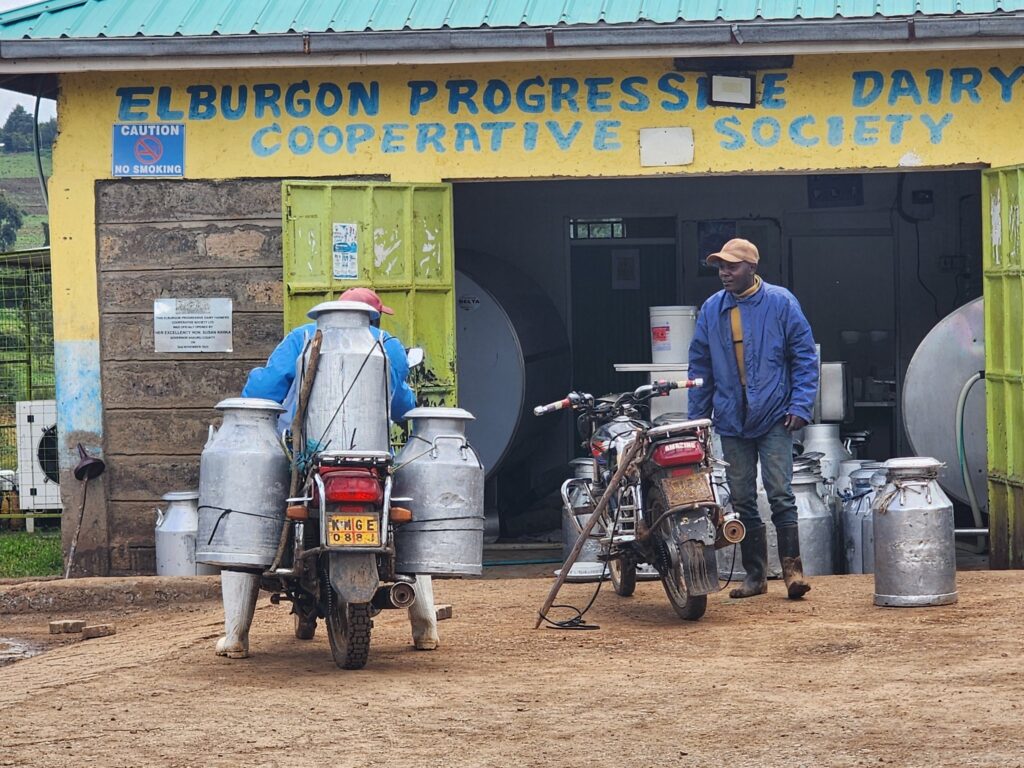
Kenya’s milk shortage may take longer to ease than the return of the rains, as drought-hit farmers struggle with expensive feed and some milk is being diverted away from processors to higher-paying brokers.
The Kenya Dairy Board says the country is facing temporary supply constraints rather than a complete milk shortage, and expects production to recover as pasture and fodder improve during the October-December rains.
But the disruption has exposed weaknesses in the dairy supply chain that could slow the recovery.
Formal milk deliveries to processors fell 3.7 per cent, from 84.4 million litres in June to 81.3 million litres in July, with preliminary indications pointing to a further decline in August, according to the Kenya Dairy Board.
The fall has hit pasteurised fresh milk particularly hard, with some retailers reporting low stocks, fewer brands and delayed replenishment. Long-life milk, including UHT products, has remained more readily available.
Kenya Dairy Board chairman Genesio Mugo has urged consumers not to panic-buy.
“The shortage is not big at all; it is minimal, and therefore there is no cause for alarm and no need for panic buying,” Mugo said.
Yet the government is preparing for the possibility that the disruption could become more serious.
Agriculture Cabinet Secretary Mutahi Kagwe said prolonged drought could force Kenya to import milk despite the country’s large dairy industry.
“We could end up importing milk if this drought continues and the situation persists,” Kagwe said.
The question is therefore not simply when the rains will arrive, but how quickly better weather can restore milk supplies to processors and retailers.
The immediate problem begins with feed. Dry and cold conditions have reduced pasture and fodder in important milk-producing areas, forcing farmers to rely more heavily on purchased feed and stored fodder.
Farmers and traders in the North Rift say animal-feed prices have risen from about 1,800 shillings to 2,400 shillings, while hay prices have more than doubled in some areas.
For dairy farmers operating on narrow margins, higher feed costs can make it harder to maintain production.
Stanley Ngombe, chairman of Lelcheggo Cooperative Dairies in Nandi County, said milk deliveries to the cooperative’s cooling plant had fallen to less than 2,000 litres a day from about 10,000 litres.
“We no longer receive steady supply of the produce from farmers which has affected our operations,” he said.
The lower volumes are also increasing pressure on the cooperative’s finances.
“The low milk supply works against the economies of scale, considering that we still have to chill the low quality of milk supplied, meet high electricity cost and pay workers,” Ngombe said.
The supply problem is also being complicated by the way milk moves through the market.
Kagwe said some farmers are selling to brokers who offer better prices than cooperatives, diverting milk that would otherwise reach processing plants.
“A lot of milk that normally goes to processing plants is now being given to brokers because brokers are offering a higher price than the milk processing companies through the cooperatives,” Kagwe said.
That means an improvement in farm production may not immediately translate into fully stocked supermarket shelves if processors continue to lose milk to alternative buyers.
The issue is therefore not only how much milk Kenya produces, but also how much reaches the formal processing chain.
The Kenya Dairy Board expects the October-November-December rains to improve pasture and fodder availability and support a recovery in milk production.
But farmers also need affordable feed and functioning markets. Some who prepared for the dry period have been better protected.
For farmers without similar reserves, rebuilding fodder stocks after the rains could take time and may remain expensive.
The pressure is already prompting government intervention.
Livestock Development Principal Secretary Jonathan Mueke said the government would work with animal-feed manufacturers to identify available stocks and make them accessible to farmers.
“We are going to speak with all the animal feed manufacturers so that we can map out all the areas around the country where we have storage of animal feeds so that we can avail to our dairy farmers,” Mueke said.
The government is also moving to import yellow maize for livestock feed.
The effects are already visible in retail outlets. The Kenya Dairy Board says its market surveillance has found low stock levels, reduced availability of some brands and pack sizes, and delays in replenishment in some areas.
In parts of the North Rift, a 500ml packet of milk is selling for between 53 and 60 shillings, according to local reports. Prices vary by location and brand, and the board says milk prices remain generally stable nationally despite some increases in areas facing tighter supplies.
The regulator has also warned consumers against buying unpasteurised milk from unregulated traders as shortages create opportunities for unsafe products.
Kenya’s current milk shortage is exposing a problem that goes beyond this year’s dry spell.
Farmers need affordable feed and reliable markets. Cooperatives need enough milk to operate efficiently. Processors need steady supplies, while consumers need consistent access to safe and reasonably priced products.
Kagwe has warned that prolonged drought could push Kenya towards milk imports, while the government is trying to stabilise feed supplies before the rains arrive.
The Kenya Dairy Board remains confident that the October-December rains will improve the situation. But the recovery will depend on more than rainfall.
The rains may restore Kenya’s pasture. Whether they restore milk supplies to supermarket shelves at the same speed will depend on farmers’ ability to afford feed and on how much milk returns to the formal processing chain.
https://farmerstrend.co.ke/trending/kenyas-milk-shortage-last-beyond-rains/https://farmerstrend.co.ke/wp-content/uploads/2026/09/Kenyas-milk-shortage-1024x768.jpghttps://farmerstrend.co.ke/wp-content/uploads/2026/09/Kenyas-milk-shortage-150x150.jpg# Trendinganimal feed prices Kenya,dairy farmers Kenya,dairy farming Kenya,drought effects Kenya,fodder shortage Kenya,Kenya Dairy Board,Kenya milk shortage,Kenyan agriculture news,livestock feed Kenya,milk brokers Kenya,milk prices Kenya,milk processors Kenya,milk production Kenya.,Mutahi Kagwe dairy,Nandi County dairy,North Rift dairyKenya's milk shortage may persist beyond the October-December rains as drought-hit farmers struggle with expensive animal feed and brokers divert milk from processors.Kenya's milk shortage may take longer to ease than the return of the rains, as drought-hit farmers struggle with expensive feed and some milk is being...FarmersTrendjohn doefarmerstrend@gmail.comAdministratorFarmers Trend Ltd.










Leave a Reply