𝗘𝗟 𝗡𝗜Ñ𝗢 𝗣𝗥𝗘𝗣𝗔𝗥𝗘𝗗𝗡𝗘𝗦𝗦 𝗞𝗘𝗡𝗬𝗔 𝟮𝟬𝟮𝟲: 𝟭𝟴 𝗖𝗢𝗨𝗡𝗧𝗜𝗘𝗦 𝗔𝗖𝗧𝗜𝗩𝗔𝗧𝗘 𝗘𝗠𝗘𝗥𝗚𝗘𝗡𝗖𝗬 𝗣𝗟𝗔𝗡𝗦 𝗧𝗢 𝗣𝗥𝗢𝗧𝗘𝗖𝗧 𝗙𝗔𝗥𝗠𝗘𝗥𝗦
Kenya is not waiting for the rain to fall before acting. The government confirmed in August 2026 that 18 counties carry high risk of flooding, landslides, disease outbreaks and food insecurity once the October to December short rains arrive, and a Cabinet-level committee now coordinates a national response built around seven specific measures.
El Niño preparedness Kenya 2026 has moved from a weather forecast into an active government operation. The National Disaster Operations Centre has mapped flood hotspots. Drainage systems are being cleared in major towns. County governments from Lamu to Kakamega have issued their own advisories directly to farmers. Deputy President Kithure Kindiki has personally urged every county to activate disaster response plans before the rains intensify.
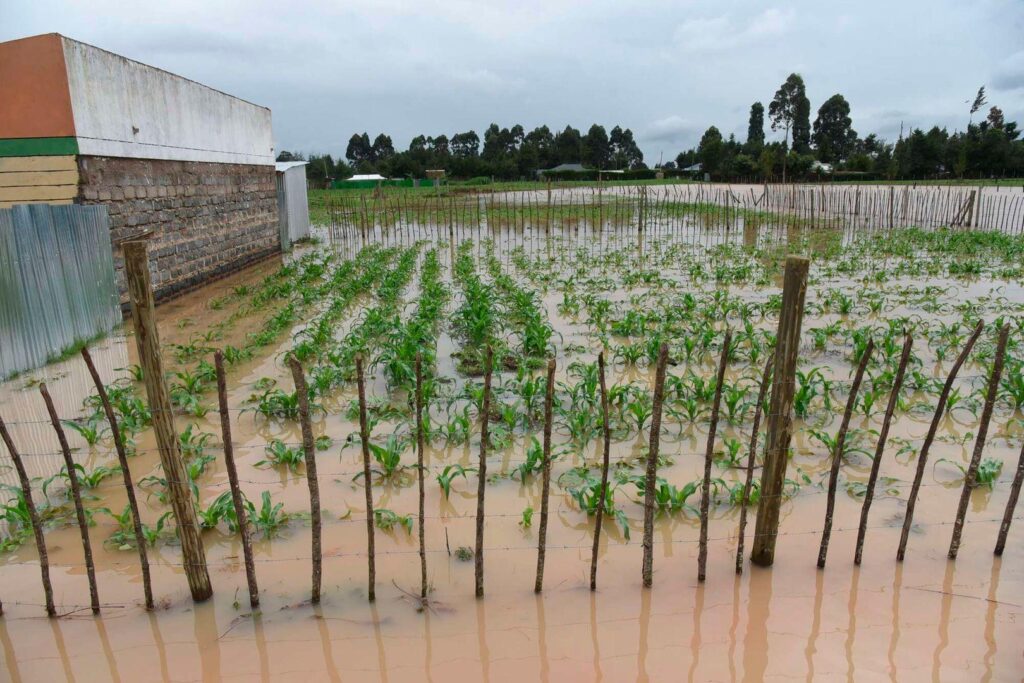
This guide breaks down exactly which counties face the highest risk, what the seven national measures involve, who is coordinating the response, and what you, as a farmer or agribusiness owner, should do in the weeks ahead. The forecast rain will arrive whether or not you prepare. Your outcome depends on which side of this preparation gap you stand on.
𝗞𝗘𝗬 𝗙𝗔𝗖𝗧𝗦 𝗔𝗧 𝗔 𝗚𝗟𝗔𝗡𝗖𝗘
| 𝗙𝗮𝗰𝘁 | 𝗗𝗲𝘁𝗮𝗶𝗹 |
|---|---|
| High-risk counties | 18 officially classified by the National Disaster Operations Centre |
| Broader vulnerability list | 23 counties on the FAO-WFP anticipatory impact report |
| Rainfall forecast | Above-average rainfall expected across roughly 80 percent of Kenya during October to December |
| National measures | Seven preparedness measures activated under a Cabinet-approved contingency plan |
| Coordination | Cabinet committee on El Niño response chaired by Deputy President Kithure Kindiki |
| Funding sought | Kenya seeking approximately Sh13 billion in UN support for flood response and recovery |
| Regional appeal | FAO and WFP appealing for over $200 million to protect 8.8 million people across 22 high-risk African countries |
| Drought impact | 15 percent projected maize yield loss tied to pre-rains drought stress |
𝗪𝗛𝗔𝗧 𝗘𝗟 𝗡𝗜Ñ𝗢 𝗣𝗥𝗘𝗣𝗔𝗥𝗘𝗗𝗡𝗘𝗦𝗦 𝗞𝗘𝗡𝗬𝗔 𝟮𝟬𝟮𝟲 𝗠𝗘𝗔𝗡𝗦 𝗢𝗡 𝗧𝗛𝗘 𝗚𝗥𝗢𝗨𝗡𝗗
El Niño describes a warming of central and eastern Pacific Ocean waters shifting rainfall patterns across the tropics, and East Africa typically sees above-average rainfall during an active event. The World Meteorological Organization put the probability of El Niño developing at 80 percent in its June 2026 outlook, a figure later revised upward toward 90 percent in subsequent updates heading into the October to December rainy season.
Kenya’s short rains season, known locally as the October-November-December or OND season, normally brings moderate rainfall to most of the country. Under El Niño conditions, this season regularly turns into a flooding risk instead of a routine wet spell. The Kenya Meteorological Department now forecasts above-average rainfall across roughly 80 percent of the country for the 2026 OND season, with some regions in Western Kenya, Nyanza and North Eastern Kenya expecting an earlier-than-normal onset.
Preparedness in this context means something specific: mapped flood zones, cleared drainage, pre-positioned relief supplies, trained response teams and farmer advisories issued before the first heavy rains fall, not after. Kenya’s last major El Niño event brought severe flooding, infrastructure damage and agricultural losses across large parts of the country, and the current preparedness push exists specifically to avoid a repeat of this damage.
Treat “preparedness” as an active verb here, not a government slogan. The Ministry of Interior stated directly: preparedness does not eliminate risk. Flooding, displacement and crop losses remain possible even with every plan in place. What preparedness changes is how fast the country and individual farmers recover once the rains hit.
𝗧𝗛𝗘 𝟭𝟴 𝗛𝗜𝗚𝗛-𝗥𝗜𝗦𝗞 𝗖𝗢𝗨𝗡𝗧𝗜𝗘𝗦, 𝗥𝗘𝗚𝗜𝗢𝗡 𝗕𝗬 𝗥𝗘𝗚𝗜𝗢𝗡
The National Disaster Operations Centre grouped its 18 flagged counties by region, each facing a different mix of risks tied to local geography.
𝗖𝗼𝗮𝘀𝘁𝗮𝗹 𝗥𝗲𝗴𝗶𝗼𝗻
The Coast region carries five high-risk counties: Tana River, Kilifi, Lamu, Mombasa and Kwale. These areas face flooding, storm surges, coastal erosion and infrastructure damage, with some communities at real risk of displacement.
𝗟𝗮𝗸𝗲 𝗕𝗮𝘀𝗶𝗻 𝗥𝗲𝗴𝗶𝗼𝗻
The Lake Basin region carries another five: Kisumu, Busia, Siaya, Homa Bay and Migori. Expect flooding, landslides, disease outbreaks and displacement across this cluster, particularly in low-lying areas near Lake Victoria.
𝗥𝗶𝗳𝘁 𝗩𝗮𝗹𝗹𝗲𝘆 𝗥𝗲𝗴𝗶𝗼𝗻
The Rift Valley region contributes four counties facing a genuinely difficult dual risk: Turkana, Baringo, West Pokot and Narok. These counties face both drought conditions and flash flood risk in the same season, alongside landslides, livestock losses and food insecurity.
𝗡𝗼𝗿𝘁𝗵 𝗘𝗮𝘀𝘁𝗲𝗿𝗻 𝗥𝗲𝗴𝗶𝗼𝗻
The North Eastern region adds three counties: Garissa, Wajir and Mandera. Here the primary risks lean toward drought, water scarcity, livestock losses, poor pasture and food insecurity rather than flooding.
𝗨𝗿𝗯𝗮𝗻 𝗖𝗲𝗻𝘁𝗿𝗲
Nairobi rounds out the list as the sole urban entry, flagged for urban flooding, blocked drainage systems and strained infrastructure across the capital. Mombasa and Kisumu carry similar urban risk profiles within their respective regional listings.
𝗧𝗛𝗘 𝗪𝗜𝗗𝗘𝗥 𝗣𝗜𝗖𝗧𝗨𝗥𝗘: 𝗔 𝟮𝟯-𝗖𝗢𝗨𝗡𝗧𝗬 𝗔𝗡𝗧𝗜𝗖𝗜𝗣𝗔𝗧𝗢𝗥𝗬 𝗜𝗠𝗣𝗔𝗖𝗧 𝗟𝗜𝗦𝗧
A separate joint assessment from the Food and Agriculture Organization, the World Food Programme and the Kenya Meteorological Department, titled the FAO-WFP El Niño 2026/27 Anticipatory Impacts report, extends the vulnerability list to 23 counties. This broader list includes every county on the government’s 18-county list, plus Samburu, Marsabit, Isiolo, Taita Taveta, Kitui, Makueni, Machakos, Kajiado, Kakamega and Vihiga.
The gap between 18 and 23 counties matters for farmers outside the government’s official list. Kakamega and Vihiga, for example, sit outside the National Disaster Operations Centre’s high-risk grouping, yet Kakamega County itself issued a farmer advisory in early September 2026 covering flooding, crop losses and livestock disease risk tied directly to the same El Niño season.
The lesson here is straightforward: an official high-risk list is a prioritization tool for national resources, not a complete map of who should prepare. If your county sits on either list, or borders a county on either list, El Niño preparedness Kenya 2026 planning applies to your farm regardless of which specific document names your exact location.
Agricultural areas in the additional five counties face real exposure too. Machakos, Makueni and Kitui sit in Kenya’s drought-prone eastern belt, where the same rainfall swings driving flood risk elsewhere often bring destructive dry spells before the rain finally arrives in force.
𝗞𝗘𝗡𝗬𝗔’𝗦 𝗦𝗘𝗩𝗘𝗡 𝗡𝗔𝗧𝗜𝗢𝗡𝗔𝗟 𝗣𝗥𝗘𝗣𝗔𝗥𝗘𝗗𝗡𝗘𝗦𝗦 𝗠𝗘𝗔𝗦𝗨𝗥𝗘𝗦 𝗘𝗫𝗣𝗟𝗔𝗜𝗡𝗘𝗗
The Ministry of Interior and National Administration outlined seven specific measures under the Cabinet-approved National Contingency Plan, developed jointly with county governments, humanitarian organizations and security agencies.
𝗠𝗲𝗮𝘀𝘂𝗿𝗲 𝟭: 𝗙𝗹𝗼𝗼𝗱 𝗛𝗼𝘁𝘀𝗽𝗼𝘁 𝗠𝗮𝗽𝗽𝗶𝗻𝗴
The first measure mapped flood hotspots nationally, covering riverine and low-lying areas, coastal zones, landslide-prone highlands, arid and semi-arid land, and vulnerable urban centers. This mapping now guides evacuation planning and monitoring efforts across every flagged region.
𝗠𝗲𝗮𝘀𝘂𝗿𝗲 𝟮: 𝗗𝗿𝗮𝗶𝗻𝗮𝗴𝗲 𝗖𝗹𝗲𝗮𝗿𝗶𝗻𝗴
The second measure put drainage clearing into motion, targeting blocked culverts, silted channels and choke points, particularly in urban areas where the Kenya Urban Roads Authority leads on-the-ground clearing work alongside strengthened solid waste management.
𝗠𝗲𝗮𝘀𝘂𝗿𝗲 𝟯: 𝗘𝘃𝗮𝗰𝘂𝗮𝘁𝗶𝗼𝗻 𝗣𝗹𝗮𝗻𝗻𝗶𝗻𝗴
The third measure focused on evacuation planning for riverbank and riparian communities, including public awareness campaigns and pre-identified temporary holding grounds for anyone displaced once flooding starts. Authorities are actively monitoring water levels around major dams and river systems as part of this measure.
𝗠𝗲𝗮𝘀𝘂𝗿𝗲 𝟰: 𝗜𝗻𝗳𝗿𝗮𝘀𝘁𝗿𝘂𝗰𝘁𝘂𝗿𝗲 𝗜𝗻𝘀𝗽𝗲𝗰𝘁𝗶𝗼𝗻
The fourth measure sent inspection teams to bridges, roads and critical utility infrastructure across flood-prone areas, aiming to catch structural vulnerabilities before heavy rainfall turns a weak point into a collapse.
𝗠𝗲𝗮𝘀𝘂𝗿𝗲 𝟱: 𝗖𝗼𝗺𝗺𝘂𝗻𝗶𝘁𝘆 𝗘𝗮𝗿𝗹𝘆 𝗪𝗮𝗿𝗻𝗶𝗻𝗴 𝗦𝘆𝘀𝘁𝗲𝗺𝘀
The fifth measure strengthened community-level early warning systems, relying on chiefs, assistant chiefs and Nyumba Kumi structures to relay real-time information to residents in high-risk zones, backed by expanded public sensitization campaigns.
𝗠𝗲𝗮𝘀𝘂𝗿𝗲 𝟲: 𝗣𝗿𝗲-𝗽𝗼𝘀𝗶𝘁𝗶𝗼𝗻𝗲𝗱 𝗦𝘂𝗽𝗽𝗹𝗶𝗲𝘀
The sixth measure pre-positioned emergency supplies, including food, non-food relief items and medical equipment, at strategic locations ready for rapid deployment once displacement or other emergencies occur.
𝗠𝗲𝗮𝘀𝘂𝗿𝗲 𝟳: 𝗦𝘁𝗮𝗻𝗱𝗯𝘆 𝗥𝗲𝘀𝗰𝘂𝗲 𝗧𝗲𝗮𝗺𝘀
The seventh measure placed rescue teams on standby, covering search and rescue, evacuation support and post-disaster assessment capacity, with first responders from multiple agencies ready to deploy the moment conditions demand it.
𝗪𝗛𝗢 𝗜𝗦 𝗖𝗢𝗢𝗥𝗗𝗜𝗡𝗔𝗧𝗜𝗡𝗚 𝗧𝗛𝗘 𝗥𝗘𝗦𝗣𝗢𝗡𝗦𝗘
Deputy President Kithure Kindiki chairs the Cabinet committee overseeing Kenya’s El Niño response, working alongside the National Disaster Risk Management Authority and the National Disaster Operations Centre, which handles round-the-clock crisis monitoring and coordination.
Kindiki delivered his preparedness directive through the Intergovernmental Budget and Economic Council, a forum bridging national and county government coordination. His message to county governments was direct: activate disaster preparedness and response plans immediately, clear and maintain drainage systems, identify and protect vulnerable communities, pre-position essential supplies, strengthen emergency response teams and coordinate closely with national agencies.
County governments carry real operational weight in this structure. Lamu, Kakamega and other counties have already issued their own localized advisories built on top of the national framework, tailoring guidance to their specific flood zones, crop calendars and livestock patterns rather than waiting for a one-size-fits-all national bulletin.
Beyond government structures, the response draws in the Kenya Red Cross Society, the National Drought Management Authority, security agencies and health workers, all coordinating through the same National Disaster Operations Centre framework. This multi-agency structure reflects a lesson learned from past El Niño events in Kenya, where coordination gaps between national and county response teams slowed relief delivery when it mattered most.
𝗧𝗛𝗘 𝗠𝗢𝗡𝗘𝗬 𝗕𝗘𝗛𝗜𝗡𝗗 𝗧𝗛𝗘 𝗣𝗥𝗘𝗣𝗔𝗥𝗘𝗗𝗡𝗘𝗦𝗦 𝗣𝗨𝗦𝗛
Kenya is seeking approximately Sh13 billion in support from United Nations agencies to fund flood response and recovery efforts tied to the 2026 El Niño season. This figure covers Kenya-specific needs within a much larger regional funding push.
The Food and Agriculture Organization and World Food Programme have jointly appealed for more than $200 million to protect 8.8 million people across 22 high-risk African countries, Kenya among them. The full list of named countries includes Uganda, Kenya, Somalia, South Sudan, Sudan, Ethiopia, Madagascar, Malawi, Mozambique, Nigeria, Cameroon and Zimbabwe, alongside additional nations facing similar exposure.
A senior UN humanitarian official warned the coming event ranks among the strongest ever forecast, arriving on top of existing conflict pressures, rising displacement numbers and already elevated fuel, fertilizer and food prices squeezing vulnerable households across the region. This combination of factors explains why funding appeals moved earlier and larger than in previous seasons.
For a Kenyan farmer, this funding picture matters less as an abstract number and more as a signal. When multiple international agencies commit hundreds of millions of dollars toward anticipatory response rather than after-the-fact relief, the underlying risk assessment behind this decision deserves your attention too.
𝗪𝗛𝗬 𝗧𝗛𝗜𝗦 𝗘𝗟 𝗡𝗜Ñ𝗢 𝗛𝗜𝗧𝗦 𝗗𝗜𝗙𝗙𝗘𝗥𝗘𝗡𝗧𝗟𝗬: 𝗗𝗥𝗢𝗨𝗚𝗛𝗧 𝗕𝗘𝗙𝗢𝗥𝗘 𝗧𝗛𝗘 𝗙𝗟𝗢𝗢𝗗
Kenya’s 2026 El Niño season carries a complication many farmers have not fully priced into their planning: drought arrived first. The Ministry of Agriculture’s own Livestock Development Principal Secretary attributed an ongoing milk supply shortage directly to drought conditions preceding the anticipated El Niño rains, noting pasture damage from the dry spell hit dairy production before a single drop of the forecast rain fell.
Grain-growing regions face a parallel problem. Water deficit stress tied to the pre-El Niño dry spell has already driven preliminary maize yield loss estimates of around 15 percent in key production areas, according to famine early warning monitoring. Combined with persistently high fuel costs, this shortfall is already pushing staple food prices upward before the flooding risk even begins.
This drought-then-flood sequence changes the practical advice farmers need. A season starting dry and then swinging into above-average rainfall punishes farmers who prepare for only one half of this equation. Soil baked hard during the dry spell often sheds heavy rainfall rather than absorbing it, raising flash flood and waterlogging risk even on land rarely flooding in a normal season.
Rangeland conditions add a further twist for livestock keepers. Improved pasture availability is expected in many pastoral areas once the rains arrive, a rare silver lining tied to the same El Niño pattern driving flood concern elsewhere. Farmers managing both crops and livestock face a season demanding flexibility rather than a single fixed strategy.
𝗡𝗔𝗧𝗜𝗢𝗡𝗔𝗟 𝗖𝗥𝗢𝗣 𝗔𝗗𝗩𝗜𝗦𝗢𝗥𝗬: 𝗪𝗛𝗔𝗧 𝗞𝗘𝗡𝗬𝗔 𝗠𝗘𝗧 𝗧𝗢𝗟𝗗 𝗙𝗔𝗥𝗠𝗘𝗥𝗦 𝗧𝗢 𝗗𝗢
The Kenya Meteorological Department issued direct guidance to crop farmers well ahead of the rains, based on its June 2026 climate outlook and updated through subsequent seasonal forecasts.
𝗠𝘂𝗹𝗰𝗵 𝗛𝗲𝗮𝘃𝗶𝗹𝘆
Mulch your fields heavily. This single practice reduces moisture loss during dry spells and helps prevent soil erosion once heavy rain arrives, addressing both halves of the drought-then-flood pattern discussed above.
𝗣𝗿𝗮𝗰𝘁𝗶𝗰𝗲 𝗠𝗶𝗻𝗶𝗺𝘂𝗺 𝗧𝗶𝗹𝗹𝗮𝗴𝗲
Practice minimum tillage rather than heavy plowing. Reduced tillage preserves soil structure and organic matter, improving the soil’s ability to absorb sudden heavy rainfall instead of allowing it to run off and cause erosion or localized flooding.
𝗖𝗼𝗻𝘀𝘁𝗿𝘂𝗰𝘁 𝗧𝗶𝗲𝗱 𝗥𝗶𝗱𝗴𝗲𝘀
Construct tied ridges across sloped or vulnerable fields. This simple earthworks technique captures rainfall on-site rather than letting it wash away, directly supporting both moisture conservation during dry spells and erosion control once rain intensifies.
𝗜𝗻𝘃𝗲𝘀𝘁 𝗶𝗻 𝗥𝗮𝗶𝗻𝘄𝗮𝘁𝗲𝗿 𝗛𝗮𝗿𝘃𝗲𝘀𝘁𝗶𝗻𝗴
Invest in rainwater harvesting structures now, before the rains arrive. Farmers who capture and store water during the wet season carry a real advantage into the following dry spell, a cycle El Niño years make more pronounced than usual.
𝗠𝗼𝗻𝗶𝘁𝗼𝗿 𝗳𝗼𝗿 𝗣𝗲𝘀𝘁𝘀 𝗮𝗻𝗱 𝗗𝗶𝘀𝗲𝗮𝘀𝗲
Stay vigilant against pests, fungal disease and crop stress signs. Residual rainfall and rising humidity create ideal conditions for outbreaks spreading faster than in a normal season, and early detection remains far cheaper than treating an established infestation.
The Kenya Meteorological Department also discouraged major planting or financial decisions made without consulting local agricultural extension officers or checking weekly weather updates. A national forecast tells you the general pattern. Your local extension officer tells you what this pattern means for your specific soil, slope and crop calendar.
𝗡𝗔𝗧𝗜𝗢𝗡𝗔𝗟 𝗟𝗜𝗩𝗘𝗦𝗧𝗢𝗖𝗞 𝗔𝗗𝗩𝗜𝗦𝗢𝗥𝗬: 𝗣𝗥𝗢𝗧𝗘𝗖𝗧𝗜𝗡𝗚 𝗔𝗡𝗜𝗠𝗔𝗟𝗦 𝗕𝗘𝗙𝗢𝗥𝗘 𝗔𝗡𝗗 𝗗𝗨𝗥𝗜𝗡𝗚 𝗧𝗛𝗘 𝗥𝗔𝗜𝗡𝗦
Livestock keepers received parallel guidance addressing both the current dry conditions and the flooding risk ahead.
𝗖𝗼𝗻𝘀𝗲𝗿𝘃𝗲 𝗙𝗼𝗱𝗱𝗲𝗿 𝗦𝘂𝗽𝗽𝗹𝗶𝗲𝘀
Conserve existing fodder supplies now rather than depleting them during the ongoing dry spell. Farmers who run through fodder reserves before the rains arrive face a dangerous gap once wet-season grazing takes time to recover.
𝗦𝗲𝗰𝘂𝗿𝗲 𝗙𝗲𝗲𝗱 𝗮𝗻𝗱 𝗪𝗮𝘁𝗲𝗿
Secure adequate feed and clean water access for every animal on your farm. Water quality typically degrades fastest during transitional weather, and contaminated water sources become a leading driver of livestock illness once rains begin mixing surface contaminants into previously clean supplies.
𝗣𝗿𝗼𝘃𝗶𝗱𝗲 𝗦𝗵𝗲𝗹𝘁𝗲𝗿
Shelter animals from cool temperatures and strong winds, a risk many Kenyan livestock keepers underestimate heading into a rainy season. Sudden temperature swings stress animals physically, reducing both milk production and disease resistance at exactly the moment disease pressure rises.
𝗠𝗼𝘃𝗲 𝗟𝗶𝘃𝗲𝘀𝘁𝗼𝗰𝗸 𝘁𝗼 𝗛𝗶𝗴𝗵𝗲𝗿 𝗚𝗿𝗼𝘂𝗻𝗱
Move livestock away from flood-prone grazing areas before water levels rise, not after. Coastal county advisories specifically named low-lying grazing zones where herders should relocate animals to higher ground ahead of the rains, a pattern repeating across multiple flood-risk counties nationwide.
𝗣𝗿𝗶𝗼𝗿𝗶𝘁𝗶𝘇𝗲 𝗩𝗮𝗰𝗰𝗶𝗻𝗮𝘁𝗶𝗼𝗻
Prioritize vaccination and animal health campaigns before stress peaks rather than after symptoms appear. Disease spreads fastest in crowded, wet, stressed livestock populations, and a vaccination program completed before the rains intensify costs far less than treating an outbreak already underway.
𝗠𝗼𝗻𝗶𝘁𝗼𝗿 𝗣𝗮𝘀𝘁𝘂𝗿𝗲 𝗖𝗼𝗻𝗱𝗶𝘁𝗶𝗼𝗻𝘀
Watch pasture and water point conditions closely as the season develops, and consider destocking only where evidence clearly shows worsening conditions rather than as a reflexive response to early forecasts. El Niño years genuinely improve pasture availability in some pastoral areas, so blanket destocking decisions made too early cost you unnecessarily.
𝗖𝗢𝗨𝗡𝗧𝗬-𝗟𝗘𝗩𝗘𝗟 𝗘𝗫𝗔𝗠𝗣𝗟𝗘𝗦: 𝗛𝗢𝗪 𝗟𝗔𝗠𝗨 𝗔𝗡𝗗 𝗞𝗔𝗞𝗔𝗠𝗘𝗚𝗔 𝗔𝗥𝗘 𝗘𝗫𝗘𝗖𝗨𝗧𝗜𝗡𝗚 𝗧𝗛𝗘 𝗣𝗟𝗔𝗡
Lamu County offers a clear picture of national guidance translated into local action. The County Executive Committee Member for Agriculture directed farmers to harvest mature crops early rather than risk losing them to flooding, and warned directly: delayed harvesting pushes households into relief dependency.
Lamu’s advisory named specific flood-prone grazing zones, including Didewaride, Moa and Chalaluma, instructing herders directly to move livestock to higher ground ahead of the rains rather than issuing a vague countywide warning. The county also flagged aflatoxin contamination as a direct risk of improperly stored grain, since produce harvested early and left exposed to moisture during storage creates a serious food safety hazard on top of the immediate flood risk.
Kakamega County took a broader approach, issuing guidance covering crop growers, livestock keepers and fish farmers as three distinct groups rather than a single blanket advisory. Crop farmers received the same early-harvest and dry-storage guidance as Lamu, alongside instructions to clear farm drains, waterways and culverts before the rains intensify.
Kakamega’s advisory also addressed a risk many national-level bulletins miss entirely: fish farmers face pond escape risk once flooding raises water levels beyond containment structures, a direct financial loss for any farmer running aquaculture operations in a flood-prone zone. This level of sector-specific detail illustrates why checking your own county’s advisory matters even after reading national guidance.
𝗔 𝗣𝗥𝗔𝗖𝗧𝗜𝗖𝗔𝗟 𝗙𝗔𝗥𝗠𝗘𝗥 𝗖𝗛𝗘𝗖𝗞𝗟𝗜𝗦𝗧 𝗕𝗘𝗙𝗢𝗥𝗘 𝗧𝗛𝗘 𝗥𝗔𝗜𝗡𝗦 𝗔𝗥𝗥𝗜𝗩𝗘
Use this checklist as a starting point, then adjust it against your specific county advisory and crop or livestock mix.
- Harvest mature crops early rather than gambling on a few extra weeks of growth
- Store harvested grain in dry, elevated, well-ventilated conditions to prevent aflatoxin contamination
- Clear farm drains, culverts and waterways on your own land before the rains intensify
- Mulch fields and apply minimum tillage to balance moisture retention with erosion control
- Move livestock away from any flood-prone grazing area identified in your county advisory
- Vaccinate livestock ahead of the rains rather than waiting for disease symptoms to appear
- Secure fish ponds and aquaculture infrastructure against rising water levels if you farm fish
- Build or reinforce rainwater harvesting structures while conditions still allow the work
- Contact your local agricultural extension officer before making major planting decisions
- Monitor your county government’s official channels for updates as the season develops
𝗖𝗢𝗠𝗠𝗢𝗡 𝗠𝗜𝗦𝗧𝗔𝗞𝗘𝗦 𝗙𝗔𝗥𝗠𝗘𝗥𝗦 𝗠𝗔𝗞𝗘 𝗗𝗨𝗥𝗜𝗡𝗚 𝗘𝗟 𝗡𝗜Ñ𝗢 𝗦𝗘𝗔𝗦𝗢𝗡𝗦
𝗪𝗮𝗶𝘁𝗶𝗻𝗴 𝗳𝗼𝗿 𝗩𝗶𝘀𝗶𝗯𝗹𝗲 𝗥𝗮𝗶𝗻
Waiting for visible rain before acting wastes the exact lead time this preparedness push exists to provide. Drainage clearing, harvest timing and livestock relocation all work best completed before water levels rise, not during an active flood event.
𝗣𝗿𝗲𝗽𝗮𝗿𝗶𝗻𝗴 𝗢𝗻𝗹𝘆 𝗳𝗼𝗿 𝗙𝗹𝗼𝗼𝗱𝗶𝗻𝗴
Preparing only for flooding while ignoring the preceding drought stress leaves crops and pasture in a weakened state right as heavy rain arrives. This season specifically punishes farmers who plan for only one half of the drought-then-flood pattern already unfolding across Kenya.
𝗜𝗴𝗻𝗼𝗿𝗶𝗻𝗴 𝗖𝗼𝘂𝗻𝘁𝘆 𝗔𝗱𝘃𝗶𝘀𝗼𝗿𝗶𝗲𝘀
Ignoring county-specific advisories in favor of national guidance alone misses genuinely useful local detail, from named flood-prone grazing zones to fish pond risk warnings never appearing in a national-level bulletin.
𝗠𝗮𝗸𝗶𝗻𝗴 𝗗𝗲𝗰𝗶𝘀𝗶𝗼𝗻𝘀 𝗼𝗻 𝗘𝗮𝗿𝗹𝘆 𝗙𝗼𝗿𝗲𝗰𝗮𝘀𝘁 𝗔𝗻𝘅𝗶𝗲𝘁𝘆
Making major destocking or planting decisions purely on early forecast anxiety, rather than on-the-ground pasture and soil conditions, risks costing you unnecessarily in a season where some regions see genuinely improved pasture availability once the rains settle in.
𝗦𝘁𝗼𝗿𝗶𝗻𝗴 𝗚𝗿𝗮𝗶𝗻 𝗪𝗶𝘁𝗵𝗼𝘂𝘁 𝗠𝗼𝗶𝘀𝘁𝘂𝗿𝗲 𝗖𝗼𝗻𝘁𝗿𝗼𝗹
Storing harvested grain without addressing moisture and ventilation risk turns a successful early harvest into an aflatoxin contamination problem, a genuine health and financial risk multiple county advisories flagged directly.
𝗙𝗥𝗘𝗤𝗨𝗘𝗡𝗧𝗟𝗬 𝗔𝗦𝗞𝗘𝗗 𝗤𝗨𝗘𝗦𝗧𝗜𝗢𝗡𝗦 𝗔𝗕𝗢𝗨𝗧 𝗘𝗟 𝗡𝗜Ñ𝗢 𝗣𝗥𝗘𝗣𝗔𝗥𝗘𝗗𝗡𝗘𝗦𝗦 𝗞𝗘𝗡𝗬𝗔 𝟮𝟬𝟮𝟲
𝗪𝗵𝗶𝗰𝗵 𝗰𝗼𝘂𝗻𝘁𝗶𝗲𝘀 𝗶𝗻 𝗞𝗲𝗻𝘆𝗮 𝗮𝗿𝗲 𝗮𝘁 𝗵𝗶𝗴𝗵𝗲𝘀𝘁 𝗿𝗶𝘀𝗸 𝗱𝘂𝗿𝗶𝗻𝗴 𝘁𝗵𝗲 𝟮𝟬𝟮𝟲 𝗘𝗹 𝗡𝗶ñ𝗼 𝘀𝗲𝗮𝘀𝗼𝗻?
The National Disaster Operations Centre flagged 18 counties: Tana River, Kilifi, Lamu, Mombasa, Kwale, Kisumu, Busia, Siaya, Homa Bay, Migori, Turkana, Baringo, West Pokot, Narok, Garissa, Wajir, Mandera and Nairobi. A separate FAO-WFP assessment extends this to 23 counties, adding Samburu, Marsabit, Isiolo, Taita Taveta, Kitui, Makueni, Machakos, Kajiado, Kakamega and Vihiga.
𝗪𝗵𝗲𝗻 𝘄𝗶𝗹𝗹 𝘁𝗵𝗲 𝗘𝗹 𝗡𝗶ñ𝗼 𝗿𝗮𝗶𝗻𝘀 𝗵𝗶𝘁 𝗞𝗲𝗻𝘆𝗮 𝗶𝗻 𝟮𝟬𝟮𝟲?
The short rains, known as the October-November-December or OND season, carry the main flood risk this year. Some counties in Western Kenya, Nyanza and North Eastern Kenya are expected to see an earlier-than-normal onset of rainfall.
𝗪𝗵𝗮𝘁 𝗶𝘀 𝗞𝗲𝗻𝘆𝗮 𝗱𝗼𝗶𝗻𝗴 𝘁𝗼 𝗽𝗿𝗲𝗽𝗮𝗿𝗲 𝗳𝗼𝗿 𝗘𝗹 𝗡𝗶ñ𝗼 𝗶𝗻 𝟮𝟬𝟮𝟲?
The government activated seven national measures: flood hotspot mapping, drainage clearing, evacuation planning, infrastructure inspection, community early warning systems, pre-positioned emergency supplies and standby rescue teams, all coordinated through a Cabinet committee chaired by Deputy President Kithure Kindiki.
𝗪𝗵𝗮𝘁 𝘀𝗵𝗼𝘂𝗹𝗱 𝗳𝗮𝗿𝗺𝗲𝗿𝘀 𝗱𝗼 𝘁𝗼 𝗽𝗿𝗲𝗽𝗮𝗿𝗲 𝗳𝗼𝗿 𝗘𝗹 𝗡𝗶ñ𝗼 𝗳𝗹𝗼𝗼𝗱𝗶𝗻𝗴?
Harvest mature crops early, store grain in dry and well-ventilated conditions to avoid aflatoxin risk, clear farm drainage, move livestock away from flood-prone grazing zones, and consult your local agricultural extension officer before making major planting or destocking decisions.
𝗜𝘀 𝗘𝗹 𝗡𝗶ñ𝗼 𝗲𝘅𝗽𝗲𝗰𝘁𝗲𝗱 𝘁𝗼 𝗯𝗿𝗶𝗻𝗴 𝗱𝗿𝗼𝘂𝗴𝗵𝘁 𝗼𝗿 𝗳𝗹𝗼𝗼𝗱𝗶𝗻𝗴 𝘁𝗼 𝗞𝗲𝗻𝘆𝗮 𝗶𝗻 𝟮𝟬𝟮𝟲?
Both, depending on timing and location. Many regions experienced drought stress ahead of the rains, contributing to a projected 15 percent maize yield loss in some areas, while the October to December season itself is forecast to bring above-average rainfall and flooding risk across roughly 80 percent of the country.
𝗛𝗼𝘄 𝗺𝘂𝗰𝗵 𝗳𝘂𝗻𝗱𝗶𝗻𝗴 𝗵𝗮𝘀 𝗞𝗲𝗻𝘆𝗮 𝗿𝗲𝗾𝘂𝗲𝘀𝘁𝗲𝗱 𝗳𝗼𝗿 𝗘𝗹 𝗡𝗶ñ𝗼 𝗿𝗲𝘀𝗽𝗼𝗻𝘀𝗲?
Kenya is seeking approximately Sh13 billion in United Nations support for flood response and recovery. This sits within a larger FAO and WFP appeal for over $200 million to protect 8.8 million people across 22 high-risk African countries.
𝗪𝗵𝗲𝗿𝗲 𝗱𝗼 𝗳𝗮𝗿𝗺𝗲𝗿𝘀 𝗴𝗲𝘁 𝗹𝗼𝗰𝗮𝗹 𝗘𝗹 𝗡𝗶ñ𝗼 𝗮𝗱𝘃𝗶𝘀𝗼𝗿𝗶𝗲𝘀 𝘀𝗽𝗲𝗰𝗶𝗳𝗶𝗰 𝘁𝗼 𝘁𝗵𝗲𝗶𝗿 𝗰𝗼𝘂𝗻𝘁𝘆?
Check your county government’s Ministry of Agriculture, Livestock, Fisheries and Cooperatives office directly. Counties including Lamu and Kakamega have already issued detailed local advisories covering crop, livestock and fish farming risks specific to their geography.
𝗬𝗢𝗨𝗥 𝗡𝗘𝗫𝗧 𝗦𝗧𝗘𝗣𝗦
El Niño preparedness Kenya 2026 is not a single government announcement. It is an active, multi-agency operation involving 18 officially flagged counties, seven national response measures, a Cabinet-level coordination committee and billions of shillings in funding commitments, all aimed at one outcome: protecting farmers and communities before the damage happens rather than responding after.
Your farm-level preparation matters as much as any national measure. Harvest timing, drainage clearing, livestock relocation and grain storage decisions made in the coming weeks will determine whether your operation rides out this season intact or becomes another statistic in next year’s damage assessment.
Start by confirming whether your county sits on either the 18-county or 23-county risk list, then check your specific county government’s agricultural advisory for local detail national guidance cannot cover. Farmers switching toward short-cycle, resilient crop varieties this season should source certified seedlings from suppliers who understand which varieties handle erratic rainfall best, since the wrong planting material compounds every other risk covered in this guide.
The rains are coming whether Kenya is ready or not. Eighteen counties, seven national measures and a coordinated government response now stand between forecast and disaster. Your own preparation decides which side of this line your farm ends up on.
https://farmerstrend.co.ke/trending/el-nino-preparedness-kenya-2026/https://farmerstrend.co.ke/wp-content/uploads/2026/09/Screenshot-2026-09-10-131856.pnghttps://farmerstrend.co.ke/wp-content/uploads/2026/09/Screenshot-2026-09-10-131856-150x150.png# TrendingCropsFarming NewsFruitsIn cropsIn Fruits$200 million appeal,18 high-risk counties Kenya,22 African countries,23-county vulnerability list,8.8 million people at risk,80 percent probability,90 percent probability,above-average rainfall Kenya,aflatoxin contamination,animal health campaign,anticipatory impact report,Baringo flooding,Busia flooding,Cabinet committee El Niño,certified seedlings Farmers Trend,certified seedlings Kenya,Chalaluma,climate drivers Kenya,climate resilience Kenya,climate-smart agriculture Kenya,community early warning systems,community protection Kenya.,county agricultural advisory,county emergency response,crop advisory Kenya,Deputy President Kithure Kindiki,destocking decision,Didewaride,disaster preparedness Kenya,disaster relief Kenya,drainage clearing Kenya,drought before flood,drought risk management,early harvesting Kenya,El Niño 2026 Kenya,El Niño intensity,El Niño Kenya,El Niño preparedness Kenya 2026,evacuation planning Kenya,extension officer Kenya,FAO Kenya,FAO WFP appeal,farmer preparedness checklist,farmer protection Kenya,fish pond flood risk,flood hotspot mapping,flood recovery Kenya,flood response Kenya,flood risk management,flood-prone grazing zones,fodder shortage Kenya,Garissa drought,government response El Niño,grain storage Kenya,Homa Bay flooding,humanitarian response Kenya,Indian Ocean Dipole,Intergovernmental Budget and Economic Council,Isiolo drought,Kajiado flooding,Kakamega County advisory,Kakamega flooding,Kenya agriculture 2026,Kenya flood preparedness,Kenya flood response,Kenya Met updates,Kenya Meteorological Department,Kenya recovery efforts,Kenya Red Cross Society,Kenya Urban Roads Authority,Kilifi flooding,Kisumu flooding,Kitui drought,Kwale flooding,Lamu County advisory,Lamu flooding,livestock advisory Kenya,Livestock Vaccination,Machakos drought,maize yield loss 15 percent,Makueni drought,Mandera drought,Marsabit drought,Migori flooding,milk supply shortage Kenya,minimum tillage Kenya,Ministry of Interior Kenya,Moa,Mombasa flooding,mulch farming Kenya,multi-agency coordination Kenya,Nairobi urban flooding,Nakuru County preparedness,Narok flooding,National Disaster Operations Centre,National Disaster Risk Management Authority,National Drought Management Authority,Niño 3.4 index,Nyeri County rains,Nyumba Kumi,October-November-December rains,OND season Kenya,pasture monitoring,pre-El Niño drought stress,pre-positioned relief supplies,rainwater harvesting Kenya,Samburu drought,Sh13 billion UN support,short-season crops Kenya,Siaya flooding,standby rescue teams,Taita Taveta flooding,Tana River flooding,tied ridges Kenya,Turkana drought,UN support Kenya,Vihiga flooding,Wajir drought,weather forecast Kenya,West Pokot landslides,WFP Kenya,WMO El Niño outlookKenya is not waiting for the rain to fall before acting. The government confirmed in August 2026 that 18 counties carry high risk of flooding, landslides, disease outbreaks and food insecurity once the October to December short rains arrive, and a Cabinet-level committee now coordinates a national response built...FarmersTrendjohn doefarmerstrend@gmail.comAdministratorFarmers Trend Ltd.








Leave a Reply