Kenya Australia Agricultural Partnership Targets Livestock Research, Vaccine Production and Youth Skills
- Kenya Australia agricultural partnership to strengthen livestock research, vaccine production, sexed semen technology and practical training for young farmers.
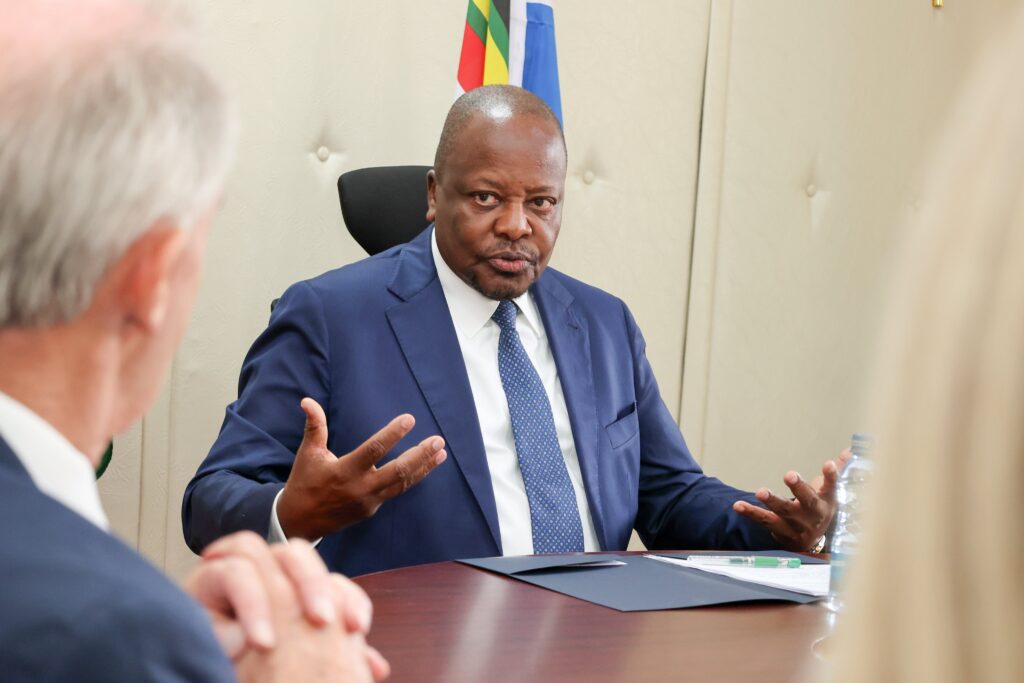
Kenya and Australia Explore Agricultural Partnership to Boost Livestock Research, Vaccine Production and Youth Skills
Kenya and Australia are exploring a new agricultural partnership focusing on livestock research, animal vaccine production, modern breeding technologies and practical training for young people entering the agricultural sector.
The proposed cooperation is expected to create opportunities for Kenya to access Australian research expertise, strengthen local livestock technology and improve the country’s capacity to develop agricultural solutions for farmers and livestock producers.
The discussions bring together two countries with established agricultural sectors and an interest in improving productivity through research, technology transfer and skills development. For Kenya, the engagement comes at a time when livestock farmers face increasing pressure to improve animal productivity, control livestock diseases and adopt better breeding and feeding practices.
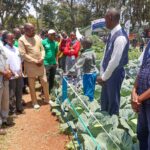
Agriculture Cabinet Secretary Sen. Mutahi Kagwe received a delegation from the Government of the Commonwealth of Australia, led by Acting High Commissioner Andrew Barnes, to discuss possible areas of bilateral cooperation.
The meeting examined opportunities for Australian institutions and Kenyan agricultural research organisations to work together, particularly in livestock development, crop research, vaccine production and agricultural training.
Although the discussions are still focused on exploring areas of cooperation, the proposed partnership presents opportunities to strengthen Kenya’s agricultural research capacity and improve access to technologies used in more developed livestock production systems.
Kenya Seeks Stronger Livestock Research Partnerships With Australia
Livestock research was among the main areas discussed during the meeting, with both sides exploring opportunities to establish partnerships between Kenyan institutions and leading Australian research organisations.
Australia has an established livestock and agricultural research sector, with expertise in animal breeding, pasture management, animal health, genetics and production systems. Collaboration with Australian institutions would give Kenyan researchers opportunities to exchange knowledge, benchmark research approaches and explore technologies suited to local farming conditions.
For Kenya, stronger livestock research is important as farmers seek ways to improve milk production, meat yields, reproductive performance and disease resistance.
Smallholder dairy farmers, pastoral communities and commercial livestock enterprises all depend on access to reliable research and extension services. Research partnerships that address practical farm challenges would help improve production while reducing losses associated with poor animal health and inefficient management.
The discussions also covered crop development, indicating that the proposed cooperation extends beyond livestock production to wider agricultural research.
Joint research, technical exchanges and institutional partnerships would provide opportunities for Kenyan scientists and agricultural professionals to learn from Australian experience while developing solutions appropriate for Kenya’s different agroecological zones.
Such cooperation would also be useful in strengthening the link between research institutions and farmers. Research findings need to reach livestock keepers and crop producers in a form they can apply on their farms, rather than remain confined to laboratories and academic publications.
Vaccine Production Partnership Seeks to Meet Growing Regional Demand
Animal vaccine development and production formed another major part of the discussions, particularly given the growing demand for livestock vaccines in Kenya and neighbouring countries.
During the meeting, Kagwe highlighted existing partnerships with a British organisation which have supported vaccine production and sexed semen technology. The collaboration has enabled the supply of vaccines and sexed semen to 13 countries.
According to the information shared during the engagement, demand for the products continues to exceed current production capacity.
Uganda alone has received 11 million vaccine doses, demonstrating the scale of demand for animal health products within the regional market.
The growing demand presents an opportunity for Kenya to strengthen its position in veterinary vaccine manufacturing and supply. However, meeting regional requirements will require adequate production facilities, research investment, quality control systems and reliable distribution networks.
Livestock diseases continue to affect productivity across East Africa. Disease outbreaks increase veterinary costs, reduce milk and meat production, affect animal reproduction and, in severe cases, result in livestock deaths.
For farmers, access to affordable and effective vaccines is an important part of maintaining healthy herds and protecting farm income.
Expanding local production would also help reduce reliance on imported veterinary products, although manufacturers must maintain the required safety, quality and regulatory standards.
Cooperation with Australian research institutions could provide additional technical expertise in vaccine research, animal disease surveillance and the development of improved livestock health technologies.
The discussions did not announce a specific new vaccine manufacturing facility or production target under the proposed Australian partnership. Instead, they identified vaccine development and technology cooperation as areas with potential for further engagement.
Sexed Semen Technology Could Support Improved Livestock Breeding
The proposed cooperation also touched on sexed semen technology, an area with growing relevance to dairy and livestock breeding programmes.
Sexed semen is processed to increase the likelihood of producing offspring of a selected sex. In dairy farming, farmers often prefer female calves because they provide replacement heifers for future milk production.
Conventional semen contains approximately equal proportions of X-bearing and Y-bearing sperm cells. Sex-sorting technology separates sperm cells based on their chromosome characteristics, allowing breeders to select semen with a higher probability of producing calves of the desired sex.
For commercial dairy farmers, the technology offers an opportunity to increase the number of female calves born within a breeding programme and improve herd replacement planning.
Farmers investing in improved dairy genetics also stand to benefit from more targeted breeding decisions, particularly where they want to retain high-performing cows and gradually improve the genetic quality of their herds.
However, successful use of sexed semen depends on several factors, including the quality of the semen, the reproductive health of the cow, accurate heat detection and proper timing of artificial insemination.
Nutrition and general herd management also influence breeding performance. Farmers should therefore combine improved breeding technologies with good feeding programmes, disease prevention and regular reproductive monitoring.
The existing partnership highlighted by Kagwe has supported the production of sexed semen for international markets, alongside animal vaccines. Further international cooperation would offer opportunities to strengthen technical capacity and respond to growing demand from livestock producers.
Agricultural Training Centres to Support Youth Skills Development
Youth training and participation in agriculture also featured prominently during the discussions between the Kenyan and Australian delegations.
The two sides explored opportunities to use Kenya’s Agricultural Training Centres (ATCs) to provide young people with practical agricultural skills.
The discussions also considered how the proposed cooperation could complement existing United Kingdom-supported agricultural training and internship programmes.
Kenya continues to face the challenge of attracting and retaining young people in farming, particularly as many view agriculture as an activity with high production risks, limited access to finance and uncertain returns.
Practical training is one of the ways to address these concerns by equipping young people with technical knowledge and business skills needed to operate successful agricultural enterprises.
Agricultural Training Centres provide an existing foundation for such programmes. With stronger institutional partnerships, the centres could support training in livestock production, animal health, modern breeding, farm management, crop production and agricultural technologies.
Young people also need exposure to the business side of agriculture, including record keeping, input management, marketing, value addition and financial planning.
For instance, a young person interested in dairy farming needs more than knowledge of feeding and milking. They must understand animal selection, breeding, housing, disease prevention, milk handling, production costs and market requirements.
Similarly, young people entering crop production need practical knowledge of seed selection, soil management, irrigation, pest control, harvesting and produce marketing.
Combining classroom instruction with farm-based training and internships would give trainees an opportunity to gain experience before establishing their own agricultural businesses or seeking employment in the sector.
The proposed use of ATCs also offers an opportunity to strengthen the connection between agricultural education and the actual needs of farmers, agribusinesses and livestock producers.
What the Kenya-Australia Partnership Means for Farmers
The proposed agricultural cooperation presents several opportunities for Kenya’s farming sector, particularly in livestock production and agricultural research.
For dairy farmers, improved breeding technologies and stronger research partnerships could support better herd genetics and reproductive performance.
Livestock producers would also benefit from efforts to expand animal vaccine development and production, especially if increased manufacturing capacity translates into more reliable access to quality veterinary vaccines.
For researchers, cooperation with Australian institutions could create opportunities for technical exchanges, joint research and access to international expertise in livestock and crop development.
Young people stand to benefit from practical training programmes that prepare them for employment and entrepreneurship across the agricultural value chain.
The benefits, however, will depend on how the discussions translate into actual programmes, institutional agreements, funding arrangements and technologies accessible to farmers.
Kenya will also need to ensure that technologies introduced through international partnerships suit local production conditions. A breeding or feeding approach designed for large commercial farms in Australia, for example, requires proper assessment before adoption by smallholder farmers operating under different climatic and financial conditions.
Research institutions, agricultural training centres, county governments and private-sector players will therefore have important roles in ensuring the proposed cooperation produces practical results.
Kenya Looks to Strengthen Its Position in Regional Agricultural Markets
The discussions with Australia reflect Kenya’s interest in expanding international agricultural cooperation while strengthening its ability to supply technology, veterinary products and agricultural expertise to regional markets.
The reported supply of vaccines and sexed semen to 13 countries indicates existing demand for Kenyan-supported agricultural technologies beyond the domestic market.
With Uganda alone receiving 11 million vaccine doses, there is a clear indication of the scale of regional demand highlighted during the engagement.
Strengthening production capacity, research partnerships and quality assurance would help Kenya respond to such demand while supporting livestock farmers at home.
The proposed Kenya-Australia agricultural partnership now places research, technology transfer, livestock health and youth training among the areas identified for further cooperation.
For farmers, the main interest will be whether these discussions lead to improved access to affordable vaccines, better livestock breeding services, stronger extension support and practical training opportunities.
The next stage will involve translating the areas discussed into concrete partnerships and programmes capable of reaching research institutions, agricultural training centres and farming communities across Kenya.
https://farmerstrend.co.ke/farming-news/kenya-australia-agricultural-partnership-livestock-research/https://farmerstrend.co.ke/wp-content/uploads/2026/11/Kenya-Australia-Agricultural-Partnership-Targets-Livestock-Research-Vaccine-Production-and-Youth-Skills-1024x683.jpghttps://farmerstrend.co.ke/wp-content/uploads/2026/11/Kenya-Australia-Agricultural-Partnership-Targets-Livestock-Research-Vaccine-Production-and-Youth-Skills-150x150.jpgFarming NewsKenya Australia agricultural partnership to strengthen livestock research, vaccine production, sexed semen technology and practical training for young farmers.Kenya and Australia Explore Agricultural Partnership to Boost Livestock Research, Vaccine Production and Youth Skills Kenya and Australia are exploring a new agricultural partnership focusing on livestock research, animal vaccine production,...FarmersTrendjohn doefarmerstrend@gmail.comAdministratorFarmers Trend Ltd.









Leave a Reply