Understanding Seedless Fruits: A Comprehensive Exploration
In the ever-evolving field of food sciences and nutrition, the study of seedless fruits presents a fascinating intersection of botany, genetics, and consumer preferences. Seedless fruits, such as navel oranges, bananas, and watermelons, have become staples in modern diets due to their convenience, longer shelf life, and appealing texture. But how do these fruits develop without seeds? Are they as nutritious as their seeded counterparts? And how are they propagated?

What Are Seedless Fruits?
Seedless fruits are a fascinating category of fruits that have been cultivated to develop without seeds or with significantly reduced seed content. These fruits are highly popular among consumers due to their convenience, appealing texture, and ease of consumption. Unlike traditional fruits, which rely on seeds for reproduction, seedless fruits are often propagated through alternative methods such as grafting, cuttings, or tissue culture.
The Science Behind Seedless Fruits
Fruit Development and Parthenocarpy
Fruit development typically begins when one or more egg cells in the ovular compartment of a flower are fertilized by sperm nuclei from pollen. This process, known as fertilization, leads to the formation of seeds within the fruit. However, in some plants, fruit develops without fertilization—a phenomenon called parthenocarpy. Parthenocarpic fruits are seedless and can arise naturally or through human intervention.
Parthenocarpy offers several advantages over seeded fruits. For one, seedless fruits often have a longer shelf life because the absence of seeds reduces the risk of spoilage. Additionally, seedless fruits are more appealing to consumers who prefer the convenience and texture of fruits without seeds. This consumer preference has driven the cultivation and commercialization of seedless varieties in many fruit species.
Mechanisms of Seedlessness
There are several reasons why some fruits develop without seeds:
- Pollination Failure or Nonfunctional Gametes: In some cases, seedlessness results from the failure of pollination or the production of nonfunctional eggs or sperm. This can occur due to genetic factors or environmental conditions that disrupt the reproductive process.
- Self-Incompatibility: Many plants have self-incompatibility genes that prevent successful fertilization unless cross-pollination occurs between genetically different male and female parents. This property is exploited by citrus farmers who grow seedless fruits like navel oranges and clementines. These cultivars are self-incompatible, meaning they fail to set seed when planted in orchards of identical plants (clones). However, they have a high frequency of parthenocarpy, allowing them to produce fruit without seeds.
- Chromosomal Imbalance: Another common reason for seedlessness is chromosomal imbalance. For example, the common banana is triploid, meaning it has three sets of chromosomes instead of the usual two (diploid). Triploid plants seldom produce viable eggs or sperm with a balanced set of chromosomes, making successful seed set very rare. Despite this, bananas produce fruit through parthenocarpy.
Propagation of Seedless Fruits
Since seedless fruits do not produce viable seeds, they must be propagated through other means. The most common methods include asexual propagation techniques such as grafting, cuttings, and tissue culture.
- Grafting: This is a widely used method for propagating seedless fruit trees, such as navel oranges. In grafting, a piece of a mature plant (the scion) is attached to a rootstock of a different plant. The scion grows into a new plant that is genetically identical to the parent, ensuring the seedless trait is preserved.
- Suckers and Tissue Culture: Bananas, for example, are propagated using side shoots or suckers that grow at the base of the main stalk. These suckers can be removed and replanted to continue the cultivar. Additionally, tissue culture is used to produce large numbers of genetically identical banana plants in a controlled environment.
- Triploid Seed Production: Seedless watermelons are particularly interesting because they must be propagated by seed, despite being seedless. To achieve this, plant breeders produce triploid seeds by crossing a normal diploid parent with a tetraploid parent (a plant with four sets of chromosomes). The resulting triploid watermelons cannot produce functional seeds but develop fruit through parthenocarpy. This process is repeated each generation, making it a somewhat expensive but worthwhile endeavor.
Examples of Seedless Fruits
Several fruits are commonly available in seedless varieties, including:
- Seedless Grapes: These are popular for their sweet flavor and lack of seeds, making them easy to eat.
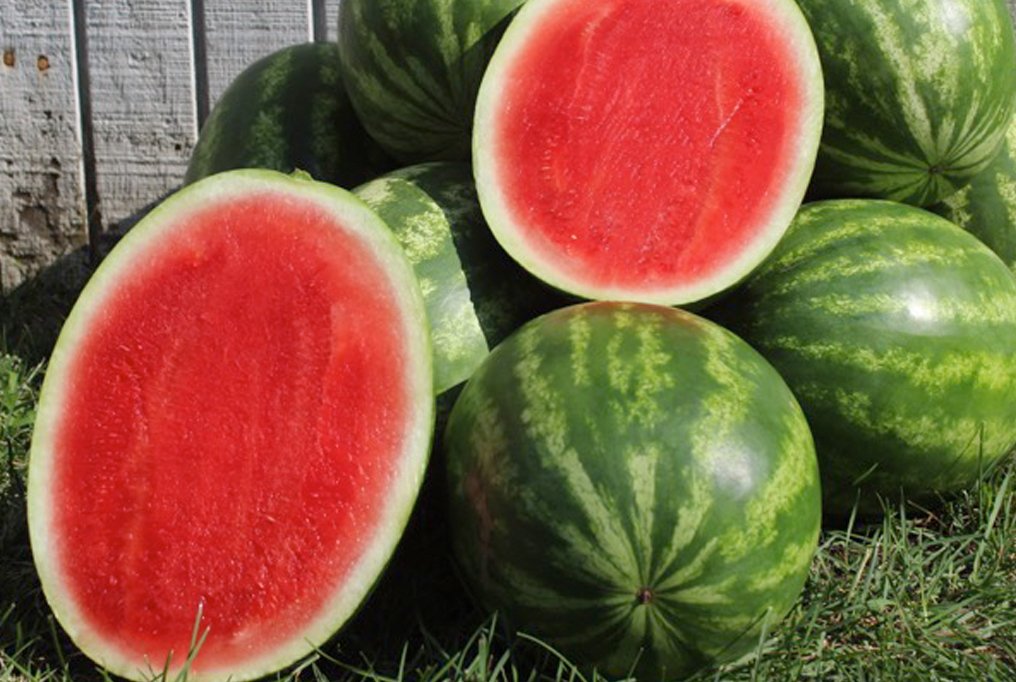
- Seedless Watermelons: These are triploid varieties that produce fruit without seeds.
- Bananas: Most commercial bananas are seedless and propagated through suckers or tissue culture.
- Navel Oranges: These are seedless due to self-incompatibility and are propagated through grafting.
- Clementines: These are seedless citrus fruits that are also self-incompatible.
- Pineapples: These are naturally seedless and propagated through vegetative methods.
The Role of Plant Hormones
Plant biologists have discovered that the hormone auxin plays a crucial role in the development of parthenocarpic fruits. When auxin is produced early in ovule development, it can stimulate fruit growth even in plants that do not typically exhibit parthenocarpy. This finding has opened up new possibilities for inducing seedlessness in a wider range of fruit species through genetic engineering or hormone treatments.
Nutritional Value of Seedless Fruits
One common misconception about seedless fruits is that they are less nutritious than their seeded counterparts. However, research has shown that seedless fruits are just as nutrient-dense as seeded fruits. They contain essential vitamins, minerals, and antioxidants that contribute to a healthy diet.
For example, seedless grapes are rich in resveratrol, a powerful antioxidant linked to heart health. Seedless watermelons are an excellent source of lycopene, which has been associated with a reduced risk of certain cancers. Similarly, seedless bananas provide potassium, vitamin C, and dietary fiber, making them a nutritious snack option.
The absence of seeds does not diminish the nutritional value of these fruits. In fact, the convenience of seedless varieties may encourage greater fruit consumption, leading to improved overall dietary habits.
A common misconception is that seedless fruits may lack nutrients. However, they are just as nutrient-dense as their seeded counterparts.
- Rich in Vitamins: Seedless fruits like oranges, grapes, and bananas are excellent sources of vitamin C and B vitamins.
- High in Antioxidants: Many seedless fruits contain polyphenols and flavonoids, which help combat oxidative stress.
- Good Source of Fiber: Despite lacking seeds, these fruits still contain fiber, which aids digestion.
Economic and Agricultural Benefits of Seedless Fruits
- Higher Market Demand: Consumers prefer seedless varieties, making them more profitable for farmers.
- Uniformity in Size and Shape: This makes them attractive for commercial markets.
- Resistance to Pests and Diseases: Some seedless varieties are more resistant due to controlled propagation methods.
Challenges in Seedless Fruit Cultivation
- High Production Costs: Techniques like grafting and tissue culture require expertise and resources.
- Limited Genetic Diversity: Asexual propagation reduces genetic variation, making plants more susceptible to diseases.
- Dependency on Human Intervention: Since they do not produce seeds naturally, farmers must continuously propagate them using vegetative methods.
Safety and Edibility of Seedless Fruits
Seedless fruits are not only safe to eat but are also often preferred for their texture and ease of consumption. The processes that lead to seedlessness—whether natural parthenocarpy or human-induced techniques like grafting and triploid seed production—do not introduce any harmful substances into the fruit. Regulatory agencies worldwide have deemed seedless fruits safe for consumption, and they are subject to the same quality and safety standards as seeded fruits.
The Future of Seedless Fruits
As consumer demand for seedless fruits continues to grow, researchers are exploring new ways to induce seedlessness in a wider range of fruit species. Advances in genetic engineering, such as CRISPR-Cas9, offer the potential to create seedless varieties with enhanced nutritional profiles and improved resistance to pests and diseases. Additionally, the study of plant hormones like auxin may lead to new methods for inducing parthenocarpy without the need for complex breeding programs.
The cultivation of seedless fruits also has implications for sustainable agriculture. By reducing the need for seeds, farmers can focus on producing high-quality fruit with minimal waste. Furthermore, the longer shelf life of seedless fruits can help reduce food waste and improve food security.
Conclusion
Seedless fruits represent a remarkable achievement in the fields of botany, genetics, and food science. Through natural processes like parthenocarpy and human ingenuity in propagation techniques, we have been able to create fruits that are not only convenient and appealing but also nutritious and safe to eat. As research continues to advance, the future of seedless fruits looks promising, with the potential to expand their availability and enhance their benefits for consumers and the environment alike.
In the world of food sciences and nutrition, learning never stops. The story of seedless fruits is a testament to the power of curiosity, innovation, and the relentless pursuit of knowledge. So the next time you enjoy a seedless watermelon or a banana, take a moment to appreciate the science and effort that made it possible.
https://farmerstrend.co.ke/trending/understanding-seedless-fruits-a-comprehensive-exploration/https://farmerstrend.co.ke/wp-content/uploads/2025/02/FOzMuNPXMAIJqom.jpghttps://farmerstrend.co.ke/wp-content/uploads/2025/02/FOzMuNPXMAIJqom-150x150.jpg# TrendingIn the ever-evolving field of food sciences and nutrition, the study of seedless fruits presents a fascinating intersection of botany, genetics, and consumer preferences. Seedless fruits, such as navel oranges, bananas, and watermelons, have become staples in modern diets due to their convenience, longer shelf life, and appealing texture....FarmersTrendjohn doefarmerstrend@gmail.comAdministratorFarmers Trend Ltd.












Leave a Reply