Integrated pest management: A practical approach to healthier crops and safer pest control
Managing crop pests and diseases is an ongoing challenge for farmers. While chemical pesticides can help control pests, relying too heavily on them can increase
production costs, harm beneficial insects, and pose risks to human health and the environment.
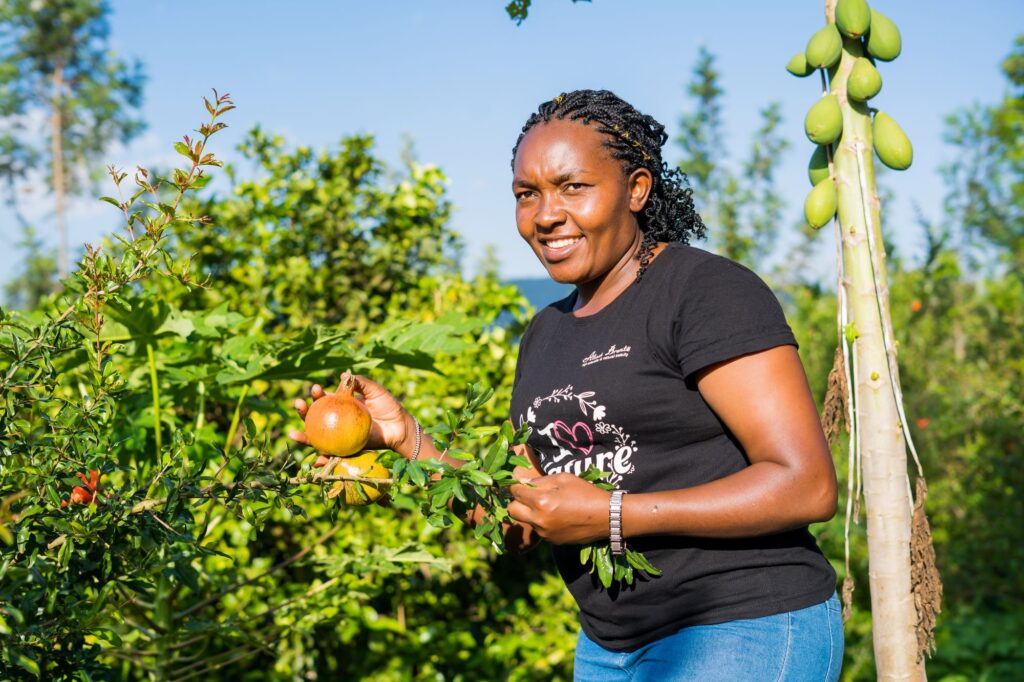
Integrated pest management (IPM) is a sustainable approach to pest management that focuses on prevention, monitoring, and informed decision-making. It combines biological, cultural, physical, and chemical methods to manage crop pests effectively while minimizing economic, health, and environmental risks. By reducing reliance on chemical pesticides, IPM helps farmers protect their crops and produce food more sustainably.
How does IPM work?
IPM focuses on prevention and long-term solutions rather than quick chemical fixes. This holistic strategy uses:
- Crop rotation and good crop hygiene to prevent pest problems
- Regular monitoring and accurate diagnosis to identify crop problems early
- Resistant varieties to reduce vulnerability
- Beneficial insects and other biological control methods to manage pests naturally
- Physical controls, such as traps and removing infested plant material
- Targeted pesticide application only when necessary
Farmers can also assess how well their chosen methods have worked and use this information to inform future pest management decisions.
CABI Academy’s Integrated Pest Management Fundamentals course introduces the principles of IPM and how different pest management methods can work together. The online course is free for learners in Kenya.
The importance of accurate crop pest diagnosis
Before choosing a pest management method, farmers need to understand what is affecting their crops. Different pests, diseases and other crop health problems require different management approaches. An incorrect diagnosis can lead to unnecessary pesticide applications, increased costs, and ineffective treatment.
CABI Academy’s Crop Pest Diagnosis Fundamentals course helps farmers and agricultural professionals develop the skills to identify crop problems and make informed pest management decisions.
For Mercy Akinyi Ogonyo, a crop health scientist at the Kenya Agricultural and Livestock Research Organization (KALRO), CABI Academy training helped build her confidence in diagnosing crop problems and advising farmers.
In one case, Mercy identified a bacterial infection affecting a farmer’s kale crop. Rather than recommending pesticides, she advised the farmer to reduce watering, remove affected leaves and improve airflow. Follow-up visits confirmed the infection had cleared without pesticides.
As Mercy explains, “The right diagnosis at the right time makes the difference.”
Her experience shows how accurate diagnosis and practical plant health knowledge can help agricultural professionals recommend appropriate solutions and avoid unnecessary pesticide use.
Using biological control and bioprotection products in IPM
Biological control is an important part of an IPM strategy. It uses living organisms such as natural enemies, predators, parasites or disease-causing organisms to reduce pest populations. Biological control can involve encouraging naturally occurring beneficial organisms or introducing them to manage pests.
Biological control offers a sustainable and environmentally friendly alternative to conventional chemical pesticides. It can also be economically efficient, as some natural enemies can provide ongoing pest control once established.
Biopesticides are products that use microorganisms or naturally derived substances to control pests. They form part of a broader group of bioprotection products, which also includes other biological pest control solutions, such as beneficial insects sold for release onto crops. These products can be used as part of an IPM strategy, helping farmers reduce their reliance on conventional chemical pesticides.
Farmers and agricultural professionals who want to learn more about these alternatives can take CABI Academy’s Introduction to Bioprotection Products course. The course is free in Kenya and introduces different types of bioprotection products and how to use them.
Using pesticides as part of IPM
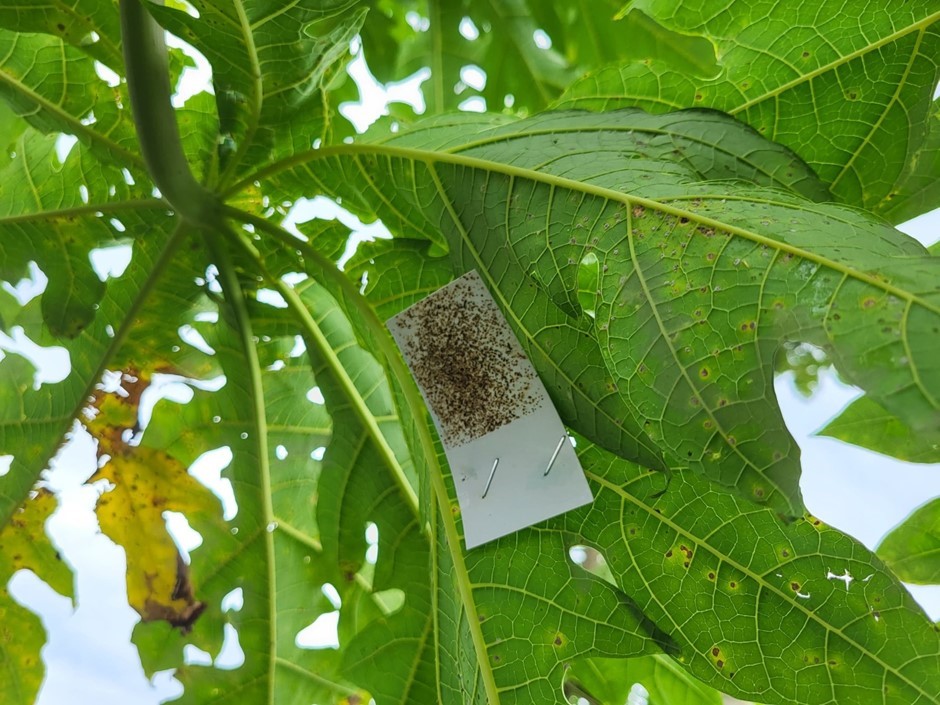
An important part of IPM is deciding when action is needed. By regularly monitoring crops and assessing pest populations, farmers can determine whether pests have reached a level where they are likely to cause unacceptable damage, known as an intervention threshold. This helps farmers choose the most appropriate management method.
If other management methods are insufficient, pesticides may be necessary. Choosing the most appropriate product, following label instructions and applying pesticides correctly can help minimize risks to human health and the environment.
Understanding the risks associated with pesticide use and how to reduce them can help farmers protect themselves, others and the environment.
CABI Academy’s Reducing Pesticide Risk course provides practical learning on pesticide risks and ways to reduce them. The online course is free for learners in Kenya.
Benefits of IPM for sustainable food production
The advantages of IPM extend far beyond pest control. Farmers implementing IPM practices can benefit from improved soil health, increased biodiversity on their farms, and reduced production costs over time.
IPM also reduces farmer exposure to harmful chemicals, improving community health outcomes. Most importantly for food security, IPM helps stabilize yields by building resilient farming systems that can withstand pest pressures and changing climate conditions.
Farmers, agricultural advisors and students can build their knowledge through CABI Academy’s online courses, which are free for learners in Kenya. Visit CABI Academy
Author: Laura Hollis, Communications Manager, CABI
https://farmerstrend.co.ke/trending/integrated-pest-management-a-practical-approach-to-healthier-crops-and-safer-pest-control/https://farmerstrend.co.ke/wp-content/uploads/2026/10/Email-image-1024x682.jpghttps://farmerstrend.co.ke/wp-content/uploads/2026/10/Email-image-150x150.jpg# TrendingManaging crop pests and diseases is an ongoing challenge for farmers. While chemical pesticides can help control pests, relying too heavily on them can increase production costs, harm beneficial insects, and pose risks to human health and the environment.Integrated pest management (IPM) is a sustainable approach to pest management that...FarmersTrendjohn doefarmerstrend@gmail.comAdministratorFarmers Trend Ltd.




Leave a Reply