Soil Testing Gets Major Boost as Kagwe Launches SoilFER to End Fertiliser Guesswork
- Soil testing in Kenya gets a major boost as CS Mutahi Kagwe launches SoilFER at KALRO Kabete to help farmers make better fertiliser decisions.
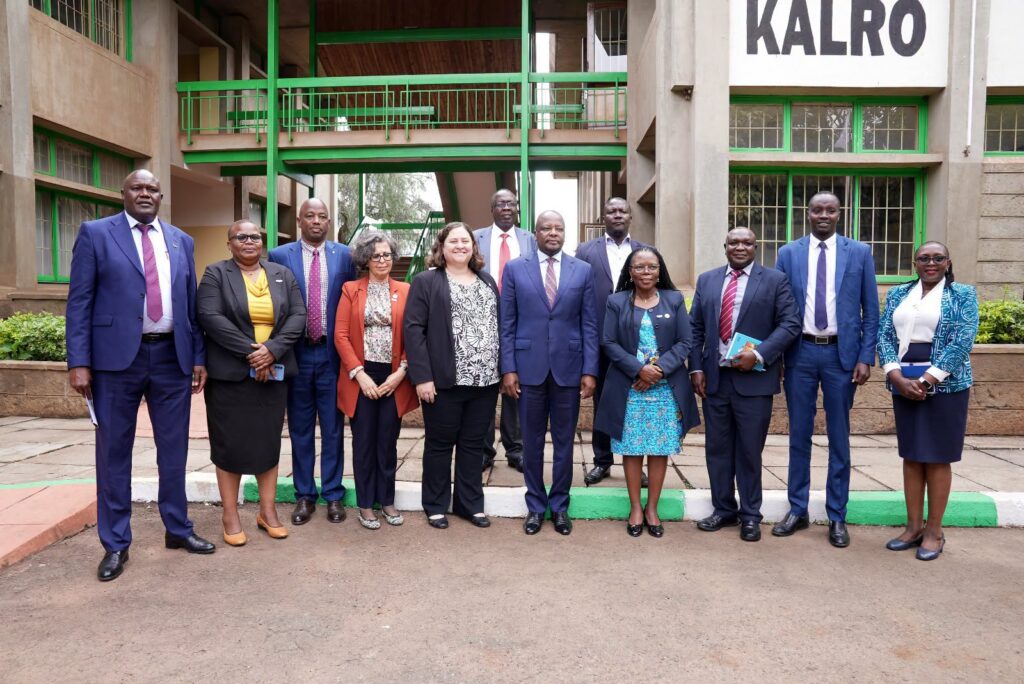
Kenya has taken its most decisive step yet towards replacing guesswork with science in the way farmers manage their soils.
Agriculture Cabinet Secretary Sen. Mutahi Kagwe on Tuesday launched the Soil Mapping for Resilient Agrifood Systems initiative at the KALRO National Agricultural Research Laboratories in Kabete, Nairobi.
The initiative, known as SoilFER, is designed to strengthen soil testing across the country and give farmers the information they need to make fertiliser decisions based on evidence rather than habit or guesswork.
The launch also marked three other milestones. The National Soil Partnership was established. The National Soil Laboratory Network was formed. And the Global Soil Doctors Programme was rolled out nationally.
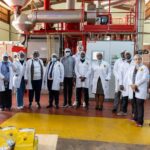
Kagwe also handed over the refurbished KALRO Soil Chemistry Laboratories during the event, marking a major upgrade of the country’s reference facility for soil analysis.
The CS was direct about why this matters.
“A soil test is as important as a medical diagnosis,” he said, stressing that farmers need timely soil results before planting and fertiliser application.
He then made an argument that cut to the heart of Kenya’s fertiliser subsidy debate.
“A bag of the wrong fertilizer, delivered on time, at half the price, to the wrong soil, is still the wrong fertilizer. Subsidy without a soil test is sympathy. It is not strategy,” Kagwe said.
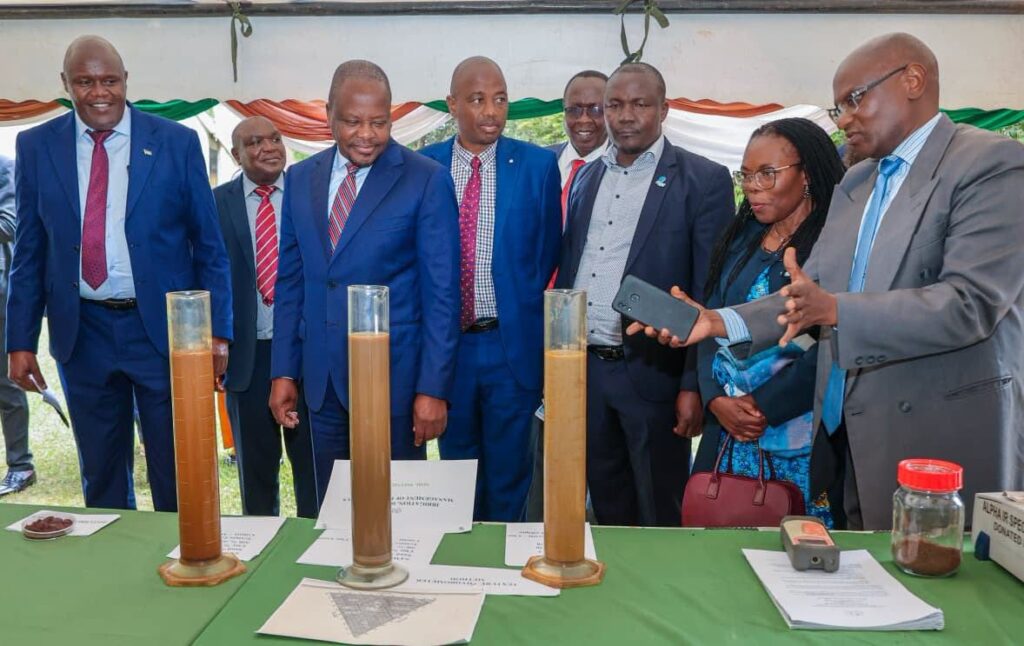
Why Kenya’s Soils Have Been a Silent Crisis
Kagwe told the gathering that 63 per cent of Kenya’s arable land is acidic, with nearly seven million acres classified as strongly acidic.
That figure matters more than most farmers realise. Acidic soils lock up nutrients that would otherwise feed crops. Phosphorus, one of the most important nutrients for root development and grain filling, becomes unavailable to plants in highly acidic conditions.
A farmer can apply the correct fertiliser at the correct rate and still see poor yields because the soil cannot release the nutrients. The result is wasted money, frustrated farmers and a persistent gap between what Kenya produces and what it could produce.
The CS warned that applying fertiliser without addressing soil acidity increases costs without delivering the expected yields. He also reaffirmed the government’s action against counterfeit, expired and substandard agricultural inputs.
For farmers who have spent years applying fertiliser based on habit or what a neighbour recommended, this new push offers something different. It offers information specific to their soil, their crop and their growing conditions.
What SoilFER Has Already Put in Place
SoilFER, which stands for Soil Mapping for Resilient Agrifood Systems, is implemented in Kenya in partnership with the Government of Kenya, the Food and Agriculture Organization and KALRO. The United States Department of State provides financial support.
The programme has already made substantial progress on the ground.
Kenya has completed its national soil sampling campaign, with 3,672 soil samples collected from across the country. Those samples are building the most detailed picture of Kenyan soils ever assembled.
Soil and GIS laboratories have been enhanced through renovation and upgrading with advanced equipment. This matters because reliable data depends on reliable laboratories, and for years many soil labs in the country operated below the standard needed for consistent results.
To date, over 100 technicians and experts have been trained in soil surveys, laboratory analysis and digital soil mapping.
“This project is futuristic. It looks at how we can sustainably use our soils to produce. Healthy soils translate to healthy crops that nourish healthy communities,” said Ms Melanie Thurber, Disaster and Humanitarian Advisor at the United States Embassy in Nairobi.
But generating fresh data is only the beginning of the work.
Across three research stations and 50 trials on farmers’ fields, researchers are testing and refining soil and fertiliser management recommendations under local conditions. The goal is to move away from blanket recommendations towards advice that reflects the real differences in soils, crops and farming conditions from one location to another.
“For the first time, we are beginning to build a comprehensive national picture of Kenyan soils. This project will help us better understand our soils and utilise them optimally for agricultural production,” said Dr Patrick Ketiem, Director General of KALRO.
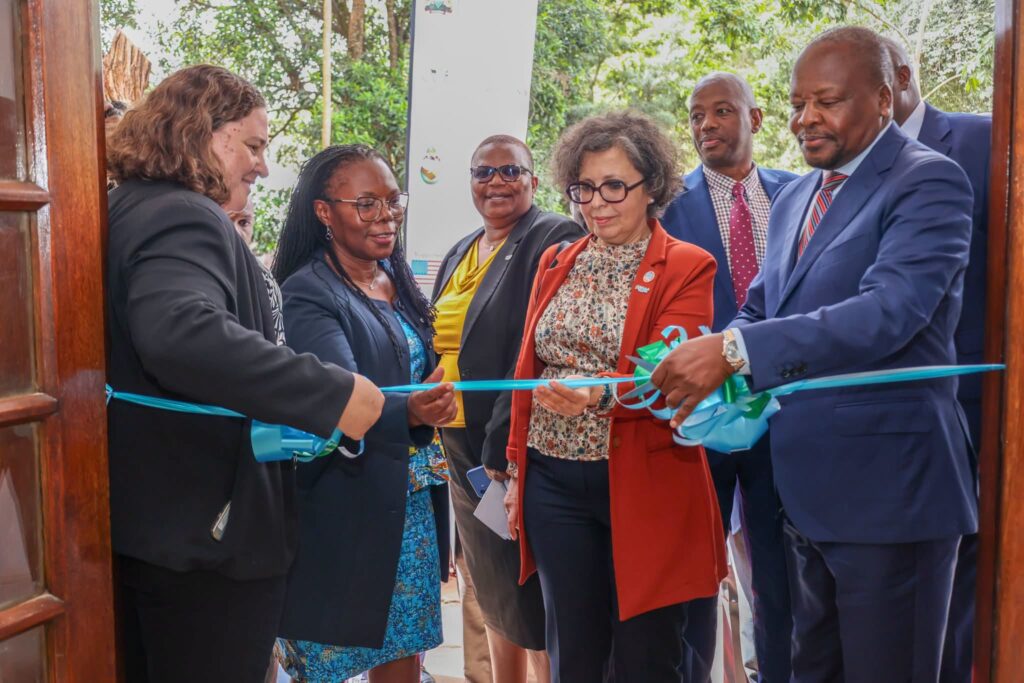
The Three New Institutions and What They Will Do
The launch established three institutions that are expected to carry the work forward long after the current programme cycle ends.
The Kenya Soil Partnership provides a country-driven multi-stakeholder platform. It brings together government institutions, research organisations, universities, soil laboratories, farmer organisations, private sector actors and development partners. Its purpose is to coordinate actions for sustainable soil management so that different players are not duplicating effort or working at cross purposes.
The Kenya Soil Laboratory Network promotes the harmonisation of soil analysis methods and standards. This addresses a longstanding problem in Kenya where different laboratories produced different results for the same soil sample, leaving farmers unsure which advice to trust. The network aims to ensure reliable and comparable soil data is generated across laboratories through continued collaboration and capacity development.
The Global Soil Doctors Programme takes soil knowledge directly to farmers. It works through extension services and farmer-to-farmer learning, training lead farmers who then pass on their knowledge to others in their communities.
Training in Kakamega County has already reached 30 extension officers and more than 150 farmers. The first phase of the programme aims to reach 2,000 farmers across five counties.
What This Means for Farmers Across Kenya
For an ordinary farmer, the practical effect of these initiatives could be significant.
A farmer who tests their soil before planting knows whether to apply lime to correct acidity. They know which nutrients are deficient and which are already sufficient. They know which fertiliser blend will give the best return on their investment.
That knowledge saves money on inputs, improves yields and reduces the risk of crop failure caused by soil problems that could have been corrected.
Extension officers connected to the Soil Doctors Programme will be able to offer advice grounded in actual soil data rather than general guidelines. For farmers in counties where the programme is rolled out first, this represents a real change in the quality of support available.
“Together, we have opened a new path in Kenya: a path of soil intelligence, to guide farmers what to plant, where to plant and how to use fertilizer efficiently, and enable decision makers in adapting agricultural policies according to varying soil conditions,” said Ms Nora Berrahmouni, Deputy Director of the Land and Water Division at FAO.
“The launch of the Kenya Soil Partnership, the National Soil Laboratory Network and the Soil Doctors Programme marks an important step towards stronger soil governance, enhanced national capacity and accelerated progress towards sustainable agricultural transformation in Kenya,” said Farayi Zimudzi.
The Bigger Picture for Kenyan Agriculture
Speaking at the launch, KALRO Board Chairman Mr Benson Ngure emphasised that smallholder farmers need technologies and advice suited to their soils and environments.
This, he said, would help them reduce unnecessary costs, improve yields, withstand climate shocks and strengthen livelihoods.
His words point to a broader truth about Kenyan agriculture. The country has invested heavily in seeds, fertiliser subsidies and extension services over the years. But without accurate soil information, those investments often deliver less than they should.
A farmer who receives subsidised fertiliser but has no idea whether their soil needs that fertiliser will not benefit as much as a farmer who knows exactly what their soil lacks. The difference between the two is information, and that is precisely what SoilFER is designed to provide.
Kagwe captured the shift in thinking that the new initiatives represent.
“For a hundred years we have asked our soils what they can give us. Today we begin, at last, to ask them what they need,” he said.
The three-day programme in Nairobi continues with the first meeting of the national soil laboratory network and a technical assessment of wet and dry soil analysis.
SoilFER is a global programme operating in Ghana, Guatemala, Honduras, Kenya, Mozambique, Tunisia and Zambia, with financial support from the Governments of the United States of America and Japan.
For farmers, the message from Kabete is direct. Healthy soils are the foundation of productive farms, and the science behind soil testing is now being brought closer to the farm gate. The challenge ahead lies in making sure that knowledge reaches every farmer who needs it, from the large-scale commercial grower to the smallholder working a quarter acre in a remote village.
https://farmerstrend.co.ke/farming-news/soil-testing-boost-kagwe-soilfer/https://farmerstrend.co.ke/wp-content/uploads/2026/10/Soil-Testing-Gets-Major-Boost-as-Kagwe-Launches-SoilFER-to-End-Fertiliser-Guesswork-2027-1024x683.jpghttps://farmerstrend.co.ke/wp-content/uploads/2026/10/Soil-Testing-Gets-Major-Boost-as-Kagwe-Launches-SoilFER-to-End-Fertiliser-Guesswork-2027-150x150.jpgFarming Newssoil testing KenyaSoil testing in Kenya gets a major boost as CS Mutahi Kagwe launches SoilFER at KALRO Kabete to help farmers make better fertiliser decisions.Kenya has taken its most decisive step yet towards replacing guesswork with science in the way farmers manage their soils. Agriculture Cabinet Secretary Sen. Mutahi Kagwe...FarmersTrendjohn doefarmerstrend@gmail.comAdministratorFarmers Trend Ltd.









Leave a Reply