Jaboticaba Seedlings in Kenya: Price, Varieties, Planting, Yield and Farming Guide
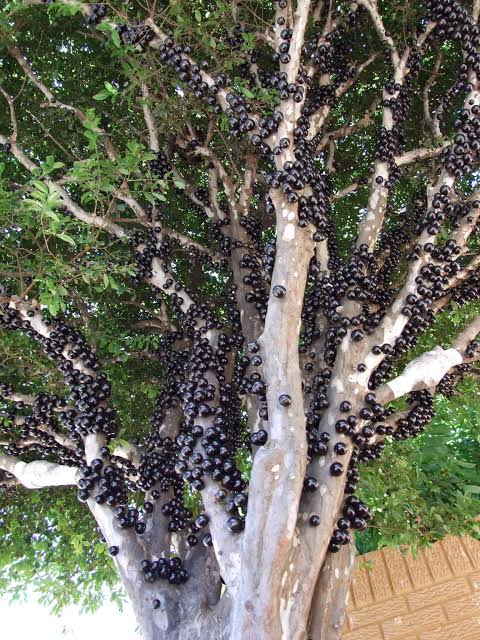
A tree with fruit packed along its trunk looks like a mistake the first time you see it. Purple-black berries sit tight against the bark from knee height upward, as if someone tied them on. Jaboticaba seedlings put this tree within reach of Kenyan farmers and home gardeners, and Farmers Trend now supplies them from the nursery.
Before you order, understand the timeline. Jaboticaba grows slowly. A grafted plant is expected to fruit in three to four years, while a plant raised from seed takes six to ten. The fruit is sweet, slightly tangy and still new to most Kenyan buyers. Plant it with patience, reliable water and a plan for selling a fruit many customers have not yet met.
This guide follows the questions a buyer asks, in order: price, where to buy, the fruit and its nutrition, varieties, how the plants are raised, spacing, planting, care, harvest, markets, costs and profit. Read the profit section before you commit land. It will save you from planning around the wrong number.
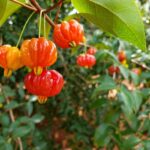
Jaboticaba Seedlings in Kenya
Jaboticaba, also spelt jabuticaba, is known as the Brazilian grape tree. It is still a new crop on Kenyan farms. Few growers have fruited it, so there is little neighbourhood experience to borrow. That puts more weight on buying good planting material and following a sound routine from the first week.
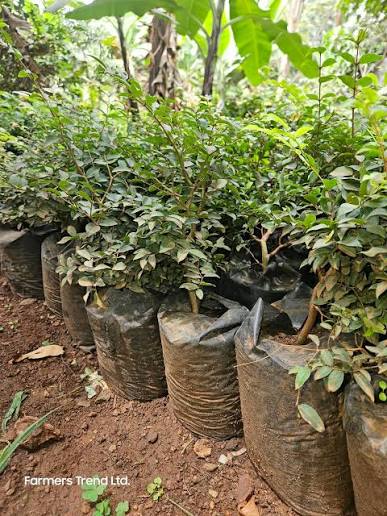
Farmers Trend sells nursery-grown, certified jaboticaba seedlings in two forms. Grafted plants fruit earlier, in three to four years. Plants raised from seed take six to ten years but grow into robust trees. Supply reaches the Central, Western and Rift Valley regions, and our agronomists give planting and orchard care guidance to buyers.
Which form suits you depends on your purpose. A homestead gardener who wants shade, a handsome tree and eventual fruit might happily wait for a seed-raised tree. An orchard investor counting years should lean toward grafted plants. We return to this choice under varieties and again in the profit section.
Jaboticaba Seedlings Price in Kenya
The current price of jaboticaba seedlings on the Farmers Trend Virtual Agrovet is KSh 1,000 per seedling. down from previous price of KSh 2,500, so the present offer is a real reduction. Nursery prices move with stock and offers, so confirm the figure when you call or order.
Work the number into your budget early. An acre planted at 150 trees needs 150 seedlings, and ordering about 10 percent extra for gap filling brings the order to 165 seedlings. At KSh 1,000 each, that is KSh 165,000 for planting material.
Two questions decide whether a price is right for you. Is the plant grafted or raised from seed, and how tall is it? The listed price is a single figure. Delivery charges and terms for large orders are agreed by phone, and this guide does not quote wholesale rates because none has been published. Anyone offering a fixed bulk price without telling you the plant type has given you half the information.
Where to Buy Jaboticaba Seedlings in Kenya
Farmers Trend sells nursery-grown, certified jaboticaba seedlings. Prefer to talk first? Call or WhatsApp 0724 559 286 or 0790 509 684 and ask your questions before paying.
Be careful with roadside sellers and social media posts offering “jaboticaba” without a nursery behind them. Seeds and tiny plants are easy to mislabel. Ask where the plant was raised, whether it is grafted, and request recent photos of the actual batch. A seller who hesitates over these questions has told you what you need to know.
What Is Jaboticaba?
The Tree
Jaboticaba is listed as Myrciaria cauliflora and appears as Plinia cauliflora in newer botanical lists. Both names point to the same Brazilian tree. It belongs to the myrtle family, the same family as guava.
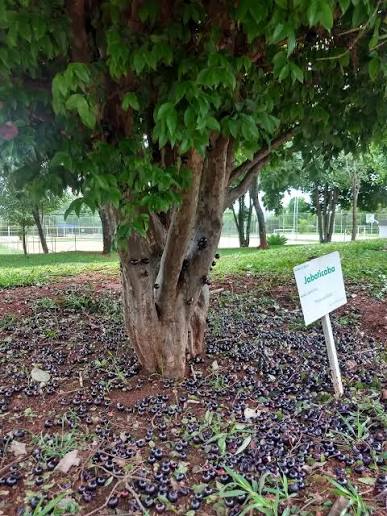
The tree is evergreen and bushy, with branches starting low. It grows slowly, which explains both its charm and its challenge. White flowers appear directly on the trunk and branches, a habit botanists call cauliflory, and the fruits follow in the same places.
The Fruit
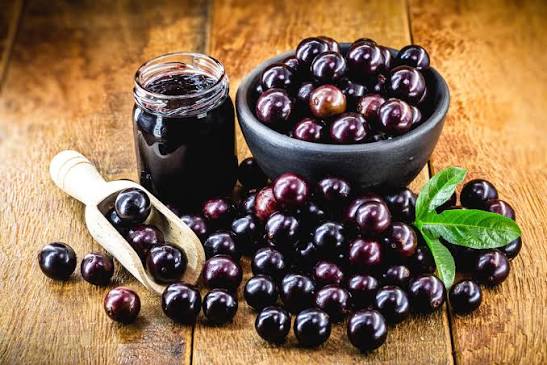
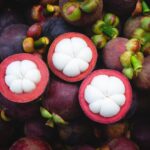
The berry is about the size of a large grape, round, with a thick purple-black skin. Inside sits juicy white pulp, sweet with a slight tang, and one to four seeds. Most people eat the pulp and spit out the seeds. The skin is edible but astringent, so some people squeeze the pulp out and leave the skin behind.
Fresh fruit does not keep long after picking. Ripe berries go to the market, the kitchen or the processing pot quickly. Besides eating it fresh, people make juice, jam, jelly, syrup and wine from it.
Health Benefits of Jaboticaba
Consumers ask about this fruit as often as farmers do, so here is what it offers in plain terms. This section describes the whole fruit eaten as food. It does not present jaboticaba as medicine, and nothing here is a treatment or prevention for any disease.
Jaboticaba Nutrition and Nutritional Value
The edible part is the white pulp, with the skin eaten by those who enjoy its tartness. Like most fresh fruit, jaboticaba holds a lot of water, so it is refreshing to eat. It contains vitamin C, dietary fibre and small amounts of minerals. The exact amounts vary with the tree, the soil and the ripeness of the fruit, so this article does not quote laboratory numbers it cannot support.
The skin gets its dark colour from anthocyanins, natural plant compounds found in many purple fruits and usually described as antioxidants. They are part of what the fruit contains. They are not a drug, and nobody should buy the fruit expecting a medical result from them.
| Component | What the fruit offers | What it means for you |
|---|---|---|
| Water | High water content in the pulp | Refreshing and light to eat |
| Dietary fibre | Present in the pulp, with some in the skin | Fibre is a normal part of a balanced diet |
| Vitamin C | Present in the fruit | One of several fruits adding vitamin C to meals; amounts vary |
| Minerals | Small amounts | A modest contribution, so eat a variety of fruits and vegetables |
| Anthocyanins | Pigments in the dark skin | Natural plant compounds, and the reason the skin is purple-black |
| Natural sugars | Sweet white pulp | Treat it like any other sweet fruit within a balanced diet |
Jaboticaba in a Balanced Diet
Jaboticaba works best as one fruit among many: eaten fresh in season, blended into juice or added to a fruit salad. Consumers choose it for taste, colour and novelty, and for the variety it brings to a fruit bowl.
Because the pulp is sweet, people watching their sugar intake should treat it like any other sweet fruit, and anyone with a medical condition should follow their doctor’s advice on diet. Supplements and extracts sit outside this guide. We sell seedlings for growing the whole fruit.
Jaboticaba Varieties
Start with the choice Farmers Trend offers today: grafted or seedling-raised. Grafted plants are expected to fruit in three to four years. Plants raised from seed take six to ten and tend to grow into robust trees. Neither wins in every case. The better one matches your timeline and your budget for waiting.
Beyond that, jaboticaba has named cultivars in other countries. Sabará is the type most often grown for sweet, early-bearing fruit. Paulista and Açu are described as bearing larger fruit. White-fruited and red-fruited forms also exist. We do not assume a cultivar name when you order. Ask which one your batch is and write it down, because the variety affects fruit size and the ripening pattern you will manage.
Do not accept a named cultivar from a seller who has no record of where the mother tree stands. A name on a label proves little.
How Farmers Trend Raises and Supplies Jaboticaba Seedlings
Farmers Trend jaboticaba seedlings are nursery-grown and certified, offered as grafted plants and as seedling-raised plants. The steps below set out the standard good jaboticaba planting material goes through and what to confirm with us when you order. Ask for the specifics of your batch.
Selecting Planting Material
Everything starts with the mother plant. For seedling-raised plants, the seed comes from a tree whose fruit and health have been seen. For grafted plants, the fruiting wood comes from a tree known to bear well. Ask which mother trees supplied your batch.
Propagation
Jaboticaba seed does not store well. It is sown fresh, soon after cleaning from the fruit, and early growth afterwards is slow. This slowness is why seedling-raised trees need so many years to fruit.
Grafting joins fruiting wood to a young rootstock, which shortens the wait to the three or four years quoted on our listing. This guide does not describe a grafting method. Ask us which plants in your order are grafted.
Nursery Management
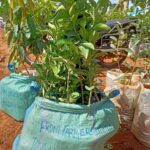
A young jaboticaba in the nursery likes a loose, well-drained, slightly acidic mix, steady moisture and light shade. Waterlogged bags rot the roots, and dry bags stall growth. Consistent watering matters more than heavy watering.
Root Development
Roots decide survival after planting. A healthy plant has pale roots reaching the edges of the bag without circling tightly. The root ball should hold together when the bag comes off. A plant whose soil falls apart has been moved too early or handled roughly.
Hardening
Hardening means exposing the plant to more sun and less shade before it leaves the nursery, so the leaves do not scorch on your farm. Ask whether your plants have been hardened and for how long. On arrival, keep them in light shade for a few days before planting out.
Quality Inspection
Before dispatch, plants should be checked for spotted or yellowing leaves, pests under the leaves, and a straight sturdy stem. For grafted plants, the graft union should be joined and healed. Reject any plant with soft rot at the base.
Packing and Delivery
Seedlings travel best upright, in their bags, with the root ball intact and out of direct sun and wind. Supply reaches the Central, Western and Rift Valley regions. Agree the transport arrangement and expected arrival time before you pay. Water the plants when they arrive and plant them within days.
How to Choose Healthy Jaboticaba Seedlings
Do not select seedlings by size alone. A tall, leggy plant raised in too much shade looks impressive and establishes badly. A shorter plant with a thick stem, dark green leaves and a firm root ball is the better buy.
Check the leaves first. Spots, curled tips and sticky residue point to disease or sucking insects. Turn a few leaves over, because mealybugs and scale hide on the underside.
Look at the base of the stem. It should be firm, not soft, and the soil should be moist but not soggy. On grafted plants, find the graft union and press gently. It should not wobble or show a gap.
Finally, compare plants within the batch. If most look alike and one or two look sickly, the sickly ones will not recover on your farm. Ask for the grafted and seedling-raised plants to be labelled separately so you know what you are paying for.
Where Jaboticaba Grows Best in Kenya
Farmers Trend lists the best performance at 1,200 to 2,000 metres above sea level. Large parts of the Central highlands, the Rift Valley highlands and Western Kenya sit inside this band. Areas within Kiambu, Murang’a, Nyeri, Kirinyaga, Nakuru, Nandi and Kakamega vary in height, so check your own plot.
Find your altitude with a phone GPS app while standing on the actual plot, not in the nearest town. Farms in one county vary by hundreds of metres. If your plot sits below 1,200 metres, call us before ordering. Warmer areas need more irrigation, and a general county list will not replace a conversation about your specific site.
Do not assume every tropical area suits jaboticaba. The tree comes from humid southern Brazil and prefers steady moisture over alternating drought and flood. Choose the wettest, best-drained, sunniest corner of your farm instead of a leftover patch.
Jaboticaba Climate Requirements
Temperature: we recommend 18 to 30 degrees Celsius. Young trees dislike frost, so avoid cold hollows where frost settles on clear nights. A tree in a low pocket suffers while the same variety on a slope a few metres higher does fine.
Rainfall and moisture: jaboticaba wants steady moisture across the year. Our product listing gives no rainfall figure in millimetres, so this guide does not invent one. Judge by your dry months instead. If your farm goes weeks without rain, irrigation belongs in the plan from day one. Do not rely on rainfall alone where moisture is unreliable.
Humidity: a moist atmosphere suits the tree, as in its native Brazil. Hot, dry winds stress flowers and young shoots, so a windbreak of other trees helps in exposed sites.
Sunlight: full sun to partial shade. Fruiting is best in good light. A newly planted seedling benefits from light shade for a few weeks while it settles in.
Jaboticaba Soil Requirements
The tree wants deep, fertile, well-drained loam with a pH between 5.5 and 6.5. Roots stay shallow and are easily damaged, so the top layer of your soil matters more than usual.
Drainage is the part many farmers underestimate. Root rot is on the list of jaboticaba diseases, and waterlogged soil invites it. Do not plant in poorly drained soil. Dig a test hole, fill it with water and watch. If water still stands there the next morning, drain the plot or raise the planting bed before ordering a single plant.
If your soil is heavy clay, plant on raised mounds and mix generous manure into the topsoil. If it is sandy, add manure and mulch to hold moisture. Take a soil test before planting. Soil pH decides whether the tree is able to take up the nutrients you apply, and a test costs far less than replacing trees.
How Many Jaboticaba Trees Fit on One Acre?
An acre is about 4,047 square metres. To calculate the number of trees, divide 4,047 by the area each tree occupies, then round down. The table below does the sums for spacings farmers commonly consider.
| Spacing | Area per tree (m²) | Trees per acre (calculated) |
|---|---|---|
| 4 m x 4 m | 16 | 252 |
| 5 m x 5 m | 25 | 161 |
| 5 m x 6 m | 30 | 134 |
| 6 m x 6 m | 36 | 112 |
| 7 m x 7 m | 49 | 82 |
At 5 m x 5 m, the arithmetic gives 161 trees. A real orchard loses some ground to a path, a headland and a boundary setback. Setting aside about 275 square metres for these, roughly 7 percent of the acre and the area of 11 trees, leaves space for about 150 trees. That is the planning figure used in the cost and profit sections below.
Jaboticaba Spacing
Farmers Trend recommends 5 m x 5 m for commercial planting. The tree is bushy with low branches, and the canopy widens slowly over the years. A young orchard looks empty at this spacing, which tempts farmers to squeeze trees closer. Resist that.
Crowded canopies trap humidity, and trapped humidity feeds leaf spot, anthracnose and powdery mildew. Light has to reach the lower branches because the fruit sits on the trunk and inner branches. Air movement dries the canopy after rain. Wide alleys give you room to weed, spread fertilizer, run irrigation lines and move crates of ripe fruit without bruising trunks.
In the early years, the space between young trees is useful. Farmers Trend suggests intercropping with coffee, macadamia, vegetables or beans. Keep intercrops away from the tree rows so roots are not disturbed, and drop them when the canopies begin to meet.
Do not copy another farmer’s spacing without considering your own farm. Slope, soil depth and your irrigation layout all affect what fits. A homestead planting of a few trees follows the same logic, only with less pressure to maximise numbers.
How to Prepare Land for Jaboticaba
Start with clearing and a soil test. Remove stumps and perennial weeds, because roots hiding in the soil will return after planting. Mark the boundaries, then decide where your water will come from before you place a single peg.
Plan the drainage. Direct runoff away from planting rows, and avoid planting at the bottom of a slope where water collects. If you need a windbreak, plant it a season ahead.
Peg the rows at your chosen spacing. A string line and a measuring rope give straighter rows than eyeballing, and straight rows make irrigation and spraying far easier for years afterward.
Time the work to finish before a rainy season. Planting at the onset of rains reduces your watering burden while the young trees establish.
How to Prepare Jaboticaba Planting Holes
Dig holes about 60 cm wide and 60 cm deep. Put the topsoil on one side and the subsoil on the other, because you will not mix them back together the same way. Dig two to four weeks before planting so the soil airs.
Mix the topsoil with one to two debes of well-decomposed manure. Fresh manure burns roots and attracts termites, so use only manure that has fully broken down. Return the mixture to the hole until it is about three-quarters full.
If your soil is acidic below pH 5.5, ask your agronomist about liming before planting. Skip fertilizer in the hole at this stage. Young roots dislike salts, and manure alone feeds them gently.
How to Plant Jaboticaba Seedlings
Plant at the start of a rainy season, or be ready to irrigate. Overcast mornings or late afternoons are kinder to young plants than midday sun.
- Water the seedling well an hour before planting.
- Cut the polythene bag open at the side rather than pulling the plant out, so the root ball stays whole.
- Set the plant in the hole so the soil level in the bag matches the ground level. For grafted plants, keep the graft union well above the soil.
- Backfill with the topsoil and manure mix, firming gently with your hands, not your boots.
- Water slowly until the soil is soaked, then mulch.
- Shade lightly for the first weeks and stake if the site is windy.
Remove any grafting tape or label wrapped around the stem so it does not strangle the plant as it grows.
Jaboticaba Watering Requirements
Young trees need regular irrigation. Farmers Trend recommends watering three to four times a week while they establish. Mature trees need water mainly in the dry seasons.
Check moisture with a finger. Push it five centimetres into the soil near the roots. If it feels dry, water. If it feels wet, wait. Shallow roots mean the tree suffers quickly from drought, but the same roots rot quickly in standing water.
Drip irrigation suits an orchard because it delivers water at the root zone without wetting leaves, which reduces disease. The Farmers Trend Virtual Agrovet stocks irrigation equipment. Mulch holds moisture between waterings and evens out the swings between wet and dry.
Jaboticaba Manure and Fertilizer Requirements
Manure does the heavy lifting in the early years. Apply well-decomposed manure at planting, then top up every year in a ring around the tree at the edge of the canopy, not against the trunk. Water afterwards so nutrients move into the soil.
For fertilizer, Farmers Trend recommends a balanced NPK such as 17:17:17 or 20:20:20, applied three to four times a year. Split the applications through the year instead of dumping everything at once. Follow the label rate for young fruit trees, increase gradually as the tree grows, and let a soil test guide your adjustments. This guide does not give gram-per-tree figures because the listing does not publish them, and rates depend on soil and tree age.
Spread fertilizer under the canopy where active roots live, then water. Fertilizer left dry on the surface burns roots and wastes money.
Jaboticaba Mulching and Weed Management
Mulch is cheap insurance. A layer of dry grass, crop residue or wood chips about 5 to 10 centimetres thick holds moisture, suppresses weeds and slowly feeds the soil. Keep it a hand’s width away from the trunk, because mulch piled against the bark invites rot and termites.
Weed by hand close to the trunk. Hoeing near shallow roots tears them and opens a door to disease. In the open alleys between rows, slashing or shallow cultivation is enough. A weedy orchard also hides pests and competes for water that young trees need.
Jaboticaba Training and Pruning
Farmers Trend recommends minimal pruning, limited to dead wood. This surprises farmers used to heavy fruit tree pruning. The tree fruits on its trunk and inner branches, so hacking at the framework removes the places where flowers form.
Remove dead, diseased or broken branches with clean, sharp tools. Wipe the blades with disinfectant between trees to avoid spreading disease. Keep lower branches unless they block access, since they shade the trunk and protect it from sunscald.
Jaboticaba Pests and Diseases
Common pests are fruit flies, aphids, mealybugs and scale insects. Common diseases are anthracnose, root rot, leaf spot and powdery mildew.
Fruit flies attack as the berries ripen. Pick ripe fruit promptly, collect and bury fallen berries, and use traps. Aphids, mealybugs and scale insects hide on young shoots and under leaves, often protected by ants, so inspect weekly and deal with ants as well.
Anthracnose and leaf spot rise after wet weather, especially in crowded canopies. Spacing, light and airflow are your first defences. Root rot follows waterlogging. No spray repairs a drainage mistake.
Use only registered products, follow the label and respect the waiting period before harvest. The Farmers Trend Virtual Agrovet stocks fungicides, insecticides and traps. Regular inspection, sanitation, careful irrigation and timely sprays keep the orchard clean.
How Long Does Jaboticaba Take to Produce Fruit?
Longer than most Kenyan fruit farmers expect. Grafted plants are expected to fruit in three to four years. Plants raised from seed take six to ten years.
First fruiting is a beginning, not a payday. Early crops are light, and yield builds as trees mature. Do not establish a large orchard without planning for the years before meaningful production. In those years you pay for irrigation, weeding, fertilizer, labour and protection while the orchard earns nothing from jaboticaba itself.
Intercropping with beans, vegetables, or an established crop such as coffee or macadamia, as Farmers Trend suggests, keeps some income flowing during the wait. A farmer who treats jaboticaba as a long investment and funds it from other income sleeps better than one who expects an early return.
Once mature, trees flower and fruit in more than one flush a year, which spreads harvests across the season.
Jaboticaba Yield Per Tree
Farmers Trend quotes mature trees at 40 to 80 kilograms per season, sometimes exceeding 100 kilograms under optimal care. The word mature matters. A four-year-old grafted tree will not match these numbers, and a neglected tree will not either.
At 150 trees per acre, 40 kilograms per tree gives 6,000 kilograms and 80 kilograms per tree gives 12,000 kilograms. Treat the lower figure as your planning number and the higher one as a target to earn through good care. Yield depends on tree age, water, nutrition, pest control and the season. Ask us for the experience of orchards in your area before building a plan on a single figure.
Jaboticaba Harvesting
Pick the fruit fully ripe, when the skin turns dark purple to black. Berries picked early taste sharp and do not sweeten much afterward, so patience at the tree pays.
Check the trunk and branches every day or two during the season, because berries ripen unevenly. Pick by hand into shallow crates or trays rather than deep sacks, and keep the fruit in shade. Do not pick wet berries in the rain if you can avoid it, since moisture speeds rot.
Move the fruit to the buyer, the kitchen or the processor quickly. Jaboticaba is perishable, and a delay of a few days costs you quality and price. Multiple flushes through the year give continuous picking, which suits farm-gate sales and processing alike.
How to Sell Jaboticaba Fruit in Kenya
Think about marketing before you plant, not when the first berries ripen. A rare fruit has an attractive price per kilogram and a small group of buyers who know it, and these facts pull in opposite directions.
Direct consumers are the easiest first channel. Offer tasting at your gate, a farmers’ market stall or a local event, and let people try the fruit. Fruit vendors and specialty fruit shops follow once people ask for it. Hotels, restaurants and supermarkets are worth approaching for desserts, juices and fruit platters, but they want steady supply and consistent quality, so prove you can deliver before promising volume. Farm-gate buyers may collect directly if your orchard is large.
Processors and value addition widen your market. Juice, jam, jelly, syrup, wine and frozen fruit packs are the products Farmers Trend lists for jaboticaba, and they extend shelf life beyond a few days.
For planning, Farmers Trend works with a fresh fruit range of KSh 800 to 1,200 per kilogram. Treat this as a figure to test with real buyers, not a promise. Start with small volumes, learn what customers pay, and expand the orchard only when your sales confirm demand. Do not plant several acres and then look for a market.
Jaboticaba Farming Cost Per Acre
Only one figure in this table is confirmed: the seedlings. The rest vary by region, supplier and your farm, so we list the categories you must price locally and do not invent numbers.
| Item | What it covers | Figure |
|---|---|---|
| Jaboticaba seedlings | 150 trees plus 15 spares, 165 seedlings at KSh 1,000 | KSh 165,000 |
| Land preparation | Clearing, ploughing, marking rows | To be confirmed locally |
| Planting holes | Digging 150 holes at 60 cm x 60 cm | To be confirmed locally |
| Manure | Well-decomposed manure for holes and yearly top-ups | To be confirmed locally |
| Fertilizer | NPK 17:17:17 or 20:20:20, three to four applications a year | Check current price at the Virtual Agrovet |
| Irrigation | Water source, tank, pump, pipes, drip lines | Depends on farm layout |
| Mulching | Mulch material and spreading | To be confirmed locally |
| Labour | Planting, weeding, watering, harvesting | Local rates |
| Fencing | Boundary protection | Depends on perimeter |
| Tools | Spades, pruning tools, sprayer, crates | To be confirmed |
| Other | Soil test, seedling transport, windbreak | To be confirmed |
Get at least two quotes for irrigation and fencing, since these often make up the largest costs after seedlings. Remember the running costs after establishment, which include fertilizer, labour, water, pest control and harvesting expenses.
Jaboticaba Farming Profit Per Acre
Gross sales and profit are not the same thing. Gross sales are the number of kilograms you sell multiplied by the price. Profit is what remains after you subtract every cost: irrigation, labour, fertilizer, pest control, picking, packaging, transport and your own time.
Profit also arrives late. Because grafted trees take three to four years to fruit and seed-raised trees take six to ten, the orchard produces expenses long before it produces surplus. No figure in this guide is a promise of income.
You have three numbers to test against your own farm: how many kilograms a mature tree gives, what price you actually receive, and what the orchard costs to run each year. Change any one of them and the result moves a lot. The next section shows the arithmetic with transparent assumptions.
Example Jaboticaba Profitability Calculation
The assumptions: 150 trees per acre, mature trees, and Farmers Trend planning figures for yield per tree and fresh fruit price. These are gross sales, not profit.
| Scenario | Trees | kg per tree | Total kg | Price per kg (KSh) | Gross sales (KSh) |
|---|---|---|---|---|---|
| Conservative | 150 | 40 | 6,000 | 800 | 4,800,000 |
| Moderate | 150 | 60 | 9,000 | 1,000 | 9,000,000 |
| Higher | 150 | 80 | 12,000 | 1,200 | 14,400,000 |
The higher scenario assumes the best tree yield and the best price together. It is not normal, and you should not plan a loan around it. The conservative row is the one to build your budget on.
Now stress the conservative case. If a quarter of the fruit spoils or goes unsold, 4,500 kilograms remain, and at KSh 800 the gross falls to KSh 3,600,000. If a thin market forces the price down to KSh 400 per kilogram, 6,000 kilograms bring KSh 2,400,000. The price of KSh 400 is a test figure, not a market price.
To find your surplus, subtract your annual running costs. For illustration only, if running costs were KSh 1,000,000 a year, you would need KSh 167 per kilogram just to break even on 6,000 kilograms (1,000,000 divided by 6,000). Replace that illustration with your own quotes before drawing conclusions.
Note also that an orchard at full maturity produces these figures years after planting, not in your first harvest.
Common Mistakes When Growing Jaboticaba in Kenya
The first mistake is ordering before checking altitude and climate. The tree performs best between 1,200 and 2,000 metres, and a plant bought on enthusiasm does not adapt to a wrong site by being loved.
Another is buying by size alone. A tall plant from a shaded nursery is soft and struggles after planting, and a compact, well-hardened plant outperforms it within a season.
Waterlogged soil kills more young jaboticaba than drought does. Farmers plant in a low corner because it feels moist, then watch roots rot after the first heavy rains. Drainage comes first.
Planting too close is a mistake farmers regret slowly. The orchard looks full in year three and crowded, damp and disease-prone by year eight. Skipping irrigation in the first years is another, because shallow roots and young trees have little reserve.
Expecting quick income leads to the costliest mistake: a big orchard with no funding plan for the waiting years and no market. Planting a grafted tree with the union buried in soil is a smaller error with serious results, since it invites rot and shoots from below the graft. Piling fresh manure against the trunk, ignoring fruit flies until the berries are ruined, and failing to record which batch came from which nursery complete the list.
Can Jaboticaba Be Grown in Containers?
Yes, and the tree is popular in large pots in other countries. Choose a container of 50 litres or more with generous drainage holes, and fill it with a loamy mix with plenty of compost. Place it in full sun to partial shade.
Pots dry out faster than the ground, so water regularly and never let the root ball go dry. Feed on a similar schedule to orchard trees, in smaller amounts. Container trees grow smaller and yield less than ground trees, so treat them as a source of home fruit and an attractive plant rather than a commercial crop. Repot as roots fill the container.
Can Jaboticaba Be Grown on a Small Farm?
Yes. A quarter acre is about 1,012 square metres, so at 5 m x 5 m the arithmetic gives 40 trees, and a few fewer after paths and boundaries. Even a few trees near the homestead give shade, fruit and a talking point.
Small farms have an advantage: you can water, mulch and inspect each tree individually. Plant a few grafted trees for earlier fruit and, if you want a long-term tree, one or two seedling-raised plants. Intercrop with vegetables while the trees are young, keeping crops away from the tree rows.
Can Jaboticaba Be Grown Commercially in Kenya?
It is possible, but few Kenyan farms have done it, and local knowledge is limited. Commercial growing needs a dependable water source, labour for weekly orchard checks, a harvest and cooling plan, and a market worked out in advance.
Plant in blocks. Put in half an acre first, learn how your site behaves, then extend. Keep records of planting dates, batch details, fertilizer, spraying and yield per tree. These records protect your investment and help us advise you.
Plan for value addition. Perishable fruit should have a second route, whether juice, jam or wine, so a flush of ripe berries is never wasted. Talk to the Farmers Trend team before planting more than a small block, so your plan reflects local conditions.
Buying Jaboticaba Seedlings for Export
International buyers are welcome to request a quotation by email or WhatsApp. Include the number of seedlings, your preferred variety, the destination country, the destination city and any planting material requirements, such as documents your plant health authority demands.
Farmers Trend responds with details covering freight, documentation, logistics and an estimated timeframe. This guide does not quote freight prices or delivery times, because both depend on your destination and order size. Check your own country’s plant import rules before ordering, since requirements differ widely.
WhatsApp: +254 724 559 286 or +254 790 509 684
Email: info@farmerstrend.co.ke
Frequently Asked Questions About Jaboticaba Seedlings
- How much do jaboticaba seedlings cost in Kenya?
The Farmers Trend Virtual Agrovet currently lists jaboticaba seedlings at KSh 1,000 each. Confirm the price when you order, since offers change. Delivery and large-order terms are agreed by phone. - Where can I buy jaboticaba seedlings in Kenya?
Order through the Farmers Trend Virtual Agrovet product page, or call or WhatsApp 0724 559 286 or 0790 509 684. Ask where the plants were raised and whether they are grafted. - Are grafted jaboticaba seedlings better than seedling-raised plants?
Grafted plants are expected to fruit in three to four years, against six to ten for plants raised from seed. Seed-raised trees grow robustly. Choose by timeline and purpose. - What jaboticaba varieties are available in Kenya?
Farmers Trend offers grafted and seedling-raised plants. Named cultivars such as Sabará and Paulista exist elsewhere, but ask which cultivar your batch carries before assuming one. - How are jaboticaba seedlings propagated?
By seed or by grafting. Seed is sown fresh and grows slowly. Grafting joins fruiting wood to a young rootstock to shorten the wait for fruit. - Which parts of Kenya suit jaboticaba?
Altitude between 1,200 and 2,000 metres with temperatures of 18 to 30 degrees Celsius suits it best, which covers many highland areas of Central, Western and Rift Valley regions. Check your altitude on the plot itself. - What soil does jaboticaba need?
Deep, fertile, well-drained loam with a pH of 5.5 to 6.5. Avoid waterlogged ground, because root rot follows. Test your soil before planting. - How many jaboticaba trees fit on one acre?
At 5 m x 5 m the arithmetic gives 161 trees. Allowing for paths and a boundary setback, plan on about 150. - What spacing should I use for jaboticaba?
Farmers Trend recommends 5 m x 5 m for commercial planting. Wider spacing gives more air and light, and tighter spacing raises disease pressure. - How deep should the planting hole be?
About 60 cm wide and 60 cm deep, dug two to four weeks ahead. Mix the topsoil with well-decomposed manure, and keep any graft union above the soil. - How often should I water young jaboticaba trees?
Three to four times a week while they establish. Check moisture five centimetres down, and avoid both drying out and standing water. - What fertilizer does jaboticaba need?
A balanced NPK such as 17:17:17 or 20:20:20, three to four times a year, with manure at planting and yearly top-ups. Follow label rates and a soil test. - How long does jaboticaba take to fruit?
Three to four years for grafted plants and six to ten for seed-raised plants. Early crops are light, and yield grows with tree maturity. - How much fruit does one jaboticaba tree give?
Farmers Trend quotes mature trees at 40 to 80 kilograms per season, sometimes beyond 100 kilograms with excellent care. Young trees give far less. - How do I know when jaboticaba is ripe?
When the skin turns dark purple to black. Check daily during the season and pick by hand into shallow crates, then move the fruit quickly because it spoils fast. - Where do I sell jaboticaba fruit in Kenya?
Start with direct consumers, farmers’ markets and fruit vendors, then approach hotels, restaurants and supermarkets once supply is steady. Processing into juice, jam or wine adds a second route. Test real prices before expanding. - Is jaboticaba farming profitable?
It has potential, but returns come years after planting and depend on yield, price and running costs. Gross sales are not profit. Use the conservative scenario in this guide for planning. - Can I grow jaboticaba in a container?
Yes, in a large pot of 50 litres or more with good drainage. Water often and feed regularly. Expect smaller yields than from a tree in the ground. - What are the health benefits of jaboticaba?
Jaboticaba is a fruit with vitamin C, dietary fibre and anthocyanin pigments in the skin. It fits into a varied diet as a refreshing fruit. It is food, not medicine, and does not treat or prevent disease. - What nutrients are found in jaboticaba fruit?
The pulp has high water content, vitamin C, fibre and small amounts of minerals, with natural sugars giving the sweet taste. Exact amounts vary by tree and ripeness.
Final Guide to Buying Jaboticaba Seedlings in Kenya
Before you order jaboticaba seedlings, check four things. Confirm your altitude sits between 1,200 and 2,000 metres, or call us to discuss your site. Test your soil and confirm it drains. Decide whether grafted or seedling-raised plants match your patience. Plan your water supply and your market before you plan your acreage.
Budget for the seedlings at KSh 1,000 each, with a few spares, then price the other establishment costs locally. Plant at 5 m x 5 m, water young trees three to four times a week, prune only dead wood and mulch generously. Expect the first fruit in three to four years from grafted plants, and treat every profit figure as a test of your own assumptions.
Jaboticaba rewards the farmer who plants carefully and waits. If you want a plan for your plot, talk to the Farmers Trend team before you buy.
Farmers Trend
Call/WhatsApp: 0724 559 286 | 0790 509 684
Website: www.farmerstrend.co.ke
Email: info@farmerstrend.co.ke





Leave a Reply