Fruit Seedlings in Kenya: 2026 Ultimate Guide to Grafted Varieties and Orchard Profit
Fruit Seedlings in Kenya: The 2026 Ultimate Guide to Variety Selection, Grafting, and Profitable Orchard Establishment
You have decided to invest in fruit farming. Good decision. The Kenyan horticultural sector is expanding rapidly. Export demand for Hass avocados, macadamia nuts, and exotic fruits grows every year. Local supermarkets are seeking reliable suppliers of graded, premium fruit. The future is bright for farmers who plant the right trees today.

But here is the hard truth. Your entire orchard’s success depends on the quality of the seedlings you plant today. A low-quality seedling will struggle for its entire life. It will produce small, poor-tasting fruit. It will be vulnerable to pests and diseases. It may never reach its yield potential. You will waste years of effort and thousands of shillings.
Planting a low-quality seedling is like building a house on a cracked foundation. You will spend years fighting poor growth, low yields, and disease problems. The tree will never reach its potential. You will lose time, money, and opportunity. The foundation of any successful orchard is the quality of the seedlings you put in the ground.
This guide outlines everything you need to succeed with fruit seedlings in Kenya. You will learn why grafted seedlings outperform conventional planting. You will discover the top 10 fruit varieties for different Kenyan climate zones. You will understand the profitability of each crop. You will master the “Three-Test” rule for identifying certified seedlings.
We also show you how Farmers Trend Limited makes accessing quality seedlings easy. Our nursery in Nairobi Muthaiga produces certified, grafted seedlings. The Virtual Agrovet platform allows you to order online and get delivery anywhere in Kenya. Our agronomists provide ongoing support for your orchard.
Let us build your profitable orchard, step by step.
Introduction: The Future of Kenyan Horticulture
Kenya’s fruit farming sector is undergoing a transformation. Export markets are demanding high-quality, consistent produce. European buyers want Hass avocados with specific oil content and size grading. Middle Eastern markets are seeking premium macadamia nuts. Asian markets are opening for tropical fruits like mangoes and passion fruit.
Local consumers are eating more fruit than ever before. The Kenyan middle class is growing. Health awareness is increasing. More families are including fresh fruit in their daily diets. Supermarkets have expanded their fresh produce sections. Fruit juice bars are opening in every town. This local demand provides a stable market even when export prices fluctuate.
The most profitable opportunities lie in high-value crops. Hass avocados command premium prices in European and Middle Eastern markets. Macadamia nuts have seen a global demand boom. Pixie oranges and sweet tangerines thrive in arid and semi-arid areas like Makueni, Machakos, and Kitui. Exotic fruits like tree tomatoes, Brazilian cherries, and blueberries are opening new income streams for early adopters.
However, these opportunities come with a requirement. You must start with certified, grafted seedlings. You cannot use saved seeds from unknown sources. You cannot buy seedlings from roadside vendors who cannot tell you the source of their planting materials. The informal seed sector is the major source of planting material for farmers, yet the quality of most of these materials is unknown.
Planting the wrong variety is also a common mistake. A farmer in a high-altitude area plants a variety that needs low altitude. The tree struggles. It produces little fruit. The farmer blames the crop instead of his own variety selection. This is why you need expert guidance before you buy.
Farmers Trend Limited has positioned itself as the premier source for certified, export-grade, and climate-resilient seedlings. Our nursery in Nairobi Muthaiga and our network of certified producers supply grafted Hass avocados, macadamia, Pixie oranges, and many other high-value varieties. We do not sell seedlings that we would not plant on our own farms. Every seedling that leaves our nursery has been inspected by qualified agronomists.
We also provide ongoing support. You buy a seedling, and you get access to our agronomic advisory services. You have questions about watering, fertilizing, or pest control. You call us. This is the Farmers Trend Limited difference.

The Science of Selection: Why Grafted Seedlings Outperform Conventional Planting
Grafting is not a new technology. It has been practiced for centuries in China, the Middle East, and Europe. Kenyan farmers have been grafting citrus and mango trees for generations. But many farmers still do not understand why grafting matters so much for commercial fruit production. Let us explain the science clearly.
What Is Grafting?
Grafting is the process of joining two different plant parts together so they grow as one plant. The rootstock is the lower part. It provides the root system. The rootstock determines how well the tree absorbs water and nutrients. It also determines the tree’s tolerance to soil diseases and drought.
The scion is the upper part. It determines the variety of fruit produced. The scion comes from a mature, productive tree that has proven its quality over many years. When you take a scion from a tree that produces excellent Hass avocados, your new tree will produce identical fruit.
The two parts are cut at matching angles. They are pressed together. They are wrapped tightly to hold them in place. Over time, the vascular tissues of the rootstock and scion grow together. Water and nutrients flow from the roots through the graft union to the leaves and fruit. The graft union becomes a permanent part of the tree.
Why Grafted Seedlings Outperform Conventional Ones
Faster Maturity: A fruit tree grown from seed must go through a juvenile phase. During this phase, the tree is growing but not flowering. This juvenile phase can last 5 to 10 years depending on the species. A grafted tree has already passed through the juvenile phase. The scion comes from a mature tree. As a result, a grafted Hass avocado tree can bear fruit in 2 to 3 years instead of 7 years.
True to Type: When you plant a seed from a Hass avocado, the resulting tree will not produce Hass avocados. It will produce an unknown variety. The fruit quality will vary from tree to tree. Some fruit may be good. Most will be poor. Grafting uses a scion from a proven, high-yielding mother tree. Your new tree is a clone of that mother tree. It will produce identical fruit every time.
Disease Resistance: The rootstock can be selected for resistance to soil-borne diseases. Local avocado varieties have strong root systems and resistance to local soil pathogens. However, they produce low-quality fruit. Grafting high-yielding varieties like Hass and Fuerte onto these local rootstocks combines the best of both worlds. Strong roots plus high yields.
Adaptation to Local Conditions: Different rootstocks perform better in different soils. A rootstock that thrives in sandy coastal soil may fail in the volcanic soils of Meru. When you buy grafted seedlings from a reputable nursery, the nursery has already matched the rootstock to the growing conditions of your region.
Uniformity: A grafted orchard is uniform. Every tree is genetically identical. They grow at the same rate. They flower at the same time. They ripen together. This uniformity makes harvesting efficient. It also produces consistent quality for buyers. A seed-grown orchard will have trees of different sizes, different fruit quality, and different harvest times.
The Grafting Principle You Must Understand
The scion determines the variety of the fruit. The rootstock does not change the fruit quality. This means a poor-yielding stem will not lower the harvest of Hass or Fuerte grafted onto it. Conversely, a good scion grafted onto a poor rootstock may still produce good fruit, but the tree may be weak and short-lived.
When you buy fruit seedlings in Kenya, ask about both the scion variety and the rootstock type. A reputable nursery like Farmers Trend Limited can provide this information. A roadside vendor cannot.
Common Grafting Methods Used in Kenya
Whip and Tongue Grafting: This method is used when the scion and rootstock are the same diameter. Both are cut with matching slanted cuts and a tongue that interlocks. The joint is wrapped tightly. This method has high success rates in the hands of skilled grafters.
Cleft Grafting: This method is used when the rootstock is larger than the scion. A cleft is cut into the rootstock. The scion is cut into a wedge shape and inserted into the cleft. This method is common for top-working existing trees to change their variety.
Side Grafting: This method is used when the scion is inserted into the side of the rootstock. It is useful for grafting onto established trees or when the rootstock is not ready for cleft grafting.
Bud Grafting (Budding): This method uses a single bud instead of a scion with multiple buds. A T-shaped cut is made in the rootstock bark. The bud is inserted under the bark. The area is wrapped. Budding is often used for citrus trees.

Top 10 Fruit Seedlings for Kenyan Climate Zones
Different fruit varieties perform better in different regions. Choosing the wrong variety for your climate zone is the most common mistake new fruit farmers make. This section helps you match the right seedling to your location and market opportunity.
Table 1: The 2026 Profitability Matrix for High-Value Fruit Seedlings in Kenya
| Crop Variety | Altitude Range (meters) | Maturity Period (Years) | Yield Potential (kg/tree) | Market Price (KES/kg) | ROI Potential |
|---|---|---|---|---|---|
| Hass Avocado | 1,500 – 2,100 | 2 – 3 | 150 – 400 | 40 – 80 | Very High |
| Macadamia | 1,200 – 1,800 | 4 – 5 | 30 – 50 (nuts in shell) | 100 – 200 | High |
| Pixie Orange | 1,000 – 1,800 | 3 – 4 | 200 – 400 | 30 – 60 | Medium to High |
| Tree Tomato (Tamarillo) | 1,500 – 2,500 | 1 – 2 | 100 – 200 | 50 – 100 | Medium |
| Jackfruit | 1,000 – 1,800 | 4 – 6 | 100 – 500 | 40 – 80 | Medium |
| Grafted Mango (Apple/Kent) | 800 – 1,800 | 3 – 4 | 200 – 500 | 20 – 40 | Medium |
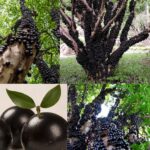
| Brazilian Cherry | 1,000 – 2,000 | 2 – 3 | 30 – 50 | 200 – 400 | High |
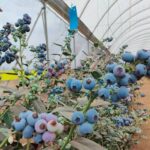
| Blueberry | 1,500 – 2,500 | 2 – 3 | 5 – 10 | 500 – 1,000 | High |
| Pear (Williams Bon Chretien) | 1,800 – 2,800 | 3 – 4 | 100 – 200 | 80 – 150 | Medium |
| Apple (Anna, Dorsett) | 1,800 – 2,800 | 3 – 4 | 50 – 100 | 100 – 200 | Medium to High |
Hass Avocado: The Export King
Hass avocado is the most profitable fruit crop for Kenyan smallholders. A single mature Hass avocado tree can produce 150 to 400 kilograms of fruit per year. At KES 50 per kilogram, one tree generates KES 7,500 to KES 20,000 annually. With 70 trees per acre, annual revenue ranges from KES 525,000 to KES 1.4 million.
Unlike tea or coffee, avocados are not labor-intensive. You do not need to pick leaves or apply complex processing. The fruit is harvested once or twice per year. Between harvests, the tree requires minimal attention.
The first harvest from grafted Hass avocados is expected within 18 to 24 months. Full production begins in year 4 or 5. The tree continues producing for 20 to 30 years. This is a long-term asset for your farm.
Avocados from arid regions rank highly in oil content and market value. Dry conditions stress the tree slightly, which concentrates the oil in the fruit. High oil content is what European buyers want.
The Hass variety is smaller than ordinary avocados. It ripens slowly. It can stay on the tree for months without spoiling. This gives you flexibility in harvesting and marketing. You do not have to sell all your fruit at once when prices are low.
Planting Requirements: Prepare holes measuring 60 cm by 60 cm by 60 cm. Space holes 7.5 meters apart in each direction. This gives you approximately 70 trees per acre. Fill each hole with well-decomposed manure mixed with topsoil. Plant the seedling so the graft union is above ground level. Water thoroughly after planting.
Ongoing Care: Water weekly during the dry season. Drip irrigation is ideal. Mulch around the tree to conserve moisture. Apply NPK fertilizer three times per year. Prune during the dry season to maintain shape and remove dead branches.
Macadamia: The Long-Term Investment
Macadamia farming in Kenya has seen a boom. Global demand for macadamia nuts has increased every year. The nuts are used in baking, confectionery, and as a snack. Macadamia oil is used in cosmetics and cooking.
Macadamia trees take longer to mature than avocados. You will wait 4 to 5 years for your first harvest. Full production begins in year 7 or 8. However, the trees produce for 40 to 60 years. This is a multigenerational asset.
A mature macadamia tree produces 30 to 50 kilograms of nuts in shell per year. At KES 150 per kilogram, one tree generates KES 4,500 to KES 7,500 annually. With 70 trees per acre, annual revenue is KES 315,000 to KES 525,000.
The nuts have a long shelf life. You can store them for months while waiting for better prices. This is a major advantage over perishable fruits like avocados or mangoes.
Farmers Trend Limited supplies certified grafted macadamia seedlings from proven high-yielding varieties. The most popular varieties for Kenyan conditions include Murang’a 20, KMB 3, and NZ 2.
Planting Requirements: Macadamia requires deep, well-drained soils. Avoid waterlogged areas. Space trees 7.5 meters by 7.5 meters. This gives 70 trees per acre. Dig holes 60 cm by 60 cm by 60 cm. Mix manure with topsoil. Plant so the graft union is above ground.
Ongoing Care: Macadamia trees are heavy feeders. Apply NPK fertilizer three times per year. Add zinc and boron supplements annually. Water during dry periods. Prune to maintain a single trunk and remove crossing branches.
Pixie Orange and Sweet Tangerines
Pixie orange and sweet tangerine farming has picked up in arid and semi-arid areas. Makueni, Machakos, Kitui, and parts of the coastal region are ideal. These varieties are well-suited to water-scarce conditions.
Pixie oranges are seedless. They are sweet. They hold well on the tree for months after ripening. This gives you marketing flexibility.
A mature Pixie orange tree produces 200 to 400 fruit per year. Each fruit weighs 150 to 200 grams. Total yield per tree is 30 to 80 kilograms. At KES 40 per kilogram, one tree generates KES 1,200 to KES 3,200 annually. With 160 trees per acre, annual revenue is KES 192,000 to KES 512,000.
Planting Requirements: Space trees 5 meters by 5 meters. This gives 160 trees per acre. Dig holes 60 cm by 60 cm by 60 cm. Mix manure with topsoil. Plant so the graft union is above ground.
Ongoing Care: Water weekly during the first two years. Mature trees need watering only during extended dry periods. Apply NPK fertilizer three times per year. Prune to remove suckers below the graft union.
Tree Tomato (Tamarillo)
Tree tomatoes are one of the fastest-maturing fruit trees. You can harvest within 12 to 18 months of planting. This makes them ideal for farmers who want quicker returns while waiting for longer-term crops like avocados or macadamia.
A mature tree tomato tree produces 100 to 200 fruit per year. Each fruit weighs 50 to 100 grams. Total yield per tree is 5 to 20 kilograms. At KES 70 per kilogram, one tree generates KES 350 to KES 1,400 annually. With 1,000 trees per acre, annual revenue is KES 350,000 to KES 1.4 million.
Tree tomatoes are short-lived. They produce well for 4 to 6 years. After that, yields decline. Plan to replant every 5 years.
Planting Requirements: Space trees 2 meters by 2 meters. This gives 1,000 trees per acre. Dig holes 40 cm by 40 cm by 40 cm. Mix manure with topsoil. Plant deeply because tree tomatoes develop roots along the stem.
Ongoing Care: Water weekly. Apply NPK fertilizer every two months. Prune to maintain a single stem. Stake young trees to prevent wind damage.
Grafted Mango: Apple and Kent Varieties
Mangoes are a Kenyan staple. The market is large and reliable. Apple mango and Kent mango are the most popular commercial varieties.
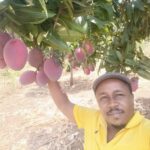
A mature grafted mango tree produces 200 to 500 fruit per year. Each fruit weighs 300 to 600 grams. Total yield per tree is 60 to 300 kilograms. At KES 30 per kilogram, one tree generates KES 1,800 to KES 9,000 annually. With 70 trees per acre, annual revenue is KES 126,000 to KES 630,000.
Mango trees are hardy. They tolerate drought once established. They produce for 30 to 50 years.
Planting Requirements: Space trees 8 meters by 8 meters. This gives 60 to 70 trees per acre. Dig holes 60 cm by 60 cm by 60 cm. Mix manure with topsoil.
Ongoing Care: Water young trees weekly. Mature trees need watering only during extended dry periods. Apply NPK fertilizer twice per year. Prune after harvest to maintain shape.

How to Identify “True” Certified Seedlings
The counterfeit seed problem in Kenya is severe. Roughly four out of ten seed packets in Kenya contain counterfeit seeds. Three-quarters of Kenyan farmers have planted fake seeds at some point. This is not just a problem for field crops. It affects fruit seedlings too.
Certified seeds are seeds that have undergone laboratory tests. They have been determined to be of high quality, true to identity, high in purity and germination capacity, uniform, adaptable to adverse weather conditions, and free from pests and diseases.
The Kenya Plant Health Inspectorate Service (KEPHIS) is mandated to oversee seed quality. Seed certification is a process designed to maintain and make available to farmers a continuous supply of high-quality seeds of suitable varieties.
The “Three-Test” Rule for Seedling Verification
Use this three-step test every time you buy fruit seedlings.
Test 1: Graft Union Health
Examine the point where the scion meets the rootstock. The union should be smooth and fully healed. There should be no cracks, swelling, or signs of disease. A healthy graft union is slightly thicker than the stem on either side. An unhealthy union has dead tissue, oozing sap, or visible cracks. Run your finger along the graft union. It should feel smooth, not rough or bumpy.
Test 2: Leaf and Scent Verification
The leaves should match the characteristics of the claimed variety. Hass avocado leaves have a distinct anise-like scent when crushed. Rub a leaf between your fingers and smell. If it does not smell like anise, it is not Hass. Citrus leaves have a citrus aroma. Mango leaves have a distinctive turpentine smell. A seedling that does not produce the correct scent is likely not true to type.
Test 3: KEPHIS or Nursery Tag Validation
Certified seedlings come with tags or labels. Look for the KEPHIS certification mark. The nursery should be able to provide documentation on the source of their rootstocks and scions. Roadside nurseries for fruit trees do not have clearly documented sources. Avoid them.
Red Flags to Watch For
No graft union visible. Some unscrupulous sellers sell ungrafted seedlings as grafted. Look for the telltale swelling and angle cut of a graft union. If you cannot see it, do not buy it.
Very low price. If a seedling costs half of what other nurseries charge, something is wrong. Quality seedlings cost money to produce. The rootstocks must be grown. The scions must be collected from mature trees. The grafting requires skilled labor. Low price usually means low quality.
Seller cannot answer basic questions. Ask what rootstock was used. Ask the age of the seedling. Ask what variety the scion came from. A reputable nursery can answer these questions. A roadside vendor cannot.
Seedlings look stressed. Yellow leaves, wilted stems, or rootbound containers are signs of poor nursery management. Stressed seedlings struggle to establish. They may die in the first year.
The Farmers Trend Advantage: Why Professional Growers Choose Our Certified Nurseries
Farmers Trend Limited has established itself as a trusted name in Kenyan agriculture. Our online agricultural portal provides a platform for farmers to get information and advice on farming skills as well as innovative ideas on food sustainability. We have partnered with various agronomists and extension service providers to implement our goals.
Our Nursery Network
We maintain nurseries in Nairobi Muthaiga and Muranga. These nurseries produce certified, grafted seedlings of Hass avocado, macadamia, Pixie orange, tree tomato, Brazilian cherry, blueberry, and many other varieties.
All our seedlings are grown under controlled conditions. They receive regular watering, fertilization, and pest control. They are hardened off before sale so they can survive transplanting. Every seedling is inspected before it leaves our nursery.
Quality Control at Every Step
Rootstock Selection: We use only proven rootstocks adapted to Kenyan conditions. For avocados, we use local varieties that have strong root systems and disease resistance. For citrus, we use rough lemon or sour orange rootstocks.
Scion Sourcing: Scions come from mature, productive mother trees. These mother trees have been evaluated for fruit quality, yield consistency, and disease resistance. We can trace every scion back to its mother tree.
Grafting: Our grafters are experienced professionals. They have grafted thousands of trees. We use whip and tongue grafting for most varieties because it has the highest success rate.
Aftercare: Grafted seedlings are kept in a controlled environment for 4 to 8 weeks. They receive regular misting to prevent drying. They are gradually exposed to full sun to harden off.
Inspection: Every seedling is inspected before sale. We check graft union health, root development, and overall vigor. Seedlings that do not meet our standards are not sold.
Why Farmers Choose Us
Farmers who buy fruit seedlings in Kenya from us return for additional trees. They recommend us to their neighbors. They trust our expertise.
We do not just sell seedlings. We provide complete orchard establishment support. This includes soil testing recommendations, spacing guidance, irrigation advice, and ongoing agronomic support. When you buy from Farmers Trend Limited, you get a partner, not just a vendor.

Digital Solutions for Farmers: How the Virtual Agrovet is Simplifying Farm Inputs and Nursery Logistics
Getting quality seedlings to your farm has traditionally been a logistical challenge. You travel to the nursery. You arrange transport. You worry about the seedlings drying out during transit. The Virtual Agrovet solves these problems.
What Is the Virtual Agrovet?
The Virtual Agrovet Marketplace is an online platform hosted by Farmers Trend Limited. It is designed to connect sellers and buyers of agricultural products. The platform provides a wide range of farming-related goods such as seedlings, fertilizers, farming equipment, and other agro-products.
Unlike traditional agrovets with limited physical locations, the virtual platform serves farmers across all 47 counties. The multivendor marketplace model ensures competitive pricing and product variety that no single physical store can match.
How the Virtual Agrovet Works for Seedling Buyers
Step 1: Browse the Seedling Catalog
Visit agrovet.farmerstrend.co.ke. Browse available fruit seedlings. Each listing includes variety information, age of seedling, price, and shipping options. You can filter by variety, price, or seller rating.
Step 2: Place Your Order
Select the seedlings you need. Choose the quantity. Add to cart. The checkout process is simple and secure. The platform accepts M-Pesa, bank transfers, and credit or debit cards.
Step 3: Arrange Delivery or Pickup
The platform has partnered with reliable logistics companies to handle shipping and delivery. You can also arrange to pick up your seedlings from our nurseries in Nairobi Muthaiga or Muranga. Delivery times vary by location but typically range from 1 to 5 days.
Step 4: Get Agronomic Support
After your purchase, you are not alone. Our agronomists are available via chat, phone, or email to answer your planting and care questions. You can also access our library of articles, videos, and guides on fruit tree management.
The Virtual Advantage
The Virtual Agrovet eliminates geographical barriers. A farmer in Homa Bay, Kisii, or Turkana can access the same quality seedlings as a farmer in Nairobi. This is revolutionizing how fruit seedlings in Kenya are distributed.
The platform also saves you money. You do not spend on transport to Nairobi. You do not waste time sitting in traffic. You order from your phone while sitting on your farm. The seedlings come to you.
Table 3: Virtual Agrovet Shopping List for First-Year Orchard Success
| Product Category | Specific Items | Purpose |
|---|---|---|
| Seedlings | Grafted Hass Avocado, Macadamia, Pixie Orange, Tree Tomato | Foundation of orchard |
| Soil Amendments | Agricultural lime, Well-decomposed manure, Compost | Improve soil fertility and structure |
| Fertilizers | DAP (at planting), NPK 17:17:17, CAN (top dressing), Sulphate of Potash | Provide essential nutrients |
| Irrigation Equipment | Drip irrigation kit, Hose pipes, Water storage tank | Ensure consistent watering |
| Mulch Materials | Dried grass, Wood chips, Rice hulls | Conserve moisture, suppress weeds |
| Pest Control | Systemic insecticides, Sticky traps, Pyrethrin-based sprays | Protect young trees |
| Disease Control | Copper-based fungicides, Sulphur-based sprays | Prevent fungal infections |
| Tools | Pruning shears, Garden fork, Wheelbarrow, Watering can | Orchard maintenance |
| Protective Gear | Gloves, Gumboots, Overalls | Farmer safety |
Step-by-Step Orchard Establishment: From Seedling to Harvest
Planting a fruit tree is easy. Growing a productive orchard requires planning and consistent care. This section walks you through every step.
Step 1: Soil Testing
Do not guess what your soil needs. Send a sample to a laboratory. The test will tell you pH, organic matter content, and nutrient levels. Most fruit trees prefer a pH between 6.0 and 6.8.
If your soil pH is below 5.5, it is too acidic. Add agricultural lime. The amount depends on your soil type. Sandy soils need less lime. Clay soils need more. If your soil pH is above 7.5, it is too alkaline. Add sulfur or organic matter.
For Hass avocados, avoid waterlogged areas. Waterlogging causes root rot. Plant on a slope or create raised beds if your land is flat. For macadamia, deep, well-drained soils are essential. The taproot can reach 2 meters deep. Hardpan layers or water tables block this root development.
Step 2: Land Preparation and Hole Digging
Clear the land of weeds and debris. Remove any stumps or large rocks. Plough and harrow if the land is large. For small orchards, hand clearing is sufficient.
For trees, hole preparation is critical. Dig holes that are 60 cm by 60 cm by 60 cm. For macadamia, some farmers dig 1 meter by 1 meter by 1 meter. Larger holes allow better root development but cost more labor.
Spacing varies by crop. Use these guidelines
| Crop | Spacing | Trees per Acre |
|---|---|---|
| Hass Avocado | 5 m x 5 m | 150 – 160 |
| Macadamia | 7.5 m x 7.5 m | 70 – 80 |
| Pixie Orange | 5 m x 5 m | 160 – 180 |
| Tree Tomato | 2 m x 2 m | 1,000 – 1,200 |
| Mango | 8 m x 8 m | 60 – 70 |
Separate topsoil from subsoil when digging. The topsoil is the dark, crumbly soil from the first 30 cm. The subsoil is the lighter, harder soil below. Mix the topsoil with well-decomposed manure. Use one wheelbarrow of manure per hole. Add 200 grams of DAP fertilizer. Mix everything thoroughly.
Step 3: Planting the Seedling
Remove the seedling from its container carefully. Do not pull on the stem. Squeeze the container to loosen the root ball. Tilt the container and slide the root ball out.
If the roots are circling the inside of the container, they are rootbound. Use a sharp knife to score the root ball. Make four vertical cuts from top to bottom. This cuts through circling roots and encourages new roots to grow outward.
Place the seedling in the hole. The graft union should be above ground level. Burying the graft union can cause scion rooting or disease problems. The graft union is usually 10 to 15 cm above the root ball.
Backfill with the topsoil-manure mixture. Firm the soil gently around the roots. Do not compact it heavily. Water thoroughly after planting. The water settles the soil around the roots.
Step 4: The First 24 Months of Care
Watering: Young trees need regular watering. Their root systems are shallow and cannot reach deep water. Water every 3 to 5 days during the dry season. Drip irrigation is ideal because it delivers water directly to the root zone. For avocados, weekly watering is recommended. Drip irrigation helps with formation of fruits and uptake of nutrients.
Mulching: Apply organic mulch around the base of the tree. Use dried grass, wood chips, or rice hulls. Keep mulch 10 cm away from the trunk to prevent rot. Mulch conserves moisture, suppresses weeds, and adds organic matter to the soil.
Fertilization: Apply NPK fertilizer three months after planting. Use 17:17:17 at 80 kg per acre for young orchards. Top-dress with CAN when trees show active growth. Apply fertilizer in a ring around the tree, not against the trunk. Water after applying to move nutrients into the root zone.
Pruning: For avocados, prune during the dry season. Remove dead branches. Thin crowded areas. Improve air circulation and enhance sunlight penetration. For citrus, remove suckers that grow below the graft union. These suckers come from the rootstock and will not produce quality fruit.
Weed Control: Keep the area around each tree weed-free. Weeds compete for water and nutrients. Start weeding from two weeks after planting. Use a hoe or machete. Do not use herbicides near young trees because they can damage the bark.
Staking: Young trees may need staking in windy areas. Drive a wooden stake into the ground next to the tree. Tie the tree loosely to the stake with soft cloth or rubber. Do not tie tightly because the tree needs room to sway. Swaying strengthens the trunk.

Troubleshooting and Disease Control for Fruit Seedlings
Even with the best seedlings, problems can occur. Here are the most common issues and their solutions.
Poor Growth After Planting
Possible cause: Root binding. The seedling was left in its container too long. Roots circled the pot and continue circling after planting. The tree essentially strangles itself.
Solution: Before planting, score the root ball with a knife. Cut through circling roots. This encourages new roots to grow outward. If you have already planted a rootbound tree, dig it up and replant after scoring the roots.
Possible cause: Planting too deep. The graft union is below ground. The scion has rooted. The tree loses the benefits of the rootstock.
Solution: Dig up the tree. Raise it so the graft union is above ground. Refill around the roots.
Possible cause: Poor soil drainage. The roots are sitting in water. They are rotting instead of growing.
Solution: Improve drainage by digging trenches around the planting area. Plant on raised beds. If the problem is severe, move the tree to a better location.
Yellowing Leaves
Possible cause: Nutrient deficiency. Yellow leaves with green veins indicate iron deficiency. Uniform yellowing indicates nitrogen deficiency. Yellowing starting at the leaf edges indicates potassium deficiency.
Solution: Test soil. Apply appropriate fertilizer. For iron deficiency, apply iron chelate to the soil or as a foliar spray. For nitrogen deficiency, apply CAN or urea. For potassium deficiency, apply sulphate of potash.
Possible cause: Waterlogging. Yellowing with wilting indicates overwatering. The roots cannot get oxygen.
Solution: Reduce watering. Improve drainage. If the soil is heavy clay, consider moving the tree.
Possible cause: Root rot. A fungal infection is destroying the roots. The tree cannot take up water or nutrients.
Solution: Apply a systemic fungicide containing metalaxyl or fosetyl-aluminum. Improve drainage. In severe cases, remove the tree and replant in a different location.
Dieback of Young Trees
Possible cause: Fungal infection. The fungus enters through wounds or the graft union. It blocks the vascular tissue. The part of the tree above the infection dies.
Solution: Cut below the affected area. Apply fungicide to the cut surface. Improve air circulation around the tree. If the graft union is dead, replace the tree.
Possible cause: Graft failure. The scion and rootstock did not unite properly. The graft union is weak. The tree breaks at the graft during wind or under the weight of leaves.
Solution: There is no cure. Replace the tree. For future plantings, buy from a reputable nursery that uses proper grafting techniques.
Pest Problems
Aphids: Small green or black insects that cluster on new growth. They suck sap and excrete honeydew, which attracts ants and sooty mold.
Control: Spray with neem oil or pyrethrin. Introduce natural predators like ladybugs. For severe infestations, use systemic insecticides containing imidacloprid.
Whiteflies: Small white insects that fly up when the tree is disturbed. They suck sap and transmit viruses.
Control: Use yellow sticky traps. Spray with insecticidal soap. For severe infestations, use systemic insecticides.
Fruit flies: Female flies sting ripening fruit and lay eggs inside. The maggots destroy the fruit from the inside.
Control: Use pheromone traps to monitor and reduce male populations. Apply protein bait sprays weekly during fruit ripening. Harvest fruit promptly. Remove and destroy infested fruit.
Mites: Tiny arachnids that suck sap from leaves. Infested leaves turn yellow and may drop. Fine webbing may be visible.
Control: Spray with miticides containing abamectin. Improve air circulation. Avoid broad-spectrum insecticides that kill natural mite predators.
Disease Problems
Anthracnose: Fungal disease that causes dark, sunken lesions on leaves, stems, and fruit. Common on mangoes and avocados.
Control: Apply copper-based fungicides before flowering and after harvest. Prune to improve air circulation. Remove and destroy infected plant parts.
Powdery Mildew: White powdery growth on leaves and young shoots. Common on tree tomatoes and mangoes.
Control: Apply sulfur-based fungicides. Improve air circulation. Avoid overhead watering.
Root Rot: Fungal disease that causes roots to decay. The tree wilts despite adequate soil moisture. Common on avocados in poorly drained soils.
Control: Improve drainage. Apply phosphite fungicides. For severe cases, remove the tree and replant on a raised bed.

Frequently Asked Questions About Fruit Seedlings
Q: How much does a fruit seedling cost in Kenya?
Prices vary by variety and age. A grafted Hass avocado seedling typically costs KES 300 to KES 600. A grafted macadamia seedling costs KES 400 to KES 800. Pixie orange seedlings cost KES 200 to KES 400. Tree tomato seedlings cost KES 50 to KES 100. Check current prices on the Virtual Agrovet platform for accurate, up-to-date pricing.
Q: Which fruit tree grows fastest in Kenya?
The tree tomato (tamarillo) is one of the fastest-growing fruit trees. It can produce fruit within 12 to 18 months of planting. Papaya is another fast grower, producing fruit within 12 months. However, these are shorter-lived trees compared to avocados or macadamia. They are good for quick returns while waiting for slower trees to mature.
Q: Where can I buy certified seedlings in Nairobi?
Farmers Trend Limited has a nursery in Nairobi Muthaiga. You can visit the nursery to select your seedlings. You can also order online through the Virtual Agrovet platform at agrovet.farmerstrend.co.ke. We deliver nationwide. For more information, call +254 724 559 286 or +254 790 509 684.
Q: Can I graft my own fruit trees?
Yes, grafting is a skill that can be learned. However, for commercial orchards, buying already-grafted seedlings from a certified nursery is recommended. Nurseries like Farmers Trend Limited have the expertise and facilities to produce high-quality grafted seedlings consistently. The success rate of home grafting is often lower, especially for beginners. A failed graft means lost time and wasted effort.
Q: How long do fruit trees take to bear fruit?
This depends on the variety and whether the tree is grafted. Grafted Hass avocados take 2 to 3 years. Grafted macadamia take 4 to 5 years. Grafted Pixie oranges take 3 to 4 years. Tree tomatoes take 1 to 2 years. Seed-grown trees take significantly longer and may not produce quality fruit. For example, a seed-grown avocado can take 7 to 10 years to bear fruit, and the fruit quality is unpredictable.
Q: How many fruit trees can I plant per acre?
The number depends on spacing. For avocados and macadamia, use 7.5 m by 7.5 m spacing. This gives 70 to 80 trees per acre. For citrus, use 5 m by 5 m spacing. This gives 160 to 180 trees per acre. For tree tomatoes, use 2 m by 2 m spacing. This gives 1,000 to 1,100 trees per acre. Denser planting gives higher early yields but may require thinning as trees mature.
Q: What is the best month to plant fruit trees in Kenya?
The best time is at the beginning of the rainy season. For the long rains, plant in March or April. For the short rains, plant in October or November. Planting at the start of rains gives the tree time to establish before the dry season. If you have irrigation, you can plant at any time of year.
Q: Do I need a male and female tree for fruit production?
Most commercial fruit trees are self-pollinating. Hass avocado trees have both male and female flower parts, though they open at different times. A single tree will produce fruit. For macadamia, some varieties are self-pollinating. Others need a different variety for cross-pollination. Check with your nursery. For tree tomatoes, a single tree will produce fruit.
Q: How do I know if a seedling is grafted?
Look for the graft union. It is a visible swelling or angled cut on the stem, usually 10 to 20 cm above the root ball. The bark above and below the union may look different. Run your finger over the area. You will feel a slight ridge. If you cannot see or feel a graft union, the seedling is not grafted.
Q: Can I plant fruit trees on my farm without irrigation?
Yes, but with limitations. Mature trees can survive on rainfall in many parts of Kenya. However, young trees need water to establish. Plan to water for the first two years. After that, the roots are deep enough to access groundwater. In arid areas like Makueni and Kitui, even mature trees need supplemental watering during dry spells. Choose drought-tolerant varieties like Pixie orange or mango.
Take Away: Your Orchard Journey Starts Today
Fruit farming is a long-term investment. The returns can be substantial, but only if you start with the right foundation. That foundation is certified, grafted fruit seedlings in Kenya from a trusted source.
You have learned why grafted seedlings outperform conventional planting. You have the top 10 varieties for different Kenyan climate zones. You understand the profitability of each crop. You know the “Three-Test” rule for identifying quality seedlings. You have a complete troubleshooting guide for common problems.
Farmers Trend Limited is here to support you at every stage. Our nursery in Nairobi Muthaiga and our network of certified producers supply the highest quality seedlings. The Virtual Agrovet platform makes ordering and delivery convenient. Our agronomists provide ongoing advice.
Take Action Now
Do you have specific questions about which fruit variety is best for your land? Are you ready to check current seedling prices and availability?
Visit the Virtual Agrovet platform at agrovet.farmerstrend.co.ke. Browse our seedling catalog. Place your order online. Or contact our nursery directly at +254 724 559 286 / +254 790 509 684 to schedule a visit or request a site assessment.
Drop your questions in the comments section below. What fruit variety are you planning to plant? What region are you farming in? Our agricultural team will respond with personalized advice for your orchard establishment journey.
https://farmerstrend.co.ke/trending/fruit-seedlings-in-kenya-2026-guide/https://farmerstrend.co.ke/wp-content/uploads/2026/05/557781803_1115395140754026_8649723914864788355_n-768x1024.jpghttps://farmerstrend.co.ke/wp-content/uploads/2026/05/557781803_1115395140754026_8649723914864788355_n-150x150.jpg# Trendingagrovet online shopping Kenya,anthracnose control fruit trees,apple farming Kenya highlands,best fruit seedlings to plant in Kenya,blueberry farming Kenya,Brazilian Cherry seedlings,certified fruit nurseries in Kenya,commercial orchard investment Kenya,drip irrigation for orchards,drought tolerant fruit trees,exotic fruit seedlings Kenya,export grade fruit seedlings,farm input delivery Kenya,Farmers Trend Limited nursery,Farmers Trend nursery Muthaiga,fruit farming ROI Kenya,fruit fly control orchard,fruit orchard establishment guide,fruit seedling prices Kenya,fruit tree nutrient deficiency,fruit tree pest control Kenya,fruit tree planting calendar Kenya,fruit tree soil preparation,fruit tree spacing per acre,graft union health test,grafted fruit trees in Kenya,grafted macadamia seedlings,Grafted mango seedlings Kenya,Hass avocado seedlings Kenya,how to identify certified seedlings,jackfruit farming kenya,KEPHIS certified seeds,long rains planting season,manure mixing for fruit trees,most profitable fruit tree Kenya,mulching fruit trees,NPK fertilizer for fruit trees,organic fruit farming Kenya,pear seedlings Kenya,Pixie orange trees Kenya,pruning young fruit trees,root bound seedling fix,root rot treatment avocados,short rains planting Kenya.,staking fruit seedlings,tree tomato farming Kenya,Virtual Agrovet online platform,where to buy fruit seedlings Nairobi,yellow leaves on fruit treesFruit Seedlings in Kenya: The 2026 Ultimate Guide to Variety Selection, Grafting, and Profitable Orchard Establishment You have decided to invest in fruit farming. Good decision. The Kenyan horticultural sector is expanding rapidly. Export demand for Hass avocados, macadamia nuts, and exotic fruits grows every year. Local supermarkets are seeking...FarmersTrendjohn doefarmerstrend@gmail.comAdministratorFarmers Trend Ltd.




Leave a Reply