Soil Health in Kenya Gets a Boost as Government and FAO Deepen Agricultural Cooperation
- Soil health in Kenya is set for renewed attention as the government and FAO explore soil intelligence, precision farming and training for soil scientists.

Soil Health in Kenya Gets a Boost as Government and FAO Deepen Agricultural Cooperation
Kenya and the Food and Agriculture Organization of the United Nations (FAO) are seeking to strengthen cooperation on soil health, with a focus on improving agricultural productivity, promoting precision farming and building the country’s capacity for sustainable soil management.
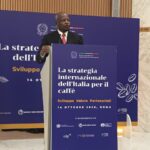
Agriculture Cabinet Secretary Mutahi Kagwe met FAO Deputy Director-General Beth Bechdol at the organisation’s headquarters in Rome, Italy, to discuss collaboration on soil health as a foundation for sustainable agriculture and long-term food security.
The discussions focused on the use of technology and soil intelligence to help guide farming decisions, strengthen agricultural information systems and increase awareness of sustainable soil management among farmers.
For Kenyan farmers, soil health directly affects crop establishment, nutrient availability, water retention and the ability of land to support consistent production. Declining soil fertility can increase production costs when farmers have to compensate for nutrient deficiencies, while poor soil structure can make crops more vulnerable to drought and heavy rainfall.
The engagement signals a continued push towards data-driven agriculture, in which farmers and agricultural advisers use reliable information about soil conditions to make better decisions on fertiliser application, crop selection and land management.
FAO to support Kenya’s soil health initiatives
FAO reaffirmed its commitment to supporting Kenya’s soil health initiatives during the meeting. The discussions highlighted the role of technology and soil intelligence in helping farmers and policymakers understand soil conditions and respond to challenges affecting agricultural production.
Soils differ in their nutrient content, acidity, structure, organic matter and capacity to retain water. These differences influence how crops respond to fertilisers and other farm inputs. Applying the same fertiliser rates across fields with different soil conditions can lead to inefficient nutrient use and unnecessary expenses.
Soil testing can help farmers identify nutrient deficiencies and other limitations that affect crop performance. When the results are interpreted correctly, farmers can make more informed decisions about fertiliser types, application rates and soil improvement measures.
The benefits extend beyond individual farms. Reliable soil information can help agricultural planners identify areas facing widespread soil degradation, guide extension services and support programmes aimed at restoring soil fertility.
Technology and soil intelligence to support precision farming
One of the key areas discussed was the use of technology and soil intelligence to guide precision farming. Precision farming involves using information about field conditions to make more targeted decisions on inputs and farm management.
For example, soil test results can help a farmer determine whether a field needs nitrogen, phosphorus, potassium, lime or other amendments. The appropriate response depends on the crop, the soil’s characteristics and the intended production system.
For smallholder farmers, access to affordable soil testing and practical interpretation of results will be important. Digital tools can help make soil information easier to collect, analyse and share, but technology must be supported by trained agricultural advisers who can explain what the results mean for a farmer’s particular field.
The objective is not simply to collect more data. It is to ensure that the information leads to practical decisions that improve yields, reduce unnecessary input expenditure and protect the long-term productive capacity of agricultural land.
KIAMIS and KADIC integration highlighted in discussions
The meeting also highlighted efforts to strengthen the Kenya Integrated Agricultural Management Information System (KIAMIS), which the announcement said is now integrated with KADIC.
Digital agricultural information systems can support the collection and management of information used to plan agricultural programmes and deliver services to farmers. Their effectiveness depends on the quality of the data, the ability of different systems to work together and whether the information reaches the people who need it.
For soil health initiatives, better integration could support the coordination of agricultural data and help connect soil information with wider farming services. The practical benefits would depend on the specific information made available, how it is updated and how agricultural officers and farmers can access it.
Reliable information systems can also help policymakers identify gaps in agricultural services and direct support towards areas where farmers face particular soil fertility challenges.
Kenya seeks to train more soil scientists
Kenya and FAO also underscored the need to train more soil scientists to strengthen national capacity in sustainable soil management.
Soil scientists help identify the physical, chemical and biological conditions that influence crop production. Their work can support soil testing, nutrient management recommendations, research into soil degradation and the development of practices suited to different farming environments.
Expanding the number of trained specialists could strengthen the country’s ability to interpret soil data and provide evidence-based advice to farmers. It could also support agricultural research institutions, universities, laboratories and extension programmes.
However, technical expertise must be accessible beyond research centres and major towns. Farmers need practical guidance that translates scientific findings into affordable actions they can implement on their farms.
Training agricultural extension officers and strengthening links between soil laboratories and farming communities would help ensure that investment in soil science produces tangible benefits for crop production.
Why soil health matters to Kenyan farmers
Soil health affects the ability of farmland to sustain crop growth over time. Healthy soils generally support better root development, nutrient cycling, water movement and biological activity. Their condition also influences how efficiently crops use fertilisers and withstand periods of water stress.
In Kenya, soil management needs vary widely because the country has different rainfall patterns, soil types, farming systems and crop requirements. A recommendation that works in one area may not be suitable for another.
Farmers can support soil health through practices such as applying well-decomposed organic manure, retaining suitable crop residues, using crop rotations, managing erosion and applying fertilisers according to crop needs and soil test results.
These measures are not interchangeable, and their suitability depends on local conditions. For example, manure can contribute organic matter and nutrients, but its nutrient content varies. Farmers should also take care to use mature, well-handled manure and avoid contamination of water sources.
Similarly, fertiliser application should be guided by crop requirements and soil conditions rather than guesswork. Excessive or poorly timed applications can waste money and increase the risk of nutrient losses.
Building more resilient food systems
The Kenya-FAO engagement links soil health with sustainable agriculture and long-term food security. Maintaining productive soils is important because agricultural output depends not only on rainfall and seed quality but also on the condition of the land in which crops grow.
Soil degradation, erosion, nutrient depletion and poor water management can undermine productivity over time. Addressing these problems requires consistent farm-level management as well as wider investment in research, extension services and agricultural information systems.
The discussions on soil intelligence, digital integration and specialist training point to a more coordinated approach. If implemented effectively, these efforts could help farmers make better use of available resources while supporting the long-term productive capacity of agricultural land.
For Kenyan farmers, the key measure of progress will be whether improved soil information and technical support become accessible, affordable and useful in everyday farming decisions.
The cooperation between Kenya and FAO reinforces the importance of treating soil health as a foundation of agricultural productivity. Strengthening the country’s capacity to understand and manage its soils could help farmers improve input efficiency, protect farmland and support more resilient food production for future generations.
https://farmerstrend.co.ke/farming-news/soil-health-in-kenya-fao-collaboration-agricultural-productivity/https://farmerstrend.co.ke/wp-content/uploads/2026/10/Soil-Health-in-Kenya-Gets-a-Boost-as-Government-and-FAO-Deepen-Agricultural-Cooperation-643x1024.jpeghttps://farmerstrend.co.ke/wp-content/uploads/2026/10/Soil-Health-in-Kenya-Gets-a-Boost-as-Government-and-FAO-Deepen-Agricultural-Cooperation-150x150.jpegFarming NewsSoil health in Kenya is set for renewed attention as the government and FAO explore soil intelligence, precision farming and training for soil scientists.Soil Health in Kenya Gets a Boost as Government and FAO Deepen Agricultural Cooperation Kenya and the Food and Agriculture Organization of the United Nations (FAO)...FarmersTrendjohn doefarmerstrend@gmail.comAdministratorFarmers Trend Ltd.








Leave a Reply