Kenya Sugar Revival Struggles to Reach Farmers After Seven Years of Promise
- Kenya sugar revival has raised production and cut fertiliser costs but sugarcane farmers still struggle with low cane prices, high production costs and delayed payments.

Kenya Sugar Revival Struggles to Reach Farmers After Seven Years of Promise
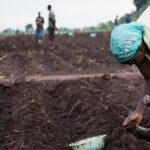
As the sun rises over the farms of Apokor in Teso South, Violet Otwane looks across the three acres of sugarcane swaying in the breeze.
Every stalk in the field carries a story of poor rains, rising fertiliser costs, disappointing harvests and seven years in which Otwane has tried to make sugarcane farming a reliable source of livelihood.
For years, farming the crop was far from easy.
“During the first five years, harvests were poor because I could not afford enough fertiliser. A 50-kilogramme bag had risen to Sh7,000,” Otwane says.
But now, there are signs of hope.
The price of fertiliser has fallen to Sh2,500 for a 50-kilogramme bag, while the price of sugarcane has also increased from about Sh3,600 per tonne last year to nearly Sh4,000 currently.
“Sugarcane is our main cash crop here and many residents depend on it,” she says.
For Otwane, every change in the cost of farm inputs or the price of cane matters. Behind those three acres are household needs, production costs and the hope that the crop she has tended for years will finally give her the returns she deserves.
And her story is not unique.
A major bet in Tana River
About 900 kilometres from Apokor, in Bura, Tana River County, the government and investors are making a major bet on the future of Kenya’s sugar industry.
Tana River Sugar Company is developing a 50,000-acre sugarcane estate expected to produce 1.2 million tonnes of cane every year.
The project is also expected to produce 120,000 tonnes of sugar annually, about 13 million litres of ethanol and 25 megawatts of electricity from bagasse.
More than 10,000 smallholder farmers growing sugarcane around Bura are expected to gain access to a ready market, while the project is projected to create about 3,000 direct jobs.
The investment is part of wider efforts to revive Kenya’s sugar industry, which for years has struggled with high production costs, inefficient factories, delayed payments and market challenges.
Since 2022, the government has been implementing reforms aimed at lowering production costs, improving farmers’ returns, strengthening factory management and expanding market access.
Government figures show that sugar production has increased from 472,773 tonnes in 2022 to 815,454 tonnes.
The legal framework has also changed through the Sugar Act of 2024, while Nzoia, Chemelil, Sony and Muhoroni sugar factories have been leased to private operators for 30 years.
The leases were expected to bring in new capital, improve factory efficiency and ensure that farmers are paid on time. For a sector that had been weighed down by mismanagement and debt, the reforms were presented as the turning point.
But for farmers, the success of these reforms goes beyond production figures and new laws. It is measured by what happens on the farm.
What the reforms mean on the farm
Michael Arum, a sugarcane farmer from Kisumu and coordinator of the Sugar Campaign for Change lobby, says some farmers have begun to see improvements in factory operations and payments.
However, he says major challenges remain, particularly in harvesting and transporting mature cane.
“For a farmer, the price of cane on paper means little if mature cane cannot be harvested and delivered to the factory on time,” Arum says.
Delayed harvesting has become a painful reality for many growers. When cane stays in the field past its maturity, it loses sucrose content and weight, which directly reduces the farmer’s earnings.
Transport is another headache. Poor roads and a shortage of trucks in some areas mean cane can sit for days after harvesting, further reducing its quality and value.
Another challenge is the price itself.
In April, the Kenya Sugar Board reduced the minimum cane price from Sh5,750 to about Sh5,500 per tonne.
Atiang’ Atyang’, a Chemelil-based sugarcane farmer and chairperson of the Kenya Association of Sugar and Allied Products, says production costs remain high.
“Today, a farmer gets Sh5,500 per tonne before deductions, which can come down to about Sh3,700. We spend about Sh6,300 to produce one tonne of cane,” Atyang’ says.
That gap between what it costs to grow cane and what farmers actually take home is at the heart of the frustration in the sector. For many growers, the numbers simply do not add up.
The import question and market pressure
Stakeholders have also raised concerns over cheaper sugar imports, arguing that increased competition could affect local factories and, ultimately, the market available to farmers.
When cheap imported sugar floods the market, local factories struggle to sell their stock. That, in turn, affects how much cane they buy from farmers and how quickly they pay.
For farmers like Otwane, this is not an abstract policy debate. It determines whether there will be a ready buyer for their cane when it is ready for harvest.
The government, meanwhile, says it is continuing to address the structural challenges facing the sector, including high production costs, ageing factories, delayed payments, illicit sugar trade and the effects of climate change.
Officials have pointed to ongoing investments in factory modernisation, irrigation and research as part of the long-term solution.
But farmers say the change needs to be felt now, not in another seven years.
Waiting for the harvest
And as the debate continues in government offices, factories and industry meetings, Otwane remains focused on the work in her field.
When her cane is ready for harvest, it will be taken to Mumias Sugar.
That is when seven years of patience, investment and hard work will begin to be measured in the way that matters most to her, by how much money remains after all the costs have been paid.
For Violet Otwane, as with many sugarcane farmers, the sweetness of the Kenya sugar revival will not be found in production figures alone.
It will be seen in the lives that change after the crop leaves the farm. Until that happens, the wait continues for thousands of growers who have staked their livelihoods on a crop that has promised much but delivered little for far too long.
https://farmerstrend.co.ke/farming-news/kenya-sugar-revival-struggles-reach-farmers/https://farmerstrend.co.ke/wp-content/uploads/2026/09/Kenya-Sugar-Revival-Struggles-to-Reach-Farmers-After-Seven-Years-of-Promise-1024x682.jpghttps://farmerstrend.co.ke/wp-content/uploads/2026/09/Kenya-Sugar-Revival-Struggles-to-Reach-Farmers-After-Seven-Years-of-Promise-150x150.jpgFarming NewsBura Tana River,Chemelil sugar factory,fertiliser prices Kenya,Kenya Sugar Board,Kenya sugar revival,Kenyan farming news,Muhoroni sugar,Mumias Sugar,Nzoia sugar factory,smallholder sugarcane farmers,Sony sugar,Sugar Act 2024,sugar cane prices Kenya,sugar imports Kenya,sugarcane farming Kenya,Tana River Sugar CompanyKenya sugar revival has raised production and cut fertiliser costs but sugarcane farmers still struggle with low cane prices, high production costs and delayed payments.Kenya Sugar Revival Struggles to Reach Farmers After Seven Years of Promise As the sun rises over the farms of Apokor in Teso South, Violet...FarmersTrendjohn doefarmerstrend@gmail.comAdministratorFarmers Trend Ltd.












Leave a Reply