KENYA’S COSTLY SH359M DATE IMPORT BILL: 8 COUNTIES NOW BETTING ON DATE PALM SEEDLINGS
Date palm seedlings in Kenya sit at the center of a government strategy most farmers have not heard about yet. Kenya spent over Sh359 million importing dates in 2024, while producing only around 1,100 kilograms of the fruit locally the year before. That gap is not a rounding error. It is the exact problem the Agriculture and Food Authority now wants Kenyan farmers to help close.
Speaking during a visit to Kutch Farm in Kibwezi, Makueni County, AFA Director General Dr Bruno Linyiru laid out the numbers plainly. Indian and Israeli date palm varieties on trial at the farm produced up to 200 kilograms of fruit per tree annually. Premium varieties like Medjool fetch up to Sh1,200 per kilogram on export markets. A well-managed one-hectare orchard, once mature, generates between Sh3.4 million and Sh4.4 million a year. These are not projections pulled from a seed catalog. They came directly from a sitting government official standing in a working orchard.
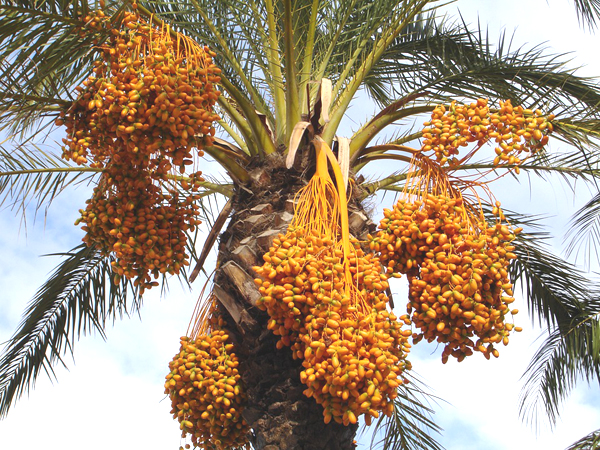
This guide walks through what this government push actually involves, which counties AFA has named as priority zones, why Kenya’s dryland geography suddenly looks like an asset rather than a liability, and where Kenyan farmers can source certified Medjool date palm seedlings to take part in it.
WHY DATE PALM SEEDLINGS IN KENYA BECAME A GOVERNMENT PRIORITY
Kenya’s date strategy did not emerge from a general enthusiasm for exotic fruit. It emerged from a specific, calculated problem: the country spends hundreds of millions of shillings every year buying a fruit its own drylands are naturally suited to grow. Linyiru described the initiative as part of a broader plan to unlock climate-resilient, high-value agriculture, language that signals this sits inside a wider dryland strategy rather than standing alone as a single crop program.
The global date trade already runs through countries whose climate closely resembles Kenya’s northern and eastern drylands. Egypt, Saudi Arabia, Iran, Iraq, Algeria and the United Arab Emirates dominate a market worth billions of dollars, all operating in hot, dry, low-rainfall conditions Kenya’s Turkana, Garissa and Marsabit share almost exactly. AFA’s argument is straightforward: if these countries can build a date export industry on this climate, so can Kenya.
Kutch Farm in Kibwezi served as AFA’s proof point rather than a marketing backdrop. Delegates from the Council of Governors, alongside technical teams from the Kenya Plant Health Inspectorate Service and the Kenya Agricultural and Livestock Research Organisation, toured the farm to see an intercropping model combining date palms with mangoes, citrus and okra. This was a working technical demonstration, inspected by the exact regulatory and research bodies whose backing determines whether a government agricultural push survives past its launch announcement.
AFA frames the initiative around four specific commitments: establishing certified date palm nurseries, expanding irrigation infrastructure in target counties, training farmers on production practices, and developing processing, packaging and marketing hubs. Each of these addresses a distinct failure point in Kenya’s current near-zero date production, rather than treating seedling access as the only barrier.
THE EIGHT COUNTIES AFA NAMED, AND WHY THEY MADE THE LIST
Linyiru named eight specific counties as the geographic core of this push: Wajir, Mandera, Marsabit, Turkana, Garissa, Kitui, Tana River and Makueni. This is not a symbolic list. Each county shares the hot, dry, low-humidity conditions date palms need to thrive, and several already host the water access, however limited, that irrigation-dependent date farming requires.
Turkana carries particular weight in this strategy given its proximity to Lake Turkana, offering a water source in a county otherwise defined by extreme aridity. Garissa and Tana River bring river access into the equation, while Wajir, Mandera and Marsabit represent the harshest, driest end of Kenya’s climate spectrum, precisely the conditions date palms tolerate better than almost any other commercial fruit crop.
Makueni’s inclusion, and Kutch Farm’s location within it, signals something practical rather than purely climatic. Makueni sits close enough to Nairobi and existing agricultural infrastructure to function as a demonstration and early-adoption zone, letting AFA showcase results without requiring every visitor to travel into the country’s most remote frontier counties.
Kitui rounds out the list as a county straddling Kenya’s semi-arid eastern belt, an area increasingly targeted for crop diversification as farmers there face the same worsening drought pressure driving interest in dryland-adapted crops across the wider region. Farmers outside these eight counties are not excluded from date palm farming, but AFA’s infrastructure, training and nursery investment will concentrate here first.
WHAT MAKES DATE PALMS DIFFERENT FROM EVERY OTHER FRUIT TREE ON YOUR FARM
Understanding one biological fact matters more than any other single piece of information in this guide. Date palms are dioecious. Male and female flowers grow on entirely separate trees, unlike mango or avocado, where a single tree carries both. A male date palm produces no fruit at all, regardless of how well it grows. Only female trees fruit, and only once pollinated by a nearby male.
This single fact explains why growing dates from seed collected out of fruit bought at a market ranks among the costliest mistakes a Kenyan farmer can make entering this crop. A date seed carries roughly a fifty percent chance of becoming a male tree, and there is no way to tell which sex a seedling will become until it flowers, four to eight years after planting. A farmer discovering half their orchard is male at year six has lost years of land, water and labor with no way to recover that time.
Certified offshoots solve this problem directly. An offshoot is a clone of a known mother plant, meaning its sex, fruit quality and yield potential are established before it ever leaves the nursery. Buying a certified female Medjool offshoot removes the guessing game entirely, and this certainty is precisely why certified planting material costs considerably more per unit than a seed, and why that higher cost protects a far larger investment down the line. KEPHIS, the government body responsible for seed certification, operates a system where farmers can verify genuine certified planting material by scratching a sticker label and sending the concealed code to 1393.
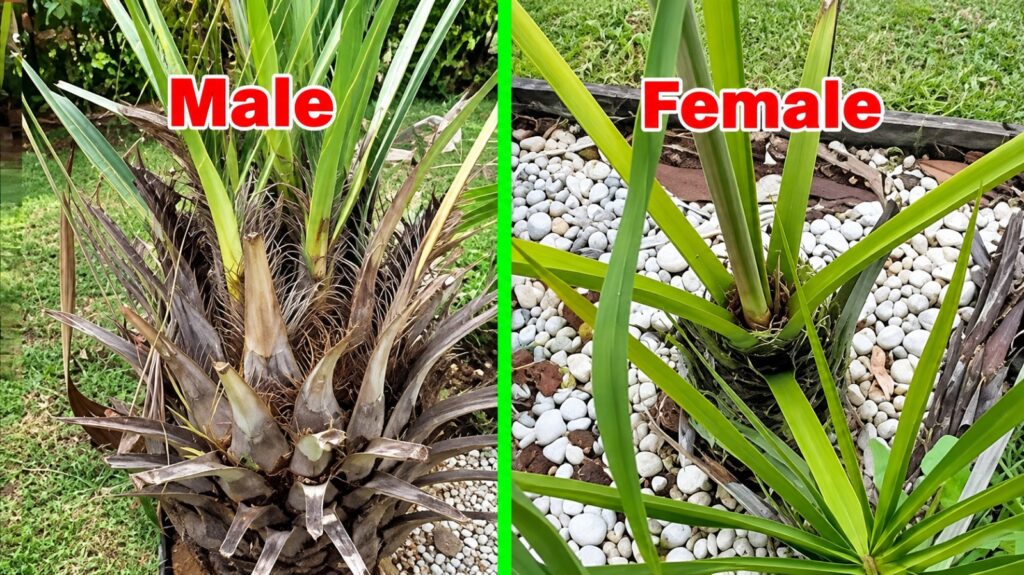
You do not need equal numbers of male and female trees once your orchard is established. One healthy male tree produces enough pollen to pollinate fifty to one hundred female trees, meaning a one-hectare orchard of 100 female trees needs only one or two males for reliable pollination. Most commercial growers pollinate by hand, collecting pollen from male flowers and dusting them onto female flowers directly, since relying on wind alone produces inconsistent results.
THE REAL NUMBERS: WHAT A MATURE DATE ORCHARD ACTUALLY EARNS
AFA’s own figures, delivered directly from the Kutch Farm trial rather than from a seedling seller’s marketing page, give Kenyan farmers a rare thing: government-sourced yield data for a crop most have never grown. Trial varieties at the farm produced up to 200 kilograms of fruit per mature tree annually, a figure toward the high end of what date palms achieve globally under strong management.
Medjool specifically commands up to Sh1,200 per kilogram on export markets, among the highest per-kilogram values of any fruit grown in Kenya. Multiply even a conservative yield against this price range and the arithmetic behind Linyiru’s Sh3.4 million to Sh4.4 million annual figure for a mature one-hectare orchard becomes straightforward rather than speculative.
Reaching this income level takes years, not seasons. Certified offshoots begin fruiting within two to four years of planting, considerably faster than the four to eight years seed-grown trees need, but full, mature production typically arrives closer to year six and beyond. Early years produce lighter harvests as the tree’s root system and canopy continue developing, a pattern every serious date farmer needs to plan around rather than treat as a disappointment.
Intercropping offers a practical answer to the income gap during these establishment years. The same Kutch Farm model AFA showcased combines date palms with mangoes, citrus and okra, crops maturing faster and generating income while the date palms grow toward their own productive age. A farmer planting dates alongside a faster-cycling crop protects their cash flow rather than waiting years for a single income stream to arrive. We have compiled a detailed guide on intercropping options for young date palm orchards covering okra, cowpeas and watermelon as companion crops.
DATE PALM SPACING: HOW MANY TREES PER HECTARE AND PER ACRE
Spacing decisions you make at planting stay with you for the next forty years, so getting this right matters more than most farmers realize.
Standard commercial spacing for date palms runs 8 to 10 metres between trees in both directions. At 8 by 8 metres, one hectare (10,000 square metres) holds about 156 trees. At 10 by 10 metres, one hectare holds 100 trees. For most Kenyan dryland orchards, the 10 by 10 metre spacing is the safer choice, particularly where irrigation capacity is limited and you want maximum airflow through the block during fruit ripening.
Here is how the numbers break down across common spacings and land sizes:
| Spacing | Trees per Hectare | Trees per Acre | Female Trees per Hectare (approx.) |
|---|---|---|---|
| 8m x 8m | 156 | 63 | 153 |
| 9m x 9m | 123 | 50 | 120 |
| 10m x 10m | 100 | 40 | 98 |
| 11m x 11m | 83 | 34 | 81 |
The female tree column accounts for roughly one male tree per 50 female trees, so a 10 by 10 metre hectare plants 98 female offshoots plus 2 male offshoots.
Why not push closer for higher density? Because date palm canopies expand significantly with age. Trees planted 6 metres apart produce overlapping fronds by year eight, cutting light penetration, trapping humidity inside the block, and creating ideal conditions for fruit rot during ripening. The extra trees you squeeze in at planting become a liability at year ten, not an asset.
Air movement matters especially in Kenya’s dryland orchards. The dry climate helps, but densely planted blocks still accumulate humidity at canopy level during the hottest weeks of fruit ripening. Wider spacing keeps that humidity lower and reduces your exposure to fruit rot without any additional cost.
HOW TO PREPARE LAND AND PLANTING HOLES FOR DATE PALM SEEDLINGS
Land preparation for date palms is not the same as preparing a plot for maize or beans. The trees live for decades, so the investment you make in the soil at planting pays dividends for the entire life of the orchard.
Site clearing. Remove existing vegetation, particularly deep-rooted perennial weeds like couch grass. Date palm roots are competitive but a heavy weed load during the first two years will slow establishment.
Drainage assessment. Before you dig a single planting hole, test drainage. Dig a one-metre pit, fill it with water, and see how long it takes to drain fully. If water remains after 48 hours, that block will need raised beds or drainage channels. Date palms tolerate heat and drought far better than they tolerate waterlogged roots.
Planting hole dimensions. Dig holes 60 to 80 centimetres wide and 60 to 80 centimetres deep. A larger hole, backfilled with improved soil, gives young roots an easier start in the compacted or nutrient-poor soils common across Kenya’s drylands.
Backfill mix. Combine the excavated topsoil with well-rotted farmyard manure at roughly three parts soil to one part manure. Add a handful of agricultural lime if your soil tests acidic. In sandy soils, mix in extra compost or well-rotted manure to improve water-holding capacity.
Spacing layout. Mark hole positions before digging, using string lines or stakes to keep rows straight. Straight rows make irrigation installation, pollination access, harvesting and future mechanization far easier. A well-aligned 10 by 10 metre grid across one hectare gives you 100 planting positions, easily marked with stakes before any digging starts.
Planting depth. Set the offshoot so the top of the root ball sits level with or slightly above surrounding ground. The base of the trunk should never be buried. Burying the trunk causes crown rot, the single most common cause of newly planted date palm death.
Post-planting watering. Water immediately after planting with 20 to 30 litres per tree, applied slowly so it soaks the full root zone rather than running off. Then mulch around the base with dry grass, crop residue or wood chips, keeping mulch 10 centimetres clear of the trunk.
DATE PALM ESTABLISHMENT COST PER HECTARE: A FULL BREAKDOWN
One hectare of Medjool date palms at 10 by 10 metre spacing requires 100 seedlings: 98 female offshoots and 2 male offshoots. At KSh 1,500 per certified offshoot, that is KSh 150,000 in planting material alone. The full establishment cost, though, runs higher. Here is a realistic line-by-line breakdown.
| Cost Item | Quantity/Details | Estimated Cost (KES) |
|---|---|---|
| Certified Medjool offshoots (female) | 98 @ 1,500 | 147,000 |
| Certified male offshoots | 2 @ 1,500 | 3,000 |
| Land clearing and preparation | One hectare | 40,000 |
| Planting hole digging | 100 holes | 30,000 |
| Farmyard manure and compost | 100 wheelbarrows | 30,000 |
| Agricultural lime (if needed) | 500 kg | 8,000 |
| Drip irrigation installation | One hectare | 150,000 |
| Mulching material | One hectare | 15,000 |
| Planting labour | 100 trees | 20,000 |
| Fencing (dryland perimeter) | One hectare | 80,000 |
| Total establishment cost | About 523,000 |
Some of these figures vary widely by location, labour rates and whether you already own equipment like a water pump or fencing posts. Fencing, for example, is essential in most AFA target counties where livestock movement is common, but costs differ significantly depending on whether you use live fence, barbed wire or chain link.
Annual maintenance costs, starting year two:
| Annual Cost Item | Estimated Cost (KES) |
|---|---|
| Irrigation water and pump running costs | 40,000 |
| Fertilizer and manure top-up | 25,000 |
| Weed management and mulching refresh | 15,000 |
| Pest and disease monitoring and control | 10,000 |
| Pruning and canopy management | 15,000 |
| Routine labour (part-time) | 30,000 |
| Total annual maintenance | About 135,000 |
Fencing is a one-time establishment cost. Seedlings, drip irrigation and land preparation are also one-time. Only the maintenance figures repeat annually, which matters when you calculate cumulative investment against cumulative returns. We have put together a fuller dates farming profitability guide with additional cost scenarios for farmers planning larger orchards.
DATE PALM YIELD AND PROFITABILITY: THREE SCENARIOS
The AFA figure of Sh3.4 million to Sh4.4 million per mature hectare is real, but it assumes full production on well-managed trees. A more honest picture comes from looking at three scenarios across the production curve.
Assumptions across all scenarios:
98 female trees per hectare at maturity
Medjool price of KSh 500 per kilogram for local fresh market, KSh 1,200 per kilogram for export-grade
Conservative scenario uses Sh500 per kilogram throughout
Moderate scenario uses Sh700 per kilogram blended average
Higher production scenario uses Sh1,000 per kilogram blended average
| Scenario | Yield per Tree | Total Yield (98 trees) | Price per Kg | Gross Revenue (KES) |
|---|---|---|---|---|
| Conservative (year 4) | 20 kg | 1,960 kg | 500 | 980,000 |
| Moderate (year 5) | 40 kg | 3,920 kg | 700 | 2,744,000 |
| Higher (year 6+) | 80 kg | 7,840 kg | 1,000 | 7,840,000 |
From the higher production scenario, subtract annual maintenance of about Sh135,000 and the net income lands around Sh7.7 million per hectare in a strong year. From the conservative scenario, subtract Sh135,000 and net income lands around Sh845,000 in year four. The moderate scenario nets roughly Sh2.6 million in year five.
Notice the shape of the curve. Returns grow sharply as trees mature, and the largest single jump happens between year five and year six, when trees reach full productive capacity. Farmers who abandon their orchards in year three or four because early yields feel disappointing walk away from the steepest part of the payoff curve.
Cumulative position over the first six years. Establishment cost of Sh523,000 plus five years of maintenance at Sh135,000 per year adds up to about Sh1.2 million invested before year six. Year four income of Sh845,000 and year five income of Sh2.6 million together cover that investment and leave a surplus before year six even arrives, provided yields and prices track the conservative and moderate scenarios. This is why intercropping during years one to three matters so much: it keeps cash flowing while the date palms mature.
HOW TO PLANT, WATER AND MAINTAIN DATE PALM SEEDLINGS
Plant your offshoots at the start of the long rains where rainfall is expected, or during a cool period if you have irrigation. Avoid planting in the middle of the hottest, driest stretch of the year, since young offshoots have limited root systems and struggle to establish under extreme heat stress.
Watering schedule for young palms. During the first year, water two to three times per week in dry weather, delivering 10 to 20 litres per tree per watering. By year two, reduce to once or twice per week with 30 to 40 litres per tree. Mature palms in dryland conditions need deep watering every seven to ten days, ideally through drip irrigation that delivers water to the root zone without losses to evaporation.
Fertilizer strategy. Apply well-rotted manure at 20 to 30 kilograms per tree once a year, spread in a ring around the trunk but not touching it. Supplement with potassium-rich fertilizer during fruiting years, since fruit development draws heavily on potassium. Nitrogen supports early growth but should taper off once trees begin fruiting, to avoid excessive vegetative growth at the expense of fruit.
Mulching. A permanent mulch layer around each tree conserves moisture, suppresses weeds, moderates soil temperature and slowly adds organic matter to the soil. Refresh the mulch layer once or twice a year. Keep mulch clear of the trunk to avoid collar rot.
Weed management. Young date palms compete poorly with weeds for water and nutrients. Keep a 1 metre radius around each tree clear, either by hand weeding, shallow cultivation or mulching. Once trees mature and their canopies close, weed pressure drops significantly.
Training and pruning. Remove dead fronds regularly, along with any suckers the palm produces at the base if you want a single-trunk tree. Some growers keep one or two suckers to eventually replace the mother palm. Once the palm starts fruiting, prune excess flower clusters to improve fruit size on remaining clusters, a practice called thinning that commercial date growers use to boost marketable yield.
DATE PALM PESTS AND DISEASES TO WATCH
Date palms in Kenya face fewer pest and disease problems than many fruit crops, but the few that matter can be devastating if ignored.
Bayoud disease. A soil-borne fungal wilt that kills fronds from the bottom upward, eventually killing the tree. Prevent by sourcing disease-free offshoots, avoiding planting in soil with a history of the disease, and preventing root injury during cultivation.
Date palm weevil. A trunk-boring beetle whose larvae feed inside the trunk, weakening the tree and sometimes killing it. Inspect trunks regularly for holes, gum exudate or frass, and remove and destroy infested trees before the pest spreads.
Fruit rot. Develops under humid conditions during ripening. Dryland sites rarely face this problem, but orchards near rivers or with dense canopies can experience losses. Wide spacing, canopy management and timely harvesting reduce risk.
Scale insects and mites. Occasionally affect fronds and fruit clusters, particularly in dusty conditions. Regular monitoring and targeted treatment when populations build up keeps them in check.
Rodents and birds. Fruit clusters attract birds, and rodents sometimes damage young trunks. Netting, reflective tape or bird scarers are practical controls for small orchards.
HOW TO MARKET DATES IN KENYA
Kenya’s date market is small today but growing, and that growth creates opportunity for early movers. Understanding your market before your first harvest arrives keeps you from being stuck with fruit you cannot sell.
Local fresh market. Kenyan consumers in Nairobi, Mombasa and other major towns buy dates primarily during Ramadan and as a specialty dried fruit. Establishing relationships with fruit vendors, supermarkets and specialty food shops before your first harvest gives you an outlet that does not rely on the seasonal Ramadan spike alone.
Hotels and restaurants. Kenya’s hospitality sector uses dates in desserts, breakfast buffets and gift hampers. High-end hotels pay premium prices for quality local Medjool rather than imported stock, especially when the local product is fresher and better graded.
Intercropping income. During the establishment years, income from companion crops like mangoes, citrus or okra keeps the farm cash-positive and builds market relationships that carry over to the date harvest.
Processing and value addition. Dates can be sold as fresh fruit, dried, stuffed, or processed into paste, syrup or flour. Processing extends shelf life and reduces losses from surplus fruit during peak season, though it requires additional investment in equipment and food-safety compliance.
Export potential. Linyiru specifically flagged export markets as part of the strategy. Kenyan-grown dates, particularly organic-certified production, can target Middle Eastern, European and Asian buyers looking for new suppliers. Export requires meeting phytosanitary standards, grading requirements and packaging specifications, so plan these early rather than at harvest time.
COMMON MISTAKES FARMERS MAKE WITH DATE PALM SEEDLINGS
Planting in poorly drained soil. Date palms rot in waterlogged ground. A site that floods seasonally is a site where the orchard will fail, no matter how good the seedlings are. Test drainage before planting, not after.
Planting too close for short-term density. Squeezing 150 trees into a hectare at 8 by 8 metre spacing looks productive on paper but produces a shaded, humid, disease-prone block by year ten. The 10 by 10 metre spacing exists because mature date palms need the room.
Skipping soil testing. Soil pH, salinity and nutrient levels all affect date palm performance. Guessing wastes fertilizer money and can cause deficiencies that show up as poor fruit set years later.
Ignoring irrigation design until after planting. Installing drip irrigation after the palms are in the ground costs more, disturbs roots, and delays the watering schedule that young trees need. Design the irrigation layout before digging holes.
Harvesting too early. Dates ripen over several weeks. Fruit picked before full ripeness has lower sugar content, poorer flavour, and shorter shelf life. Understand the ripening stages and harvest each cluster at the right point.
FREQUENTLY ASKED QUESTIONS ABOUT DATE PALM SEEDLINGS IN KENYA
Why is the Kenyan government promoting date palm farming now?
Kenya spent over Sh359 million importing dates in 2024 against roughly 1,100 kilograms of local production in 2023. AFA is pushing date palm farming in arid and semi-arid counties to close this gap, reduce import spending and open new export markets.
Which counties is the government prioritizing for date palm farming?
AFA named eight priority counties: Wajir, Mandera, Marsabit, Turkana, Garissa, Kitui, Tana River and Makueni, chosen for their hot, dry conditions and, in several cases, existing water access.
How much does a certified Medjool date palm seedling cost in Kenya?
We supply certified Medjool date palm offshoots at KSh 1,500 each, priced as clones of known, high-yielding mother plants rather than unpredictable seed-grown stock.
How much money can a date palm orchard actually earn?
AFA cites a mature, well-managed one-hectare orchard generating between Sh3.4 million and Sh4.4 million annually, based on trial yields of up to 200 kilograms per tree and Medjool prices reaching Sh1,200 per kilogram on export markets.
Why can’t I just grow dates from seeds instead of buying offshoots?
Date seeds carry roughly a fifty percent chance of producing a male tree, which never fruits, and you cannot tell the sex until the tree flowers four to eight years after planting. Certified offshoots are clones with known sex and quality confirmed before purchase.
How many male date palms does an orchard actually need?
One healthy male tree produces enough pollen to pollinate fifty to one hundred female trees, so a one-hectare orchard of 100 female trees typically needs only one or two male trees for reliable pollination.
How long before a date palm seedling produces fruit in Kenya?
Certified offshoots begin fruiting within two to four years of planting, with full, mature production typically arriving around year six and beyond as the root system and canopy fully develop.
What spacing should I use for date palms in Kenya?
Standard commercial spacing runs 8 to 10 metres between trees. For Kenyan dryland orchards, 10 by 10 metres is the safer choice, giving 100 trees per hectare with good airflow and lower disease pressure.
How much does it cost to establish one hectare of date palms?
Full establishment, including certified offshoots, land preparation, manure, drip irrigation, fencing and planting labour, runs about Sh523,000 per hectare.
What soil do date palms need?
Date palms tolerate sand, gravel and mildly saline soils, but drainage must be excellent. Avoid waterlogged sites entirely. Soil pH of 7 to 8.5 suits the crop.
Do date palms need irrigation in Kenya’s drylands?
Yes. Young palms need regular watering during establishment, and mature palms need deep watering during flowering, fruit development and ripening. Drip irrigation is the practical choice in dryland conditions.
What fertilizer do date palms need?
Well-rotted manure is the foundation, applied once a year at 20 to 30 kilograms per tree. Potassium supports fruit development, and nitrogen supports early growth but should taper off once fruiting begins.
How many years until a date palm orchard breaks even?
Under conservative yield and price assumptions, cumulative income covers establishment and maintenance costs by year five or six. Intercropping during establishment years accelerates the break-even point.
Can date palms be grown on a small farm?
Yes. A quarter-hectare plot with 25 trees is workable for a smallholder, particularly where irrigation is available. The economics are tighter than a full hectare, but the returns scale proportionally.
What is the biggest mistake new date palm farmers make?
Planting seed-grown trees instead of certified offshoots. Half the trees turn out male and never fruit, wasting years of land, water and labour before the mistake becomes clear.
Can I grow dates without a male tree on my farm?
You need access to pollen. Either plant one or two male trees per hectare, or arrange pollination access from a neighbouring orchard. Without pollen, female palms flower but do not set fruit.
How do I know if my area is suitable for date palms?
Suitable areas have hot, dry conditions with low humidity during fruit ripening, reliable water access and no frost risk. Consult local climate data and speak with experienced growers before buying offshoots.
What is the biggest market for Kenyan dates?
The local fresh market in Nairobi and other major towns is the primary outlet today. Export markets in the Middle East, Europe and Asia offer higher prices but require meeting phytosanitary and grading standards.
How do I harvest and store dates?
Harvest clusters when fruit reaches full ripeness, indicated by colour change and softening. Store in a cool, dry place in ventilated containers. Dried dates keep far longer than fresh fruit and are easier to transport to distant markets.
Are there financing options for date palm farming in Kenya?
Some county governments and agricultural finance institutions offer support for dryland crop diversification, including date palm. Check with your county agriculture office and any active programs targeting AFA’s priority counties.
YOUR NEXT STEPS
Date palm seedlings in Kenya are no longer a niche curiosity for adventurous farmers. They sit inside a named, funded government strategy built around a specific, quantified problem: a Sh359 million annual import bill Kenya’s own arid and semi-arid land is capable of closing. AFA has named the counties, cited the yield data, and put a government official’s name behind numbers most seedling marketing pages could never claim credibly on their own.
If your land sits in or near one of the eight priority counties, or shares similar hot, dry conditions with reliable water access, this guide’s numbers are worth testing against your own farm rather than filing away as distant government policy. Confirm your water source, plan your male-to-female pollination ratio before you plant a single tree, and source certified Medjool offshoots rather than gambling on seed.
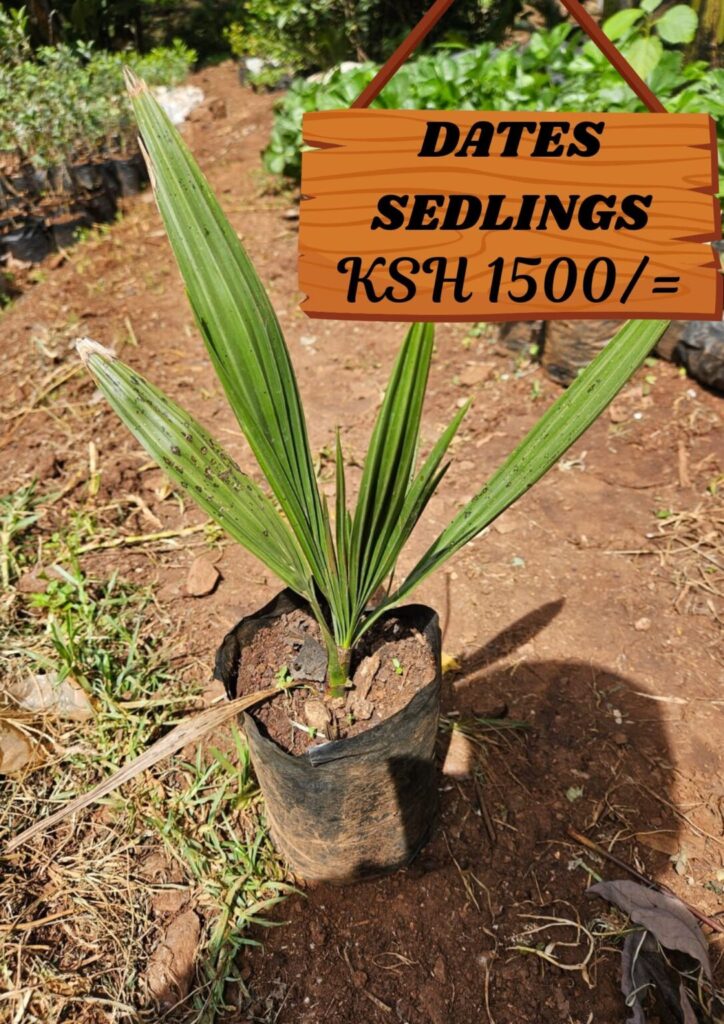
We supply certified Medjool date palm offshoots at KSh 1,500 each for growers ready to act on this opportunity.
Call or WhatsApp: 0724 559 286 or 0790 509 684
Email: info@farmerstrend.co.ke
Website: www.farmerstrend.co.ke
For more detailed guidance on the full cultivation process, including variety selection and market development, read our comprehensive Dates Farming in Kenya: The 2026 Authority Guide before your first offshoot goes into the ground. Farmers considering other dryland fruit options can also review our drought-resistant crops archives for comparative profitability data.
The import bill did not build itself, and closing it will not happen through government announcements alone. It closes one certified offshoot, one properly pollinated orchard, and one harvest at a time.
https://farmerstrend.co.ke/trending/date-palm-seedlings-in-kenya/https://farmerstrend.co.ke/wp-content/uploads/2026/09/WhatsApp-Image-2026-09-26-at-12.32.54-1024x409.jpeghttps://farmerstrend.co.ke/wp-content/uploads/2026/09/WhatsApp-Image-2026-09-26-at-12.32.54-150x150.jpeg# TrendingDates FarmingFruitsIn FruitsAFA date palm program,arid and semi-arid lands Kenya,ASAL crops Kenya,Bayoud disease,Bruno Linyiru AFA,buy date palm seedlings Kenya,certified date palm offshoots,climate resilient crops Kenya,date export Kenya,date farming in Kenya,date palm establishment cost,date palm farming Kenya,date palm fertilizer,date palm growing counties Kenya,date palm harvesting,date palm intercropping,date palm irrigation,date palm market Kenya,date palm pests and diseases,date palm pollination,date palm profitability Kenya,date palm ripening stages,date palm seedlings,date palm seedlings in Kenya,date palm seedlings price in Kenya,date palm spacing,date palm trees per hectare,date palm value addition,date palm weevil,date palm yield per tree,dates farming,dioecious date palms,drought tolerant fruit trees,dryland fruit farming Kenya,farmers trend,fruit farming Kenya,Garissa,high-value crops Kenya,Kenya date imports,KEPHIS certified seedlings,kitui,Kutch Farm Kibwezi,makueni,male and female date palms,mandera,marsabit,Medjool date palm seedlings,Medjool dates Kenya,Medjool price per kilogram,Sh359 million date import bill,Tana River,Turkana,WajirDate palm seedlings in Kenya sit at the center of a government strategy most farmers have not heard about yet. Kenya spent over Sh359 million importing dates in 2024, while producing only around 1,100 kilograms of the fruit locally the year before. That gap is not a rounding error....FarmersTrendjohn doefarmerstrend@gmail.comAdministratorFarmers Trend Ltd.





Leave a Reply