Solar Cold Storage Cuts Avocado Losses for Gatundu Farmers: 3 Lessons for Your Farm
Solar cold storage cuts avocado losses for farmers in Gatundu South. Farmers there pick fruit and grade the fruit. They chill the fruit near the farm and sell the fruit for export. They get paid after delivery. The result is less fruit in the dustbin and more money in the pocket.
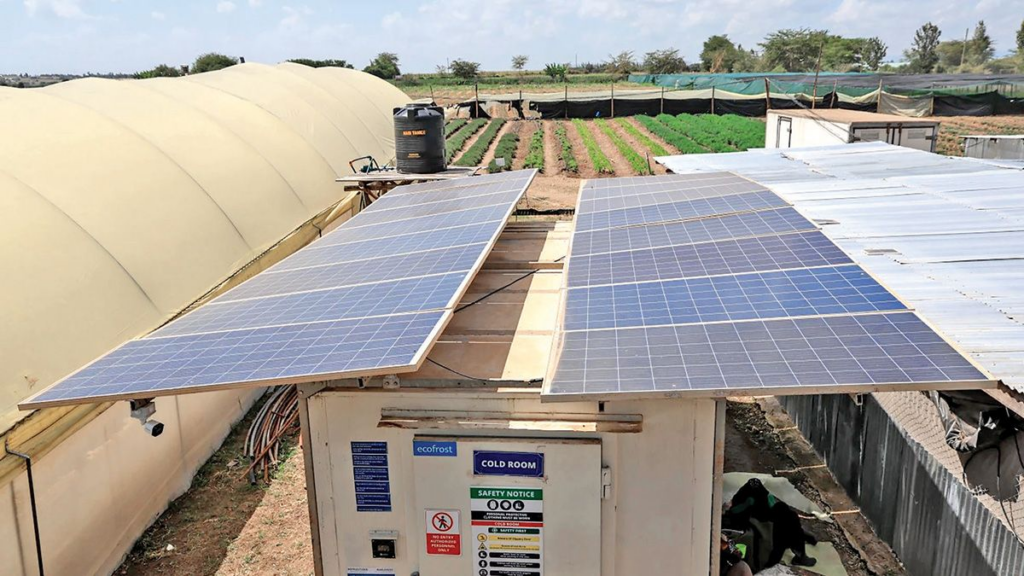
The Star reported the story on June 23, 2026. A farmer named John Ndotono told the paper more than 90 percent of his fruit now meets export standards. Another farmer, Lucy Mumbi, said she no longer loses harvests to brokers who vanish.
This article takes the facts and turns them into three lessons for your farm. You learn how solar cold storage works, why avocado losses happen and what you do before, during and after harvest. You also learn how to start an orchard which fits a cold chain from the first day.
What Solar Cold Storage Is Doing for Avocado Farmers in Gatundu
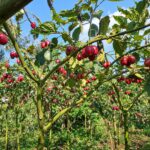
Gatundu South sits in the central highlands, where smallholders grow avocados on small plots. Ndotono left dairy farming in 2016. He planted 130 avocado seedlings. Some dried up and others were stolen. He now has about 92 trees which produce fruit for export and for the local market. His farm covers 1.5 acres in Kiganjo.
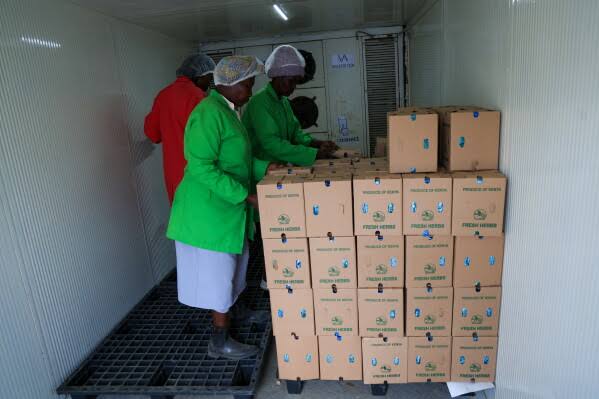
Mumbi farms 21 avocado trees on 1.5 acres. She said brokers used to harvest her fruit and disappear. She lost money on each of those sales. She now sells through a supply chain which agrees the price first and pays on time.
The company behind this supply chain is SokoFresh. SokoFresh has worked with smallholder avocado farmers since 2019. The company runs solar-powered cold storage units, links farmers to export buyers and pays through a digital platform. You find the company at sokofresh.co.ke and the original news report at The Star report on Gatundu avocado farmers.
The Numbers at a Glance
| Item | Figure |
|---|---|
| Kenya avocado production in 2023 (USDA) | 633,000 tonnes |
| Kenya’s rank among world producers | Sixth |
| Export volume in 2022 | 103,254 tonnes |
| Export volume in 2023 | 122,581 tonnes |
| Smallholder share of avocado growers | About 85 percent |
| Top export destinations in 2024 | Netherlands 32 percent, UAE 16 percent, Spain 13 percent, France 11 percent, Germany 7 percent |
| Solar cold storage facilities run by SokoFresh | More than 32 |
| Storage temperature | As low as 4 degrees Celsius |
| Shelf life abroad with refrigeration | Up to three weeks, against about one week without refrigeration |
| Post-harvest loss reported by SokoFresh | From highs of 40 percent to under 5 percent |
| Kiambu aggregation hub | More than 140 tonnes at a time, about 2,500 farmers |
| UNCDF loan to SokoFresh (April 2026) | US$500,000 over four years, to reach about 5,000 farmers each year |
Loss figures come from SokoFresh. Treat them as the company’s own reported results. Your results depend on your fruit, your handling and your buyer.
How the Gatundu Supply Chain Works
The chain starts with scouting. Staff visit each farm and check the quality and variety of fruit. They then write a harvest plan so every farmer gets a pick-up in turn. SokoFresh recruits agents from among local avocado farmers. The agents bring in more farmers and train them on quality control, good agricultural practices and harvest coordination.
Before any fruit leaves the farm, the farmer and the company agree the price. A specialist weighs and grades the fruit. Crews pack the fruit and move the crates into a solar cold storage unit. The farmer receives payment through a digital platform after delivery.
This design removes three problems. The farmer no longer waits for a broker. The farmer no longer guesses the price. The fruit no longer sits in the sun.
Why Avocado Losses Hurt Smallholders So Much
Smallholders produce about 85 percent of Kenya’s avocados. Most of them farm less than an acre. Mburu, a senior export operator at SokoFresh, said small plots make aggregation, certification, compliance and quality control hard to organise at scale.
Research by the International Food Policy Research Institute adds more problems. Smallholders face high harvesting and transport costs, money shortages, delayed payments, limited training and credit, and poor rural roads. Each problem raises the chance of loss.
SokoFresh puts losses on horticultural produce in Kenya at 40 to 50 percent, mainly because of poor storage and handling. Avocados are no exception. Fruit picked in the morning and left in the sun until a truck arrives in the evening loses quality by the hour.
Where Avocado Losses Happen on Your Farm
Losses begin in the orchard. Fruit falls and bruises when pickers shake branches. Fruit sits in the sun after picking. Fruit waits for a buyer who arrives late. Fruit travels on rough roads in sacks. Each step takes a little quality away. By the time fruit reaches the buyer, the grade has dropped and so has the price.
Solar cold storage attacks these losses at the first mile. The fruit moves from the tree to a cool room within hours. Solar cold storage slows ripening and rot. You gain time to grade, to wait for a full truck and to sell at a better price.
What Avocado Losses Cost You
Take a farm like Ndotono’s, with 92 producing trees. Assume each tree gives 100 kilograms of fruit in a season. The farm harvests 9,200 kilograms. The table shows what a loss of 40 percent costs against a loss of 5 percent at three planning prices.
| Farm Gate Price | Fruit Lost at 40 Percent (3,680 kg) | Fruit Lost at 5 Percent (460 kg) | Value You Keep |
|---|---|---|---|
| KSh 20 per kg | KSh 73,600 | KSh 9,200 | KSh 64,400 |
| KSh 40 per kg | KSh 147,200 | KSh 18,400 | KSh 128,800 |
| KSh 60 per kg | KSh 220,800 | KSh 27,600 | KSh 193,200 |
The yield and the prices are planning figures, not field data. Replace them with your own numbers. The pattern holds on every farm. Cutting loss from 40 percent to 5 percent saves 3,220 kilograms on this farm. At KSh 40 per kilogram, you keep KSh 128,800 you would have lost.
Lesson 1 From Solar Cold Storage: Agree the Price and the Payment Before You Harvest
The first lesson has nothing to do with cold rooms. Mburu said the company always agrees the price with the farmer before any fruit leaves the farm. This single rule protects you from the broker who harvests, promises to pay and disappears.
Mumbi told the paper she struggled with brokers who sometimes harvested her fruit and vanished. The loss was significant and avoidable. A price agreed in advance, with payment after delivery through a digital platform, ended the risk for her.
What You Do Before Every Harvest
Ask every buyer three questions. What is the price per kilogram? Which grade does the price cover? When will you pay? Write the answers in a notebook or send them by message so you hold a record. Do not harvest until you have the answers.
Compare at least two buyers. A buyer who refuses to name a price before harvest is a risk. A buyer who pays after a week costs you the use of your money. Payment on delivery, or within a day or two, protects your cash flow.
Use Digital Payment to Your Advantage
Digital payment leaves a record. The record shows the weight, the date, the price and the amount paid. Keep these records. They help you apply for credit, settle disputes and plan the next season. A farm with records earns the trust of banks and buyers.
Lesson 2 From Solar Cold Storage: Cool Your Fruit Fast and Keep the Cold Chain Unbroken
The second lesson is the one which gives solar cold storage the name. Avocados ripen faster when they stay warm. Heat in the field starts the ripening clock. Every hour in the sun shortens the shelf life you sell to a buyer.
SokoFresh reports refrigeration extends avocado shelf life to up to three weeks after arrival abroad, against about one week without refrigeration. The difference decides whether a shipment reaches a shop shelf in good condition or arrives soft and downgraded.
How Solar Cold Storage Works
SokoFresh builds modular cold rooms which run on solar power. The rooms hold temperatures as low as 4 degrees Celsius. Because the rooms run on the sun, they work in places where the grid fails or does not reach. Farmers and aggregators pay for storage as they use the service, a model known as pay-as-you-store.
One unit serves many farmers. A farmer with 21 trees and a farmer with 92 trees both bring crates to the same room. Trucks collect full loads, which cuts transport cost per kilogram. The Kiambu hub holds more than 140 tonnes at a time and works with about 2,500 farmers.
What You Do Without a Cold Room
Not every farmer lives near a solar cold storage unit. You still cut loss by following the same logic as solar cold storage. Harvest in the cool hours of the morning. Place fruit in shade straight after picking. Use clean plastic crates, not sacks. Handle each fruit gently and never drop fruit into a crate.
Move fruit to the buyer within hours. Do not leave crates in the sun while you wait for a truck. Set up a shaded collection point near the road. Cover crates with a clean, damp cloth in the shade. Each hour you save protects shelf life.
How to Reach a Cold Storage Service
Ask your farmer group, your agent or your extension officer whether a solar cold storage operator works in your area. The operator recruits farmers through local agents. If an agent lives near you, ask to join. If no agent lives near you, talk to your neighbours and form a group. A group of avocado farmers with enough fruit attracts a collector.
The UN Capital Development Fund approved a loan of US$500,000 to SokoFresh in April 2026. The four-year loan funds the expansion of solar cold storage and aggregation, with a target of about 5,000 smallholder farmers each year. New units will open in new areas, so keep asking.
Lesson 3 From Solar Cold Storage: Grade and Time Your Harvest to Meet Export Standards
Solar cold storage saves fruit which is fit to sell. Cooling does not repair poor fruit. The third lesson is quality. Ndotono said more than 90 percent of his fruit meets export standards. He credits the support he gets from supply chain managers and his own focus on quality.
Mburu described the steps. SokoFresh scouts each farm, trains farmers, plans the harvest and uses a specialist to weigh and grade the fruit. Each step protects quality. Each step also lifts the share of fruit which sells at the export price.
Harvest at the Right Maturity
Avocados do not ripen on the tree, and fruit picked too early never ripens well. Export buyers test maturity with dry matter. The Agriculture and Food Authority sets minimum standards for export fruit. Confirm the current dry matter standard for Hass and Fuerte with your buyer or with AFA before you pick.
Do not pick on a calendar date. Pick when the fruit passes the maturity test. Sample fruit from different trees and parts of the canopy. A single tree in the shade matures later than a tree in full sun.
Grade Your Fruit Into Three Lots
| Grade | Description | Where You Sell |
|---|---|---|
| Export grade | Mature, clean skin, no cuts, no bruises, even size | Exporters and aggregators with cold storage |
| Local grade | Mature, minor marks, uneven size | Local markets, hotels, supermarkets and traders |
| Processing grade | Mature but marked, small or oversized, sound inside | Oil processors and juice buyers |
Sort fruit at a shaded table or on a clean tarpaulin. Use the same rules for every picker. Label each crate. Record the weight of each grade. After one season, you know which trees give the best export fruit and which need better care.
Train Your Pickers
Pickers shape quality. A picker who twists fruit from a branch tears the stalk and opens a wound. A picker who uses clippers and leaves a short stalk leaves the fruit clean. Teach your crew to cut, not pull. Teach them to place fruit in the crate, not throw the fruit.
The Hours After Picking: A Cold Chain Timeline
Time decides fruit quality. The hours after picking matter more than the days before. The table shows a planning timeline for one harvest day. The hours are examples, not a standard. Adjust them to your road, your buyer and your crew.
| Time After Picking | Action | Why This Matters |
|---|---|---|
| Hour 0 | Pick fruit with clippers and place the fruit in crates | Clean cuts and careful handling prevent wounds |
| Hour 1 | Move crates to shade and cover them with a damp cloth | Shade slows ripening |
| Hour 2 | Grade and weigh fruit, and record the figures | Records protect your price |
| Hour 3 to 6 | Deliver crates to a solar cold storage unit or collection point | Cold air stops the ripening clock |
| Hour 6 to 24 | Wait for a full truck while fruit stays cold | Full loads cut transport cost per kilogram |
| Day 2 | Payment arrives after delivery | Fast payment funds your next harvest |
A farm without solar cold storage follows the same timeline up to Hour 2. Then the fruit waits in the shade for a truck. Each hour costs quality. This is the gap which solar cold storage fills.
Plan Your Harvest Like a Supply Chain Manager
Mburu said SokoFresh scouts farms and builds a harvest plan so every farmer gets a turn. You plan the same way on your farm. A plan prevents the rush which ruins quality.
Count your trees and estimate your volume. A farm with 92 trees and 100 kilograms per tree holds about 9,200 kilograms. A plastic crate holds about 20 kilograms of avocados. The farm needs about 460 crate loads across the season. Split the harvest into several picking days so crates, workers and trucks never run short.
Book your buyer for each picking day. Tell your pickers the day before. Prepare crates, clippers, shade and a table for grading. Check the weather. Rain on a picking day delays the harvest and raises the risk of rot. Choose a dry morning.
Write the plan on one page. List the dates, the trees to pick, the number of crates, the buyer and the price. Keep the page with your records. Next season, you improve the plan instead of starting again.
How Cooled Fruit Helps You Sell at Better Prices
The UNCDF financing announcement points to a second gain. Solar cold storage lets farmers sell during peak pricing windows instead of selling at once after harvest. Fruit held in cold storage keeps quality while you wait for a stronger price or a full truck.
Prices for avocados move through the season. A farmer who must sell the same day accepts the price on offer. A farmer with cooled fruit negotiates. The difference of KSh 5 to KSh 10 per kilogram on 5,000 kilograms is KSh 25,000 to KSh 50,000. These are planning figures. Ask your buyer how prices move in your area.
Solar cold storage does not remove the need to sell. Fruit still ripens. Plan to sell within the shelf life your buyer allows. Agree the timeline in advance.
What Ndotono and Mumbi Teach Small Farms
Ndotono planted 130 seedlings in 2016 and has about 92 trees today. This means about 38 trees, or 29 percent of his planting, dried up or disappeared. Replacing 38 seedlings at KSh 250 each costs KSh 9,500. The cost is small, but the lost years are not. Protect your seedlings from drought, theft and waterlogging from the day you plant.
Mumbi farms 21 trees on 1.5 acres. Twenty-one trees is a small crop for a broker to chase, yet a supply chain still serves her. This shows small farms are able to join modern markets when a group, an agent or an aggregator brings the fruit together.
Both farmers share one habit. They treat avocados as a business. They agree prices, follow quality rules and rely on records. You copy the same habits on your farm, whatever the size.
Why Traceability Matters to Export Buyers
SokoFresh describes the produce as fresh and traceable. Export buyers want to know where fruit came from, when a farmer picked the fruit and how the fruit was handled. Records answer these questions.
Keep a simple record for each picking day. Write the farm name, the block, the date, the variety, the weight and the grade. Keep the record for the season. If a buyer finds a problem with a crate, the record shows where the fruit came from. Good records protect you from unfair claims and help you earn repeat orders.
What Solar Cold Storage Means for Your Income
Solar cold storage raises your income through four routes. First, less fruit rots, so more fruit reaches the market. Second, longer shelf life opens export buyers who pay more. Third, farmers sell when prices are strong instead of selling in a rush after harvest. Fourth, full truckloads cut the cost of transport per kilogram.
Return to the example farm with 92 trees and 9,200 kilograms of fruit. Suppose the farm sells 90 percent as export grade at KSh 60 per kilogram and the rest at KSh 20 per kilogram. Export fruit brings 8,280 kilograms times KSh 60, or KSh 496,800. The remaining 920 kilograms bring KSh 18,400. Total income is KSh 515,200.
Now suppose the same farm loses 40 percent of fruit and sells the rest at KSh 20 per kilogram to a broker. The farm sells 5,520 kilograms and earns KSh 110,400. The gap is KSh 404,800. These are planning figures. Real prices change by season and buyer. The size of the gap shows why quality, cooling and price agreements matter.
| Scenario | Fruit Sold | Income |
|---|---|---|
| Cold chain, 90 percent export grade at KSh 60, rest at KSh 20 | 9,200 kg | KSh 515,200 |
| No cold chain, 40 percent loss, rest at KSh 20 | 5,520 kg | KSh 110,400 |
Know the Limits of Solar Cold Storage Before You Rely on the Service
Solar cold storage is a tool, not a cure. Solar cold storage saves fruit which was mature and sound when you picked. Solar cold storage does not repair bruised, immature or diseased fruit. A cold room full of poor fruit still earns a poor price.
The service also has limits of reach. A unit serves farms within a practical distance, and coverage grows as operators expand. If no unit serves your area today, plan for the day one arrives. Build your records, your grading habits and your group now.
Read the claims with care. The loss figures and the shelf life figures come from the operator. Ask for results from farms like yours. Ask other farmers about payment speed and fair grading. Keep at least one alternative buyer, so a delay in one chain does not stop your sales.
Compare the Cost of Cooling With the Cost of Loss
Before you pay for any storage, run a simple break-even check. Suppose solar cold storage saves 5 kilograms from every 100 kilograms of fruit. At a price of KSh 40 per kilogram, those 5 kilograms are worth KSh 200. The saving is KSh 2 per kilogram of fruit handled. The storage fee must stay below KSh 2 per kilogram for cooling alone to pay.
Now add the other gains. A fair price agreed in advance, faster payment and access to export buyers raise your return further. Add these gains to your own sums. Ask the operator for the fee in writing so you compare real numbers.
Run the same check with your own figures. Use your price, your expected saving and the quoted fee. If the result is close, weigh the other benefits, such as secure payment and a guaranteed buyer.
How to Use Solar Cold Storage If Your Farm Is Small
Many Kenyan avocado farmers have less than an acre. Mburu named this as a barrier to scale. A small farm is unable to fill a truck or fund a cold room alone. A group solves the problem.
Form or join a group of avocado farmers in your area. Pool the harvest from all members. Agree one grading standard. Appoint one member to talk to buyers and to the cold storage operator. Share transport and record keeping. Twenty farmers with 200 kilograms each hold four tonnes of fruit.
Choose group leaders who keep honest records of every solar cold storage delivery. Pay members by weight and grade, and publish the figures. A group which keeps clear accounts keeps the members and attracts buyers.
Build Your Orchard for the Cold Chain: Hass and Fuerte Seedlings
Solar cold storage rewards farmers who grow the varieties export buyers want. SokoFresh works with premium Hass and Fuerte avocados. Both varieties suit export and local markets.
Farmers Trend Limited sells Certified Grafted Hass Avocado Seedlings at KSh 250 each. Farmers Trend Limited also sells Grafted Fuerte Avocado Seedlings at KSh 250 each. The nurseries are in Murang’a and Nairobi. Order the Hass seedlings at Certified Grafted Hass Avocado Seedlings
What to Check Before You Pay for Seedlings
Farmers Trend Limited recommends seedlings at least 6 to 8 months old. Look for a healthy root system without damaged or stunted roots. Choose seedlings with vibrant green leaves and no yellow or brown leaves. Compare the height with the size of the pot. Pick a trunk which is sturdy and straight. Check the graft union is fully healed.
Buy from a nursery you trust. Healthy seedlings give you a uniform orchard. A uniform orchard gives you uniform fruit, and uniform fruit grades well.
Seedling Cost Per Acre at KSh 250
| Spacing | Trees per Acre | Seedling Cost at KSh 250 |
|---|---|---|
| 8 m by 8 m | 63 | KSh 15,750 |
| 9 m by 9 m | 50 | KSh 12,500 |
| 10 m by 10 m | 40 | KSh 10,000 |
Tree numbers come from dividing an acre of 4,047 square metres by the area each tree occupies. Confirm the spacing for your area with your extension officer. Plant on well drained land and keep drains open during the rains, because wet soil raises the risk of root rot.
Questions to Ask Before You Sign Up With Any Cold Storage Service
Use these questions with every solar cold storage operator, aggregator or buyer who offers to take your fruit. Write the answers down. Compare the answers from at least two operators before you commit your harvest.
| Question | Why This Matters |
|---|---|
| Who sets the price and when? | A price agreed before harvest protects you from late changes |
| How soon do you pay? | Payment within days protects your cash flow |
| Who grades the fruit and by what standard? | A clear standard prevents disputes |
| What does storage cost? | Pay-as-you-store fees change your margin |
| Who collects the fruit and when? | Late collection costs you fruit |
| Do you give weight and grade records? | Records protect you and help you plan |
| Which varieties do you buy? | Buyers prefer Hass and Fuerte for export |
Get the answers in writing. A reliable operator answers every question.
Common Mistakes Which Raise Avocado Losses
Farmers who join a solar cold storage chain still lose fruit when they repeat the mistakes below. Fix the habits first. Good habits and good storage work together.
| Mistake | Fix |
|---|---|
| Selling to a broker with no agreed price | Agree the price, grade and payment day before harvest |
| Picking on a fixed date | Pick when fruit passes the maturity test |
| Leaving fruit in the sun | Move fruit to shade straight after picking |
| Using sacks instead of crates | Use clean plastic crates |
| Mixing grades in one crate | Sort into export, local and processing lots |
| Selling alone with a small volume | Join a group and pool fruit |
| Skipping records | Record weight, grade, price and payment for every sale |
Frequently Asked Questions About Solar Cold Storage for Avocados
What is solar cold storage?
Solar cold storage is a cold room powered by solar panels. The room keeps fruit cool near the farm. The room works where the power grid is weak or absent.
How does solar cold storage reduce avocado losses?
The fruit moves from the tree to cool air within hours. Cool air slows ripening and rot. Farmers also grade, weigh and sell the fruit in an organised way, which cuts losses from waiting and rough handling.
How much shelf life does refrigeration add?
SokoFresh reports up to three weeks of shelf life after arrival abroad with refrigeration, against about one week without refrigeration.
How much does Kenya export in avocados?
USDA figures show export volume rose from 103,254 tonnes in 2022 to 122,581 tonnes in 2023. Kenya produced 633,000 tonnes in 2023 and ranked sixth in the world.
Who buys Kenyan avocados?
The top export destinations in 2024 were the Netherlands at 32 percent, the United Arab Emirates at 16 percent, Spain at 13 percent, France at 11 percent and Germany at 7 percent.
How much does cold storage cost?
SokoFresh uses a pay-as-you-store model, so you pay for the space and time you use. The sources do not publish a fee. Ask the operator for the price per crate and the payment terms before you sign.
Do small farms qualify for cold storage?
Yes. Operators serve farmers with a few trees as well as farmers with many. Local agents recruit farmers and bring fruit together. A farm with 21 trees, like Mumbi’s, sells through the same chain as a farm with 92 trees.
How do I join a cold storage service?
Ask your farmer group, your agent or your extension officer. Operators recruit through local agents who are avocado farmers. A group with enough fruit also attracts a collector.
How much do Hass and Fuerte seedlings cost?
Farmers Trend Limited sells Certified Grafted Hass Avocado Seedlings at KSh 250 each and Grafted Fuerte Avocado Seedlings at KSh 250 each.
Your Next Step With Solar Cold Storage This Season
Solar cold storage cuts avocado losses in Gatundu because the model joins three practices. Farmers agree the price before harvest. Farmers cool the fruit within hours. Farmers grade and harvest to export standards. Each practice works alone, and together they protect income.
Start this season. Ask your buyers for a price, a grade and a payment day. Move fruit to shade the moment you pick. Sort fruit into three lots. Join a group and ask your agent about solar cold storage. Keep records of every sale.
If you plan to plant, choose varieties which suit the export and local markets. Farmers Trend Limited sells Certified Grafted Hass Avocado Seedlings and Grafted Fuerte Avocado Seedlings at KSh 250 each from nurseries in Muranga and Nairobi.
Call or WhatsApp 0724 559 286 or 0790 509 684. Email info@farmerstrend.co.ke. Visit www.farmerstrend.co.ke.
https://farmerstrend.co.ke/trending/solar-cold-storage-avocado-losses/https://farmerstrend.co.ke/wp-content/uploads/2026/11/ce48a11c-0f5c-43f0-8db2-a0e61ad252b7-1024x576.pnghttps://farmerstrend.co.ke/wp-content/uploads/2026/11/ce48a11c-0f5c-43f0-8db2-a0e61ad252b7-150x150.png# TrendingAvocado FarmingIn Fruitsavocado brokers Kenya,avocado cold chain,avocado cold storage,avocado export Kenya,Avocado Farm Gate Price,avocado farmer groups,avocado farming tips,avocado grading,avocado harvest planning,avocado maturity and dry matter,avocado post-harvest losses,avocado seedlings Kenya,avocado seedlings price Kenya,avocado shelf life,Farmers Trend Limited,Fuerte Avocado,Gatundu avocado farmers,Gatundu South,grafted Fuerte avocado seedlings,grafted hass avocado seedlings,hass avocado,hass avocado farming in kenya,horticulture cold chain,kenya avocado exports 2026,Kiambu avocado farming,pay-as-you-store,Post-harvest handling,reduce food waste Kenya,smallholder avocado farmers,SokoFresh,solar cold storage,solar cold storage for avocados,solar cold storage KenyaSolar cold storage cuts avocado losses for farmers in Gatundu South. Farmers there pick fruit and grade the fruit. They chill the fruit near the farm and sell the fruit for export. They get paid after delivery. The result is less fruit in the dustbin and more money in...FarmersTrendjohn doefarmerstrend@gmail.comAdministratorFarmers Trend Ltd.






Leave a Reply