Hass Avocado Farming for Export: 5 Reasons It’s Kenya’s Best Long-Term Agri-Investment
Hass Avocado Farming for Export: Why It’s Kenya’s Most Promising Long-Term Investment
Hass avocado farming for export represents one of the most significant agricultural opportunities in Kenya today. Across the country’s highlands, from Murang’a and Kiambu to Kericho and parts of the Rift Valley, farmers are discovering that this unique crop offers more than just good nutrition. It offers a pathway to serious, sustained wealth through international trade. With global demand for avocados growing every year and Kenya’s climate perfectly suited for production, Hass avocado farming for export has transformed from a niche activity into a major economic driver. This guide explores why this sector is booming, how it works, and what you need to know to build a successful export-focused avocado enterprise.

The story of Kenya’s avocado sector is remarkable. Not long ago, most avocados were consumed locally or went to waste due to poor market access. Today, Kenya is a leading supplier to Europe, the Middle East, and has recently gained coveted access to the massive Chinese market. This shift is powered by a global health trend, where consumers from Amsterdam to Dubai to Shanghai seek out the avocado’s healthy fats and vitamins. For Kenyan farmers, this isn’t just a seasonal market. It’s a long-term, structural shift in global food consumption that makes Hass avocado farming for export a strategic investment for the next 20 to 30 years.
Understanding the Global Boom: The Engine Behind Hass Avocado Farming for Export
To understand why Hass avocado farming for export is so promising, you must first look at global consumption patterns. The avocado, particularly the Hass variety with its creamy texture and long shelf life, has become a global superfood. Its use in salads, sandwiches, guacamole, and even smoothies has made it a staple in healthy diets worldwide. Social media and celebrity endorsements have further boosted its popularity, making it a symbol of modern, health-conscious living.
This demand creates a predictable and growing market. Countries like the Netherlands, France, the United Kingdom, Spain, and the United Arab Emirates import thousands of tonnes of Kenyan Hass avocados annually. In 2022, Kenya officially began exports to China, unlocking a market of over 1.4 billion potential consumers. The key takeaway for farmers is this: when you engage in Hass avocado farming for export, you are not producing for a fad. You are growing a commodity with deep, established, and expanding international demand. This external market stability often provides better and more consistent prices than the volatile local market.
The Long-Term Investment Case for Hass Avocado Farming for Export
Hass avocado farming for export is not a get-rich-quick scheme. It is a classic example of patient capital in agriculture. An avocado orchard requires an initial investment period of 3 to 4 years before it begins substantial commercial production. However, once established, a well-managed tree can produce fruit prolifically for 30 to 50 years. This long productive life is what makes it such a powerful investment.
Consider the economics. A mature, healthy Hass avocado tree can produce between 600 and 1,200 fruits annually. With recommended spacing of about 100 trees per acre, the potential yield is significant. While export prices fluctuate, they consistently surpass local market prices, especially for graded, quality fruit. This combination of high yield per tree, premium export prices, and a multi-decade production window means that Hass avocado farming for export can generate wealth that supports families for generations. It is an asset that grows in value—both in terms of land value with a mature orchard and annual income.

Critical First Step: Sourcing Certified Seedlings for Hass Avocado Farming for Export
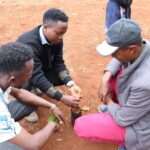
The entire success of your venture hinges on your first action: planting the right tree. For Hass avocado farming for export, you must use certified, grafted Hass avocado seedlings. Planting seeds from random avocados or buying uncertified seedlings is the single biggest mistake a new farmer can make. Trees grown from seed are not true to type, take 7-10 years to fruit, and produce unpredictable, often poor-quality fruit that the export market will reject.
Certified hass avocado seedlings from reputable sources like the Farmers Trend Limited nurseries or accredited private nurseries are grafted. This means a Hass variety scion is joined to a hardy rootstock. These seedlings:
- Fruit in 2-3 years, accelerating your return on investment.
- Produce consistent, high-quality fruit that meets export standards for size, shape, and oil content.
- Are often grafted onto disease-resistant rootstocks, protecting your orchard from soil-borne diseases like Phytophthora root rot.
Your investment in proper seedlings is non-negotiable for successful Hass avocado farming for export. It is the foundation upon which everything else is built.

Key Practices for Export Success in Hass Avocado Farming
To sell to international markets, your farm must adhere to specific standards. Hass avocado farming for export is as much about documentation and protocol as it is about horticulture.
Good Agricultural Practices (GAP): This is a set of standards for on-farm production and post-harvest handling. It ensures food is safe and wholesome. For avocados, GAP covers water source quality, manure handling, pesticide use records, and worker hygiene. Many European buyers require GLOBALG.A.P. certification, an internationally recognized set of GAP standards.
Integrated Pest Management (IPM): Export markets have strict limits on pesticide residues. IPM is a strategy that minimizes chemical use by combining techniques like biological control (using natural predators), cultural practices (orchard sanitation), and careful, targeted spraying only when necessary. Keeping meticulous spray records is mandatory.
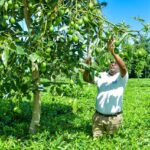
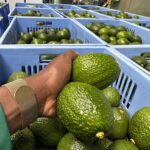
Harvesting and Post-Harvest Handling: Avocados for export are picked based on dry matter content, not softness. They must be hand-picked with care to avoid stem damage or bruises. A basic, clean packhouse is essential for sorting, washing, grading by size, and packing into standardized cartons. Poor handling after harvest is a major cause of rejections at the export destination.
Navigating Challenges and Building Resilience
Like any serious venture, Hass avocado farming for export comes with challenges that require smart management.
Climate Vulnerability: While mature trees are drought-tolerant, flowering and fruit set can be severely impacted by erratic rains or extended dry periods. Investing in supplemental irrigation, even if just for young trees and critical dry spells, is highly recommended for consistent production.
Market Access and Logistics: An individual smallholder may find the export process daunting. The most reliable path is often through an out-grower scheme with a registered exporter or a strong cooperative. These entities handle the complex logistics, cooling, shipping, and paperwork, allowing farmers to focus on production.
Financing and Patience: The initial years require capital for land preparation, seedlings, inputs, and labor with no income from the orchard. Farmers need a financial plan to cover living and farm maintenance costs during this establishment period.

Conclusion: Seizing the Green Gold Opportunity
Hass avocado farming for export is more than just a crop; it is a strategic, long-term business decision. It aligns Kenya’s agricultural strengths with powerful global market trends. For farmers with suitable land, a willingness to learn international standards, and the patience to wait for the first major harvest, the potential rewards are substantial.
The global appetite for healthy, convenient foods is not slowing down. By establishing a well-managed, certified Hass avocado orchard today, you are positioning yourself and your family to benefit from this demand for decades to come. Start by visiting the Agriculture and Food Authority (AFA) Hortifresh Directorate for the latest market guidelines and a list of certified seedling providers. You can also learn about Good Agricultural Practices from the Food and Agriculture Organization of the United Nations (FAO). Hass avocado farming for export is a journey that begins with a single, carefully chosen tree, but it can end with a transformed livelihood and a legacy of prosperity.
https://farmerstrend.co.ke/trending/hass-avocado-farming-for-export-kenya/https://farmerstrend.co.ke/wp-content/uploads/2026/02/Gsq7ye7X0AAQAp6-1024x768.jpeghttps://farmerstrend.co.ke/wp-content/uploads/2026/02/Gsq7ye7X0AAQAp6-150x150.jpeg# TrendingAvocado FarmingHass Avocado Farming for Export: Why It’s Kenya’s Most Promising Long-Term InvestmentHass avocado farming for export represents one of the most significant agricultural opportunities in Kenya today. Across the country’s highlands, from Murang'a and Kiambu to Kericho and parts of the Rift Valley, farmers are discovering that this unique crop...FarmersTrendjohn doefarmerstrend@gmail.comAdministratorFarmers Trend Ltd.









Leave a Reply