Goat and Sheep Training Centre in Kiambu Launched Through Kenya-Israel Partnership
- Goat and sheep training centre in Kiambu will train farmers in breeding, animal nutrition and feed production under a new Kenya-Israel agricultural partnership.
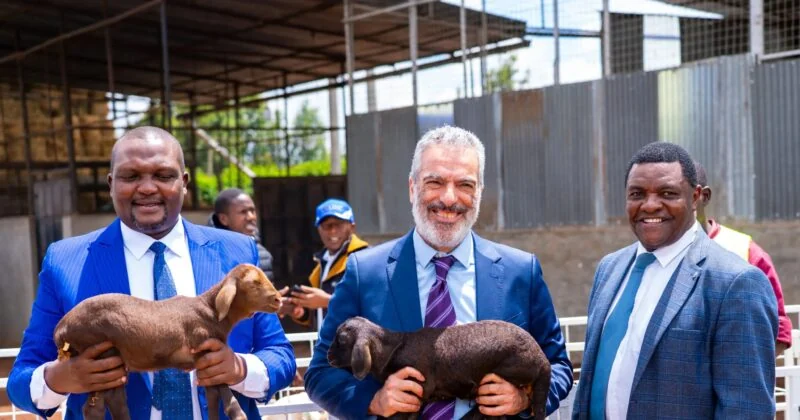
Kenya and Israel Launch Goat and Sheep Training Centre in Kiambu
A new goat and sheep training centre has been launched in Kiambu County to help livestock farmers improve breeding, animal nutrition and farm productivity through practical training and modern technologies.
The facility, based at 27 Farms, was launched on 23 November through a partnership between the farm and Israel’s Agency for International Development Cooperation, MASHAV. Training is expected to begin in early 2027.
The centre will focus on dairy goat and sheep production, animal genetics and feed preparation. It is also equipped with a feed pellet-making machine supplied through MASHAV, intended to help improve feed quality and support feed conservation during periods of shortage.
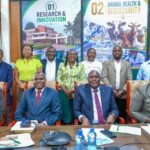
The launch brought together Kenyan and Israeli officials, livestock experts and farmers. Israeli Ambassador to Kenya Gideon Behar described the centre as a new milestone in agricultural cooperation between the two countries.
Behar said the facility was the first Israeli-supported training centre in Kenya dedicated specifically to goats and sheep. He expressed hope it would serve as a model for similar initiatives elsewhere in the country.
Training to Cover Breeding, Nutrition and Feed Production
The centre will provide practical instruction in dairy goat and sheep farming, animal genetics and feed production. The programme is expected to draw on the farm’s breeding work and experience gained through agricultural training in Israel.
The feed pellet-making machine is a key part of the facility. It will allow different feed ingredients to be combined into pellets designed to provide balanced nutrition for goats and sheep. The equipment is also expected to support feed production for farmers in the surrounding area.
MASHAV agricultural expert Eitan Hatzor said feed accounts for an estimated 60 to 70 per cent of livestock production costs. Improving feed management, he said, is important to reducing costs and improving farm returns.
The machine is intended to help the farm prepare feed using available ingredients and preserve supplies for periods when pasture and fodder become scarce.
Breed Improvement Could Raise Output From Existing Herds
Peter Njenga, Deputy Director of Livestock Production at the State Department for Livestock Development, said improving animal genetics was important for increasing livestock productivity and meeting rising food demand.
Njenga, who represented the Principal Secretary, said selective breeding enables farmers to develop animals with desirable traits, including faster growth, higher body weight and increased milk production.
He said improved productivity per animal offers a way to produce more food from limited land, rather than depending mainly on increasing herd numbers.
However, Njenga cautioned against losing indigenous animal genetic resources during breed improvement programmes. Local breeds carry traits that may be valuable for future breeding, including adaptation to local conditions.
He said the government operates 15 centres across Kenya to conserve indigenous animal breeds. Genetic improvement requires investment, specialised expertise and time, he added.
Kiambu Farmers Face High Feed Costs and Quality Concerns
Kiambu County Chief Officer for Livestock, Fisheries and Veterinary Services John Kuria said high feed costs and poor feed quality were among the challenges affecting livestock production in the county.
Kuria, who represented Governor Kimani Wamatangi, said the county government would work with 27 Farms to support farmer training, drawing on the expertise of county livestock officers.
The county already has programmes supporting livestock production among women and young people. Kuria said the new centre would provide an opportunity to expand support for goat breeding and production.
The organisers expect the facility to serve farmers beyond Kiambu. Livestock officials from Makueni and Taita Taveta were among those represented at the launch.
27 Farms Uses Selective Breeding and Zero-Grazing
Jacqueline Gathura, Director of 27 Farms and a beneficiary of MASHAV agricultural training in Israel, said the farm had been improving its dairy goat and sheep breeds through selective breeding and the introduction of other genetic lines.
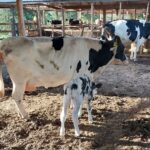
The farm began with dairy goats before expanding into meat goats and sheep. Its livestock include dairy goats, Boer goats for meat production and sheep, including crosses developed from indigenous Red Maasai sheep and Meatmaster breeding stock from South Africa.
Gathura said the crossbreeding work had produced animals with larger body frames and greater potential for meat production.
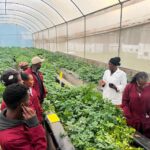
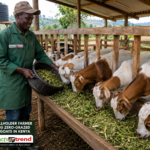
The farm uses a zero-grazing system, keeping animals within the farm and bringing feed to them. It grows maize for silage, purchases additional fodder and is testing lucerne cultivation to improve feed availability.
Gathura said pellet production would make feed preparation and storage easier, particularly during dry seasons when fodder shortages are common. She urged farmers to consider feeding systems less dependent on rainfall as weather patterns affect pasture and feed supplies.
Proposed Assaf Sheep Introduction Under Consideration
Behar said Kenya’s Ministry of Agriculture was considering introducing the Assaf sheep breed from Israel. He said the breed could produce about five litres of milk a day and that the ministry had begun planning for the proposed introduction, with Israel expected to provide technical assistance.
The proposed introduction remains under consideration. The announcement did not provide a timeline for bringing the animals into Kenya or details of the planned breeding programme.
Behar also said another Israeli-supported training centre focused on beekeeping was expected to be launched before the end of 2026.
Training Schedule and Participation Details Yet to Be Announced
The Kiambu centre is part of wider agricultural cooperation between Kenya and Israel, which includes work on irrigation, climate-smart farming and the transfer of agricultural technologies.
The new facility extends this cooperation into small livestock production, with a focus on breeding, nutrition and practical farm skills.
Gathura said the organisers hoped to begin training early in 2027. They had not yet announced the number of farmers to be trained, participation costs or the full training schedule. Further details are expected ahead of the programme’s start.
For livestock farmers, the centre is expected to offer access to practical knowledge on breed selection, feeding and farm management. Its impact will depend on the training programme’s reach and how farmers apply the practices on their own farms.
By: Spencer Walela Read original post here
https://farmerstrend.co.ke/trending/goat-and-sheep-training-centre-in-kiambu/https://farmerstrend.co.ke/wp-content/uploads/2026/11/Goat-and-Sheep-Training-Centre-in-Kiambu-Launched-Through-Kenya-Israel-Partnership.webphttps://farmerstrend.co.ke/wp-content/uploads/2026/11/Goat-and-Sheep-Training-Centre-in-Kiambu-Launched-Through-Kenya-Israel-Partnership-150x150.webp# Trendinganimal nutrition,Boer goats,dairy goats,fodder production,goat farming,Kalro,Kenya Israel partnership,Kiambu County,livestock breeding,livestock training,MASHAV,sheep farmingGoat and sheep training centre in Kiambu will train farmers in breeding, animal nutrition and feed production under a new Kenya-Israel agricultural partnership.Kenya and Israel Launch Goat and Sheep Training Centre in Kiambu A new goat and sheep training centre has been launched in Kiambu County to help livestock...FarmersTrendjohn doefarmerstrend@gmail.comAdministratorFarmers Trend Ltd.






Leave a Reply