China Market Opens for Kenyan Dried Chillies With Strict Rules on Safety, Processing and Certification
- Kenya has secured market access for dried chillies to China, but exporters must meet strict requirements on food safety, processing, traceability, packaging and phytosanitary certification.
China Market Opens for Kenyan Dried Chillies With Strict Rules on Safety, Processing and Certification
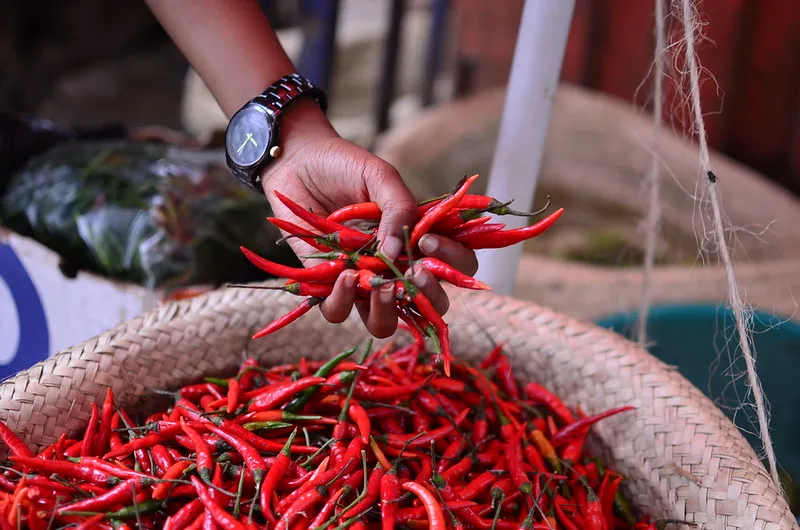
Kenya has secured market access for dried chilli peppers to China, creating a new export opportunity for farmers, processors and agricultural exporters who can meet the destination market’s plant health and food safety requirements.
The Kenya Plant Health Inspectorate Service (KEPHIS) announced the development in a public notice dated October 16, 2026, outlining the conditions that businesses must satisfy before exporting dried chillies to the Chinese market.
The requirements cover registration of production and processing facilities, phytosanitary certification, quarantine pests, pesticide residues, contaminants, moisture content, traceability, packaging and labelling. Exporters must also comply with prescribed processing and quality standards.
For Kenyan chilli producers, the development provides an additional potential destination for their produce. However, access to the market does not automatically guarantee export orders or higher farm-gate prices. Farmers and exporters will need to organise production, post-harvest handling and quality control around the requirements specified for China.
KEPHIS to oversee registration of export facilities
Under the conditions outlined in the notice, facilities involved in processing and packing dried chillies for export must be registered with China’s General Administration of Customs (GACC) through KEPHIS.
The facilities must first be inspected and approved by KEPHIS before registration. Farms, production sites, drying facilities and packhouses involved in the export chain must also be registered with the agency and comply with the applicable requirements.
The registration process makes facility compliance an important consideration for businesses planning to enter the market. Farmers intending to produce chillies for export should establish how their farms will be registered and whether they will supply through an approved processor, aggregator or exporter.
Processors and exporters, meanwhile, need to confirm the applicable inspection procedures and documentation requirements before investing in facilities or accepting export orders.
KEPHIS has invited farmers, exporters, processors, aggregators and industry associations interested in the market to contact the agency for further guidance.
Each consignment must have a phytosanitary certificate
Every consignment of dried chilli peppers exported to China must be accompanied by a phytosanitary certificate issued by KEPHIS. The certificate must confirm that the consignment complies with the applicable plant health requirements.
The notice requires consignments to be free from specified quarantine pests and regulated organisms. The listed organisms include the common bean bruchid (Acanthoscelides obtectus), cowpea weevil (Callosobruchus maculatus) and khapra beetle (Trogoderma granarium).
The notice also lists several plant pathogens and other regulated organisms, including potato spindle tuber viroid, tomato brown rugose fruit virus, the zebra chip bacterium, the bacterial canker and bacterial speck pathogens of tomato, and Orobanche species.
Exporters should obtain clarification from KEPHIS on the inspection and compliance procedures applicable to dried chilli consignments. The presence of a phytosanitary certificate requirement means that exporters must demonstrate compliance with the prescribed plant health conditions rather than rely solely on the appearance or general quality of the finished product.
Food safety rules cover pesticide residues and contaminants
The export conditions also specify food safety requirements that dried chillies must meet before shipment.
KEPHIS requires compliance with applicable maximum residue limits for pesticides, as well as limits for aflatoxin B1 and heavy metals. The notice specifies zero tolerance for Sudan dyes and requires the absence of Salmonella.
Moisture content must not exceed 13%.
These requirements make quality management important throughout production and post-harvest handling. The choice and application of crop protection products, harvesting practices, drying conditions and storage methods can affect whether the final product meets the required specifications.
Farmers supplying the export chain should understand which production practices are acceptable and keep accurate records of pesticide applications and other relevant farm activities. Exporters and processors should also establish procedures for checking incoming produce and verifying compliance before consignments are packed.
The aflatoxin requirement makes proper drying and storage particularly important. Produce that is not dried adequately or is exposed to unsuitable storage conditions may deteriorate or become contaminated. Exporters should therefore ensure that their handling systems can maintain product quality from harvest through dispatch.
Drying and processing will require closer attention
Dried chilli production involves more than harvesting fresh peppers and leaving them to lose moisture. Exporters must ensure that the product meets the required moisture limit and remains protected against contamination during drying, handling and storage.
Under the new requirements, moisture content must not exceed 13%. Businesses preparing produce for China will need to verify that their drying methods consistently achieve this limit and that the product remains within the required specification before shipment.
Processors and exporters should assess their drying capacity, storage arrangements and quality-control procedures before accepting produce from farmers. They should also establish how produce will be inspected and how non-compliant batches will be separated from export-quality stock.
For farmers, the implications begin before harvest. Production arrangements should be discussed with prospective buyers so that the crop is grown, harvested and handled in a way that supports the export requirements.
The notice does not specify a particular chilli variety, drying technology or farm-gate price. Farmers should therefore seek buyer specifications and technical guidance before investing in a production system intended specifically for the Chinese market.
Traceability and pest monitoring records are required
KEPHIS has directed stakeholders to implement Good Agricultural Practices (GAP), Integrated Pest Management (IPM) and appropriate traceability systems.
Pest-monitoring records must be retained for at least two years.
Traceability allows produce to be tracked from its production site through drying, processing, packing and export. This helps businesses identify the source of a consignment and investigate problems if the product fails to meet the required standards.
For exporters buying chillies from multiple farmers, record-keeping systems can help link each batch to its source. Producer groups and aggregators should establish clear procedures for recording farm details, pest monitoring and other relevant production information.
Farmers supplying through contracted arrangements should confirm which records they must maintain and how the exporter will collect and verify that information.
Implementing these systems may require additional organisation and training, especially where farmers have not previously supplied a tightly controlled export chain. However, maintaining reliable records can help businesses demonstrate compliance and manage quality risks.
Packaging and labelling must meet export requirements
The notice also requires exporters to comply with prescribed packaging and labelling standards and use clean, appropriate packaging materials.
Exporters should confirm the applicable specifications with KEPHIS before purchasing packaging materials or preparing consignments. Packaging must be suitable for the product and comply with the requirements for the destination market.
Processors should also ensure that produce is protected during storage and transportation. Contamination or deterioration after processing can undermine the effort invested in meeting the required food safety and moisture standards.
Businesses already exporting dried chillies to other destinations should not assume that the same packaging and documentation will automatically satisfy China’s requirements. They should confirm the relevant conditions before dispatching goods.
What the Chinese market means for chilli farmers
The new market gives Kenya’s dried chilli value chain another export destination to pursue. Whether this translates into higher production and sales will depend on the demand from Chinese buyers, the prices offered, the cost of compliance and the ability of Kenyan suppliers to deliver consistent quantities and quality.
Farmers considering chilli production for export should first establish contact with credible buyers or exporters. They need to understand the expected varieties, volumes, delivery schedules, quality specifications and purchasing terms before expanding production.
They should also calculate production costs, including seed, land preparation, crop protection, labour, harvesting, drying, storage and transportation. Export requirements may create additional costs, so farmers need to understand how these will be handled and whether the proposed buying price can cover their production expenses.
The market announcement alone does not establish a guaranteed price or a confirmed buyer for individual farmers. Growing chillies specifically for export without a clear purchasing arrangement could expose producers to the risk of having produce that does not meet buyer specifications or cannot be sold at the expected price.
Working through organised producer groups, established aggregators or exporters may help farmers coordinate production and meet quality requirements. Such arrangements can also make it easier to communicate specifications and maintain the records needed for traceability.
Exporters need to confirm requirements before shipping
KEPHIS has advised interested farmers, exporters, processors, aggregators and industry associations to contact the agency for more information on the new market.
Stakeholders can email director@kephis.org or visit a KEPHIS regional office for guidance on registration, inspections, phytosanitary certification and compliance procedures.
Before preparing a consignment, exporters should confirm the registration status of their facilities, the applicable quarantine requirements, food safety limits, traceability obligations and packaging specifications.
The opening of the Chinese market creates an opportunity for Kenya’s dried chilli industry, but access will depend on meeting the prescribed conditions. For farmers, processors and exporters, the immediate priority is to establish compliant production and handling arrangements while securing viable purchasing agreements.
If businesses can coordinate these requirements and supply dried chillies that consistently meet China’s standards, the new market could provide an additional outlet for Kenyan produce and support the development of a more organised chilli export value chain.
https://farmerstrend.co.ke/trending/dried-chilli-exports-to-china-kenya-requirements/https://farmerstrend.co.ke/wp-content/uploads/2026/10/China-Market-Opens-for-Kenyan-Dried-Chillies-With-Strict-Rules-on-Safety-Processing-and-Certification.webphttps://farmerstrend.co.ke/wp-content/uploads/2026/10/China-Market-Opens-for-Kenyan-Dried-Chillies-With-Strict-Rules-on-Safety-Processing-and-Certification-150x150.webp# TrendingChili Farmingaflatoxin control,Agribusiness,chilli exporters in Kenya,chilli farming in Kenya,chilli pepper farming,Chinese export market,crop diversification,dried chilli pepper exports to China,dried chilli processing,export quality standards,food safety standards,Kenyan agricultural exports,kephis,pesticide residue limits,phytosanitary certificationKenya has secured market access for dried chillies to China, but exporters must meet strict requirements on food safety, processing, traceability, packaging and phytosanitary certification.China Market Opens for Kenyan Dried Chillies With Strict Rules on Safety, Processing and Certification Kenya has secured market access for dried chilli peppers to...FarmersTrendjohn doefarmerstrend@gmail.comAdministratorFarmers Trend Ltd.








Leave a Reply