Why Kenyan Avocado Farmers Earn So Little From Fruit Sold at High Prices Abroad
- Kenyan avocado farmers supply lucrative export markets, but limited bargaining power and local processing leave questions about how much value reaches growers.
Kenyan Avocado Farmers and the Global Value Chain That Determines Who Profits
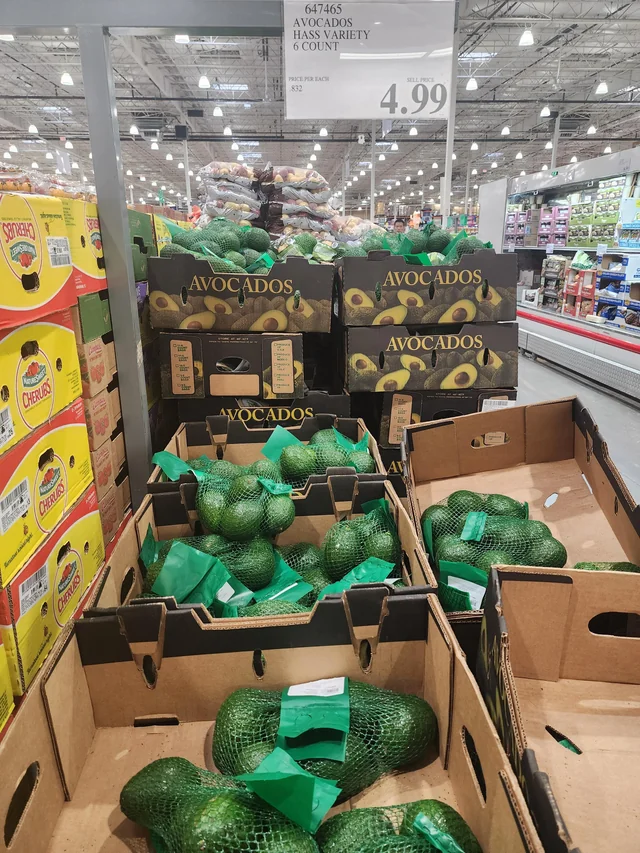
A Kenyan avocado selling for 4.50 Swiss francs in a Geneva supermarket presents an uncomfortable question about the economics of agriculture. How much of that money reaches the farmer who grew the fruit, and how much remains with the businesses involved in transporting, processing, importing and selling it?
The price on a supermarket shelf can be several times higher than the amount paid at the farm gate. Yet the farmer has already invested months of labour, land, water, manure, fertiliser, pest management and other inputs before harvesting a marketable avocado. For smallholder growers, the crop may also represent an important source of school fees, food, medical expenses and household income.
The contrast becomes even more striking when the same farmer struggles to afford a balanced diet while the fruit they produce is sold to consumers in a high-income market.
This is not simply a story about expensive avocados in Switzerland. It is a question about how agricultural value chains operate, who controls access to markets, who bears the risks of production and trade, and who has the power to negotiate prices.
Kenya has built a substantial avocado industry that connects smallholder farms to international buyers. The export trade creates opportunities for farmers, exporters, transporters, packhouses and other businesses. However, participation in a global market does not automatically give every participant an equal share of the value generated along the way.
For Kenyan avocado farmers, the challenge is not merely to produce more fruit or find additional buyers. It is also to understand the economics of the supply chain, improve their bargaining position, reduce avoidable losses and participate in more profitable stages of the business.
The same questions apply to coffee, tea, macadamia, cashew nuts, cocoa and many other agricultural commodities produced in Africa. Countries can export valuable raw materials while importing finished products made from those same materials. When processing, branding, distribution and retail operations take place elsewhere, some of the commercial opportunities associated with the crop are created outside the country where it was grown.
The future of Kenyan agriculture therefore depends partly on how successfully farmers and local businesses move from supplying raw produce to capturing a greater share of the value created around it.
The Geneva avocado price and the farmer’s share
Imagine a consumer walking into a supermarket in Geneva and finding a Kenyan avocado priced at 4.50 Swiss francs. The consumer pays that amount at the checkout, but the money does not travel directly from the supermarket till to the Kenyan farmer.
Between the farm and the consumer, the fruit may pass through several businesses. It may be collected by a local trader, sold to an exporter, transported to a packhouse, graded, packed, placed in cold storage, cleared for export, shipped internationally, handled by an importer and distributed to a supermarket.
Each stage has its own operating costs and commercial risks. The businesses involved also need to earn enough to remain viable.
The supermarket price is therefore not the same as the export price, and the export price is not the same as the farm-gate price. Comparing these figures without accounting for the costs incurred at each stage can give a misleading picture of how much money is being retained by intermediaries.
Nevertheless, the difference between the price received by a farmer and the price paid by a consumer is important. It raises questions about whether the value chain operates efficiently, whether costs are reasonable, whether competition is strong enough and whether farmers have meaningful alternatives when negotiating with buyers.
The figure of 4.50 Swiss francs should be treated as an illustrative retail price rather than a verified national average for Kenyan avocados in Geneva. Prices vary by supermarket, fruit size, origin, season, certification, packaging and other factors. Likewise, claims that farmers retain only 10 to 15 per cent of the retail price, while retailers retain 30 to 50 per cent, need to be tested against evidence from a defined supply chain before being applied to the entire industry.
But the underlying issue remains relevant even without relying on a single price comparison. The person who grows a crop does not necessarily capture the greatest share of the value that crop generates.
For farmers, the practical question is how to improve the price received at the farm gate after production costs, while ensuring that the fruit can reach buyers reliably and meet the quality requirements of the market.
How the Kenyan avocado moves from the farm to the supermarket
Understanding the value chain requires following the fruit through its main stages. Each stage creates a service, adds costs and may contribute to the final price.
1. Production begins with the farmer
The farmer provides the land, trees, labour and other resources required to produce the fruit. In Kenya, many avocado growers are smallholders who grow avocados alongside coffee, bananas, maize, dairy cattle and other enterprises.
A productive orchard requires careful management throughout the year. Farmers must maintain tree health, manage pests and diseases, conserve soil moisture, supply appropriate nutrients and monitor fruit development. They also have to manage the effects of rainfall variability, drought, excessive moisture and other weather conditions.
These expenses are incurred before the farmer knows the final price they will receive.
There is also a time dimension to avocado production. A newly planted tree does not immediately produce commercial quantities of fruit. Farmers must wait for the orchard to establish itself, and the time required to reach meaningful production depends on the planting material, management and growing conditions.
Once the orchard begins producing, the grower must still meet buyers’ requirements for fruit maturity, size, appearance and quality.
Poor handling or harvesting immature fruit can reduce its marketability. Pest damage, bruising, disease and inconsistent sizing may also result in rejection or lower prices.
The farmer therefore carries substantial production risk. Even when the eventual consumer price is high, the grower may have experienced low yields, unexpected costs or losses before the fruit reaches the market.
2. Farm-gate buyers connect growers to markets
Many smallholder farmers sell their avocados to local traders or brokers who visit farms during the harvesting season. These buyers may purchase individual fruits, buy a quantity agreed with the farmer or arrange collection from several growers.
For farmers who lack transport, storage, market information or reliable access to larger buyers, this arrangement can be convenient. A broker may offer immediate payment and collect the fruit directly from the farm, allowing the farmer to avoid the cost and effort of moving produce to a distant collection centre.
The broker’s margin should not automatically be treated as exploitation. The trader may incur transport expenses, pay workers, sort the fruit, absorb losses and face uncertainty about the price a subsequent buyer will offer.
The problem arises when farmers have few alternative buyers, lack reliable price information or cannot negotiate the terms of the transaction. In such circumstances, a farmer may accept a low price because the fruit is ready for harvest and delaying the sale could result in losses.
A grower with access to several competing buyers is in a different position from one who depends on a single trader.
This is why the organisation of farmers and the availability of market information matter. Better bargaining power does not necessarily require eliminating brokers. It requires a system in which the farmer can compare offers, understand quality requirements and choose between viable marketing channels.
Research on Kenyan avocado marketing has identified the costs of obtaining market information, harvesting and reaching buyers as barriers to smallholder participation in export markets. These findings are discussed in a study of transaction costs and participation in avocado export marketing in Murang’a County.
The lesson is practical. A farmer cannot negotiate effectively if they do not know the available prices, the expected deductions, the buyer’s grading standards or the cost of using an alternative marketing channel.
3. Exporters organise supply and meet international requirements
Exporters connect Kenyan producers to international markets. They coordinate procurement, quality control, packhouse operations, packaging, documentation, logistics and relationships with overseas buyers.
Exporting fresh avocados is more complicated than buying fruit in Kenya and selling it at a higher price abroad. The exporter must supply fruit that meets the destination market’s requirements and arrives in saleable condition.
The business may need to coordinate collection from many farms, organise grading and packing, arrange transport to the port or airport, meet export documentation requirements and manage shipping schedules.
It also faces commercial risks. Fruit may be rejected, damaged in transit, delayed or sold at a price below expectations. Exchange-rate movements, freight charges, energy costs and changing international demand can affect the final return.
These responsibilities explain why the export price cannot simply be compared with the farmer’s payment and treated as a profit calculation.
However, the existence of legitimate export costs does not remove the need for transparency. Farmers should understand how the buyer determines the purchase price, what quality deductions apply and whether any additional charges will be deducted from their payments.
Where growers supply fruit under contract, the terms should clearly state how prices are determined, how grades are assessed, when payments are made and what happens to fruit that fails to meet export specifications.
An efficient export sector should not only deliver quality fruit to overseas buyers. It should also create reliable commercial relationships with the farmers who supply it.
4. Shipping, importing and distribution add further costs
After leaving Kenya, the avocado enters another part of the supply chain. International freight, insurance where applicable, handling, customs clearance, import arrangements, warehousing and distribution may all contribute to the cost of delivering fruit to a foreign supermarket.
Fresh produce is particularly sensitive to time and temperature. Poor handling can shorten shelf life and increase losses. Importers and distributors therefore need systems that maintain quality while moving fruit through different locations.
These businesses also have to manage inventory. If they purchase too much fruit, demand may not be sufficient to sell it before quality deteriorates. If supply is too low, they may fail to meet supermarket orders.
The importer and distributor may receive a margin for these services, but the margin must be distinguished from the gross revenue passing through the business. Sales revenue is not the same as profit.
This distinction matters when discussing who benefits most from agricultural trade. A business that receives a large payment may also have substantial expenses. Conversely, a farmer receiving a smaller payment may have low cash expenses but still be left with a poor return after accounting for unpaid family labour, orchard establishment and other costs.
A proper value-chain assessment must examine both the money received and the costs incurred by every participant.
5. The supermarket sells the final product
The supermarket is the final visible link for the consumer. It may pay for imported fruit, storage, refrigeration, shelf space, labour, distribution and losses. It also incurs costs associated with running the retail business.
The retail price reflects these expenses, the retailer’s purchasing terms, competition, the positioning of the product and what consumers are willing to pay.
A retailer’s gross margin is not automatically its net profit. The difference between the selling price and the purchase cost must cover other operating expenses.
Still, supermarkets often have important commercial advantages. Large retailers can purchase substantial volumes, control access to their shelves and negotiate supply arrangements with importers. Their decisions can influence the specifications, delivery schedules and prices required throughout the chain.
Individual farmers generally lack that kind of market power. A smallholder with several productive trees cannot easily negotiate directly with a large European supermarket, particularly if the grower lacks export certification arrangements, traceability systems, aggregation capacity and the ability to supply consistent volumes.
The imbalance is not simply a question of one participant charging more than another. It is also about who has the information, infrastructure, capital and market access needed to negotiate the terms of trade.
Does exporting avocados actually benefit Kenyan farmers?
It would be misleading to conclude that export markets are bad for Kenyan farmers simply because the final retail price is much higher than the farm-gate price.
Export markets can provide access to higher-value buyers, encourage better production practices and create demand for commercial orchards. They also support employment in harvesting, grading, packing, transport, logistics and related services.
Research published in Land Use Policy examined the effects of smallholder participation in Kenyan avocado export markets. The study found that participation was associated with higher avocado revenues, higher prices and increased income, although access was not equally available to all farmers. Export-market participation also involved stricter quality requirements and greater labour inputs.
The findings are available in the study on how participation in avocado export markets affects smallholder farmers’ incomes and production.
This is an important qualification to the argument about value distribution. Export participation can improve farmer incomes even when the farmer receives only part of the eventual retail price.
The question is not whether exporters or retailers should receive nothing. Every stage needs to be commercially viable if the chain is to continue operating. The question is whether farmers receive a sufficiently attractive return for the resources and risks they contribute, and whether the structure of the market gives them a fair opportunity to improve that return.
A farmer who receives a higher price through an export scheme may be better off than one selling into the domestic market, even though the farmer’s share of the final foreign retail price remains relatively small.
At the same time, some farmers may be excluded from export opportunities because they cannot meet minimum volumes, access suitable planting material, pay for collection and transport or wait for delayed payments.
The goal should therefore be to expand the number of farmers who can participate successfully, rather than treating export trade and farmer welfare as opposing objectives.
Why some farmers struggle to enter export markets
The export market has requirements that can be difficult for individual smallholders to meet. These requirements are not necessarily unreasonable, because overseas buyers need consistent quality and traceability. However, meeting them can involve costs that are easier for larger farms or organised groups to manage.
Limited access to market information
A farmer may know the price offered by a local broker but have little information about prices paid by other buyers, the quality specifications for export fruit or the timing of collection programmes.
Without this information, it is difficult to compare the advantages of selling at the farm gate with those of joining a farmer group, supplying a contracted buyer or taking produce to a collection centre.
Access to market information can also help farmers plan harvesting and avoid selling in a rush when many growers are offering fruit at the same time.
Limited cash flow
Some export arrangements require farmers to harvest the fruit, transport it to a collection centre and wait for payment. For a farmer who needs money immediately to buy food, pay school fees or cover labour costs, delayed payment can make the arrangement impractical.
A broker who pays immediately may therefore remain attractive even if another buyer offers a higher price on paper.
This illustrates why price alone cannot explain farmers’ marketing decisions. Payment speed, transport arrangements, reliability and the risk of rejection all influence the effective value of an offer.
Inconsistent fruit quality
Export markets require produce that meets particular standards. Farmers who have limited access to agronomic training may struggle with maturity assessment, harvesting practices, pest management and post-harvest handling.
Poor quality can lead to lower grades, rejected consignments or reduced market access. The farmer may not always know why a consignment was downgraded, particularly where grading is conducted by a buyer without clear communication.
Training, transparent grading and reliable extension services can help growers understand how their production decisions affect the price received.
Fragmented production
An exporter may need large volumes of fruit of a consistent variety, size and maturity. A single smallholder may not be able to supply the required quantity at the right time.
When farmers organise their production and marketing, they can aggregate fruit from multiple farms. This can reduce collection costs and make it easier to coordinate quality, harvesting schedules and delivery.
However, aggregation works only when the group has effective leadership, sound financial management, transparent rules and a clear agreement with buyers. A poorly managed cooperative can create new problems instead of solving existing ones.
Farmer groups can change the balance of power
One of the most practical ways to improve farmers’ position is to strengthen collective marketing.
When farmers sell independently, each grower may negotiate a small transaction with limited information and few alternatives. A well-managed farmer organisation can combine production from many members and negotiate as a supplier of a larger, more consistent volume.
Collective marketing can reduce the cost of collecting fruit from scattered farms, improve access to technical training and make it easier to establish direct relationships with exporters.
Groups can also invest jointly in weighing equipment, harvesting tools, collection facilities and record-keeping systems. Where the business case supports it, they may arrange shared transport or employ trained personnel to manage quality control.
The objective is not to create a cooperative merely for registration purposes. The organisation must provide services that farmers would struggle to access individually.
A successful group should be able to answer several basic questions. What price did the buyer offer? What grade was accepted? How much fruit was rejected? What costs were deducted? When will each member be paid? How is the group’s income accounted for?
Members should receive clear records of the quantity supplied, the grade assigned and the payment due. These records help prevent disputes and allow farmers to assess whether collective marketing is delivering better returns.
Groups must also avoid promising farmers prices they cannot guarantee. International avocado prices change, and buyers may alter their requirements. A transparent marketing agreement should explain how price adjustments are handled and what happens when market conditions change.
The evidence from Kenyan avocado research supports the importance of farmer organisation. A study examining contract farming and smallholder avocado incomes found differences in the prices received by participating and non-participating farmers, while also documenting challenges associated with payment delays, transport costs and compliance with contract arrangements.
This shows that collective or contractual marketing can create opportunities, but the details of the arrangement determine whether farmers can benefit from them.
Kenya’s avocado opportunity goes beyond exporting fresh fruit
Fresh avocado exports have helped connect Kenyan growers to international demand. But the fruit can also support a wider domestic industry built around processing, packaging, product development and distribution.
Avocado processing can create markets for fruit that does not meet fresh-export specifications but remains suitable for processing. Depending on its condition and the processor’s requirements, such fruit may be used to produce avocado oil, pulp and other products.
This can help reduce avoidable losses and create an additional outlet for growers. However, not every rejected avocado is suitable for processing. Fruit that is rotten, contaminated or otherwise unsafe cannot simply be redirected into a processing plant. Processors need clear standards for raw material quality and food safety.
Kenya already has businesses exploring avocado oil processing, and the subject has been covered by Farmers Trend in its article on avocado oil processing in Kenya.
The wider opportunity is to develop processing capacity that is commercially viable, meets appropriate standards and creates reliable demand for Kenyan-grown fruit.
Avocado oil can create a different market for the fruit
Avocado oil is used in food products and in some cosmetic and personal-care applications. Its production involves collecting suitable fruit, extracting the oil and processing it to meet the intended market’s specifications.
The economics differ from those of fresh-fruit exports. Processors must account for oil recovery rates, fruit quality, energy, labour, equipment, packaging, testing, storage and distribution.
The amount of oil recovered from a given quantity of fruit is not fixed. It varies with the variety, maturity, dry matter and extraction method. A processor therefore needs to understand the characteristics of the raw material before committing to a purchase price or production target.
Farmers should not assume that processing automatically guarantees a higher price than fresh-fruit sales. A processor may pay less for fruit because it uses a different grade, while the final oil price must cover the costs of transforming the raw material.
The advantage of processing is that it can create another market, support employment and retain more industrial activity within Kenya. Whether it improves farm-gate prices depends on competition among processors, the availability of suitable fruit, processing efficiency and the terms offered to growers.
Local processing must have access to reliable markets
Building a processing plant is only one part of the solution. A factory needs sufficient raw materials, reliable electricity and water, trained workers, suitable equipment, working capital and buyers for the finished product.
If several processors compete for limited supplies, they may struggle to operate efficiently. If processing capacity expands faster than demand, businesses may be unable to sell their products profitably.
Investors therefore need to assess both the supply of fruit and the market for the finished product. Farmers also need to know whether a processor is financially capable of buying their produce and paying on time.
The strongest processing investments are those built around a clear market, efficient production and reliable supply relationships rather than the assumption that every product made from an export crop will automatically command a premium.
Why exporting raw agricultural produce can limit industrial growth
The avocado question reflects a broader issue in African agricultural trade. Many countries export raw or minimally processed agricultural commodities while importing finished products made from those commodities.
Coffee provides a familiar example. Producing countries may export green coffee beans while importing roasted, branded and packaged coffee. Cocoa-producing countries can export cocoa beans while buying chocolate products manufactured elsewhere.
These examples are not identical to the avocado trade, but they raise a shared question: where do processing, branding, product development and distribution take place, and which countries benefit from the employment and business opportunities associated with those activities?
Raw commodities can generate valuable export earnings. Processing them locally, however, may create additional industrial capabilities, technical jobs and business opportunities.
The key is to identify activities that Kenya can perform competitively. Not every stage of every value chain must be located domestically, and not every processed product will be cheaper to manufacture locally. Some industries require substantial capital, specialised equipment, technology, reliable energy or access to large consumer markets.
But where local processing is commercially viable, Kenya has an opportunity to capture a larger share of the economic activity associated with its agricultural production.
For avocados, this could include oil extraction, food manufacturing, packaging, quality testing, logistics, equipment maintenance and the development of Kenyan brands for domestic and international markets.
The same thinking can apply to macadamia, mangoes, passion fruit, cashew nuts and other crops, provided investors assess the specific economics of each industry.
Value addition is not just about building factories
The phrase “value addition” is often used as if processing alone will solve the challenges facing farmers. In practice, a factory can add value to a product without necessarily improving the price paid to the grower.
Suppose a processor buys avocados cheaply, extracts oil and sells it at a premium. The business may create jobs and earn revenue, but the farmer will benefit directly only if the processing market offers a competitive price or creates demand for fruit that would otherwise have a low-value outlet.
If growers have no alternative buyers, the processor may have considerable influence over the purchase price. If several processors compete for suitable fruit, farmers may have more options.
This is why local processing must be accompanied by competitive markets, clear buying standards and reliable payment arrangements.
There is also a difference between processing a product and owning the commercial capabilities around it. A Kenyan business that extracts oil but relies entirely on foreign companies for refining, branding, distribution and customer relationships may still capture only part of the final value.
Moving further along the chain can require investment in food safety, product development, packaging design, certification, marketing and export distribution. These capabilities take time to develop, but they can help local businesses sell products rather than only raw materials.
The objective should not be to eliminate international partnerships. Foreign investors, importers and distributors can provide capital, technology and market access. The aim is to ensure that Kenyan businesses and farmers participate meaningfully in the opportunities created by those partnerships.
What must change for Kenyan avocado farmers to earn more?
Improving farmer incomes requires action at several levels. Better prices alone may not be enough if production costs are too high, yields are low or fruit losses are substantial. Likewise, increased production may not improve incomes if farmers must sell into a weak market.
Improve productivity and reduce the cost of production
Farmers need healthy trees, suitable planting material and sound orchard management. Productive trees can spread fixed costs over a larger quantity of marketable fruit, although the results depend on input costs, tree age, weather and management.
Growers should keep records of fertiliser, manure, pest management, labour, irrigation and harvesting expenses. These records help identify whether an orchard is profitable and which costs need attention.
Improving productivity does not mean applying more fertiliser or pesticides indiscriminately. It means using appropriate inputs at the right time and managing the orchard according to soil conditions, tree health and crop requirements.
Farmers also need to understand the quality specifications of their intended market before investing heavily in an export-oriented orchard. A variety or production system that performs well for local consumption may not automatically meet the requirements of a particular export buyer.
Make market prices and deductions more transparent
Farmers should know how their fruit is graded and how the grade affects the price. Buyers should communicate the price offered, the basis for any deductions and the payment schedule.
Where possible, farmers should compare offers from multiple buyers. They should also consider the total cost of each arrangement, including transport, harvesting, rejected fruit and payment delays.
A higher quoted price may not produce the best net return if the farmer must pay substantial collection costs or accept a high risk of rejection. Conversely, a slightly lower farm-gate price may be attractive if the buyer collects the fruit and pays immediately.
The relevant measure is the net amount the farmer retains after the costs of producing and marketing the crop.
Strengthen contracts and farmer protection
Contracts can help growers plan production and gain access to export markets. They can also create risks if the terms are unclear or if farmers depend on a buyer who changes purchasing conditions without adequate notice.
Agreements should specify quality standards, pricing arrangements, payment deadlines, responsibilities for transport and harvesting, and the process for resolving disputes.
Farmers should avoid entering agreements they do not understand. Where organisations negotiate on behalf of members, they should explain the terms in a language the members can follow and ensure that all parties understand their obligations.
Contracts work best when both sides have an incentive to maintain the relationship. Buyers need reliable supplies, while farmers need predictable market access and fair treatment.
Invest in post-harvest handling
The quality of an avocado can deteriorate if harvesting, handling and transport are poorly managed. Fruit should be harvested at the appropriate maturity and handled carefully to minimise bruising and other damage.
Collection centres can help organise deliveries, separate grades and improve traceability. Better transport and storage arrangements may reduce avoidable losses, although the investment must be justified by the volume and value of produce handled.
Farmers should also learn the requirements of the market they are targeting. Export fruit, domestic-market fruit and processing fruit may have different specifications. Knowing these differences can help growers identify the most suitable outlet for each grade.
Expand access to finance
Farmers may need finance to establish orchards, purchase equipment, pay labourers and transport fruit. However, the timing of agricultural income can make repayment difficult, particularly when trees are young or harvests are affected by weather.
Financial products suited to perennial crops and seasonal cash flow can help farmers invest without being forced to sell produce immediately to meet urgent expenses.
Farmer groups and processors may also need working capital to buy fruit, maintain facilities and pay growers promptly. A marketing arrangement can fail even when there is a market for the product if the buyer cannot finance procurement.
Finance should therefore be linked to realistic production and sales plans rather than assumptions about high retail prices alone.
Can Kenyan farmers sell directly to European supermarkets?
Direct sales are sometimes presented as the obvious solution to the gap between farm-gate and retail prices. In reality, selling directly to a supermarket in Geneva or another European city requires much more than finding a buyer.
The supplier must be able to deliver consistent volumes, meet the buyer’s quality and traceability requirements, manage export documentation and coordinate international logistics. The business may also need to meet specific certification, food safety, packaging and supply-chain standards.
Supermarkets generally require reliable deliveries. A farmer who can supply fruit for only a few days may not be able to meet a retailer’s needs throughout the season.
For an individual smallholder, these requirements can be expensive and difficult to manage. A cooperative, exporter-owned grower scheme or well-organised producer company may be better placed to aggregate fruit and coordinate deliveries.
Direct marketing can reduce dependence on certain intermediaries, but it does not eliminate the services those intermediaries provide. The grower or producer organisation must take responsibility for those functions and their associated costs.
A more realistic goal for many Kenyan farmers is to strengthen their position within the existing chain, build relationships with reputable buyers and gradually develop the capacity to participate in additional stages of marketing.
How farmers can assess the real value of an avocado sale
Farmers do not need to know the exact price paid by a Geneva consumer to make better marketing decisions. They need reliable information about their own production costs, the offers available to them and the net return from each sales channel.
Consider a farmer deciding between two buyers. One offers a farm-gate price and collects the fruit. The other offers a higher price but requires the farmer to harvest, sort and transport the fruit to a collection point.
The second offer should not automatically be accepted. The farmer needs to calculate the additional expenses and consider the risk of rejection or delayed payment.
A simple comparison should include:
- The total quantity harvested and sold.
- The price offered for each grade.
- Harvesting and labour costs.
- Transport and collection expenses.
- The quantity rejected or downgraded.
- Any commissions or other deductions.
- The date payment is expected and the risk of delay.
- The amount remaining after marketing costs.
The farmer should also account for production expenses when assessing the profitability of the orchard. A high sales price does not necessarily mean a high profit if yields are low or production costs are excessive.
Keeping records across several seasons makes it easier to compare buyers and identify changes in profitability. It can also help farmers decide whether to invest in improved planting material, irrigation, harvesting equipment or collective marketing.
For farmer groups, the same records can reveal whether collective sales are producing a better return than individual farm-gate transactions.
What government and industry can do
The responsibility for improving the avocado value chain does not rest with farmers alone. Public institutions, exporters, processors, financial institutions and research organisations all have roles to play.
Improve access to market information
Farmers need timely information on buyer requirements, collection schedules, grades and available marketing channels. Public and private extension services can help growers understand the commercial implications of production decisions.
Market information is most useful when it is specific enough to guide action. A general announcement that international avocado prices are high is less valuable than reliable information about the price offered for a particular grade, the cost of delivery and the payment terms available to a grower.
Support farmer organisations that deliver measurable services
Support for cooperatives and producer groups should focus on practical outcomes. These include improved market access, lower transaction costs, transparent payments, stronger quality control and the ability to negotiate with several buyers.
Training in financial management, contract negotiation and record-keeping can help groups remain accountable to their members.
Public support should not assume that every registered group is effective. The quality of management and the benefits delivered to members matter more than registration alone.
Encourage competitive local processing
Investment in avocado processing can create new outlets for suitable fruit and support industrial employment. However, incentives should encourage viable businesses rather than simply increasing the number of processing facilities.
Processors need access to reliable supplies, appropriate technology, skilled workers and markets for their products. Farmers need confidence that buyers will honour their purchasing agreements and pay on time.
Policies that improve access to finance, infrastructure, technical skills and export markets can support both sides of the relationship.
Strengthen quality assurance and traceability
Reliable quality systems protect buyers and can help Kenyan producers maintain access to international markets. Farmers need practical guidance on maturity, harvesting, handling and traceability, while exporters and processors need consistent procedures for receiving and grading fruit.
Transparent systems can also reduce disputes over rejected produce. When farmers understand why fruit has been downgraded, they can take corrective action and improve the proportion of their harvest that qualifies for higher-value markets.
Promote more Kenyan-owned commercial capabilities
Kenya can benefit from developing local expertise in processing, packaging, food technology, product development and distribution. These activities can create jobs and allow domestic businesses to participate in a wider range of agricultural markets.
The objective should be to build competitive businesses that can serve local and international customers. Local ownership alone does not guarantee efficiency or fair farmer prices, but a stronger domestic industrial base can create additional opportunities for producers and workers.
What the avocado debate means for other Kenyan crops
The lessons from avocados extend beyond one fruit.
Coffee farmers face questions about the value retained at different stages of processing, branding and distribution. Macadamia growers must consider how prices change between raw nuts, processed kernels and finished products. Cashew producers may face similar questions about the relationship between raw nut exports and locally processed products.
Mangoes, passion fruit, pineapples and other perishable crops present another challenge. If farmers cannot find a buyer quickly, the fruit may deteriorate before it reaches the market. Processing can provide an alternative outlet, but only where a processor has the capacity and commercial demand to use the fruit.
In each case, the important questions are similar. Who buys the produce? Who determines the grade and price? What costs must the farmer cover? Where does processing take place? Who owns the brands and distribution networks? What prevents farmers and local businesses from participating in more profitable stages?
The answers differ by crop. Coffee processing, avocado oil extraction and macadamia kernel production have different technical requirements and markets. A policy that works for one commodity may not work for another.
Nevertheless, a common principle applies. Agricultural development should be measured not only by the amount of produce harvested or exported, but also by the productivity, profitability, employment and industrial capacity created along the value chain.
The farmer should not be the forgotten participant
The Kenyan avocado industry illustrates both the opportunities and limitations of export-led agriculture. International demand can provide farmers with better markets, but the benefits depend on whether growers can meet market requirements, access buyers and negotiate terms that cover their costs and provide a reasonable return.
The price paid by a consumer in Geneva is only one part of the story. It cannot, on its own, tell us whether the exporter is making excessive profits, whether the retailer is charging too much or whether the farmer is being underpaid. Those conclusions require a detailed analysis of prices, costs, margins and risks at each stage.
But the comparison does highlight a question that deserves serious attention. If Kenya supplies high-quality agricultural produce to international markets, how can the country ensure that the farmers producing it have the resources and commercial opportunities to improve their livelihoods?
The answer will not come from asking farmers to increase production alone. It will require better market information, stronger farmer organisations, transparent contracts, efficient logistics, improved quality management, access to finance and investment in commercially viable local processing.
It will also require farmers to be treated as business partners rather than simply sources of raw materials. Their knowledge, land, labour and investment make the entire chain possible. A supply chain that cannot provide them with a sustainable return will eventually struggle to maintain reliable production.
Kenya does not need to abandon avocado exports to pursue greater value addition. It needs to make the export sector work more effectively for growers while developing additional opportunities in processing and domestic industry.
The ambition should be to sell excellent Kenyan avocados abroad, earn foreign exchange, create jobs and build competitive businesses, while ensuring that farmers can make a decent living from their orchards.
The real measure of success is not how much an avocado costs in Geneva. It is whether the value created by Kenyan agriculture supports the people, businesses and communities that make that trade possible.
Frequently Asked Questions About Kenyan Avocado Farmers and Export Value
Why can a Kenyan avocado cost much more in Europe than at the farm gate?
The retail price includes the cost of buying the fruit, sorting, grading, packaging, transport, shipping, importing, distribution, retail operations and losses. Differences between the farm-gate and retail prices do not represent profit alone. However, the distribution of costs and margins deserves scrutiny to determine whether farmers are receiving competitive prices.
Do Kenyan avocado farmers receive only 10 to 15 per cent of the final retail price?
That figure should not be treated as a universal fact without a clearly defined value-chain study. The farmer’s share varies according to the farm-gate price, variety, grade, season, destination market and the costs incurred after harvest. A proper assessment must compare the actual prices and costs at each stage.
Are avocado exporters and brokers responsible for low farm-gate prices?
Not necessarily. Brokers and exporters provide services that may include collection, aggregation, grading, transport, packing and access to overseas markets. Their costs and risks influence the prices they can offer. However, limited competition, poor market information and weak farmer bargaining power can leave growers with fewer choices and less influence over prices.
Can Kenyan farmers sell avocados directly to European supermarkets?
It is possible, but direct supply requires consistent volumes, quality assurance, traceability, export documentation, reliable logistics and the ability to meet the buyer’s commercial requirements. Farmer organisations and producer companies can help smallholders combine their supply and share the costs of reaching these markets.
Will avocado oil processing automatically increase farmer incomes?
No. Processing can create an additional market for suitable fruit and generate employment, but its effect on farm-gate prices depends on processing costs, oil recovery, market demand and competition among buyers. Farmers benefit most when processors provide reliable demand and offer commercially attractive purchasing terms.
How can smallholder avocado farmers improve their bargaining power?
Farmers can compare buyer offers, keep production and sales records, join effective producer organisations, understand grading standards and negotiate clear payment terms. Reliable information about prices and collection schedules can also help growers avoid rushed sales and assess the true cost of different marketing arrangements.
What is the difference between value addition and farmer value capture?
Value addition refers to activities that increase a product’s usefulness or market value, such as processing, packaging or branding. Farmer value capture refers to the share of the resulting economic benefit that reaches growers. A processing business can add value without necessarily improving the price paid to farmers, which is why competition, contracts and transparent purchasing arrangements matter.
What should Kenya prioritise to make avocado exports more beneficial to farmers?
Priorities include improving productivity, reducing post-harvest losses, strengthening farmer organisations, increasing access to market information, making contracts more transparent and expanding commercially viable local processing. These measures can help farmers participate more effectively in existing export markets while creating additional opportunities within Kenya.
https://farmerstrend.co.ke/fruits/avocado-farming/kenyan-avocado-farmers-export-market/https://farmerstrend.co.ke/wp-content/uploads/2026/10/Why-Kenyan-Avocado-Farmers-Earn-So-Little-From-Fruit-Sold-at-High-Prices-Abroad.webphttps://farmerstrend.co.ke/wp-content/uploads/2026/10/Why-Kenyan-Avocado-Farmers-Earn-So-Little-From-Fruit-Sold-at-High-Prices-Abroad-150x150.webpAvocado Farming# TrendingFruitsKenyan avocado farmers supply lucrative export markets, but limited bargaining power and local processing leave questions about how much value reaches growers.Kenyan Avocado Farmers and the Global Value Chain That Determines Who Profits A Kenyan avocado selling for 4.50 Swiss francs in a Geneva supermarket presents an uncomfortable question...FarmersTrendjohn doefarmerstrend@gmail.comAdministratorFarmers Trend Ltd.






Leave a Reply