Why Farmers in Kenya Sometimes Sell Their Produce at Low Prices Instead of Waiting for Better Markets
- Farmers in Kenya often sell produce at low prices because of perishability, storage costs, urgent bills and limited market access. Find out what can help farmers earn more.
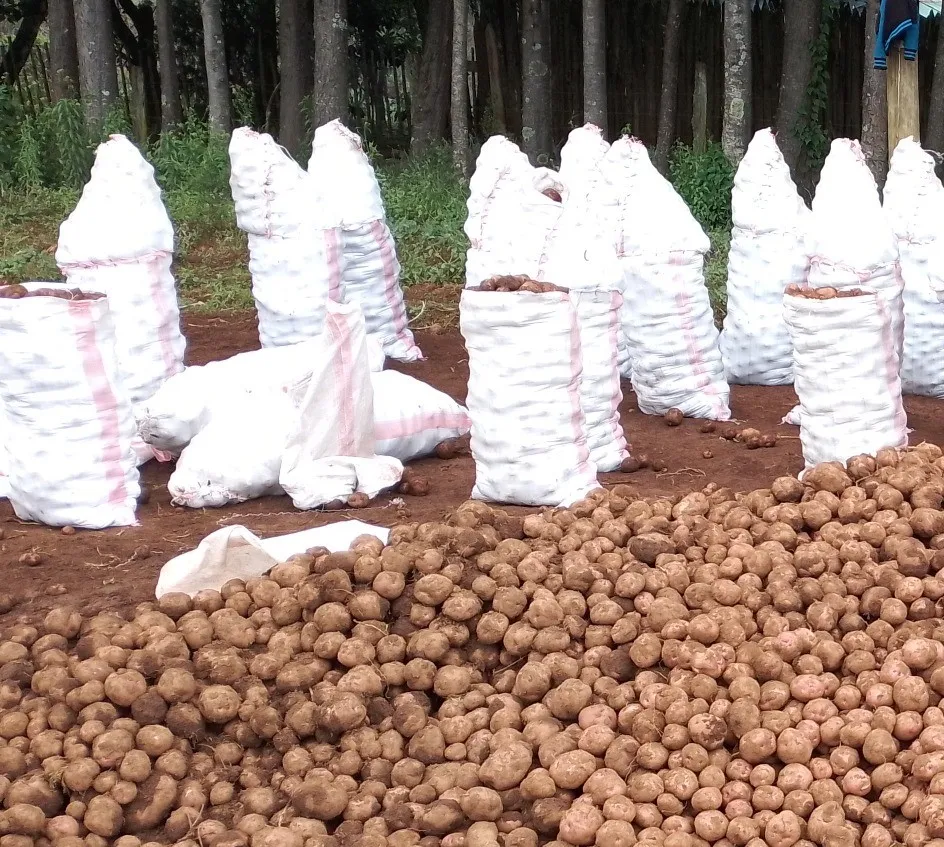
Why Farmers in Kenya Sometimes Sell Their Produce at Low Prices Instead of Waiting for Better Markets
Sometimes, a farmer sells a crop not because the price is good, but because waiting for a better offer has become too expensive.
After months of preparing land, buying inputs, managing pests and diseases, paying workers and protecting a crop from unpredictable weather, harvest should be the moment when the farmer finally earns a return. Yet, for many farmers in Kenya, harvesting does not necessarily mean they have gained the power to negotiate a good price.
A farmer harvesting tomatoes in Kirinyaga, mangoes in Makueni, potatoes in Nyandarua or bananas in Meru may face the same difficult decision. Sell at the price offered today or wait and risk losing part of the harvest while expenses continue to accumulate.
Perishable produce makes this decision even harder. Tomatoes, leafy vegetables, ripe fruits and other fresh commodities cannot remain in the field or store indefinitely without losing quality. Meanwhile, workers need payment, transport must be arranged, household expenses continue and the next planting season may require money.
In such circumstances, accepting a low price may be the most practical decision available, even when the farmer knows the produce could fetch more under different market conditions.
The cost of waiting for a better price
When people discuss low farm-gate prices, the conversation often focuses on brokers, market fluctuations and the gap between what consumers pay and what farmers receive. These are important issues, but the financial pressure behind the farmer’s decision also deserves attention.
Waiting has a cost.
A farmer who harvests tomatoes today may need to pay pickers, purchase packaging materials and arrange transport to the market. If the available buyer offers a low price, the farmer may want to wait a few days. However, keeping the tomatoes in unsuitable conditions could lead to spoilage, while renting storage or transporting the produce to another market would add expenses.
The same challenge affects fruit farmers. Mangoes harvested at maturity cannot always wait for several weeks while the farmer searches for a better buyer. Bananas continue to ripen after harvest, and vegetables can lose freshness quickly when exposed to heat and poor handling.
Even crops that can remain in storage for longer periods present a financial challenge. A farmer storing maize, onions, potatoes or other produce may need to pay for suitable facilities, security, handling and eventual transport. If the farmer borrowed money to finance production, interest and repayment deadlines can make waiting particularly expensive.
The decision is therefore not simply about whether prices might rise. It is about whether the possible increase will be greater than the additional cost and risk of holding the crop.
Why farmers can produce quality food but struggle to negotiate prices
Production and marketing require different resources.
A farmer may understand the right planting time, use suitable varieties, apply fertiliser correctly and harvest at the appropriate maturity. Those decisions can improve the quality and quantity of the crop, but they do not automatically guarantee a profitable sale.
Negotiating power also depends on access to buyers, market information, transport, storage, working capital and the ability to meet a buyer’s quality and volume requirements.
Consider a smallholder farmer with a harvest ready for collection. A trader arrives at the farm and offers a price. The farmer may suspect that another market is paying more, but reaching that market requires a vehicle, additional labour and time. Without reliable information about the actual buying price, transport costs and demand, accepting the available offer may appear safer than taking the risk.
A larger producer with a vehicle, storage facilities, several established buyers and sufficient working capital may have more options. The farmer can compare offers, negotiate delivery arrangements or hold suitable produce until market conditions improve.
This difference does not necessarily mean one farmer produces better crops than another. It often means one has more control over the conditions under which the crop is sold.
The challenge of selling produce in Kenya’s rural areas
Kenya’s agricultural markets are diverse, and farmers face different marketing constraints depending on their location and the crop they produce.
In areas where roads are poor or farms are far from major trading centres, moving produce to market can be expensive. A farmer may have access to a good harvest but lack affordable transport to reach buyers offering better prices.
This challenge can be particularly serious for horticultural farmers. Fresh produce needs careful handling, and delays during loading, transportation and offloading can reduce quality. If a vehicle is unavailable when the crop is ready, the farmer may lose valuable selling time.
Small volumes can create another disadvantage. A farmer with a few crates of tomatoes or several bags of avocados may find it difficult to negotiate the same transport rates or supply arrangements available to producers delivering larger quantities. Buyers who require consistent volumes may also prefer dealing with aggregators rather than collecting produce from many individual farms.
Aggregation can help solve this problem when farmers work through well-managed groups or collection centres. By combining produce, farmers may be able to negotiate transport, meet buyer requirements and reduce the cost of reaching larger markets. However, the arrangement must be transparent, with clear grading standards, payment terms and records of the quantity supplied by each farmer.
Better storage can give farmers more time, but it is not the only solution
Storage is often suggested as a way to prevent farmers from selling at low prices. It can make a substantial difference, particularly when the facility matches the crop and the farmer has a realistic reason to hold the produce.
Cold storage can help preserve suitable fruits and vegetables, while properly managed dry storage can reduce losses in crops such as maize and beans. Appropriate onion and potato storage can also give farmers more flexibility over when to sell.
However, storage is not automatically profitable. Facilities require investment, electricity or other operating expenses, maintenance, suitable handling practices and effective management. Some produce needs specific temperature and humidity conditions, while certain crops can suffer damage if stored incorrectly.
There is also a market risk. Prices may fall rather than rise during the storage period. If many farmers harvest at the same time, holding produce does not guarantee that demand will improve enough to justify the additional cost.
For this reason, storage investments should be linked to actual market opportunities. Farmers need to know the cost of keeping their produce, how long it can remain in good condition, the likely selling price and the additional transport or handling expenses involved.
For highly perishable crops, the best solution may be faster collection, better packaging, improved handling or access to processing rather than long-term storage.
Direct access to buyers can reduce dependence on a single offer
Another way to improve farmers’ bargaining power is to connect them with more buyers.
When a farmer depends on one trader, the price offered by that trader can effectively become the only available price. If the farmer has established relationships with several buyers, including retailers, wholesalers, processors, hotels, exporters or institutional purchasers where appropriate, there may be more room to compare offers.
Direct marketing does not eliminate every challenge. Buyers have their own requirements for quality, quantities, packaging, delivery schedules and payment arrangements. Supplying a supermarket or processor, for example, may require more consistent production and stricter grading than selling through an open market.
Transport and coordination also remain important. A buyer offering a higher price may not provide a better net return if the farmer must pay substantially more to deliver the crop.
The useful comparison is therefore not simply the price quoted by each buyer. Farmers should calculate the amount they will receive after deducting harvesting, packaging, transport, market charges, handling and other selling costs.
Farmer groups can make direct marketing more practical by coordinating volumes, agreeing on quality standards and arranging deliveries. Digital marketplaces can also help farmers identify potential buyers, although a listing or online connection is only useful if it leads to genuine orders, fair terms and timely payment.
Reliable market information can improve decisions before harvest
Farmers need market information before they plant, while the crop is growing and when they are preparing to sell.
Knowing the current price of tomatoes in one market is helpful, but it is not enough. Farmers also need to understand whether that price applies to the same grade and quantity, whether buyers are actively purchasing, what transport will cost and whether a larger supply is expected in the coming days.
Information about seasonal production can help farmers make better decisions before planting. If many producers are preparing to harvest the same commodity at the same time, oversupply may place pressure on prices. Reliable demand information can help farmers assess whether to stagger planting, consider alternative markets or plan production around buyer requirements.
Market information is most valuable when it is timely, local and practical. A price report that reaches a farmer after the harvest has already deteriorated cannot solve the immediate problem. Equally, a quoted wholesale price is of limited value if the farmer cannot determine how much remains after transport and other charges.
County agricultural offices, farmer organisations, buyers and digital services can all contribute to better information. The priority should be making it accessible and understandable, including for farmers who use basic mobile phones or have limited internet access.
Farmers also need working capital
One reason farmers accept low prices is that they cannot afford to wait for payment or keep produce for longer.
A farmer who used savings or borrowed money to finance production may reach harvest with debts to clear. Farm workers need to be paid, school fees may be due and money may be needed to prepare land for the next crop.
Access to affordable working capital can give farmers more flexibility, but credit alone is not the answer. Borrowing to store a crop makes sense only when the expected additional income can cover interest, storage, handling and market risks.
Payment arrangements also matter. A farmer supplying an established buyer may receive a better price but face a long payment period. For a farmer with immediate financial obligations, a lower price paid promptly may be more attractive than a higher price that arrives weeks later.
Fair contracts, transparent weighing and grading, dependable collection schedules and prompt payment can therefore be just as important as the headline price.
What would make the biggest difference?
There is no single solution for every crop or farming region. A tomato farmer facing spoilage needs different support from a maize farmer who has suitable storage but lacks information about market prices. An avocado grower may need dependable buyers and careful post-harvest handling, while a potato farmer may benefit from aggregation and access to suitable storage.
The strongest approach combines several measures. Farmers need credible market information, more than one potential buyer, affordable transport, appropriate post-harvest facilities and enough financial flexibility to avoid being forced into a sale at the worst possible time.
Government, county agricultural departments, farmer organisations, private buyers and agricultural service providers all have a role to play. Investments should respond to the actual constraints faced by farmers rather than assuming that every low-price problem can be solved by constructing a storage facility or creating another digital platform.
Farmers themselves can also improve their position by keeping records of production and marketing costs, comparing buyers’ offers, coordinating deliveries where practical and identifying potential markets before harvesting begins. These measures cannot remove every market risk, but they can help farmers make decisions based on the likely net return rather than the price offered at the farm gate alone.
Ultimately, the goal should not be to make every farmer wait for the highest possible price. It should be to give farmers enough information, options and financial flexibility to make a sale because it makes economic sense, not simply because they have run out of time or money.
A farmer may grow the crop, but that does not always mean the farmer controls when it is sold or how much it earns.
What do you think would help farmers in Kenya most: better storage, direct access to buyers, reliable market information or affordable financing that allows them to wait for a fair price?
https://farmerstrend.co.ke/trending/farmers-in-kenya-sell-produce-low-prices/https://farmerstrend.co.ke/wp-content/uploads/2026/10/Why-Farmers-in-Kenya-Sometimes-Sell-Their-Produce-at-Low-Prices-Instead-of-Waiting-for-Better-Markets.webphttps://farmerstrend.co.ke/wp-content/uploads/2026/10/Why-Farmers-in-Kenya-Sometimes-Sell-Their-Produce-at-Low-Prices-Instead-of-Waiting-for-Better-Markets-150x150.webp# TrendingFarmers in Kenya often sell produce at low prices because of perishability, storage costs, urgent bills and limited market access. Find out what can help farmers earn more.Why Farmers in Kenya Sometimes Sell Their Produce at Low Prices Instead of Waiting for Better Markets Sometimes, a farmer sells a...FarmersTrendjohn doefarmerstrend@gmail.comAdministratorFarmers Trend Ltd.







Leave a Reply