Yacon Farming in Kenya: A Comprehensive Guide to Cultivation, Benefits, and Market Potential
Yacon (Smallanthus sonchifolius) is a tuberous root vegetable native to South America, particularly the Andean regions. Often referred to as “the apple of the earth,” yacon is known for its crisp texture, mildly sweet taste, and impressive health benefits.

In Kenya, yacon farming is still in its infancy but is steadily gaining popularity due to its nutritional value, medicinal properties, and potential for commercial cultivation. The demand for organic and health-conscious foods is rising both locally and internationally, making yacon a lucrative crop for Kenyan farmers. With proper farming techniques, market access, and value addition strategies, yacon farming can become a game-changer for agripreneurs in Kenya.
Historical and Cultural Significance
Yacon has been cultivated in the Andean region for centuries, where it is known as the “apple of the earth” due to its sweet taste and crunchy texture. Indigenous communities have traditionally used yacon for its medicinal properties, including its ability to regulate blood sugar levels, improve digestion, and support weight loss.
In recent years, yacon has gained international attention as a functional food, leading to its cultivation in various parts of the world, including Asia, Europe, and Africa. In Kenya, yacon is still a relatively new crop, but its potential for improving food security and providing economic opportunities for farmers is increasingly recognized.
Climatic and Soil Requirements for Yacon Farming
Yacon thrives in a variety of climatic conditions, but for optimal growth, farmers must consider specific environmental factors:
1. Temperature and Rainfall
- Yacon grows best in moderate climates with temperatures ranging between 10°C and 25°C.
- The ideal annual rainfall for yacon is between 1,000 mm and 1,500 mm.
- It is best suited for highland areas such as Nyeri, Meru, Kericho, and parts of Rift Valley where cool temperatures and ample rainfall provide an ideal environment.
2. Soil Type and Preparation
- Yacon prefers well-drained, loamy soils rich in organic matter.
- The ideal soil pH ranges from 5.5 to 7.0.
- Farmers should conduct soil testing before planting to ensure the correct balance of nutrients.
- Plowing and harrowing should be done to loosen compacted soil, allowing for proper root development.
Propagation and Planting Techniques
Yacon is typically propagated using rhizomes, which are the underground stems of the plant. Rhizomes can be obtained from mature yacon plants or purchased from reputable suppliers. It is important to select healthy, disease-free rhizomes for planting to ensure a successful crop.
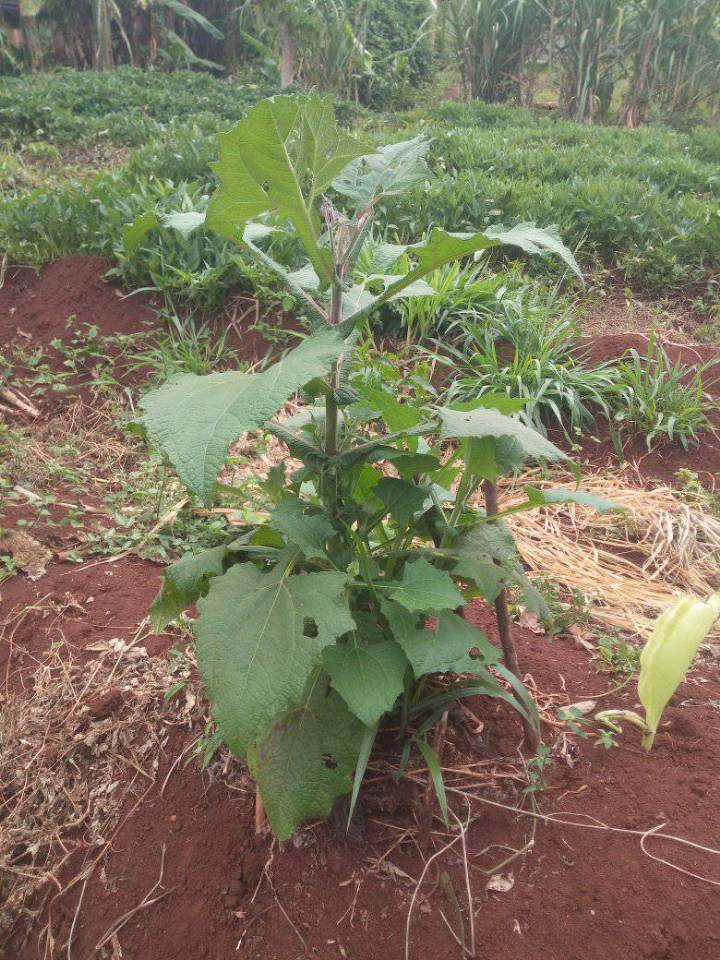
1. Land Preparation
- Clear the land of weeds and debris.
- Incorporate compost or well-decomposed manure to improve soil fertility.
2. Planting Process
- Planting Time: Yacon is best planted at the onset of the rainy season.
- Spacing: Maintain a spacing of 80 cm between rows and 50 cm between plants.
- Depth: Plant rhizomes about 5 cm deep in the soil.
- Watering: If rainfall is insufficient, provide supplemental irrigation to maintain soil moisture.
Nutrient Management and Fertilization
A proper fertilization plan ensures optimal tuber growth and high yields.
Yacon requires consistent moisture throughout the growing season, especially during the tuber formation stage. In areas with irregular rainfall, supplemental irrigation may be necessary to ensure optimal growth. Overwatering should be avoided, as it can lead to root rot and other diseases.
Yacon benefits from the application of organic fertilizers, such as compost or well-rotted manure, which provide essential nutrients and improve soil structure. A balanced fertilizer with a ratio of nitrogen (N), phosphorus (P), and potassium (K) can also be applied to promote healthy growth. It is important to avoid excessive nitrogen, as it can lead to excessive vegetative growth at the expense of tuber development.
Weed Control
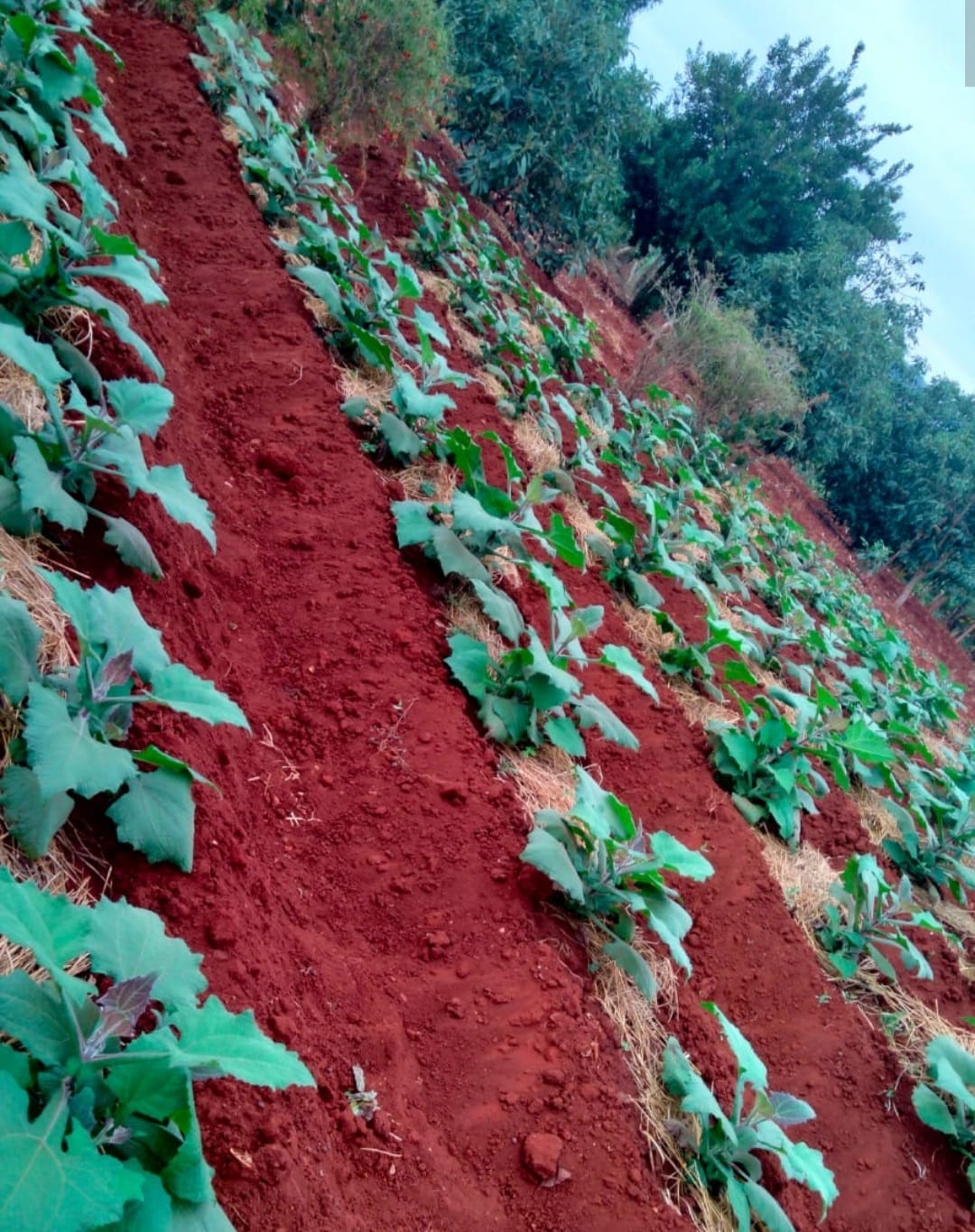
Weed competition can significantly reduce yacon yields, so it is important to keep the field free of weeds, especially during the early stages of growth. Mulching with organic materials, such as straw or grass clippings, can help suppress weeds and conserve soil moisture. Hand weeding or the use of a hoe may be necessary to control weeds in larger fields.
Pest and Disease Management
Yacon is relatively resistant to pests and diseases, but it can be affected by common issues such as aphids, whiteflies, and fungal diseases. Regular monitoring of the crop is essential to detect and address any problems early. Integrated pest management (IPM) practices, such as the use of natural predators, crop rotation, and the application of organic pesticides, can help manage pests and diseases effectively.
Common Pests
- Aphids: Can be controlled using neem oil or insecticidal soap.
- Cutworms: Handpicking and applying biological control agents help minimize damage.
- Whiteflies: Yellow sticky traps can be used to monitor and reduce populations.
Common Diseases
- Powdery Mildew: Controlled by proper plant spacing and organic fungicides.
- Root Rot: Avoid overwatering and ensure proper drainage.
Harvesting and Post-Harvest Handling
Yacon takes approximately 6 to 7 months to mature after planting.

1. Signs of Maturity
- Yellowing and drying of leaves.
- Tubers reaching an average size of 20-30 cm in length.
2. Harvesting Techniques
- Use a forked hoe to gently uproot the tubers.
- Handle carefully to avoid bruising.
- Wash and cure the tubers for 1-2 weeks to enhance sweetness.
3. Storage and Preservation
- Store in cool, dry conditions.
- Refrigeration extends shelf life.
- Drying or processing into syrup improves storage capabilities.
Benefits of Yacon Farming in Kenya
Nutritional Benefits
Yacon tubers are a rich source of fructooligosaccharides (FOS), which are prebiotic fibers that promote the growth of beneficial gut bacteria. FOS are not digested in the upper gastrointestinal tract, so they reach the colon intact, where they are fermented by gut microbiota. This fermentation process produces short-chain fatty acids (SCFAs), which have various health benefits, including improved gut health, enhanced immune function, and reduced inflammation.
In addition to FOS, yacon tubers contain antioxidants, such as phenolic compounds and flavonoids, which help protect the body against oxidative stress and reduce the risk of chronic diseases. Yacon is also a good source of vitamins, including vitamin C and B-complex vitamins, as well as minerals such as potassium, calcium, and magnesium.
Medicinal Properties
Yacon has been traditionally used in South America for its medicinal properties, particularly its ability to regulate blood sugar levels. The FOS in yacon have a low glycemic index, meaning they do not cause a rapid spike in blood sugar levels. This makes yacon a suitable food for individuals with diabetes or those looking to manage their blood sugar levels.
Yacon is also believed to have anti-obesity effects, as the FOS can help reduce appetite and promote feelings of fullness. Additionally, yacon has been shown to have antimicrobial, anti-inflammatory, and hepatoprotective (liver-protecting) properties, making it a valuable functional food for overall health and well-being.
Economic Benefits for Farmers
Yacon farming offers several economic benefits for Kenyan farmers. As a high-value crop, yacon has the potential to generate significant income, especially in niche markets where demand for healthy and functional foods is growing. Yacon can be sold fresh, processed into value-added products such as syrup, powder, or chips, or used as an ingredient in functional foods and beverages.
Diversifying into yacon farming can also help farmers reduce their reliance on traditional crops, such as maize and beans, which are often subject to price fluctuations and market uncertainties. By growing yacon, farmers can tap into new markets and increase their resilience to economic shocks.
Environmental Benefits
Yacon is a relatively low-input crop that requires minimal chemical fertilizers and pesticides, making it an environmentally friendly option for farmers. The plant’s deep root system helps improve soil structure and reduce erosion, while its ability to grow in a range of soil types makes it a versatile crop for different agro-ecological zones.
Yacon farming can also contribute to biodiversity by providing habitat and food for beneficial insects and pollinators. Additionally, the crop’s ability to store carbon in its roots and biomass can help mitigate climate change by reducing greenhouse gas emissions.
Market Potential and Opportunities
Growing Demand for Functional Foods
The global demand for functional foods, which provide health benefits beyond basic nutrition, is on the rise. Yacon, with its high FOS content and numerous health benefits, is well-positioned to tap into this growing market. In Kenya, there is increasing interest in healthy and natural foods, driven by rising awareness of the importance of nutrition and wellness.
Yacon can be marketed as a functional food for individuals looking to manage their blood sugar levels, improve gut health, or support weight loss. The crop can also be promoted as a natural and healthy alternative to refined sugars and artificial sweeteners.
Export Opportunities
Yacon has significant export potential, particularly to markets in Europe, North America, and Asia, where demand for exotic and functional foods is high. Kenyan farmers can explore opportunities to export yacon tubers, as well as value-added products such as yacon syrup and powder, to these markets.
To access export markets, farmers will need to meet international quality and safety standards, including certifications such as GlobalGAP, Organic, and Fair Trade. Collaboration with export companies and participation in trade fairs and exhibitions can help farmers connect with potential buyers and establish export channels.
Value Addition and Processing
Value addition is a key opportunity for increasing the profitability of yacon farming. Yacon can be processed into a range of value-added products, including:
- Yacon Syrup: Yacon syrup is a natural sweetener with a low glycemic index, making it a popular alternative to refined sugars and artificial sweeteners. The syrup is made by extracting and concentrating the juice from yacon tubers.
- Yacon Powder: Yacon powder is made by drying and grinding yacon tubers into a fine powder. The powder can be used as a dietary supplement or added to smoothies, baked goods, and other foods.
- Yacon Chips: Yacon tubers can be sliced and dried to make yacon chips, which are a healthy and crunchy snack. The chips can be flavored with various seasonings to appeal to different tastes.
- Yacon Tea: Yacon leaves can be dried and used to make yacon tea, which is believed to have various health benefits, including blood sugar regulation and weight management.
By processing yacon into value-added products, farmers can increase their income and create new market opportunities.
Collaboration and Partnerships
Collaboration and partnerships with various stakeholders, including research institutions, agricultural organizations, and agribusinesses, can help promote yacon farming in Kenya. Research institutions can conduct studies on yacon cultivation, pest and disease management, and value addition, while agricultural organizations can provide training and extension services to farmers.
Agribusinesses can play a key role in developing market channels and value-added processing facilities for yacon. Public-private partnerships can also be explored to support the development of the yacon value chain and create a sustainable market for the crop.
Challenges and Solutions in Yacon Farming
Limited Awareness and Knowledge
One of the main challenges facing yacon farming in Kenya is the limited awareness and knowledge about the crop among farmers and consumers. Many farmers are unfamiliar with yacon and its cultivation practices, while consumers may not be aware of its nutritional and medicinal benefits.
To address this challenge, there is a need for increased awareness campaigns and educational programs to promote yacon farming and consumption. Extension services, agricultural organizations, and research institutions can play a key role in providing training and resources to farmers, as well as educating consumers about the benefits of yacon.
Access to Quality Planting Material
Access to quality planting material, such as healthy rhizomes, is essential for successful yacon farming. However, the availability of yacon rhizomes in Kenya is currently limited, and farmers may struggle to obtain high-quality planting material.
To overcome this challenge, there is a need to establish reliable sources of yacon rhizomes, either through local production or imports. Research institutions and agricultural organizations can also work to develop and distribute improved yacon varieties that are well-suited to Kenyan conditions.
Market Access and Value Addition
While yacon has significant market potential, farmers may face challenges in accessing markets and obtaining fair prices for their produce. The lack of established market channels and value-added processing facilities can limit the profitability of yacon farming.
To address this challenge, farmers can explore opportunities for value addition, such as processing yacon into syrup, powder, or chips, which have a longer shelf life and higher market value. Farmers can also form cooperatives or partnerships with agribusinesses to improve market access and negotiate better prices for their produce.
Pest and Disease Management
Although yacon is relatively resistant to pests and diseases, it can still be affected by common issues such as aphids, whiteflies, and fungal diseases. Effective pest and disease management is essential to ensure healthy crop growth and high yields.
Integrated pest management (IPM) practices, such as the use of natural predators, crop rotation, and the application of organic pesticides, can help manage pests and diseases effectively. Regular monitoring of the crop and early detection of any issues are also important for successful pest and disease management.
Case Studies and Success Stories
Successful Yacon Farming in Kenya
Several farmers in Kenya have successfully adopted yacon farming and are reaping the benefits of this high-value crop. For example, a farmer in the highlands of Kenya has been growing yacon for the past three years and has seen a significant increase in income compared to traditional crops. The farmer has also started processing yacon into syrup and powder, which has further increased profitability.
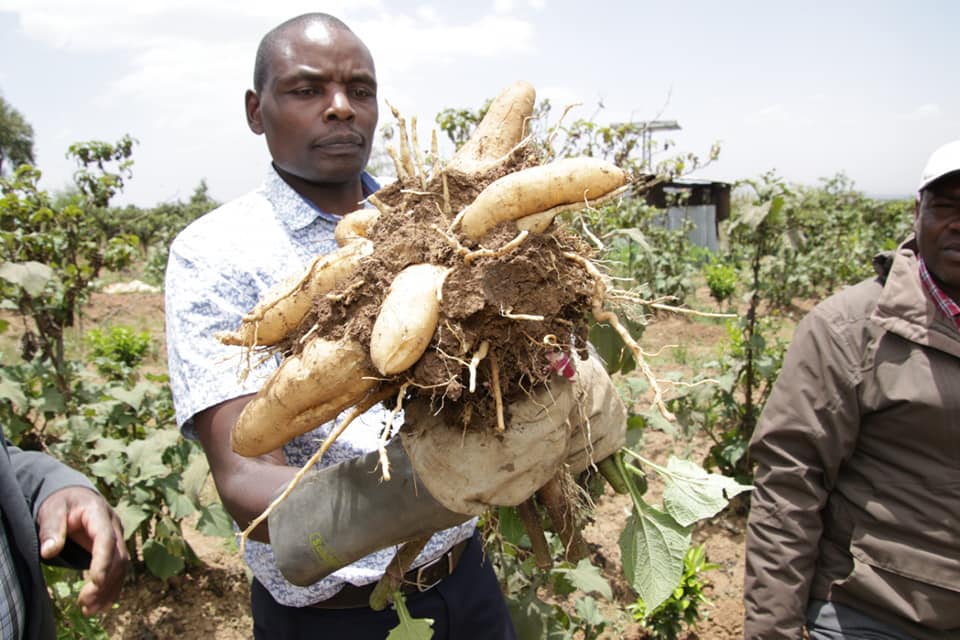
Another success story comes from a cooperative of smallholder farmers in central Kenya, who have collectively invested in yacon farming and value addition. The cooperative has established a processing facility to produce yacon syrup and powder, which are sold locally and exported to international markets. The cooperative has also partnered with an agribusiness to provide training and market access for its members.
Lessons Learned
The success stories of yacon farming in Kenya highlight several key lessons for farmers and stakeholders:
- Importance of Training and Extension Services: Access to training and extension services is essential for successful yacon farming. Farmers need to be equipped with the knowledge and skills to cultivate yacon effectively and manage pests and diseases.
- Value Addition and Market Access: Value addition and market access are critical for increasing the profitability of yacon farming. Farmers should explore opportunities for processing yacon into value-added products and establish partnerships with agribusinesses to access markets.
- Collaboration and Partnerships: Collaboration and partnerships with various stakeholders, including research institutions, agricultural organizations, and agribusinesses, can help promote yacon farming and create a sustainable market for the crop.
Future Prospects and Recommendations
Research and Development
There is a need for continued research and development to support the growth of yacon farming in Kenya. Research institutions should conduct studies on yacon cultivation, pest and disease management, and value addition to provide farmers with the knowledge and tools they need to succeed.
Breeding programs can also be established to develop improved yacon varieties that are well-suited to Kenyan conditions and have higher yields and better resistance to pests and diseases.
Policy Support
Government policies and support can play a key role in promoting yacon farming in Kenya. Policies that encourage the cultivation of high-value crops, such as yacon, and provide incentives for value addition and export can help create a favorable environment for yacon farming.
The government can also support the development of infrastructure, such as processing facilities and market access points, to facilitate the growth of the yacon value chain.
Farmer Training and Capacity Building
Farmer training and capacity building are essential for the successful adoption of yacon farming. Extension services and agricultural organizations should provide training on yacon cultivation, pest and disease management, and value addition to equip farmers with the necessary skills and knowledge.
Farmer field schools and demonstration plots can also be established to provide hands-on training and showcase best practices in yacon farming.
Market Development
Developing a sustainable market for yacon is critical for the long-term success of yacon farming in Kenya. Efforts should be made to promote yacon as a functional food and create awareness among consumers about its nutritional and medicinal benefits.
Market linkages should be established between farmers and buyers, including processors, retailers, and exporters, to ensure that farmers have access to reliable markets and can obtain fair prices for their produce.
Collaboration and Networking
Collaboration and networking among various stakeholders, including farmers, researchers, agricultural organizations, and agribusinesses, can help promote yacon farming and create a supportive ecosystem for the crop.
Farmers can form cooperatives or associations to collectively invest in yacon farming and value addition, while research institutions and agricultural organizations can provide technical support and resources. Agribusinesses can play a key role in developing market channels and value-added processing facilities for yacon.
Conclusion
Yacon farming in Kenya offers a promising opportunity for farmers to diversify their crops, improve their income, and contribute to food security and nutrition. With its numerous health benefits, high market potential, and relatively low input requirements, yacon is well-suited to the Kenyan context.
However, the successful adoption of yacon farming requires concerted efforts from various stakeholders, including farmers, researchers, agricultural organizations, and policymakers. By addressing the challenges and leveraging the opportunities, Kenya can unlock the full potential of yacon farming and create a sustainable and profitable value chain for this valuable crop.
As the demand for healthy and functional foods continues to grow, yacon has the potential to become a key player in Kenya’s agricultural landscape, benefiting farmers, consumers, and the economy as a whole. With the right support and investment, yacon farming can contribute to the transformation of Kenya’s agricultural sector and improve the livelihoods of smallholder farmers across the country.
https://farmerstrend.co.ke/trending/yacon-farming-in-kenya-a-comprehensive-guide-to-cultivation-benefits-and-market-potential/https://farmerstrend.co.ke/wp-content/uploads/2025/02/330158155_905878334092766_8785630273810664123_n-768x1024.jpghttps://farmerstrend.co.ke/wp-content/uploads/2025/02/330158155_905878334092766_8785630273810664123_n-150x150.jpg# TrendingFruitsYacon Farmingyacon benefits,yacon challenges,yacon chips,yacon cultivation,yacon export,yacon farming,yacon farming agribusiness,yacon farming agricultural extension industry,yacon farming agricultural innovation industry,yacon farming agricultural transformation,yacon farming agro-ecological zones,yacon farming agroecology industry,yacon farming air circulation,yacon farming anti-inflammatory industry,yacon farming anti-inflammatory properties,yacon farming anti-obesity industry,yacon farming antimicrobial industry,yacon farming antimicrobial properties,yacon farming antioxidant industry,yacon farming antioxidants,yacon farming aphids,yacon farming artificial sweeteners,yacon farming Asia,yacon farming association development industry,yacon farming awareness,yacon farming B-complex vitamins,yacon farming baked goods,yacon farming balanced fertilizers,yacon farming beans,yacon farming benefits,yacon farming best practices industry,yacon farming beverage industry,yacon farming biodiversity,yacon farming biodiversity conservation industry,yacon farming blood sugar management industry,yacon farming blood sugar regulation,yacon farming buyer connections,yacon farming calcium,yacon farming capacity building,yacon farming capacity development industry,yacon farming carbon sequestration industry,yacon farming carbon storage,yacon farming case studies,yacon farming case study analysis industry,yacon farming challenges,yacon farming climate change mitigation,yacon farming climate requirements,yacon farming climate resilience industry,yacon farming collaboration,yacon farming commercial farming,yacon farming compost,yacon farming consumer awareness,yacon farming consumer trends,yacon farming cooperative development industry,yacon farming cooperatives,yacon farming crop diversification,yacon farming crop management,yacon farming crop research industry,yacon farming crop rotation,yacon farming demonstration plots,yacon farming dietary fiber industry,yacon farming dietary supplements,yacon farming disease management,yacon farming disease prevention,yacon farming early detection,yacon farming economic benefits,yacon farming economic opportunities,yacon farming economic resilience,yacon farming environmental benefits,yacon farming environmental impact,yacon farming erosion control,yacon farming erosion prevention industry,yacon farming Europe,yacon farming exhibitions,yacon farming export channels,yacon farming export opportunities,yacon farming extension services,yacon farming Fair Trade,yacon farming farmer education industry,yacon farming farmer empowerment industry,yacon farming farmer field schools,yacon farming farmer training,yacon farming fertilization,yacon farming flavonoids,yacon farming food industry,yacon farming food security,yacon farming FOS,yacon farming fructooligosaccharides,yacon farming functional food industry,yacon farming functional foods,yacon farming fungal diseases,yacon farming future prospects,yacon farming future trends industry,yacon farming global demand,yacon farming global trends,yacon farming GlobalGAP,yacon farming government collaboration industry,yacon farming government support,yacon farming guide,yacon farming gut health,yacon farming gut health industry,yacon farming hand weeding,yacon farming harvesting,yacon farming health benefits,yacon farming health industry,yacon farming health trends,yacon farming healthy alternatives,yacon farming hepatoprotective industry,yacon farming hepatoprotective properties,yacon farming high-value crops,yacon farming hoeing,yacon farming incentives,yacon farming income diversification,yacon farming income generation,yacon farming industry 3D printing strategy,yacon farming industry 5G strategy,yacon farming industry accountability strategy,yacon farming industry acquisition strategy,yacon farming industry additive manufacturing strategy,yacon farming industry advertising strategy,yacon farming industry agroecological farming strategy,yacon farming industry agroforestry strategy,yacon farming industry aquaponics strategy,yacon farming industry artificial intelligence strategy,yacon farming industry augmented reality strategy,yacon farming industry automation strategy,yacon farming industry benefits,yacon farming industry best practice strategy,yacon farming industry big data strategy,yacon farming industry biodynamic farming strategy,yacon farming industry biotechnology strategy,yacon farming industry blockchain strategy,yacon farming industry branded sales,yacon farming industry branding strategy,yacon farming industry bulk sales,yacon farming industry business continuity strategy,yacon farming industry business sales,yacon farming industry capacity building,yacon farming industry case study strategy,yacon farming industry certifications,yacon farming industry challenges,yacon farming industry cloud computing strategy,yacon farming industry collaboration,yacon farming industry collaboration strategy,yacon farming industry collaborative farming strategy,yacon farming industry collective farming strategy,yacon farming industry commercial sales,yacon farming industry community farming strategy,yacon farming industry compliance strategy,yacon farming industry conservation farming strategy,yacon farming industry consumer sales,yacon farming industry content marketing strategy,yacon farming industry contract sales,yacon farming industry cooperative farming strategy,yacon farming industry copyright strategy,yacon farming industry corporate social responsibility strategy,yacon farming industry cost analysis,yacon farming industry cost reduction strategy,yacon farming industry crisis management strategy,yacon farming industry crop rotation strategy,yacon farming industry customer acquisition strategy,yacon farming industry customer advocacy strategy,yacon farming industry customer engagement strategy,yacon farming industry customer experience strategy,yacon farming industry customer feedback strategy,yacon farming industry customer journey strategy,yacon farming industry customer lifecycle strategy,yacon farming industry customer loyalty strategy,yacon farming industry customer referral strategy,yacon farming industry customer retention strategy,yacon farming industry customer review strategy,yacon farming industry customer satisfaction strategy,yacon farming industry customer service strategy,yacon farming industry customer support strategy,yacon farming industry customer testimonial strategy,yacon farming industry cybersecurity strategy,yacon farming industry data analytics strategy,yacon farming industry development,yacon farming industry digital marketing strategy,yacon farming industry digital transformation strategy,yacon farming industry direct sales,yacon farming industry disaster recovery strategy,yacon farming industry distribution,yacon farming industry diversification strategy,yacon farming industry diversified farming strategy,yacon farming industry divestiture strategy,yacon farming industry drone strategy,yacon farming industry e-commerce,yacon farming industry education,yacon farming industry efficiency improvement strategy,yacon farming industry environmental strategy,yacon farming industry equitable farming strategy,yacon farming industry ethical strategy,yacon farming industry event marketing strategy,yacon farming industry exhibition strategy,yacon farming industry expansion strategy,yacon farming industry export development,yacon farming industry fair trade farming strategy,yacon farming industry financing,yacon farming industry franchise sales,yacon farming industry funding,yacon farming industry genetic engineering strategy,yacon farming industry governance strategy,yacon farming industry growth,yacon farming industry growth strategy,yacon farming industry holistic farming strategy,yacon farming industry hydroponics strategy,yacon farming industry impact,yacon farming industry import development,yacon farming industry incentives,yacon farming industry inclusive farming strategy,yacon farming industry indirect sales,yacon farming industry industrial sales,yacon farming industry influencer marketing strategy,yacon farming industry innovation,yacon farming industry innovation strategy,yacon farming industry integrated farming strategy,yacon farming industry intellectual property strategy,yacon farming industry intercropping strategy,yacon farming industry internet of things strategy,yacon farming industry investment,yacon farming industry joint venture sales,yacon farming industry joint venture strategy,yacon farming industry legal strategy,yacon farming industry licensing sales,yacon farming industry licensing strategy,yacon farming industry logistics,yacon farming industry loyalty strategy,yacon farming industry machine learning strategy,yacon farming industry market access,yacon farming industry market development strategy,yacon farming industry market penetration strategy,yacon farming industry marketing strategy,yacon farming industry merger strategy,yacon farming industry mixed farming strategy,yacon farming industry multi-cropping strategy,yacon farming industry nanotechnology strategy,yacon farming industry networking,yacon farming industry networking strategy,yacon farming industry offline sales,yacon farming industry online sales,yacon farming industry opportunities,yacon farming industry organic farming strategy,yacon farming industry outlook,yacon farming industry packaged sales,yacon farming industry participatory farming strategy,yacon farming industry partnership sales,yacon farming industry partnership strategy,yacon farming industry partnerships,yacon farming industry patent strategy,yacon farming industry permaculture farming strategy,yacon farming industry policies,yacon farming industry potential,yacon farming industry precision agriculture strategy,yacon farming industry pricing strategy,yacon farming industry private label sales,yacon farming industry process improvement strategy,yacon farming industry product development strategy,yacon farming industry profit margins,yacon farming industry promotion strategy,yacon farming industry public relations strategy,yacon farming industry quality control,yacon farming industry quality improvement strategy,yacon farming industry referral strategy,yacon farming industry regenerative farming strategy,yacon farming industry regulations,yacon farming industry regulatory strategy,yacon farming industry relationship building strategy,yacon farming industry reorganization strategy,yacon farming industry research,yacon farming industry research and development strategy,yacon farming industry resilience,yacon farming industry restructuring strategy,yacon farming industry retail,yacon farming industry retail sales,yacon farming industry retention strategy,yacon farming industry revenue streams,yacon farming industry risk management strategy,yacon farming industry risks,yacon farming industry robotics strategy,yacon farming industry royalty sales,yacon farming industry sampling strategy,yacon farming industry service development strategy,yacon farming industry shared farming strategy,yacon farming industry silvopasture strategy,yacon farming industry smart farming strategy,yacon farming industry social media strategy,yacon farming industry social strategy,yacon farming industry solutions,yacon farming industry standards,yacon farming industry success story strategy,yacon farming industry supply chain,yacon farming industry support,yacon farming industry sustainability,yacon farming industry sustainability strategy,yacon farming industry sustainable farming strategy,yacon farming industry synthetic biology strategy,yacon farming industry technology strategy,yacon farming industry trade development,yacon farming industry trade show strategy,yacon farming industry trademark strategy,yacon farming industry training,yacon farming industry transparency strategy,yacon farming industry trial strategy,yacon farming industry turnaround strategy,yacon farming industry urban farming strategy,yacon farming industry vertical farming strategy,yacon farming industry virtual reality strategy,yacon farming industry white label sales,yacon farming industry wholesale,yacon farming industry wholesale sales,yacon farming infrastructure,yacon farming integrated pest management,yacon farming international markets,yacon farming international standards,yacon farming irrigation,yacon farming irrigation systems,yacon farming Kenya,yacon farming knowledge,yacon farming knowledge sharing industry,yacon farming large-scale farming,yacon farming leaf drying,yacon farming livelihood improvement,yacon farming loamy soils,yacon farming local trends,yacon farming magnesium,yacon farming maize,yacon farming manure,yacon farming market,yacon farming market access,yacon farming market analysis,yacon farming market development,yacon farming market development industry,yacon farming market linkages,yacon farming market uncertainties,yacon farming minerals,yacon farming monitoring,yacon farming mulching,yacon farming natural foods,yacon farming natural predators,yacon farming natural sweetener industry,yacon farming network building industry,yacon farming networking,yacon farming nitrogen,yacon farming North America,yacon farming nutrient management,yacon farming nutrition,yacon farming opportunities,yacon farming organic agriculture industry,yacon farming organic certification,yacon farming organic farming,yacon farming organic fertilizers,yacon farming organic matter,yacon farming organic pesticides,yacon farming partnerships,yacon farming pest management,yacon farming phenolic compounds,yacon farming phosphorus,yacon farming plant spacing,yacon farming planting,yacon farming planting depth,yacon farming planting material,yacon farming policy advocacy industry,yacon farming policy support,yacon farming post-harvest handling,yacon farming potassium,yacon farming practices,yacon farming prebiotic industry,yacon farming prebiotics,yacon farming price fluctuations,yacon farming private sector collaboration industry,yacon farming product diversification,yacon farming propagation,yacon farming public-private partnerships industry,yacon farming quality certifications,yacon farming quality planting material,yacon farming rainfall,yacon farming recommendations,yacon farming refined sugars,yacon farming regional trends,yacon farming research institutions,yacon farming rhizomes,yacon farming root rot,yacon farming row spacing,yacon farming rural development,yacon farming small-scale farming,yacon farming smallholder farmers,yacon farming smallholder support industry,yacon farming smoothies,yacon farming snacks,yacon farming soil conservation industry,yacon farming soil health,yacon farming soil pH,yacon farming soil requirements,yacon farming soil structure,yacon farming soil types,yacon farming subsistence farming,yacon farming success factors industry,yacon farming success stories,yacon farming sustainable agriculture,yacon farming sustainable development industry,yacon farming sustainable practices,yacon farming tea production,yacon farming temperature range,yacon farming trade fairs,yacon farming traditional crops,yacon farming tuber development,yacon farming tuber formation,yacon farming value chain,yacon farming value chain development industry,yacon farming vegetative growth,yacon farming vitamin C,yacon farming vitamins,yacon farming water conservation,yacon farming water management,yacon farming weed control,yacon farming weed suppression,yacon farming weight loss industry,yacon farming weight management,yacon farming wellness industry,yacon farming wellness trends,yacon farming whiteflies,yacon farming yield optimization,yacon in Kenya,yacon market potential,yacon medicinal properties,yacon nutrition,yacon powder,yacon processing,yacon research,yacon solutions,yacon syrup,yacon tea,yacon training,yacon value additionYacon (Smallanthus sonchifolius) is a tuberous root vegetable native to South America, particularly the Andean regions. Often referred to as 'the apple of the earth,' yacon is known for its crisp texture, mildly sweet taste, and impressive health benefits. In Kenya, yacon farming is still in its infancy but is...FarmersTrendjohn doefarmerstrend@gmail.comAdministratorFarmers Trend Ltd.


Leave a Reply