Marigold Farming in Kenya: The 2026 Definitive Guide to Earning KSh 1.7 Million Per Acre
Marigold Farming in Kenya: The 2026 Guide to Profits, Pigments, and Pest Control
Marigold farming in Kenya is becoming one of the most lucrative opportunities in the floriculture sector. What many farmers still view as a simple ornamental flower has transformed into a high-value industrial crop with diverse applications. From cut flowers in urban supermarkets to pigment extraction for poultry feed, marigolds now command attention from serious agribusiness investors.
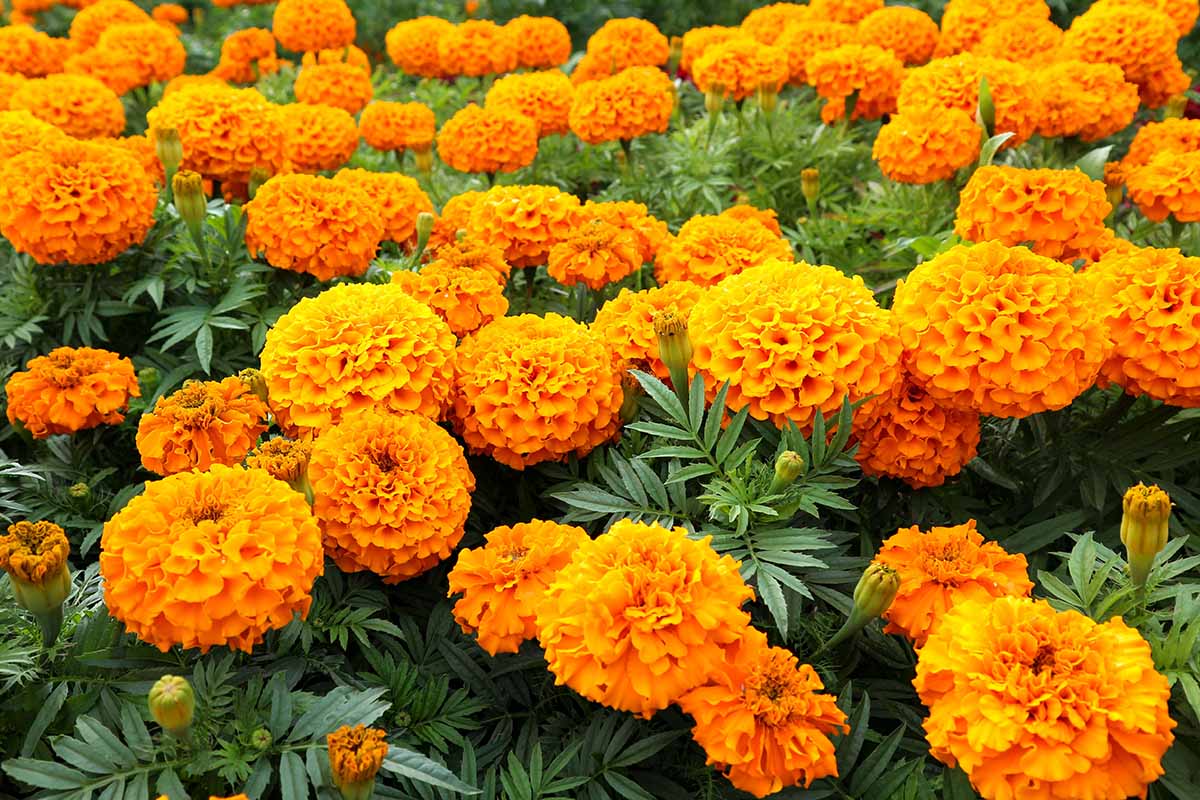
The global demand for marigold products continues rising. India remains the largest producer of marigold, supplying much of the world’s demand for carotenoid pigments used in poultry feed and food coloring. However, Kenya is positioning itself as a regional hub for quality marigold production, leveraging our favorable climate and proximity to European markets. The export potential for dried marigold flowers and extracted lutein is substantial.
The numbers attract serious farmers. A well-managed acre of African marigolds produces 8,000 to 12,000 kilograms of fresh flowers over a 3 to 4 month harvest period. At farm-gate prices of 100 to 150 shillings per kilogram, gross revenue reaches 800,000 to 1.8 million shillings per acre. With production costs of approximately 80,000 to 100,000 shillings, net profit ranges from 720,000 to 1.7 million shillings per acre.
Beyond direct flower sales, marigolds offer additional value through their pest-repelling properties. French marigolds are widely used in companion planting to control nematodes and whiteflies. This dual-purpose nature makes marigold farming in Kenya attractive for farmers integrating flowers with vegetable production.
This guide by Farmers Trend Ltd. provides everything you need to know about commercial marigold farming in Kenya. You will learn about variety selection, planting techniques, irrigation management, pest control, harvesting, and market opportunities. The information comes from successful flower farmers and horticultural experts across the country.

The Global Market Context for Marigolds in 2026
Which country is the largest producer of marigold? India dominates global production, cultivating hundreds of thousands of hectares annually. Indian farmers supply both domestic flower markets and the industrial pigment extraction industry. The carotenoid pigments from marigold petals, particularly lutein, are essential in poultry feed to enhance egg yolk color and skin pigmentation.
Kenya’s opportunity lies in serving both local and regional markets. Our flower farms already supply European markets with cut flowers. Marigolds can follow this same path. Dried marigold petals for pigment extraction are shipped worldwide. The processing technology exists, and the demand is growing.
Do marigolds attract bees? Yes, marigolds are excellent for attracting pollinators. Their bright colors and nectar-rich flowers draw bees, butterflies, and other beneficial insects. This makes them valuable not only as a cash crop but also as a support crop for orchards and vegetable farms. Farmers integrating marigolds into their systems report improved pollination in adjacent crops.
The local market for fresh marigold flowers is expanding. Supermarkets like Naivas and Quickmart stock cut flowers for decoration. Hotels use them for events. The Indian community in Kenya uses marigold garlands for religious ceremonies. All these segments create consistent demand for quality blooms.
Botanical Profiles and Marigold Varieties
Understanding marigold varieties in detail helps you select the right type for your target market. The three main types grown commercially are African marigold, French marigold, and Signet marigold.
African marigold, scientifically Tagetes erecta, is the tallest variety, reaching 60 to 90 centimeters in height. It produces large, globe-shaped flowers in shades of yellow, orange, and gold. This is the variety of choice for cut flower production and pigment extraction. The flowers are large and showy, with high petal density that makes them ideal for drying and processing. African marigold has a longer vase life than other varieties, making it suitable for the cut flower market.
French marigold, Tagetes patula, is smaller and bushier, typically growing 20 to 40 centimeters tall. It produces smaller flowers in a wider range of colors including red, maroon, and bicolors. French marigold is prized for its pest-repelling properties. It releases compounds from its roots that suppress nematodes in the soil. Farmers interplant French marigold with vegetables like tomatoes and potatoes to control soil pests organically.
Signet marigold, Tagetes tenuifolia, is a delicate variety with fine, lacy foliage and small, single flowers. It has a citrus-like scent and edible flowers, making it popular in herb gardens and high-end restaurants. Production is smaller scale but prices are premium.
What is the lifespan of a marigold? In commercial production, marigolds are grown as annuals. They complete their life cycle from seed to seed in one season. The plants grow, flower, produce seed, and die within 5 to 6 months. Do marigolds grow back every year? In Kenya’s warm climate, some plants may persist, but for commercial production, you replant each season to maintain quality and yield.
African Marigold vs French Marigold vs Signet Marigold
| Variety | Height | Flower Size | Primary Use | Days to Flower | Plant Density per Acre |
|---|---|---|---|---|---|
| African (Tagetes erecta) | 60-90 cm | 8-12 cm | Cut flowers, pigments | 60-70 days | 25,000 – 30,000 |
| French (Tagetes patula) | 20-40 cm | 3-5 cm | Pest control, borders | 50-60 days | 35,000 – 40,000 |
| Signet (Tagetes tenuifolia) | 20-30 cm | 1-2 cm | Edible, culinary | 55-65 days | 40,000 – 45,000 |
African marigold offers the highest yield per acre for commercial flower production. French marigold provides maximum pest control benefits. Signet marigold serves niche culinary markets. Your choice depends on your primary objective and target market.

Best Month to Plant Marigolds
Which month is best to plant marigolds? In Kenya, the ideal planting windows align with the rainy seasons. March to April for the long rains and October to November for the short rains provide optimal conditions for establishment.
Planting at the onset of rains ensures adequate moisture for germination and early growth. Marigold seeds are small and require consistent moisture to sprout. With irrigation, you can plant year-round, but rain-fed production reduces costs.
In highland areas like Kiambu, Murang’a, and Nakuru, March planting allows flowers to develop during the warm months and harvest before the coldest period. In lower altitudes like Machakos and Makueni, October planting avoids the hottest months when heat stress can reduce flower quality.
For farmers targeting specific market windows, adjust planting dates accordingly. Flowers for the December holiday market should be planted in September. Flowers for Valentine’s Day in February require November planting. Flowers for Easter should be planted in January.
Marigold Planting Distance and Density
Marigold planting distance determines plant population per acre and affects flower size and yield. Proper spacing ensures adequate light penetration and air circulation, reducing disease pressure.
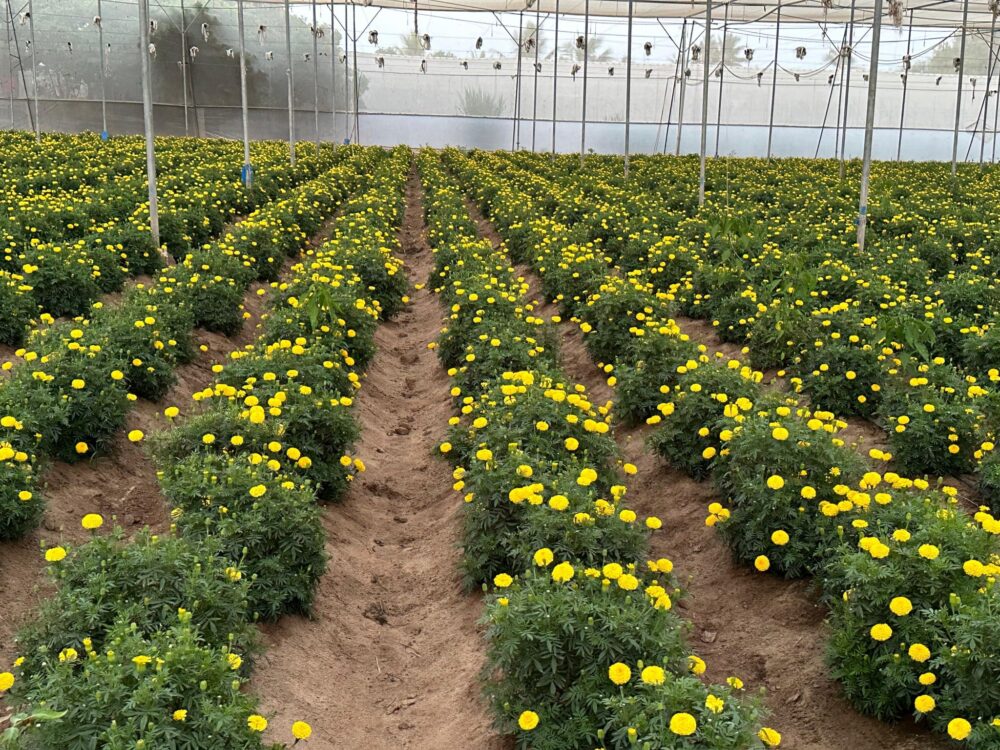
For African marigold, recommended spacing is 45 centimeters between rows and 30 centimeters between plants. This gives approximately 25,000 to 30,000 plants per acre. Closer spacing increases competition and produces smaller flowers. Wider spacing reduces yield but increases individual flower size.
For French marigold, closer spacing of 30 centimeters by 20 centimeters works well, giving 35,000 to 40,000 plants per acre. The smaller plants tolerate higher density without yield loss.
For Signet marigold, spacing of 25 centimeters by 20 centimeters accommodates 40,000 to 45,000 plants per acre.
How many marigolds per seed? One viable seed produces one plant. Seed germination rates vary from 70 to 85 percent depending on quality and storage conditions. Plant 20 to 30 percent more seeds than your target plant population to account for germination losses.
How much soil does a marigold need? Marigolds require deep, well-drained loamy soil for optimal root development. Shallow soils restrict growth and reduce flower size. Prepare soil to a depth of at least 30 centimeters before planting.
Land Preparation and Planting
Successful marigold farming in Kenya starts with proper land preparation. Plough deeply to 25 to 30 centimeters. Break all clods and remove weeds and stones. Harrow to create a fine seedbed.
Incorporate well-decomposed manure during land preparation. Apply 10 to 15 tons per acre. Manure improves soil structure and water-holding capacity while providing slow-release nutrition.
Form raised beds if drainage is poor. Beds 15 to 20 centimeters high improve root health and reduce waterlogging risk. In well-drained soils, flat planting works adequately.
Plant seeds directly or use transplants. Direct seeding is simpler and cheaper. Plant 2 to 3 seeds per hole at 1 centimeter depth. Thin to one plant after germination. Transplanting gives more uniform stands but requires nursery establishment.
Water immediately after planting. Maintain consistent moisture through germination. Seeds emerge in 7 to 14 days depending on temperature and soil moisture.
Irrigation Requirements
Do marigolds need a lot of water? Marigolds require consistent moisture but cannot tolerate waterlogging. Overwatering causes root rot and fungal diseases. Underwatering stresses plants and reduces flower quality.
Should I water marigolds every day? During germination and early growth, keep soil consistently moist. This may require daily watering in hot, dry conditions. As plants establish, reduce frequency but increase volume to encourage deep root growth.
Drip irrigation is the best method for marigolds. It delivers water directly to the root zone while keeping foliage dry. This reduces disease pressure significantly. In the absence of drip, furrow irrigation works but requires careful management.
During flowering, maintain even moisture. Fluctuations in water availability cause flower drop and reduce quality. Mulching with dry grass conserves moisture and suppresses weeds.
In rainy areas, ensure proper drainage to prevent waterlogging. Marigolds in saturated soils develop root rot and die quickly.
Fertilizer Requirements
What is the best fertilizer for marigolds? Marigolds need balanced nutrition with emphasis on phosphorus for flowering.
Apply DAP at planting to provide phosphorus for root development and early growth. Use 50 kilograms per acre, placed in planting holes or bands.
During vegetative growth, apply CAN at 25 kilograms per acre at 3 to 4 weeks after germination. Nitrogen supports leaf development but avoid excess, which produces lush foliage at the expense of flowers.
At flowering, phosphorus and potassium become critical. Apply NPK 17:17:17 at 25 kilograms per acre at 6 to 8 weeks. Supplement with potassium nitrate for larger flowers.
Foliar feeds help during critical stages. Spray with high-phosphorus formulations during bud formation. This encourages more flower production.
Organic manure at 10 to 15 tons per acre before planting provides baseline nutrition. Top-dress with compost tea during flowering for additional support.
The Secret to Growing Marigolds
What is the secret to growing marigolds? Pinching the terminal buds is the most important technique for maximizing flower production.
When plants reach 15 to 20 centimeters tall, pinch out the growing tip. This removes apical dominance and encourages branching. Instead of one central stem, the plant develops multiple lateral branches, each producing flowers. Pinched plants yield 3 to 5 times more flowers than unpinched plants.
Remove the first flower buds that appear. This delays flowering by 7 to 10 days but results in more robust plants with larger subsequent flowers. The sacrifice of early blooms pays off in total yield.
Regular deadheading, removing faded flowers, extends the blooming period. Plants that set seed stop producing new flowers. By removing spent blooms, you trick the plant into continuous flowering.
Support tall African marigold varieties with stakes or netting. Heavy blooms can cause stems to bend or break, especially during rain.
How Long Does It Take for Marigolds to Flower
How many days to flower marigolds? From seed to first bloom takes 55 to 70 days depending on variety and growing conditions.
African marigold takes 60 to 70 days to flower. French marigold is faster at 50 to 60 days. Signet marigold flowers in 55 to 65 days.
Warm temperatures accelerate flowering. Cool conditions slow development. In highland areas, add 7 to 10 days to these timelines.
How many times do marigolds bloom? With proper management, marigolds bloom continuously for 2 to 3 months. Plants produce new flowers throughout this period. Harvest every 2 to 3 days to keep plants productive.
Peak bloom occurs 4 to 6 weeks after first flowers appear. During this period, you harvest the largest volume of flowers. Production then gradually declines as plants age.
Marigold Yield Per Acre
Marigold yield per acre depends on variety, planting density, and management. Commercial farmers achieve the following ranges:
African marigold for fresh flowers: 8,000 to 12,000 kilograms per acre over the harvest period. This translates to 800,000 to 1.2 million individual blooms at 10 grams average flower weight.
African marigold for pigment extraction: Dried petals yield 10 to 15 percent of fresh weight. From 10,000 kilograms fresh flowers, you get 1,000 to 1,500 kilograms of dried petals.
French marigold for pest control: Plant density is higher but individual plants are smaller. Fresh weight yield ranges from 6,000 to 9,000 kilograms per acre.
Seed production: Marigolds produce 100 to 200 seeds per flower head. One acre can yield 100 to 200 kilograms of seed, worth 500 to 800 shillings per kilogram.
What Pests Do Marigolds Prevent
What pests do marigolds prevent? Marigolds are renowned for their pest-repelling properties, particularly against nematodes.
French marigolds release compounds from their roots that suppress root-knot nematodes in the soil. These microscopic worms attack vegetable crops like tomatoes, potatoes, and carrots. Interplanting marigolds with these crops reduces nematode populations significantly.
Marigolds also repel whiteflies, aphids, and thrips. The strong scent masks the smell of host plants, confusing pests. French marigold is most effective for this purpose.
The flowers attract beneficial insects like hoverflies, lacewings, and parasitic wasps. These predators control aphids and other soft-bodied pests naturally.
What should not be planted next to marigolds? Legumes like beans and peas can sometimes be affected by the same spider mites that occasionally attack marigolds. Monitor both crops if planted together. In practice, this interaction is minimal, and interplanting benefits usually outweigh risks.
Common Problems with Growing Marigolds
What common problems do marigolds have? What are common problems with growing marigolds? Understanding these challenges helps you prevent losses.
Powdery mildew is the most frequent disease. It appears as white powder on leaves, spreading rapidly in dry conditions with cool nights. Improve air circulation through proper spacing. Apply sulfur-based fungicides at first sign. Water at soil level, not on foliage.
Bud rot affects flower heads, causing them to turn brown and decay. This fungal disease spreads in wet, humid conditions. Remove affected flowers immediately. Apply copper fungicides preventatively during rainy periods.
Spider mites thrive in hot, dry conditions. They cause stippling on leaves and fine webbing. Control by maintaining good soil moisture. Spray with water to dislodge mites. Use miticides when populations build.
Aphids cluster on new growth and flower buds. They suck sap and distort growth. Spray with neem oil or insecticidal soap. Encourage natural predators.
Slugs and snails damage young plants. Use beer traps or iron phosphate baits. Remove mulch temporarily if infestation is severe.
What Is the Cost of Production of Marigolds
What is the cost of production of marigolds? Understanding your costs helps you price flowers profitably.
| Cost Item | Amount per Acre |
|---|---|
| Seeds (200g at KSh 30,000/kg) | 6,000 KSh |
| Land preparation | 8,000 KSh |
| Manure (10 tons) | 15,000 KSh |
| Fertilizer (DAP, CAN, NPK) | 12,000 KSh |
| Pest control materials | 8,000 KSh |
| Labor (planting, weeding, harvest) | 25,000 KSh |
| Irrigation operation | 6,000 KSh |
| Total Production Cost | 80,000 KSh |
Additional costs for packaging and transport vary with market distance. Budget 5,000 to 10,000 shillings for these expenses.
2026 Production Cost vs Revenue Table
| Production Level | Yield (kg) | Price/kg | Gross Revenue | Total Costs | Net Profit |
|---|---|---|---|---|---|
| Conservative | 8,000 | 100 | 800,000 | 80,000 | 720,000 |
| Average | 10,000 | 120 | 1,200,000 | 85,000 | 1,115,000 |
| Excellent | 12,000 | 150 | 1,800,000 | 90,000 | 1,710,000 |
How much is 1 kg of marigolds? Fresh marigold flowers sell for 100 to 150 shillings per kilogram at farm gate. Prices peak during festive seasons and drop during peak supply periods.
How to Multiply Marigolds
How to multiply marigolds? Two methods work for commercial propagation: seed saving and stem cuttings.
Seed saving is the most common method. Allow flowers to mature and dry on the plant. Harvest seed heads when fully dry. Extract seeds by rubbing heads between your hands. Winnow to remove chaff. Store seeds in cool, dry conditions. Marigold seeds remain viable for 1 to 2 years.
Stem cuttings work for vegetatively propagating desirable varieties. Take 10 to 15 centimeter cuttings from healthy plants. Remove lower leaves. Insert in moist growing medium. Keep shaded and moist until roots develop. Transplant after 3 to 4 weeks.
For commercial production, fresh certified seeds from reliable sources give the best results. Farmers Trend Ltd offers quality marigold seeds through their nurseries and Virtual Agrovet platform. Contact them at 0790509684 for current availability and pricing.

The Farmers Trend Ltd Advantage
Farmers Trend Ltd is your trusted source for quality marigold seeds and seedlings. Their Virtual Agrovet platform makes ordering simple and convenient.
Farmers Trend Ltd offers both African and French marigold seeds selected for Kenyan conditions. Seeds are tested for germination and purity. The nursery maintains quality control to ensure you receive viable, disease-free planting material.
The Virtual Agrovet platform allows you to order seeds online with delivery to your farm. Browse available varieties, check current prices, and place orders from your phone or computer. This service saves travel time and ensures you get seeds when you need them.
For farmers preferring seedlings, Farmers Trend Ltd can supply young plants ready for transplanting. This option reduces the germination period and ensures uniform stands.
Contact Farmers Trend Ltd at 0790509684 for seed orders or advice on marigold farming. Their agronomy team answers questions about planting, care, and marketing.
Harvesting and Post-Harvest Handling
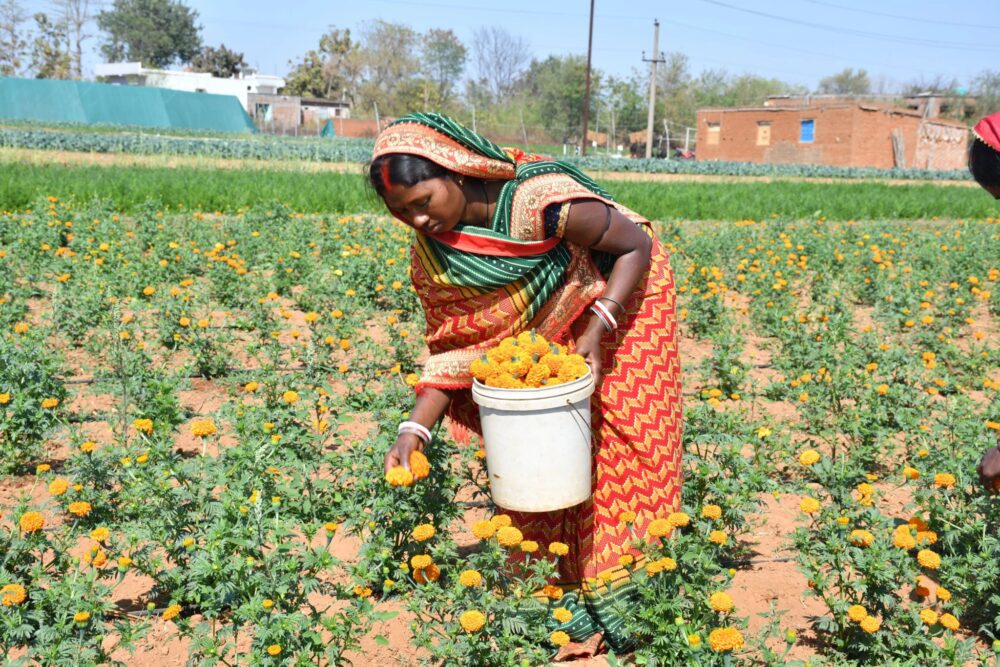
Harvest marigolds in the morning after dew dries but before heat stresses the flowers. Use sharp scissors or secateurs to cut stems cleanly.
For fresh flower market, cut when flowers are fully open but before they begin to fade. Include 20 to 30 centimeters of stem for arranging. Strip lower leaves that would be below water line.
For pigment extraction, harvest fully open flowers. Remove green parts and collect only petals for drying. Spread petals in thin layers in shade with good air circulation. Turn regularly until completely dry. Store dried petals in airtight containers away from light.
For seed production, allow flowers to mature fully on plants. Harvest when seed heads turn brown and dry. Dry further in shade before threshing.
Cool harvested flowers immediately. Hydro-cooling or forced-air cooling extends vase life. Transport in ventilated containers to prevent moisture buildup.
Market Opportunities for Marigolds
Fresh flower markets in Nairobi, Mombasa, Kisumu, and Nakuru have consistent demand for marigolds. Traders at city markets buy in bulk for resale. Build relationships with several traders for consistent sales.
Supermarkets like Naivas, Quickmart, and Carrefour stock cut flowers. They require consistent quality and supply. Approach their procurement departments with samples.
Processors need marigold petals for pigment extraction. This market is developing in Kenya. Contact feed manufacturers about their requirements.
Export markets exist for dried petals and extracted lutein. European buyers seek quality material. Export requires certification and consistent standards.
Value addition creates opportunities. Dry petals for herbal teas. Extract essential oils. Make marigold-based skincare products. These products fetch premium prices.
Marigold Farming PDF and Resources
For detailed technical information, request the Marigold farming in Kenya PDF from Farmers Trend Ltd. This comprehensive guide includes planting calendars, pest management schedules, and marketing contacts.
The Virtual Agrovet platform provides access to agronomic advice, input supplies, and market information. Farmers who use these resources consistently achieve higher yields and better prices.
Next Step
Marigold farming in Kenya offers one of the most accessible and profitable opportunities in floriculture. African marigold yields 8,000 to 12,000 kilograms per acre. French marigold provides pest control benefits alongside flower sales. Both generate substantial profits with moderate investment.
The 2026 planting windows approach. March and October offer ideal conditions with the rains. Your seeds are waiting at Farmers Trend Ltd. The Virtual Agrovet platform makes ordering simple.
Start with soil testing to know your pH and nutrient levels. Choose the right varieties for your market. African marigold for cut flowers and pigment. French marigold for pest control integration.
Prepare your land thoroughly. Install drip irrigation for consistent moisture. Order your certified seeds from Farmers Trend Ltd through their Virtual Agrovet platform or call them at 0790509684.
The farmers earning substantial incomes from marigolds started exactly where you are now. They learned, they planned, and they took action. You can do the same.
Your marigold farming in Kenya journey begins today. The market is waiting. The profits are real. The time to act is now.
https://farmerstrend.co.ke/trending/marigold-farming-in-kenya-profitable-guide/https://farmerstrend.co.ke/wp-content/uploads/2026/03/marigold-seedlings-in-kenya-1024x683.jpghttps://farmerstrend.co.ke/wp-content/uploads/2026/03/marigold-seedlings-in-kenya-150x150.jpg# TrendingAfrican Marigold FarmingCropsHerbs Farming In KenyaAfrican marigold vs French marigold,Cut flower farming Kenya,Farmers Trend Ltd marigold seeds,How long for marigolds to flower,Lutein extraction marigold Kenya,Marigold farming pdf Kenya,Marigold farming profit per acre,Marigold pest control benefits,Marigold planting distance,Marigold production cost Kenya,Marigold seeds price Kenya,Marigold yield per acre Kenya,Tagetes erecta farming Kenya,Tagetes patula farming Kenya,Virtual agrovet marigold seedsMarigold Farming in Kenya: The 2026 Guide to Profits, Pigments, and Pest Control Marigold farming in Kenya is becoming one of the most lucrative opportunities in the floriculture sector. What many farmers still view as a simple ornamental flower has transformed into a high-value industrial crop with diverse applications. From...FarmersTrendjohn doefarmerstrend@gmail.comAdministratorFarmers Trend Ltd.

Leave a Reply