Loquat Farming in Kenya: The 2026 Definitive Guide to Earning KSh 1 Million Per Acre with Grafted Seedlings
Loquat Farming in Kenya: The 2026 Guide to Off-Season Profits and Management
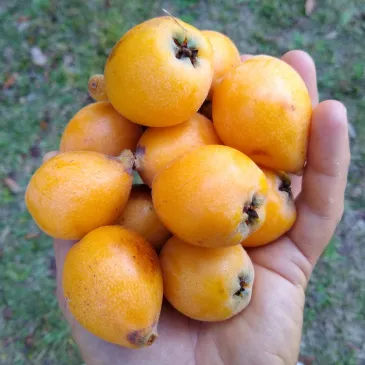
Loquat farming in Kenya represents one of the most overlooked opportunities in the fruit sector. Known to many as the Japanese plum, this hardy evergreen tree has quietly grown in homesteads across Central, Rift Valley, and Western Kenya for generations. Families know it well. Children eat the fruits straight from the branches. Yet for decades, few farmers have treated it as a serious source of income. That is changing.

The strength of loquat farming in Kenya lies in the crop’s remarkable adaptability. Loquat trees thrive in different soils, handle varied climates, and need little maintenance once established. This is why you will often find decades-old trees still standing strong in family compounds across Murang’a, Nyeri, Nakuru, and Kericho. Some farmers even use loquats as rootstocks for other fruits because their roots are tough and adaptable to Kenyan conditions.
What makes loquat especially valuable for commercial farmers is its unique fruiting window. Loquats harvest from August to October, a period when mangoes and citrus are scarce in the market. This off-season timing means your fruit reaches consumers when other options are limited, translating to better prices and stronger demand.
The numbers justify the attention. A well-managed acre of grafted loquat trees produces 5,000 to 8,000 kilograms annually from year seven onward. At wholesale prices of 150 shillings per kilogram, gross revenue reaches 750,000 to 1.2 million shillings per acre. With production costs of approximately 200,000 shillings annually, net profit ranges from 550,000 to 1 million shillings per acre. In high-end Nairobi markets, retail prices of 300 to 500 shillings per kilogram push profits even higher.
This guide by Farmers Trend Ltd. provides everything you need to know about commercial loquat farming in Kenya. You will learn about ecological requirements, grafted varieties, growth timelines, orchard management, pest control, and market opportunities. The information comes from successful growers and horticultural experts across the country.
The Japanese Plum Opportunity in 2026
Is loquat farming profitable? Yes, and the unique timing of its harvest makes it especially attractive. Loquats in Kenya ripen from August to October, creating a valuable market window when few other fruits are available. This off-season advantage means you are not competing with the flood of mangoes, avocados, and citrus that dominate other months.
The dual-purpose nature of loquat adds to its value. It produces high-quality fruit for fresh consumption and processing. At the same time, the tree itself serves as an attractive ornamental, making it suitable for farmers who want to combine fruit production with landscaping or agroforestry.
Loquat farming in Kenya works across different ecological zones. From Murang’a, Nyeri, and Kirinyaga in Central, to Nakuru and Kericho in Rift Valley, and Kisii and Kakamega in Western, the crop thrives as long as the soil is well-drained and rainfall is sufficient. Few fruits are this adaptable, and that gives loquat an edge for farmers who want resilience in their orchards.
Despite this promise, production levels remain far below potential. Most trees are grown for household consumption, with excess sold in nearby markets. Few nurseries produce improved or grafted seedlings, so many farmers still rely on seedling trees that take much longer to fruit and give inconsistent yields. This gap between demand and supply creates opportunity for farmers who invest in quality planting material and professional orchard management.

Ecological Zones for Loquat Farming
Where are loquats grown in Kenya? The crop performs best in areas with moderate rainfall and cool to warm temperatures, which explains why it thrives in many parts of Kenya’s highlands. Loquats require altitudes between 800 meters and 2,300 meters above sea level, with the sweet spot between 1,500 and 2,000 meters.
Kiambu County leads in loquat production, with many farmers maintaining trees in their coffee zones. The combination of red volcanic soils and reliable rainfall supports vigorous growth and good fruit quality. Trees in Kiambu often produce heavy crops with excellent flavor.
Meru County, particularly the cooler upper zones, offers ideal conditions. Farmers in Meru have grown loquats for generations, and the fruit is well-known in local markets. The area around Timau and the slopes of Mount Kenya provide the temperature range that loquats prefer.
Nakuru County, including areas around Molo and Njoro, supports strong loquat growth. The cooler temperatures and well-drained soils suit the trees perfectly. Farmers in these areas benefit from proximity to the Nairobi market via the Nairobi-Nakuru highway.
Kericho County, known for tea, also produces quality loquats. The high rainfall and cool temperatures create conditions similar to the tree’s native Asian highlands. Loquats grown here are often large and juicy.
Other suitable areas include Nyeri, Kirinyaga, Kisii, and parts of Uasin Gishu. Farmers in these regions can establish productive orchards with proper variety selection and management.
Grafted Loquat Varieties for Commercial Production
Commercial loquat farming in Kenya requires grafted varieties selected for fruit size, sweetness, and market acceptance. Seedling trees produce variable fruit quality and take 8 to 10 years to bear. Grafted trees fruit in 2 to 3 years and produce consistently high-quality fruit.
Farmers Trend Ltd nurseries offer certified grafted loquat seedlings through their physical locations and Virtual Agrovet platform. Contact them at 0790509684 for orders and advice.
| Variety | Fruit Size | Flesh Color | Sweetness Level | Best Use | Price/Seedling |
|---|---|---|---|---|---|
| Big Jim | Very Large | Orange | High | Fresh market, export | 600 KSh |
| Champagne | Medium | Pale Orange | Very High | Fresh eating | 600 KSh |
| Golden Nugget | Medium-Large | Deep Orange | High | Fresh, processing | 600 KSh |
| Vista White | Large | White | Mild | Specialty markets | 650 KSh |
| Advance | Medium | Orange | High | Fresh market | 550 KSh |
Big Jim is the most popular commercial variety. It produces very large fruits weighing 60 to 80 grams each. The flesh is orange, sweet, and slightly acidic, making it ideal for fresh consumption. Trees are vigorous and productive, yielding 40 to 60 kilograms at maturity.
Champagne is prized for its exceptional sweetness. The fruits are medium-sized but have a delicate flavor that consumers love. This variety commands premium prices in high-end markets. Trees are slightly smaller than Big Jim, allowing closer spacing.
Golden Nugget produces deep orange fruits with rich flavor. It is a reliable cropper with good disease resistance. The fruits store well, making it suitable for farmers targeting distant markets.
Vista White is a unique variety with white flesh. Its mild, sweet flavor appeals to consumers seeking something different. This variety targets specialty markets and often fetches higher prices.
All varieties from Farmers Trend Ltd are grafted onto hardy rootstocks selected for drought tolerance and disease resistance. Seedlings are certified disease-free and true to type. The nursery maintains mother blocks of proven varieties to ensure genetic quality.
Farmers Trend Ltd has locations in Murang’a and Nairobi for your convenience. The Murang’a nursery benefits from ideal growing conditions for propagating healthy seedlings. The Nairobi location provides easy access for farmers from surrounding areas. Both locations maintain high standards for seedling quality and customer service.
Where to Buy Grafted Loquat Seedlings
Where to buy grafted loquat seedlings in Kenya? Farmers Trend Ltd is your trusted source for quality planting material. Contact them at 0790509684 to place orders or inquire about availability.
The Farmers Trend Ltd nurseries produce thousands of grafted loquat seedlings annually. Each seedling is carefully propagated from selected mother stock. The graft union is strong and well-healed. Roots are well-developed and ready for planting.
The Virtual Agrovet platform revolutionizes how farmers access inputs. You can browse available varieties, check current prices, and place orders from your phone or computer. The platform delivers seedlings to your farm, saving travel time and transport costs. This service makes commercial loquat farming accessible to farmers anywhere in Kenya.
To order, visit the Farmers Trend Ltd website and navigate to the virtual agrovet section. Select loquat seedlings and choose your preferred varieties. Add to cart and proceed to checkout. Enter your delivery details and complete payment. Your seedlings will arrive at your farm within the specified delivery period.
Farmers Trend Ltd also provides agronomic advice through their platform. You can ask questions about planting, care, and pest management. Their team of experts responds promptly with practical solutions. This ongoing support increases your chances of success.
For farmers who prefer physical inspection, Farmers Trend Ltd has nursery locations where you can see seedlings before purchase. Contact them at 0790509684 to find the nearest location. Staff are trained to advise on variety selection based on your region and target market.
Growth Timelines for Loquat Trees
How long does a loquat plant take to mature? How long does it take for a loquat tree to bear fruit? The answer depends on your planting material.
Seed-grown loquat trees take 8 to 10 years to begin fruiting. They also produce variable fruit quality because seedlings do not come true to type. Some trees bear excellent fruit. Others produce small, sour, or seedy fruits. This variability makes seed propagation unsuitable for commercial production.
Grafted loquat trees begin fruiting in 2 to 3 years. A grafted tree combines a rootstock selected for vigor with a scion from a proven variety. The scion carries the genetic potential of the parent tree, ensuring fruit quality. Grafted trees establish quickly and produce their first small crop in year two or three.
What month to plant loquats? The best planting time is March to April at the onset of the long rains. This timing allows young trees to establish with natural rainfall. October to November during the short rains is also suitable. With irrigation, you can plant year-round.
The lifespan of a loquat tree extends 25 to 35 years for commercial production. After establishment, trees produce for decades with proper management. Some trees in homesteads continue bearing for over 50 years, though productivity declines with extreme age.
Full commercial production arrives in year seven to ten. At this stage, trees yield 50 to 80 kilograms annually. With 200 trees per acre at 5 meter by 5 meter spacing, total yield reaches 10,000 to 16,000 kilograms per acre.
Orchard Establishment and Management
Successful loquat farming in Kenya starts with proper land preparation and planting.
Choose a site with full sun exposure. Loquats need 6 to 8 hours of direct sunlight daily for optimal fruiting. Protect from strong winds that can damage branches and fruit.
Test your soil before planting. Loquats prefer slightly acidic to neutral pH between 6.0 and 7.0. Well-drained loamy soils produce the best results. If your soil is heavy clay, plant on raised beds to improve drainage.
Prepare holes 60 centimeters wide and 60 centimeters deep. Dig at least two weeks before planting. Mix topsoil with 20 kilograms of well-decomposed manure and 200 grams of DAP fertilizer. Refill holes partially before planting.
Standard spacing for commercial orchards is 5 meters by 5 meters, giving approximately 160 trees per acre. This spacing allows each tree to develop a full canopy without competing with neighbors. Some farmers use 6 meters by 5 meters for 140 trees, allowing larger individual tree growth.
Plant at the start of rains. Soak seedling roots in water for 2 to 3 hours before planting. Place the seedling at the same depth it grew in the nursery. The graft union should stay above soil level to prevent rot.
Water immediately after planting. Apply mulch 5 to 10 centimeters deep around the base, keeping it away from the trunk. Maintain consistent moisture through the first year.

Fertilizer Requirements
What is the best fertilizer for loquat fruit? Loquats respond well to balanced nutrition throughout the growing season.
Apply NPK 17:17:17 at planting to provide balanced nutrients for establishment. Use 200 grams per tree mixed with soil in the planting hole.
During the growth phase, apply nitrogen-rich fertilizers to support canopy development. Use 200 grams of CAN per tree twice yearly, at the start of rains and after harvest.
During fruit development, potassium becomes critical for fruit size and sweetness. Apply potassium-rich fertilizers 6 to 8 weeks before harvest. Wood ash provides potassium at low cost.
Organic manure at 20 kilograms per tree annually maintains soil health. Apply manure at the start of rains for best results. Mulching with organic material also adds nutrients as it decomposes.
Foliar feeds help during critical stages. Spray with micronutrient formulations during flowering and fruit set. This provides quick nutrient boosts when trees need them most.
Irrigation Requirements
Loquat trees need consistent moisture for optimal growth and production. Drip irrigation is the most efficient delivery method.
During the first year, water young trees twice weekly. Apply 10 to 15 liters per tree each watering. As trees grow, adjust frequency based on weather and soil type. Mature trees need 20 to 30 liters per week during dry weather.
During flowering and fruit development, maintain consistent moisture. Water stress during these stages causes flower drop and poor fruit set. Mulching helps conserve moisture and reduces irrigation frequency.
In areas with distinct dry seasons, irrigation is essential for commercial production. Loquats can survive drought but yields will be significantly reduced without supplemental water.
Pruning for Productivity
Pruning shapes trees and maximizes fruit production. Loquat farming in Kenya requires annual pruning for best results.
Young trees need formative pruning. Select 3 to 4 strong branches to form the main structure. Remove competing branches. This creates an open canopy that allows light penetration.
Mature trees need maintenance pruning. Remove dead or diseased wood whenever seen. Prune after harvest to stimulate new growth for the next season. Remove crossing branches that rub together. Thin dense areas to improve air circulation.
Remove water sprouts and suckers growing from the rootstock. These compete with the main tree and reduce fruit production.
Loquats fruit on current season’s growth. Pruning encourages new growth, which produces next year’s crop. Heavy pruning reduces yields, so maintain moderate pruning levels.
Yield Expectations
How many loquats per plant? A mature grafted loquat tree produces 50 to 80 kilograms of fruit annually under good management. This translates to 500 to 1,000 individual fruits depending on variety.
How many trays per hectare? With 200 trees per acre, total yield reaches 10,000 to 16,000 kilograms. At 2 kilograms per tray, this equals 5,000 to 8,000 trays per acre.
- First year after planting: trees establish with no fruit.
- Year two: small crop of 2 to 5 kilograms per tree.
- Year three: 5 to 10 kilograms per tree.
- Year four: 10 to 20 kilograms per tree.
- Year five: 20 to 30 kilograms per tree.
- Year six: 30 to 40 kilograms per tree.
- Year seven onward: 50 to 80 kilograms per tree.
These figures assume good management, quality varieties, and favorable conditions. Actual yields vary with your specific situation.
Common Loquat Tree Problems
Common loquat tree problems include fire blight, fruit fly, and bird damage. Understanding these challenges helps you prevent losses.
Fire blight is a bacterial disease that affects loquats and other pome fruits. Infected branches show wilting, blackening, and a characteristic “shepherd’s crook” shape. The disease spreads rapidly in warm, wet weather. Control by pruning infected branches 30 centimeters below visible damage. Disinfect pruning tools between cuts. Copper sprays provide some protection during bloom.
Fruit flies attack developing fruits. Females lay eggs inside fruits, and maggots feed on the flesh. Damaged fruits rot and drop prematurely. Control using pheromone traps to monitor populations. Apply protein bait sprays mixed with insecticide. Wrap developing fruits with paper bags in small orchards.
Birds love ripe loquats. They can strip a tree in days as fruits ripen. Netting provides the best protection. Scare devices help in smaller orchards. Harvest promptly as fruits ripen.
Scale insects and aphids occasionally attack loquats. Spray with neem oil or insecticidal soap when populations build. Encourage natural predators like ladybugs.
What Not to Mix with Loquat
What not to mix with loquat relates to spacing and competitive root systems. Loquats have aggressive root systems that compete with nearby plants for water and nutrients.
Avoid planting vegetables or annual crops close to loquat trees. The tree roots will outcompete them, reducing yields. Maintain a clear area of at least 1 meter around each tree.
Do not plant other fruit trees too close. Loquats need their own space to develop full canopy. Interplanting reduces light penetration and air circulation, increasing disease pressure.
Avoid planting in areas with shallow soils or high water tables. Loquat roots need depth and good drainage. Waterlogged conditions cause root rot and tree decline.
2026 Market Value and Pricing
What is the rate of 1 kg of loquat? How much is 1 kg of loquat in 2026? Prices vary with season, quality, and market location.
Wholesale prices at farm gate range from 100 to 200 shillings per kilogram depending on season. Off-season fruits fetch premium prices due to limited supply.
Retail prices in Nairobi markets range from 250 to 400 shillings per kilogram. High-end supermarkets like Naivas and Quickmart sell loquats at 300 to 500 shillings per kilogram when available.
Export prices reach 400 to 600 shillings per kilogram for quality fruit meeting grade standards. European and Middle Eastern markets value loquats for their unique flavor and seasonal timing.
Processed loquats in jams, juices, or dried form fetch even higher prices. Value addition creates opportunities for farmers who want to maximize returns.
Commercial Variety Comparison Table
| Variety | Fruit Size | Sweetness | Flesh Color | Maturity | Market Use |
|---|---|---|---|---|---|
| Big Jim | Very Large | High | Orange | 2-3 years | Fresh export |
| Champagne | Medium | Very High | Pale Orange | 2-3 years | Fresh premium |
| Golden Nugget | Medium-Large | High | Deep Orange | 2-3 years | Fresh, processing |
| Vista White | Large | Mild | White | 2-3 years | Specialty |
| Advance | Medium | High | Orange | 2-3 years | Local market |
5-Year Revenue Projection Table
| Year | Trees | Yield/Tree (kg) | Total Yield (kg) | Price/kg | Gross Revenue | Annual Costs | Net Profit |
|---|---|---|---|---|---|---|---|
| 1 | 160 | 0 | 0 | 150 | 0 | 200,000 | -200,000 |
| 2 | 160 | 3 | 480 | 150 | 72,000 | 180,000 | -108,000 |
| 3 | 160 | 8 | 1,280 | 150 | 192,000 | 180,000 | 12,000 |
| 4 | 160 | 15 | 2,400 | 150 | 360,000 | 180,000 | 180,000 |
| 5 | 160 | 25 | 4,000 | 150 | 600,000 | 180,000 | 420,000 |
Year five net profit of 420,000 shillings per acre demonstrates the potential of loquat farming in Kenya. Production continues increasing to 50-80 kg per tree by year seven, pushing profits to 1 million shillings and above.
Cost of Loquat Production in Kenya Breakdown
Establishment costs for one acre of grafted loquat include seedlings, land preparation, irrigation, and labor.
| Cost Item | Amount |
|---|---|
| Seedlings (160 at KSh 600) from Farmers Trend Ltd | 96,000 KSh |
| Land preparation | 20,000 KSh |
| Manure (15 tons) | 25,000 KSh |
| Drip irrigation system | 75,000 KSh |
| Planting labor | 15,000 KSh |
| Total First-Year Investment | 231,000 KSh |
Annual maintenance after establishment includes fertilization, pruning, pest control, and irrigation operation.
| Annual Cost Item | Amount |
|---|---|
| Fertilizer and manure | 40,000 KSh |
| Pest control | 20,000 KSh |
| Pruning labor | 20,000 KSh |
| Irrigation operation | 15,000 KSh |
| Harvest and transport | 40,000 KSh |
| Miscellaneous | 15,000 KSh |
| Total Annual Costs | 150,000 KSh |
Harvesting and Post-Harvest Handling
Loquats ripen from August to October in Kenya. Harvest when fruits develop full color and begin to soften slightly. Fruits ripen from the base upward, so pick individually as they mature.
Harvest in the morning when temperatures are cool. Handle fruits gently to prevent bruising. Loquats have delicate skin that damages easily.
Grade fruits by size and quality. Export markets require uniform fruits of specific sizes. Local markets accept mixed grades but pay more for sorted fruit.
Pack in ventilated containers for transport. Refrigerated storage extends shelf life to 2 to 3 weeks. At room temperature, fruits last 5 to 7 days.
Market Opportunities in 2026
Where to sell loquats in Kenya? Several market channels offer opportunities for loquat farmers.
Fresh produce markets in Nairobi, Nakuru, Mombasa, and Kisumu have consistent demand for loquats during the August to October season. Traders at Wakulima Market in Nairobi buy in bulk throughout the season.
Supermarkets like Naivas, Quickmart, and Carrefour stock loquats when quality fruit is available. They require consistent supply and proper packaging. Approach their procurement departments with samples and supply proposals.
Hotels and restaurants use loquats in desserts, salads, and juice programs. High-end establishments pay premium prices for quality fruit. Approach their chefs with samples.
Processors need loquats for jams, juices, and dried fruit products. This market accepts seconds and irregular fruits. Build relationships with processors for consistent sales.
Export opportunities exist in Europe and the Middle East. Loquats from Kenya reach markets when other sources are out of season. Export requires GlobalGAP certification and consistent quality standards.
The Farmers Trend Ltd Advantage
Farmers Trend Ltd has established itself as Kenya’s most trusted source for grafted fruit seedlings. Their loquat program is built on years of experience and commitment to quality.
The nursery maintains mother blocks of all recommended loquat varieties. These mother trees are carefully managed to produce scion wood of the highest genetic quality. Every grafted loquat seedling carries the exact characteristics of its parent.
Grafting is performed by skilled technicians with years of experience. The graft union is wrapped and protected to ensure successful take. Seedlings are grown in sterilized media to prevent disease. Regular inspections ensure only healthy plants reach customers.
Farmers Trend Ltd offers competitive pricing on all seedling varieties. Bulk orders receive discounts. The nursery can supply large quantities for commercial orchards. Contact them at 0790509684 to discuss your specific requirements.
The Virtual Agrovet platform provides 24/7 access to seedling ordering. You can browse varieties, check prices, and place orders at any time. Delivery is arranged to your farm, saving you transport costs and time.
Technical support continues after purchase. Farmers Trend Ltd staff advise on planting, irrigation, fertilization, and pest control. This ongoing relationship increases your chances of success.

Next Step
Loquat farming in Kenya offers one of the most profitable and underutilized opportunities in horticulture. Grafted trees fruit in 2 to 3 years. Yields reach 50 to 80 kilograms per tree at maturity. Prices range from 150 to 300 shillings per kilogram wholesale. The trees produce for 25 to 35 years.
The unique August to October harvest window means your fruit reaches market when other fruits are scarce. This off-season timing translates to better prices and stronger demand.
The 2026 planting windows approach. March to May and October to November offer ideal conditions with the rains. Your seedlings are waiting at Farmers Trend Ltd nurseries. The Virtual Agrovet platform makes ordering simple.
Start with soil testing to know your pH and nutrient levels. Choose the right varieties for your market. Big Jim for size and productivity. Champagne for premium sweetness. Vista White for specialty markets.
Prepare your land thoroughly. Install drip irrigation for consistent moisture. Order your certified grafted seedlings from Farmers Trend Ltd through their Virtual Agrovet platform or call them at 0790509684.
The farmers earning substantial incomes from loquats started exactly where you are now. They learned, they planned, and they took action. You can do the same.
Your commercial loquat farming in Kenya journey begins today. The market is waiting. The profits are real. The time to act is now.
https://farmerstrend.co.ke/trending/loquat-farming-in-kenya-2026-profit-guide/https://farmerstrend.co.ke/wp-content/uploads/2026/03/harvested-loquats-in-kenya.webphttps://farmerstrend.co.ke/wp-content/uploads/2026/03/harvested-loquats-in-kenya-150x150.webp# TrendingLoquat FarmingApple guava Kenya,Commercial guava farming Kenya,Farmers Trend Ltd guava seedlings,Grafted guava seedlings Kenya price,Guava farming profit per acre,Guava harvesting months Kenya,Guava leaf benefits,Guava orchard establishment costs,Guava puree export Kenya,Guava tree lifespan,Guava yield per tree Kenya,Highest profit per acre crop in Kenya,Red Malaysian guava,Virtual agrovet guava,White guava KenyaLoquat Farming in Kenya: The 2026 Guide to Off-Season Profits and Management Loquat farming in Kenya represents one of the most overlooked opportunities in the fruit sector. Known to many as the Japanese plum, this hardy evergreen tree has quietly grown in homesteads across Central, Rift Valley, and Western Kenya...FarmersTrendjohn doefarmerstrend@gmail.comAdministratorFarmers Trend Ltd.

Leave a Reply