The Current State of Custard Apple Farming in Kenya
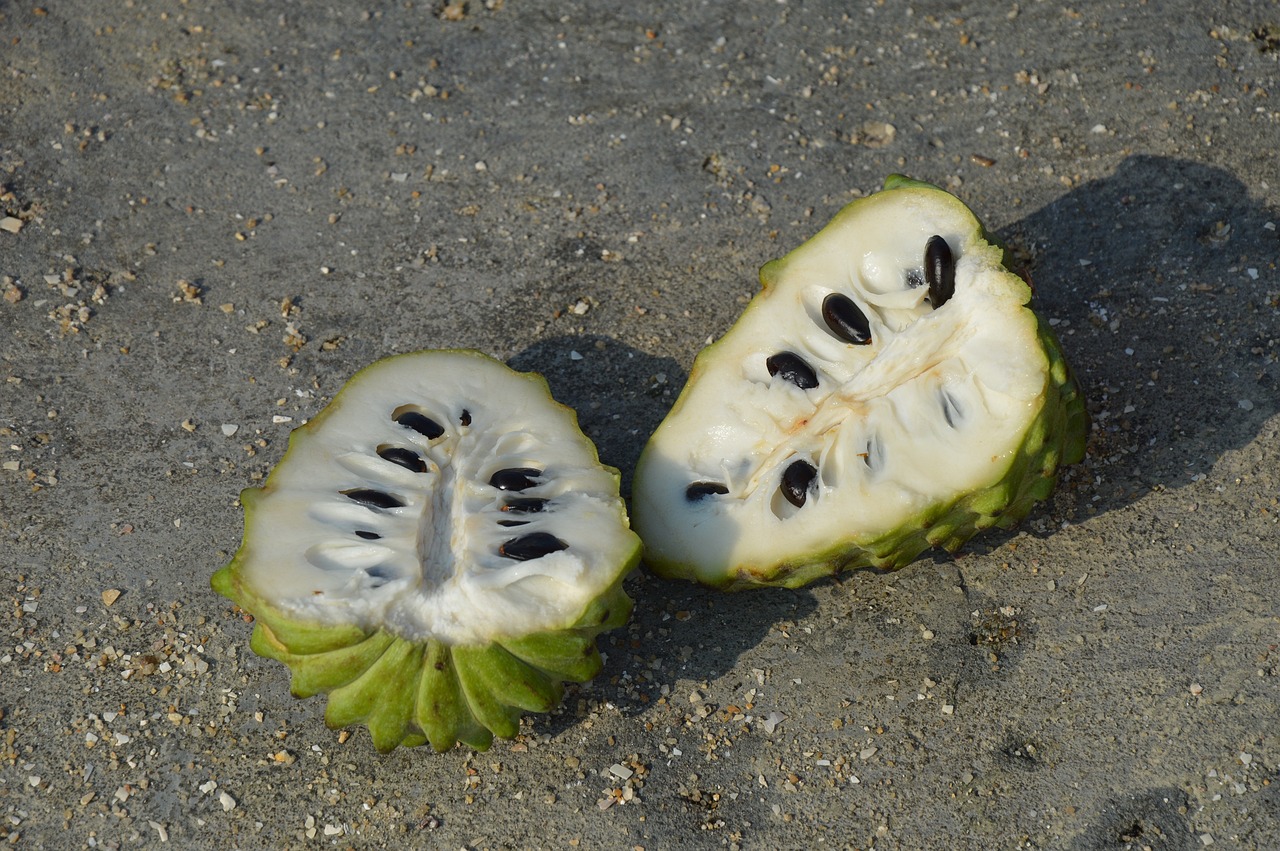
Custard apple farming in Kenya has emerged as a vibrant and promising agricultural sector, capturing the interest of many farmers across the country. Known for its creamy texture and sweet flavor, the custard apple, or “matomoko” as locally referred, is gaining popularity not only for its delightful taste but also for its economic potential.
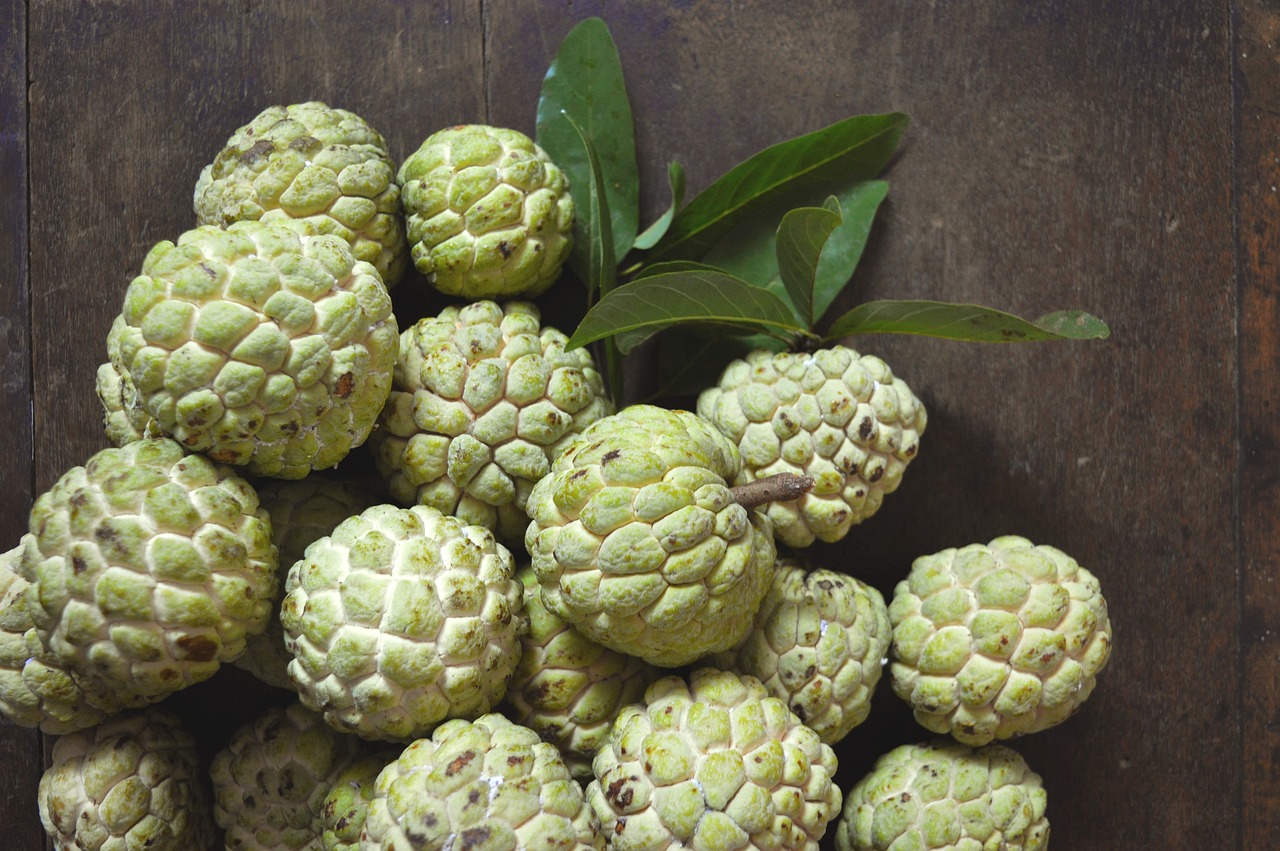
Kenya’s climate proves to be highly conducive to custard apple cultivation. The ideal range for optimal growth falls between 600-800mm of annual rainfall. This aligns well with many regions across the country, particularly the central highlands known for their fertile soils. While custard apples can tolerate a variety of soil types, well-drained, deep, and fertile loams are preferred for maximum yield. On an acre of land, with proper spacing, farmers can cultivate between 150-300 trees, leading to a potential revenue range of Ksh 720,000 to Ksh 1,170,000 annually
Traditionally grown in small-scale farms, the area under custard apple cultivation has expanded considerably. Currently, an estimated 7,500 hectares of land are dedicated to custard apple farming, a sharp increase from 2,000 hectares recorded five years ago. This expansion is largely driven by the crop’s profitability and the increasing demand both locally and internationally.
The economic impact of custard apple farming in Kenya is substantial. According to recent data, the custard apple industry generates approximately 3 billion Kenya Shillings annually. This revenue is derived from both domestic sales and exports. The farm-gate price for custard apples ranges between 80 and 120 Kenya Shillings per kilogram, depending on the quality and season. Farmers with well-managed orchards can produce up to 20 tons per hectare, translating to potential earnings of 2.4 million Kenya Shillings per hectare per year.
The export market for Kenyan custard apples is expanding steadily. Key export destinations include Europe, the Middle East, and parts of Asia, where there is a growing appreciation for exotic fruits. In 2023, Kenya exported approximately 1,500 tons of custard apples, generating 450 Kenya Shillings in export revenue. The demand in international markets is driven by the fruit’s unique flavor, nutritional benefits, and the increasing consumer preference for natural and organic produce.
Challenges Facing Custard Apple Farmers
Despite the promising growth, custard apple farmers in Kenya face several challenges. One of the primary issues is the lack of adequate water supply, as custard apples require consistent irrigation. Many farming regions experience erratic rainfall, making water management a critical concern. Additionally, pest and disease control remains a significant challenge. The fruit is susceptible to pests such as fruit flies and diseases like anthracnose, which can significantly reduce yields and fruit quality.
Another challenge is the limited access to high-quality planting materials. Many farmers still rely on traditional seed propagation methods, which result in inconsistent fruit quality and lower yields. Efforts are underway to promote the use of grafted seedlings, which offer better disease resistance and higher productivity.
Government and Private Sector Initiatives
Recognizing the potential of custard apple farming, both the government and private sector are stepping up to support this industry. The Kenyan government has initiated several programs aimed at boosting horticultural production, including custard apples. These programs provide training on modern farming techniques, pest and disease management, and post-harvest handling.
The private sector, particularly agro-processing companies, is also playing a pivotal role. These companies are investing in value addition by processing custard apples into various products such as juices, jams, and dried fruit snacks. This not only adds value but also helps in reducing post-harvest losses, ensuring that farmers get better returns for their produce.
Future Prospects
The future of custard apple farming in Kenya looks promising. With ongoing efforts to address the existing challenges, the industry is poised for significant growth. The introduction of improved varieties, better farming practices, and enhanced irrigation systems are expected to boost productivity and profitability.
Furthermore, the increasing health consciousness among consumers globally is likely to drive demand for custard apples, given their nutritional benefits. Custard apples are rich in vitamins, antioxidants, and fiber, making them a desirable addition to a healthy diet. As awareness grows, so will the market opportunities for Kenyan custard apple farmers.
Conclusion
Custard apple farming in Kenya is an industry on the rise, offering substantial economic benefits and growth potential. With proper support and investment, the sector can overcome its challenges and thrive, contributing significantly to the country’s agricultural output and export revenues. As more farmers venture into custard apple cultivation, the sweet and creamy fruit is set to become a staple in both local and international markets, solidifying Kenya’s position as a key player in the global horticultural industry.
[recent_products per_page=”12″ columns=”4″ orderby=”date” order=”ASC”]
custard apple farming in kenya, how to grow custard apple in kenya, custard apple cultivation in kenya, custard apple business in kenya, is custard apple profitable in kenya, custard apple varieties in kenya, best climate for custard apple in kenya, best soil for custard apple in kenya, custard apple seeds kenya, grafted custard apple kenya, custard apple seedlings kenya, planting custard apple trees in kenya, spacing for custard apple trees kenya, propagating custard apple kenya, watering custard apple trees kenya, fertilizing custard apple trees kenya, pruning custard apple trees kenya, pests and diseases of custard apple kenya, pollination of custard apple kenya, harvesting custard apple kenya, custard apple ripening kenya, custard apple yield per tree kenya, custard apple storage kenya, processing custard apple kenya, custard apple market price kenya, where to sell custard apple kenya, custard apple benefits kenya, challenges of custard apple farming kenya, government support for custard apple farming kenya
https://farmerstrend.co.ke/trending/the-current-state-of-custard-apple-farming-in-kenya/https://farmerstrend.co.ke/wp-content/uploads/2024/05/custard-apple-257241_1280-1024x681.jpghttps://farmerstrend.co.ke/wp-content/uploads/2024/05/custard-apple-257241_1280-150x150.jpg# TrendingFruitsMatomoko (Custard apple) farmingbest climate for custard apple in kenya,best soil for custard apple in kenya,challenges of custard apple farming kenya,custard apple benefits kenya,custard apple business in kenya,custard apple cultivation in kenya,custard apple farming in kenya,custard apple market price kenya,custard apple ripening kenya,custard apple seedlings kenya,custard apple seeds kenya,custard apple storage kenya,custard apple varieties in kenya,custard apple yield per tree kenya,fertilizing custard apple trees kenya,government support for custard apple farming kenya,grafted custard apple kenya,harvesting custard apple kenya,how to grow custard apple in kenya,is custard apple profitable in kenya,pests and diseases of custard apple kenya,planting custard apple trees in kenya,pollination of custard apple kenya,processing custard apple kenya,propagating custard apple kenya,pruning custard apple trees kenya,spacing for custard apple trees kenya,watering custard apple trees kenya,where to sell custard apple kenyaCustard apple farming in Kenya has emerged as a vibrant and promising agricultural sector, capturing the interest of many farmers across the country. Known for its creamy texture and sweet flavor, the custard apple, or 'matomoko' as locally referred, is gaining popularity not only for its delightful taste but...FarmersTrendjohn doefarmerstrend@gmail.comAdministratorFarmers Trend Ltd.

Leave a Reply