State Cracks Down on Produce Poaching in Beans and Peas Export Chain
- AFA Horticultural Crops Directorate warns exporters over rising produce poaching and side-selling in Kenya’s beans and peas export chain, threatening traceability and market credibility.
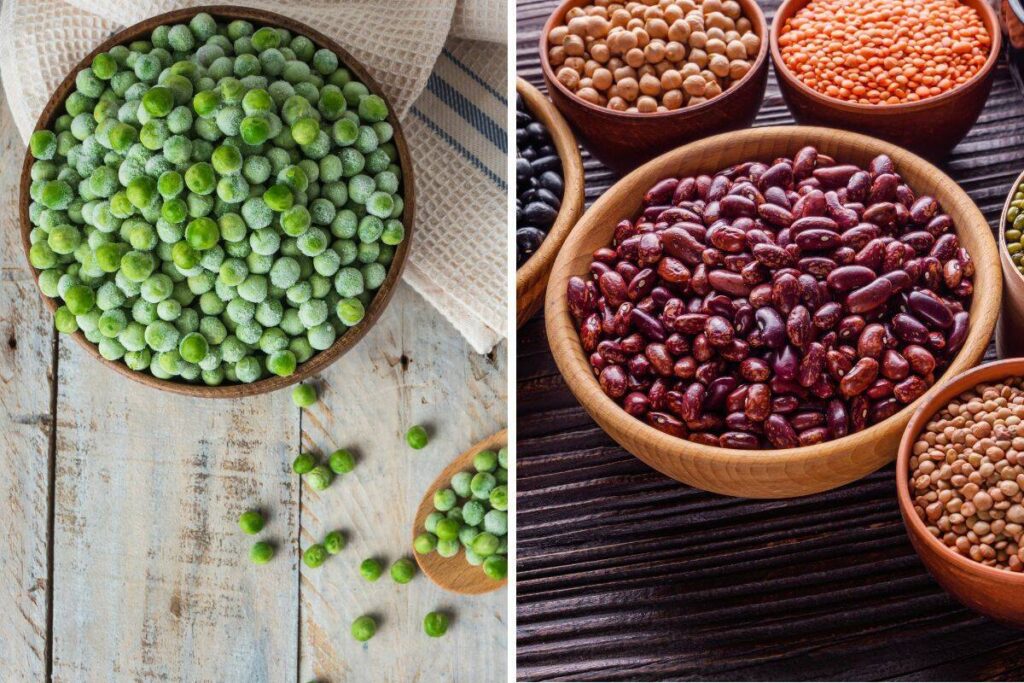
Kenya’s horticulture regulator has issued a stern warning to players in the beans and peas export chain following a sharp rise in produce poaching and side-selling.
The warning comes from the Agriculture and Food Authority’s Horticultural Crops Directorate. It targets a multi-billion shilling value chain that earns the country valuable foreign exchange.
In a regulatory notification dispatched to industry lobby groups, including the Fresh Produce Consortium of Kenya and the Fresh Produce Exporters Association of Kenya, the directorate warned that these practices are threatening produce traceability, food safety and Kenya’s international market credibility.
The circular was issued by AFA-HCD Director Christine Chesaro.
The crackdown follows intensive field investigations conducted by the authority targeting contracted snow peas and sugar snaps farming clusters in Kinangop, Nyandarua County, and Timau, Meru County.
What the Investigations Found
According to AFA-HCD, a multi-stakeholder consultative meeting held with exporters operating in the flashpoint regions on August 27, 2026, exposed deep structural issues fueling the black market.
The probe identified several drivers tempting farmers into side-selling.
These include predatory brokerage, delayed payments, weight variances, lack of transparency in produce accountability and weak enforcement of legal contracts.
Each of these problems creates pressure on farmers. When payment delays drag on for weeks, farmers look for buyers who pay cash on delivery. When weight variances cut into expected earnings, farmers question whether contracts are worth honouring. And when brokers offer instant money at the farm gate, the temptation becomes difficult to resist.
“These practices are contrary to Regulations 22 and 23 of the Crops (Horticultural Crops) Regulations, 2020, which strictly mandate produce traceability and contract farming,” Chesaro stated in the official directive.
Why Traceability Matters for Kenya’s Exports
The regulator warned that ongoing side-marketing puts Kenyan produce at high risk of non-compliance with the National Horticulture Code of Practice and prevailing European and international market entry requirements.
Those requirements demand absolute field-to-fork accountability.
This is where the problem becomes serious for the entire country, not just individual exporters.
European buyers have tightened their traceability requirements in recent years. Every consignment must be traceable back to the specific farm where it was grown, the inputs used and the conditions under which it was handled. If a single consignment contains produce of unknown origin, the entire export programme can be flagged.
When produce is poached or side-sold, it leaves the formal traceability system. It may be mixed with legitimate produce. It may enter the market without the required documentation. And if it fails a laboratory test in Europe, the consequences fall on Kenya as a country, not just on the exporter who shipped it.
That is why the regulator has framed this as a national credibility issue rather than a minor contract dispute.
What Exporters and Associations Have Been Asked to Do
To arrest the situation before it triggers international export sanctions, the directorate has called on the two main industry associations to immediately mobilise industry self-regulation mechanisms.
The export associations have been tasked with sanitising their memberships, rooting out rogue brokers and strictly enforcing contractual obligations between aggregators and local farmers.
This puts responsibility back on the industry itself. The regulator is signaling that it expects the associations to police their own members rather than waiting for government enforcement alone.
AFA-HCD has also indicated it will step up joint industry surveillance partnerships to enforce strict transparency frameworks and protect legitimate exporters from unfair competition.
For honest exporters who invest in training farmers, supplying inputs and maintaining traceability systems, produce poaching is a direct attack on their business. They bear the cost of investment while brokers who have made no investment harvest the returns.
The Pressure on Farmers Behind the Black Market
While the regulator focuses on enforcement, the investigation findings point to deeper problems that will not be solved by warnings alone.
Delayed payments remain one of the most common complaints among contract farmers. A farmer who delivers produce and waits weeks for payment is being asked to finance the exporter’s operation without interest. When a broker arrives with cash, the choice becomes understandable even if it breaches contract.
Weight variances create similar frustration. Farmers deliver what they believe is a certain quantity, only to be told the weight is lower after grading. Without transparent weighing systems that farmers can observe, trust breaks down.
Weak enforcement of legal contracts cuts both ways. If farmers learn that contracts are not enforced when exporters breach them, they are less likely to honour those contracts themselves.
Addressing these root causes will require more than circulars. It will require exporters to pay on time, weigh produce transparently and build the kind of trust that makes farmers want to stay in the formal system.
What This Means for the Beans and Peas Value Chain
The beans and peas in pods export chain is one of Kenya’s most valuable horticultural segments. Snow peas and sugar snaps are grown largely by smallholder farmers in highland areas and are exported mainly to European markets where demand is steady throughout the year.
The sector supports thousands of farming households in Nyandarua, Meru and other growing regions. It also provides employment in grading, packing, cold storage and transport.
If the export market closes due to traceability failures, the impact would be felt far beyond the exporters who lose their contracts. Farmers would lose a reliable market. Workers would lose jobs. And the country would lose foreign exchange earnings.
That is why the regulator is treating produce poaching as an urgent threat rather than a routine enforcement matter.
For farmers, the message is mixed. The crackdown may reduce opportunities to sell outside contracts, but it is also intended to protect the formal system that gives them access to international markets in the first place.
For exporters, the warning is clear. The regulator expects the industry to clean up its act before the problem damages Kenya’s reputation in markets that took years to build.
Original post By: Nancy Nzau
https://farmerstrend.co.ke/trending/beans-and-peas-export-crackdown/https://farmerstrend.co.ke/wp-content/uploads/2026/10/State-Cracks-Down-on-Produce-Poaching-in-Beans-and-Peas-Export-Chain-1024x683.jpghttps://farmerstrend.co.ke/wp-content/uploads/2026/10/State-Cracks-Down-on-Produce-Poaching-in-Beans-and-Peas-Export-Chain-150x150.jpg# TrendingAFA Horticultural Crops Directorate,contract farming Kenya,European market requirements,food safety Kenya,FPC Kenya,FPEAK,horticulture exports Kenya,Kenyan farming news,Kinangop farming,KS1758 horticulture code,produce poaching beans and peas,produce traceability Kenya,side-selling horticulture Kenya,snow peas export Kenya,sugar snaps farming Kenya,Timau Meru farmingAFA Horticultural Crops Directorate warns exporters over rising produce poaching and side-selling in Kenya's beans and peas export chain, threatening traceability and market credibility.Kenya's horticulture regulator has issued a stern warning to players in the beans and peas export chain following a sharp rise in produce poaching and...FarmersTrendjohn doefarmerstrend@gmail.comAdministratorFarmers Trend Ltd.












Leave a Reply