How AI is Transforming Smallholder Farming in Kenya
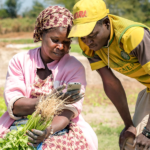
Roseline Akochi, a smallholder farmer in western Kenya, scans her cassava crop with a smartphone, using artificial intelligence (AI) to instantly diagnose plant diseases and pests.

The app, developed by non-profit organization Plant Village, offers real-time solutions to crop health issues, a boon for farmers like Akochi who have long struggled with identifying diseased plants.
“I don’t need to look for someone, everything happens on the farm,” said Akochi, who has been using the app since 2018.
The technology provides resources on sourcing quality seeds, land preparation methods, and access to agricultural specialists.
Akochi reports a significant yield increase since adopting the app. “I used to harvest 5 bags, now I harvest 200,” she said, adding that the increased income has allowed her to pay for her children’s education and build a house.
Experts say Africa requires an annual investment of $77 billion to enhance farming practices, boost yields, and improve agricultural supply chains to address food insecurity.
Smallholder farmers like Akochi, who typically work on less than 2-acre farms, produce 80% of food consumed in Africa. Many lack modern farming expertise and resources.
Climate change has further impacted these farmers, increasing pests, diseases, and irregular weather patterns, often driving them into debt and poverty.
Plant Village has been training farmers and testing their AI applications in Busia, an area identified as food insecure.
“We want to make sure that farmers have solutions,” a Plant Village representative told Reuters.
Researchers across Africa are exploring various solutions, including introducing resilient crops in climate-affected areas and leveraging technology.
Many experts believe AI has great potential due to its accessibility, customization, and affordability. However, barriers to technology adoption, such as lack of smartphone access, persist in Africa.
Farmers like Akochi are now training others and assisting those without smartphones in their communities.
Experts suggest this model, if successful in trial areas, could offer hope for smallholder farmers across the continent.
https://farmerstrend.co.ke/trending/how-ai-is-transforming-smallholder-farming-in-kenya/https://farmerstrend.co.ke/wp-content/uploads/2025/01/FxHIi0BX0AEHI4v.jpghttps://farmerstrend.co.ke/wp-content/uploads/2025/01/FxHIi0BX0AEHI4v-150x150.jpg# TrendingRoseline Akochi, a smallholder farmer in western Kenya, scans her cassava crop with a smartphone, using artificial intelligence (AI) to instantly diagnose plant diseases and pests.The app, developed by non-profit organization Plant Village, offers real-time solutions to crop health issues, a boon for farmers like Akochi who have long...FarmersTrendjohn doefarmerstrend@gmail.comAdministratorFarmers Trend Ltd.





Leave a Reply