Why Site Inspection and Feasibility Studies Are a Prerequisite for Successful Livestock Farming
- Site inspection and feasibility studies for livestock farming help you assess land, water, drainage, market access and costs before you build. Skipping them leads to costly mistakes, poor ventilation, flooding and disease outbreaks.
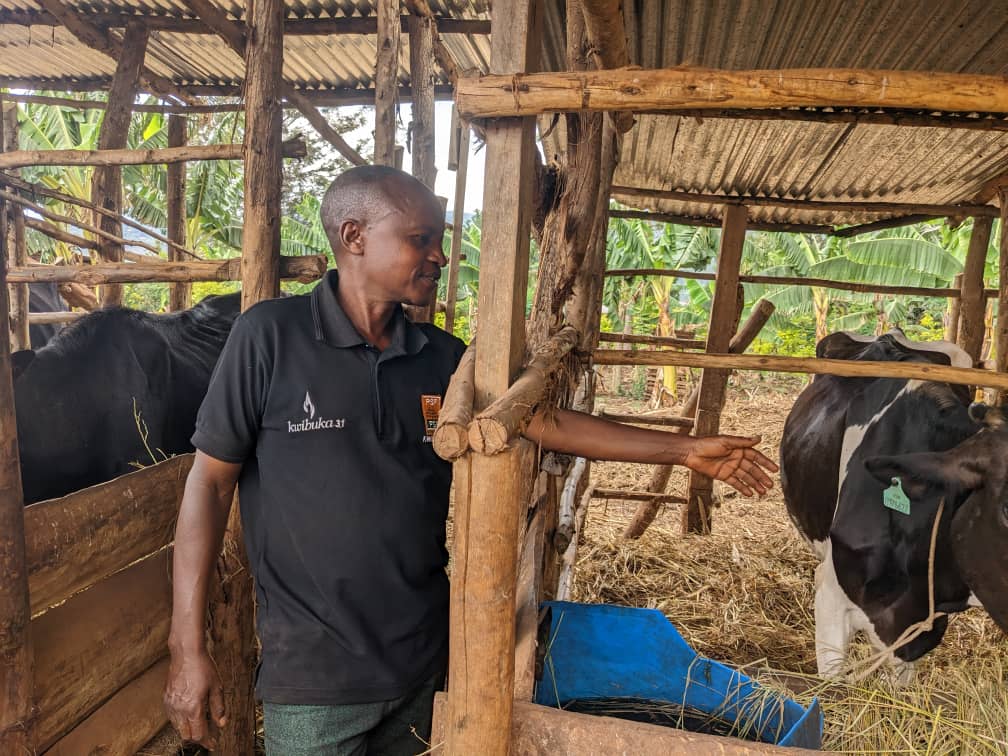
Site Inspection and Feasibility Studies: A Must Before You Start Livestock Farming
Many livestock projects fail before the first animal arrives. The failure is not in the feeding. It is not in the breed. It is not in the market. The failure happens at the planning stage, when the farmer or investor skips the two most important steps: site inspection and feasibility studies.
These are not paperwork exercises. They are the foundation on which the entire enterprise stands. Get them right and you save money, time and heartache. Skip them and you spend the first year fixing problems that should never have existed.
What Site Inspection Involves
Site inspection is the physical examination of the land where you plan to keep livestock. It is not a casual walk around the plot. It is a structured assessment of everything that could affect production.
The first thing to check is the land itself. Is it flat, sloping or uneven? What is the soil like? Is it well drained or does water collect after rain? These questions matter because livestock structures need stable ground. A poultry house built on soft ground will crack. A pigsty built in a low area will flood. A cattle shed built on a slope without proper drainage will turn into mud.
Water is the next consideration. Where will the animals drink from? Is there a reliable source of clean water throughout the year? How far is the water from the planned structures? Can it be pumped or must it be carried? Water is the single most important input in livestock farming. Without it, nothing works.
Accessibility is another factor. How will you get feed in and animals out? Is there a road that can handle a lorry? What happens when it rains? A farm that is inaccessible during the rainy season is a farm that cannot operate for part of the year. That is a cost you cannot afford.
The surrounding environment also matters. What is next to the land? Is there a factory, a market, a river or a neighbour with livestock? Each of these can bring risks. A factory may produce dust or noise. A market may attract pests. A river may flood. A neighbour with livestock may bring disease. These are not reasons to abandon the site. They are reasons to plan around them.
Why Orientation and Dimensions Matter
Once the site has been assessed, the next step is to determine the orientation and dimensions of the structures. This is where many farmers make expensive mistakes.
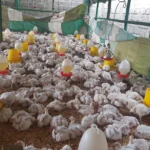
The orientation of a poultry house, for example, affects ventilation. In most parts of East Africa, the long axis of the house should run east to west so that the sun does not shine directly into the house during the hottest part of the day. A house that is oriented the wrong way will overheat. Overheating reduces feed intake, lowers egg production and increases mortality.
The dimensions of the structure must match the number of animals you plan to keep. A poultry house that is too small for the flock will lead to overcrowding. Overcrowding causes stress, spreads disease and reduces performance. A house that is too large wastes space and money.
The same principles apply to pigsties, cattle sheds and fish ponds. Each structure has specific requirements for space, ventilation, drainage and access. Getting these wrong at the design stage means expensive modifications later, or living with a structure that never works properly.
What a Feasibility Study Covers
A feasibility study goes beyond the physical site. It looks at the whole picture of the proposed enterprise.
The first question is the market. Who will buy your eggs, milk, meat or fish? How many buyers are there? What price are they willing to pay? Is demand growing or shrinking? Is there competition from other producers? A livestock enterprise without a market is a hobby, not a business.
The second question is inputs. Where will you get feed? How much does it cost? Is it available throughout the year? What about veterinary services, vaccines and drugs? What about labour? Are there skilled workers available or will you need to train them? Each of these inputs affects the cost of production.
The third question is production costs. How much will it cost to build the structures? How much to buy the animals? How much to feed them? How much to treat them? How much to pay for labour, water, electricity and transport? Add these up and compare them to the expected income. If the numbers do not work, the enterprise will not work.
The fourth question is risk. What are the main risks? Disease. Theft. Price fluctuations. Feed shortages. Weather. Each of these can disrupt production. A feasibility study identifies the risks and suggests ways to manage them. This might include insurance, biosecurity measures, contracts with buyers or diversification.
The fifth question is profitability. Will the enterprise make money? How long will it take to break even? What is the return on investment? These are the questions every investor wants answered. A feasibility study provides the numbers.
Common Mistakes
Several mistakes come up again and again when farmers and investors skip these steps.
Building before thinking is the most common. A farmer sees a good piece of land, buys it and starts building. Only later do they discover that the water table is too high, that the access road floods or that the market is too far away. By then, the money is spent.
Choosing the wrong enterprise is another. A farmer decides to keep pigs because a neighbour is doing well with them. But the neighbour has a different site, different market and different skills. What works for one farmer may not work for another.
Ignoring the climate is another mistake. Some areas are too hot for certain breeds. Some are too cold. Some have seasons that affect feed availability and animal performance. Ignoring these factors leads to poor results.
Underestimating costs is another. Many farmers budget for the animals and the feed but forget about water, electricity, transport, veterinary care and labour. When the bills come in, they are already over budget.
Ignoring the market is perhaps the most serious. Farmers produce what they like, not what the market wants. They end up with eggs no one will buy, milk that spoils before it reaches the market or meat that cannot compete on price.
The Benefits of Doing It Right
When site inspection and feasibility studies are done properly, the benefits are clear.
You avoid costly construction mistakes. You build structures that work the first time. You do not have to knock them down and start again.
You reduce the risk of disease. Proper spacing, drainage and ventilation reduce the conditions that favour disease. Biosecurity measures can be built into the design from the start.
You improve efficiency. Structures that are well designed make feeding, watering, cleaning and collecting products easier. This saves labour and reduces stress on the animals.
You make better decisions. With the numbers in front of you, you can decide whether to proceed, to change the plan or to abandon the idea. This saves money and time.
You attract financing. Banks and investors are more willing to lend to a project that has been properly assessed. A feasibility study shows that you have done your homework.
How to Conduct a Site Inspection
A proper site inspection follows a clear process.
Start with a map. Get a topographical map of the area and mark the boundaries of the land. Note the slope, the direction of water flow and any features such as rivers, roads and buildings.
Walk the land. Do this at different times of day and in different seasons if possible. Look at how the sun moves across the land. Look at where water collects after rain. Look at the condition of the soil.
Test the soil. Take samples and have them analysed for pH, nutrients and drainage. This information will guide decisions about what to build and where.
Check the water. Identify all sources of water. Test the quality. Measure the flow rate. Determine whether it is enough for the planned enterprise.
Assess access. Look at the roads leading to the land. Check whether they are passable in all seasons. Consider how feed, animals and products will be transported.
Talk to neighbours. Ask about the area. What is the rainfall like? Are there problems with flooding, pests or theft? What do other farmers say about the area?
How to Conduct a Feasibility Study
A feasibility study follows a similar structured process.
Define the enterprise. What exactly do you plan to produce? Poultry, pigs, cattle, fish, goats or something else? Be specific.
Research the market. Who will buy your product? What price will they pay? How will you reach them? What is the competition?
List the inputs. What do you need to produce? Feed, water, labour, veterinary services, equipment, transport.
Estimate the costs. Put a number on each input. Include both one-time costs (buildings, equipment) and recurring costs (feed, labour, utilities).
Estimate the income. Based on the market research, calculate how much you expect to earn. Be realistic. Do not assume the highest price or the best yield.
Calculate the profit. Subtract costs from income. If the result is negative, the enterprise is not viable as planned. Adjust the plan or choose a different enterprise.
Identify the risks. What could go wrong? How likely is it? What would the impact be? How will you manage it?
Decide. Based on all the information, decide whether to proceed. If the answer is yes, proceed with confidence. If the answer is no, you have saved yourself a costly mistake.
Site Inspection and Feasibility Study at a Glance
| Stage | What You Are Checking | Why It Matters | What to Do |
|---|---|---|---|
| Land | Slope, soil type, drainage, water table | Structures need stable ground and proper drainage | Walk the land, test the soil, check after rain |
| Water | Source, quality, quantity, distance to structures | Water is the most important input in livestock farming | Identify all sources, test quality, measure flow rate |
| Access | Roads, season passability, distance to market | Feed and animals must move in and out all year | Check roads in wet and dry seasons, plan alternatives |
| Environment | Neighbours, factories, rivers, other farms | Can bring pests, disease, flooding, noise or dust | Talk to neighbours, assess risks, plan around them |
| Orientation | Direction of sun, wind, water flow | Affects ventilation, temperature and animal comfort | Align structures east to west, face away from prevailing winds |
| Dimensions | Space per animal, ventilation, access for labour | Overcrowding causes stress, disease and poor performance | Match structure size to flock or herd size |
| Market | Buyers, prices, demand, competition | No market means no business, only a hobby | Research buyers, visit markets, talk to traders |
| Inputs | Feed, drugs, labour, equipment, transport | Availability and cost determine viability | List all inputs, find reliable suppliers, compare prices |
| Costs | One-time and recurring expenses | Underestimating costs leads to failure | Budget for everything, add a contingency |
| Risks | Disease, theft, price swings, weather | Unmanaged risks can wipe out the enterprise | Identify risks, plan mitigation, consider insurance |
| Profit | Income minus costs, break-even point | Determines whether the enterprise is worth doing | Calculate honestly, be realistic about prices and yields |
Final Word
Site inspection and feasibility studies are not optional extras. They are the foundation of successful livestock farming. They help you choose the right site, design the right structures, select the right enterprise and make the right decisions.
The farmers who succeed are the ones who plan. The ones who fail are often the ones who rush. A few weeks spent on inspection and study can save years of struggle. It is the best investment you can make before you invest in anything else.
https://farmerstrend.co.ke/trending/site-inspection-feasibility-studies-livestock-farming/https://farmerstrend.co.ke/wp-content/uploads/2026/09/Site-Inspection-and-Feasibility-Studies-A-Must-Before-You-Start-Livestock-Farming.jpghttps://farmerstrend.co.ke/wp-content/uploads/2026/09/Site-Inspection-and-Feasibility-Studies-A-Must-Before-You-Start-Livestock-Farming-150x150.jpg# TrendingSite inspection and feasibility studies for livestock farming help you assess land, water, drainage, market access and costs before you build. Skipping them leads to costly mistakes, poor ventilation, flooding and disease outbreaks.Site Inspection and Feasibility Studies: A Must Before You Start Livestock Farming Many livestock projects fail before...FarmersTrendjohn doefarmerstrend@gmail.comAdministratorFarmers Trend Ltd.

Leave a Reply