African Swine Fever Outbreaks Hit Kenyan Pig Farmers as Kiambu Records Heavy Losses
Kenya’s pig farmers are facing renewed losses following African swine fever outbreaks in Kenya, with significant cases reported in Kiambu, Tharaka Nithi, Embu, Busia, Kakamega and Siaya counties.
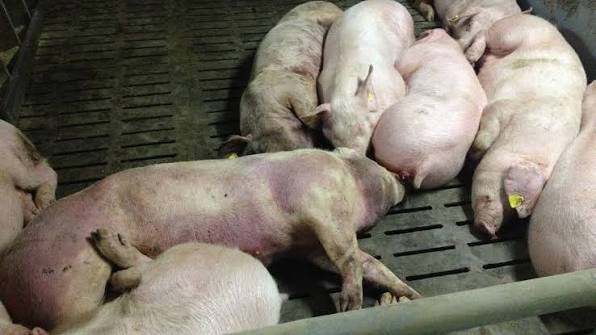
The highly contagious viral disease has caused high pig mortality in affected farms, raising concerns about farmer incomes, livestock production and the future growth of Kenya’s pork industry.
The Directorate of Veterinary Services has intensified surveillance and response measures as the disease continues to circulate. The outbreaks reported during 2025 and the first half of 2026 have highlighted persistent challenges in disease detection, farm biosecurity, animal movement control and laboratory confirmation.
For thousands of Kenyan pig farmers, the renewed outbreaks come at a time when pig production is increasingly becoming an important source of income, particularly for smallholder and peri-urban farmers.
Kiambu emerges as a major hotspot
Kiambu County has recorded some of the most significant losses linked to the latest African swine fever outbreak.
More than 20 farms in Juja, Thika and Ruiru were affected from mid-May, with approximately 1,470 pigs reported sick and or dead. Some farms experienced mortality rates of up to 100 per cent.
The outbreak has exposed the vulnerability of intensive pig production systems, particularly in densely populated areas where farmers operate close to one another and animals, workers, vehicles and equipment frequently move between farms.
For affected farmers, losing a pig herd represents more than the loss of livestock. It can wipe out investments made in breeding stock, housing, feeds, medication and farm infrastructure.
Farmers hesitate to restock
The outbreak has also forced some farmers to postpone restocking.
In Juja, pig farmer Alex Ndung’u said he sold his pigs after learning about the outbreak in May. He has since avoided bringing another herd onto his farm because of concerns about infection.
“I am torn between bringing in a few pigs and waiting because I do not want to risk the outbreak,” he said.
Ndung’u has temporarily shifted his attention to poultry farming while waiting for veterinary authorities to provide clearer guidance on the situation.
His experience reflects the uncertainty facing farmers in affected areas. Restocking too early can expose new animals to infection, while waiting for extended periods can leave farmers without an important source of income.
African swine fever does not infect humans
African swine fever is a serious disease of domestic and wild pigs, but it does not infect humans.
The disease therefore does not pose a direct public health risk to people. However, its economic impact on farmers can be devastating.
There is currently no effective treatment and no commercially available vaccine for the ASF virus strains circulating in Kenya. This makes prevention, early detection and rapid response critical to controlling the disease.
The absence of an effective vaccine also means farmers cannot rely on vaccination as their primary defence.
Farm biosecurity remains the most important protection available to pig producers.
Tharaka Nithi records high mortality
Tharaka Nithi has also experienced a serious outbreak.
An outbreak recorded in January affected 108 pigs and resulted in 97 deaths, representing a mortality rate of nearly 90 per cent.
The high mortality demonstrates how quickly ASF can destroy a herd once the virus enters a farm.
The disease has also been reported in other counties, including Embu, Busia and Kakamega.
In Kakamega, suspected cases in Shinyalu and Ikolomani raised concerns among farmers after pigs began dying in different locations.
County veterinary authorities have urged farmers to strengthen biosecurity and avoid unnecessary movement of pigs between farms, livestock markets and slaughter facilities.
Asymptomatic pigs complicate disease control
One of the most difficult aspects of controlling African swine fever is that infected pigs may not always show obvious signs of disease.
Research conducted along the Kenya-Uganda border found ASF virus in internal tissues of a proportion of apparently healthy pigs.
This creates a significant challenge for farmers and veterinary authorities.
A pig that appears healthy may still present a risk if it is moved from one farm to another or taken to a livestock market.
The risk is particularly important in regions where pigs are frequently traded across county and national borders.
It means farmers cannot rely solely on visual inspection when buying new breeding stock.
Government strengthens surveillance and response
The Directorate of Veterinary Services has directed county veterinary departments to strengthen surveillance and disease-control operations in response to the continued outbreaks.
The measures include increased disease surveillance, stronger farm biosecurity, tighter control of animal movement, rapid response to suspected cases and increased public awareness.
Veterinary teams have also been instructed to intensify inspections at livestock markets, slaughterhouses and other points where pigs are gathered or traded.
Farmers, traders, transporters, slaughterhouse operators, butchers and other stakeholders have been urged to report unusual illness or sudden deaths among pigs immediately.
Early reporting can help veterinary authorities investigate suspected cases before the disease spreads to additional farms.
Poor laboratory confirmation remains a concern
A major weakness highlighted by the recent outbreaks is the limited laboratory confirmation of suspected cases.
Some suspected outbreaks have been identified through clinical signs and epidemiological links without samples being submitted for laboratory testing.
This creates difficulties for disease surveillance and coordinated response.
Laboratory confirmation is important because it allows veterinary authorities to establish whether ASF is present, identify the virus involved and better understand how the disease is spreading.
The situation in Kiambu demonstrates the problem. Despite the large number of pigs reportedly affected, the outbreak had not been officially confirmed through laboratory testing at the time of the surveillance assessment.
Improving diagnostic capacity and ensuring that samples from suspected outbreaks reach laboratories should therefore remain a priority in Kenya’s ASF control programme.
Biosecurity is the farmer’s strongest defence
With no commercially available ASF vaccine, pig farmers must place greater emphasis on biosecurity.
Farmers should limit unnecessary visitors to pig houses and ensure that people entering the units follow appropriate hygiene and disinfection procedures.
Equipment, footwear, vehicles and other materials that come into contact with pigs should be properly cleaned and disinfected.
Farmers should also avoid buying pigs from unknown sources. New animals should come from reputable farms with reliable health records.
Movement of pigs between farms should be carefully controlled, particularly in areas where outbreaks have been reported.
Feeding pigs untreated swill or food waste should also be avoided because contaminated food products can contribute to disease transmission.
Where pigs die unexpectedly, farmers should not transport, sell or dispose of the carcasses without consulting veterinary authorities.
Pig movement can accelerate outbreaks
The movement of infected pigs remains one of the major risks to Kenya’s pig industry.
Farmers may unknowingly purchase infected animals from markets or other farms and introduce them into previously unaffected herds.
Traders and transporters can also inadvertently move the virus between locations through contaminated vehicles, equipment and footwear.
For this reason, farmers in affected counties should exercise particular caution when purchasing replacement stock or moving pigs.
Animal movement permits and veterinary requirements should be followed at all times.
African swine fever threatens the wider pig value chain
The impact of African swine fever extends beyond individual farms.
Kenya’s pig industry supports a wider network of businesses involved in breeding, feed production, veterinary services, transportation, slaughter, meat processing and pork retail.
When farmers lose their herds, the effects move through the entire value chain.
Reduced pig numbers can affect processors and traders, while prolonged uncertainty can discourage farmers from investing in new breeding stock and modern pig housing.
The disease can therefore slow the development of an industry that has significant potential to create rural employment and improve household incomes.
Farmers should report suspected cases immediately
Veterinary authorities are urging farmers to report unusual illness and sudden pig deaths as soon as they occur.
Farmers should not wait until an entire herd becomes sick before seeking veterinary assistance.
Early reporting allows veterinary officers to investigate the farm, collect samples and recommend appropriate containment measures.
Farmers should also avoid selling or moving sick pigs to other farms or markets.
Moving infected animals can transform a farm-level outbreak into a wider regional outbreak.
Kenya needs a stronger long-term ASF strategy
The latest African swine fever outbreaks in Kenya have exposed weaknesses that require a sustained national response.
Kenya needs stronger disease surveillance, faster laboratory confirmation, better farmer education and stricter enforcement of animal movement controls.
There is also a need for continued investment in research aimed at developing an effective vaccine against the ASF strains circulating in the country.
Until such a vaccine becomes commercially available, however, prevention remains the strongest defence.
Farmers must therefore treat biosecurity as an essential part of pig production rather than an emergency measure introduced only when disease appears.
The future of pig farming depends on disease control
African swine fever has demonstrated how quickly a disease outbreak can reverse years of investment in pig farming.
For farmers in Kiambu, Tharaka Nithi, Embu, Busia, Kakamega, Siaya and other affected areas, the immediate priority is protecting the remaining herds and preventing further transmission.
For Kenya’s pig industry, the challenge is broader.
The country must build a stronger disease surveillance and response system that gives farmers confidence to continue investing in pig production.
Better laboratory diagnostics, stronger farm biosecurity, responsible animal movement, effective extension services and continued research will all be necessary.
Without an effective vaccine, prevention remains the country’s best defence.
For farmers waiting to restock, the message is equally clear: do not rush back into production until the disease risk has been properly assessed and the necessary biosecurity measures are in place.
Kenya’s pig industry has considerable potential, but protecting that potential will depend on how effectively the country controls African swine fever and supports farmers facing the economic consequences of outbreaks.
https://farmerstrend.co.ke/trending/african-swine-fever-outbreaks-hit-kenyan/https://farmerstrend.co.ke/wp-content/uploads/2026/08/African-swine-fever-outbreaks-in-Kenya.jpeghttps://farmerstrend.co.ke/wp-content/uploads/2026/08/African-swine-fever-outbreaks-in-Kenya-150x150.jpeg# TrendingDiseasesIn LivestockAfrican swine fever Kenya,African swine fever Kiambu,African swine fever outbreaks in Kenya,African swine fever prevention,African swine fever symptoms,African swine fever vaccine,ASF control measures Kenya,ASF Kenya 2026,ASF outbreak Kiambu,Kenya pig industry,pig disease in Kenya,pig farm biosecurity,pig farmers Kenya,pig farming in Kenya,pig mortality KenyaKenya's pig farmers are facing renewed losses following African swine fever outbreaks in Kenya, with significant cases reported in Kiambu, Tharaka Nithi, Embu, Busia, Kakamega and Siaya counties.The highly contagious viral disease has caused high pig mortality in affected farms, raising concerns about farmer incomes, livestock production and the...FarmersTrendjohn doefarmerstrend@gmail.comAdministratorFarmers Trend Ltd.




Leave a Reply