Oyster Mushrooms Winning Over Kenyan Farmers as Domestic Demand Grows
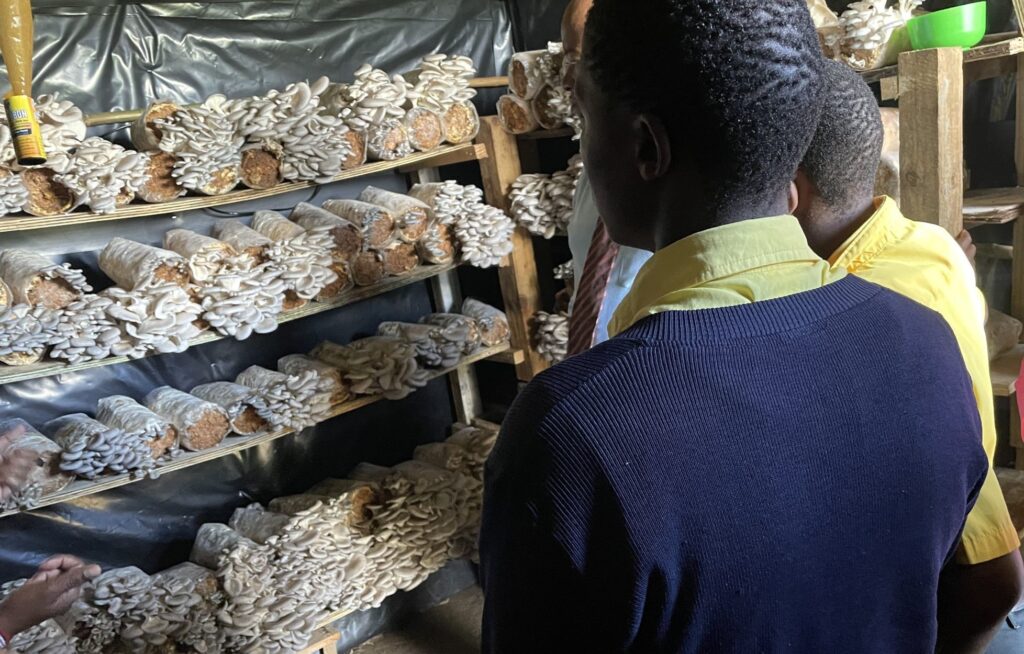
From Nairobi to the central counties, and on to the agricultural areas of the Rift Valley and Western Kenya, an increasing number of farms and cooperatives are dedicating themselves to this production, supported by university programmes and organisations committed to food security and rural development.
The success of oyster mushrooms stems from a combination of factors. On the one hand, there is growing interest among urban consumers in healthier eating; on the other, producers have discovered a crop capable of delivering frequent harvests by utilising agricultural waste materials such as straw, banana leaves, maize cobs and sawdust, transforming them into an economic resource.
A low-cost source of protein
In a country where the cost of meat continues to be a significant item in the household budget, mushrooms are becoming an attractive nutritional alternative.
Although they cannot completely replace animal-based foods, oyster mushrooms are rich in plant-based protein, fibre, B vitamins and minerals such as potassium and phosphorus. They are also very low in fat and calories, a characteristic that makes them popular even amongst those following a balanced diet.
According to Kenyan nutritionists, eating them could help improve the quality of the diet, particularly in urban areas, where the incidence of obesity, diabetes and cardiovascular diseases – linked in part to a diet lacking in variety – is on the rise.
Sustainable agriculture
One of the most interesting aspects of oyster mushroom cultivation is its limited environmental impact.
Unlike many other forms of agricultural production, it does not require large areas of land and consumes relatively small amounts of water. The substrates used are almost always derived from agricultural residues which, instead of being burnt or disposed of, are reused to nourish the growth of the mycelium. At the end of the production cycle, the spent material can be used as organic fertiliser or as livestock feed, in a circular economy model that is also attracting the interest of numerous international cooperation projects.
For this reason, several Kenyan universities are promoting specific courses dedicated to mushroom cultivation, whilst numerous NGOs provide training and starter kits to women’s groups and youth cooperatives.
A growing domestic market
Whilst until a few years ago mushrooms were considered a product intended almost exclusively for hotels, high-end restaurants and expatriates, today the situation is slowly changing.
Major supermarket chains are devoting more and more space to fresh mushrooms, whilst their presence is also growing in city markets and the informal catering sector. The younger generations, particularly in large cities, are showing growing curiosity about ingredients that were once little known, and social media has helped to spread local recipes that use mushrooms as the main ingredient, often as a substitute for meat.
Exports are still struggling to take off
Whilst the domestic market offers encouraging prospects, the path to exporting appears far more complex.
The sector faces logistical challenges, high cold-chain costs and particularly stringent phytosanitary standards required by European and Middle Eastern markets. Added to this is a production sector that remains highly fragmented, largely reliant on small-scale growers who find it difficult to guarantee the volumes and consistency demanded by international importers.
Some companies are experimenting with processing the mushrooms into dried or powdered products – solutions that could reduce transport costs and extend shelf life – but the sector is still in its infancy.
A small, quiet revolution
As has already been the case with avocados, macadamia nuts and aromatic herbs, oyster mushrooms could also represent one of the new building blocks of Kenyan agriculture in the future. Not so much for the sheer volume of exports – at least in the immediate term – but for their ability to supplement the income of rural households, create small businesses and improve the quality of the diet.
It is a quiet revolution, one that does not make the front pages of the national economy but is growing, quite literally, day by day. And perhaps this is precisely why it deserves attention: because it tells the story of a Kenya that is experimenting, innovating and seeking new ways to make the most of its resources, starting with a simple, inexpensive food that is surprisingly rich in potential.











Leave a Reply