Beef Cattle Fattening in Kenya 2026 – The Complete 90-Day Commercial Feedlot Guide
Beef Cattle Fattening in Kenya: The 2026 Commercial 90-Day Feedlot Guide
The demand for quality beef in Kenya is rising faster than local production can keep up. Supermarkets in Nairobi sell prime beef cuts at premium prices. Hotels and restaurants need consistent supply. Butchers report that customers are willing to pay more for tender, well-marbled meat. The gap between demand and supply creates opportunity for farmers who understand feedlot systems.
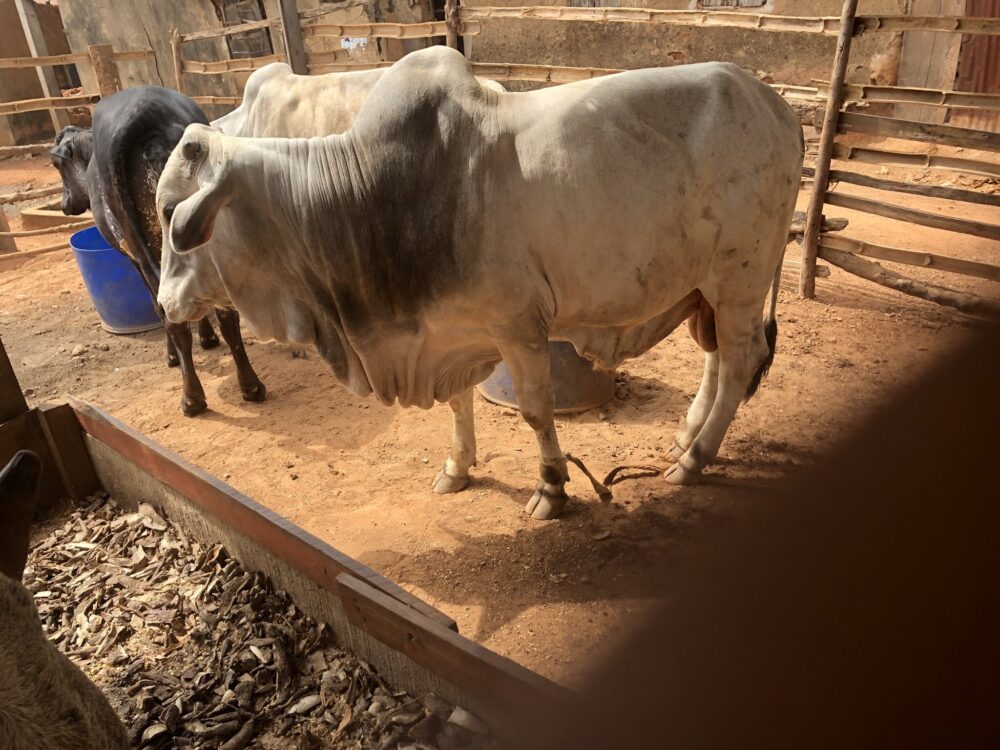
Cattle fattening is not about raising cattle from birth. It is about taking young, healthy steers and adding the final 100 to 150 kilograms of weight in the shortest time possible. A well-managed feedlot turns a 300 kilogram steer into a 430 kilogram finished animal in 90 days. The profit per head reaches 70,000 shillings. The return on investment is high and the cycle is fast.
This guide by Farmers Trend Limited covers everything needed for commercial success in beef cattle fattening in Kenya. You will learn about breed selection, feedlot design, feeding protocols, health management, and financial projections. The information comes from successful feedlot operators and livestock research stations across the country.
The 2026 Protein Gap and Feedlot Economics
Beef cattle fattening in Kenya fills a specific market gap. Traditional pastoral systems produce cattle that are lean and take 24 to 30 months to reach slaughter weight. The feedlot system takes a 2 year old steer and finishes it in 90 days. The resulting meat has consistent marbling and tenderness. Buyers pay premium prices.
The urban population continues to grow. Middle class consumers want quality beef. Hotels and restaurants cannot find enough finished cattle. The Kenya Meat Commission and private abattoirs in Njiru are constantly searching for well-fattened animals. The demand exceeds supply.
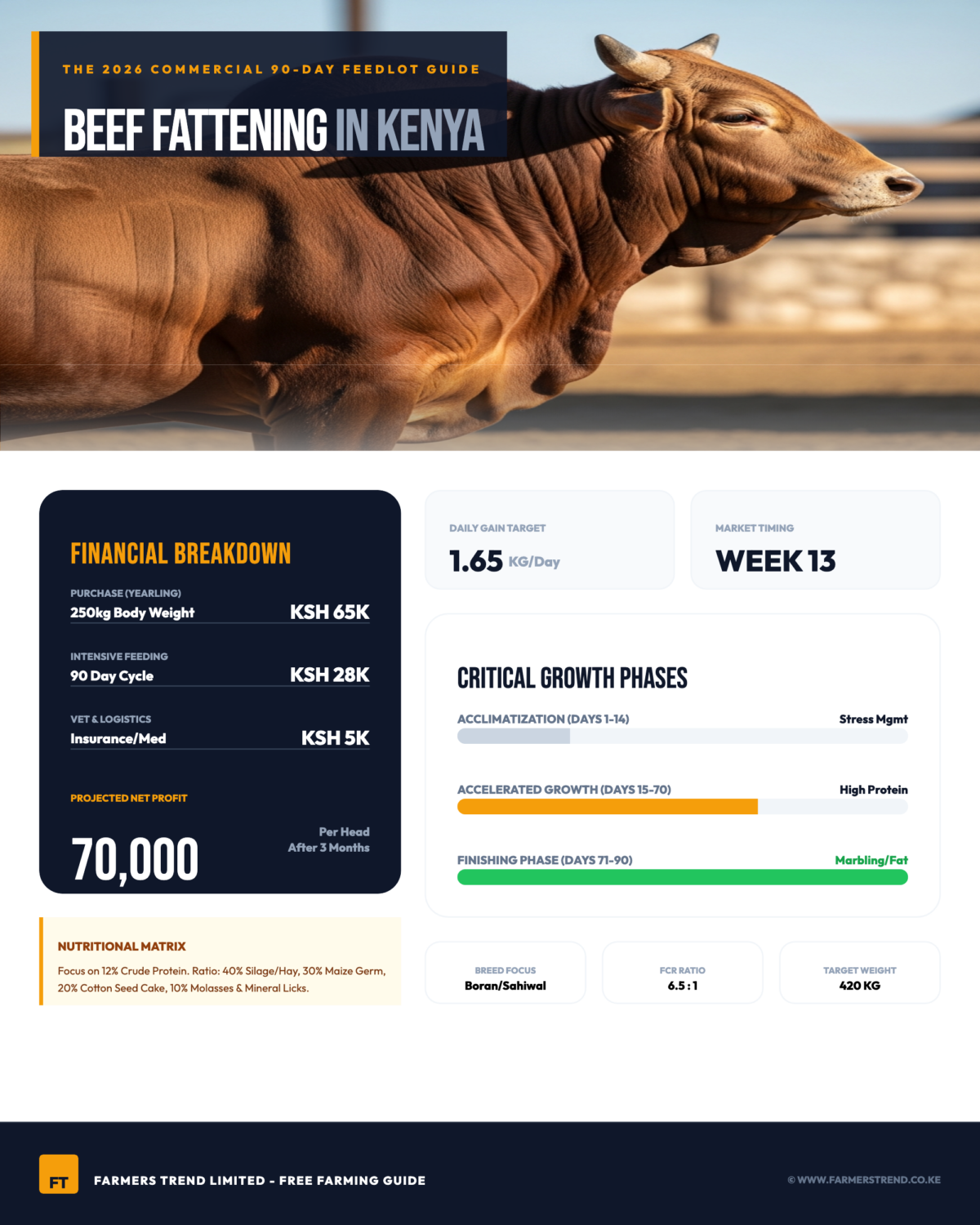
Is beef cattle fattening profitable in Kenya? Yes. A 300 kilogram steer costs 60,000 shillings. Feed for 90 days costs 28,000 shillings. Veterinary and transport add 5,000 shillings. Total investment per head is 93,000 shillings. The finished steer weighs 430 kilograms and sells at 380 shillings per kilogram for live weight. Gross revenue is 163,400 shillings. Net profit per head is 70,400 shillings.
Selection Strategy: The Boran Advantage
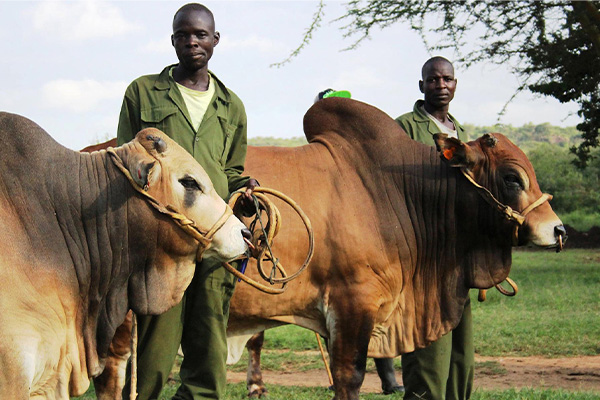
What is the best breed for beef in Kenya? The Boran is the top choice for feedlot systems. This breed has superior feed conversion, meaning it turns feed into muscle efficiently. Boran cattle tolerate heat and drought better than other breeds. They have good marbling potential when finished on grain.
Look for 2 year old Boran steers weighing 300 kilograms. The animals should be healthy with no signs of disease. The frame should be long and deep to hold weight. Avoid steers that are too fat or too thin. The ideal animal has a smooth coat, clear eyes, and a good appetite.
Sourcing quality steers is critical. Farmers Trend Ltd works with trusted breeders to supply Boran steers for feedlot operators.
The 90-Day Nutritional Engineering Protocol on Beef Cattle Fattening in Kenya
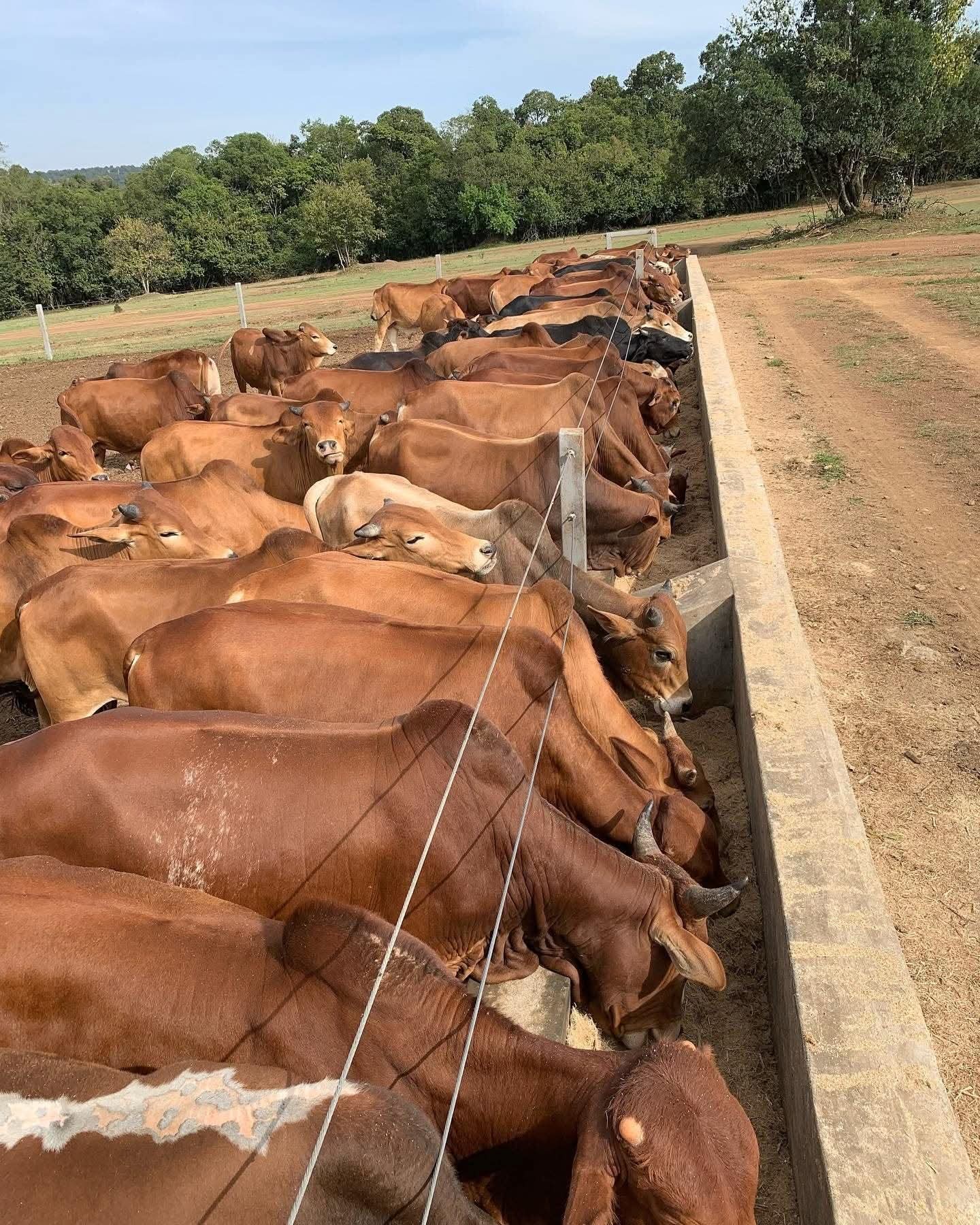
The 90 day feeding program has three distinct phases. Each phase serves a specific purpose. The ration changes to match the animal’s needs.
| Phase | Day Range | Ration Type | Target Daily Gain |
|---|---|---|---|
| Transition | 1-14 | 70% roughage, 30% concentrate | 0.8-1.0 kg |
| Growth | 15-75 | 40% roughage, 60% concentrate | 1.2-1.5 kg |
| Finish | 76-90 | 20% roughage, 80% concentrate | 1.5-1.8 kg |
How much feed per day for a feedlot steer? A 300 kilogram steer eats 3 percent of its body weight in dry matter daily. This is 9 to 10 kilograms per day at the start. As the animal grows to 430 kilograms, feed intake increases to 12 to 13 kilograms per day.
The transition phase allows the rumen to adjust to high concentrate feed. Start with 70 percent roughage (hay, silage, or maize stover) and 30 percent concentrate (maize meal, wheat bran, sunflower cake). Increase the concentrate gradually over the 14 day period.
The growth phase is where most of the weight gain happens. The ration is 40 percent roughage and 60 percent concentrate. Provide the feed in two portions, morning and evening. Ensure clean water is available at all times.
The finish phase adds the final fat cover that creates marbling. The ration is 20 percent roughage and 80 percent concentrate. This high energy ration gives the meat the tenderness and flavor that premium buyers want.

Feedlot Infrastructure and Biosecurity
A feedlot is not a pasture. The animals are confined to a small area to minimize energy loss. Each steer needs 15 square meters of space. A pen measuring 15 meters by 15 meters holds 15 steers.
The floor should be slightly sloped for drainage. Concrete is ideal but compacted murram works. Provide a raised feed trough along one side of the pen. The trough should be 60 centimeters high and 50 centimeters wide. Allow 50 centimeters of trough space per animal.
Water is critical. A steer drinks 30 to 50 liters daily. Provide automatic waterers or large troughs that are cleaned regularly. Place waterers near the feed trough so animals do not have to walk far.
Biosecurity starts at the gate. New animals should be quarantined for 14 days before entering the feedlot. Use footbaths with disinfectant at the entrance. Keep separate equipment for each pen. Clean pens regularly to prevent disease buildup.
Health Protocols and Growth Promotants
Healthy animals gain weight faster. Sick animals lose weight and cost money. A preventive health program is essential.
Deworm all animals upon arrival. Use a broad spectrum dewormer effective against roundworms and tapeworms. Repeat after 30 days.
Vaccinate against Foot and Mouth Disease (FMD) and Lumpy Skin Disease (LSD). These diseases spread quickly in confined spaces. The vaccines cost 200 to 300 shillings per dose. Work with a local veterinarian to schedule vaccinations.
Vitamin supplements reduce stress during the transition phase. Add a vitamin A, D, and E premix to the feed for the first 30 days. These vitamins support immune function and help animals adjust to the new diet.
Observe the animals daily. Check for signs of illness like coughing, nasal discharge, or reduced feed intake. Remove sick animals promptly to prevent spread.
How Many Months for Beef Cattle to Mature
Cattle raised on pasture take 24 to 30 months to reach slaughter weight. The feedlot system compresses the final finish into 90 days. The animal is already 24 months old and weighs 300 kilograms. The feedlot adds the final 130 kilograms in 3 months. The total time from birth to slaughter is 27 months, but the feedlot phase is only 90 days.
Where to Sell Fat Cattle in Kenya
The Kenya Meat Commission (KMC) buys finished cattle from feedlot operators. They pay based on live weight and carcass grade. Choice grade beef earns a 30 percent premium over standard grade.
Private abattoirs in Njiru, Athi River, and Mombasa also buy fat cattle. These buyers often pay higher prices but require consistent quality. Build relationships with several buyers to get the best price.
High-end urban butcheries are another option. These butchers sell premium beef cuts to hotels and wealthy households. They pay premium prices for well finished animals.
| Buyer Type | Price Range (KSh/kg live weight) | Requirements |
|---|---|---|
| Kenya Meat Commission | 350-380 | Consistent quality, grading |
| Private abattoirs | 360-400 | Volume, regular supply |
| Premium butcheries | 380-420 | Prime grade, marbled meat |
2026 Feedlot ROI per Head
Here is the complete financial breakdown for one steer in a 90 day feedlot cycle.
| Item | Cost (KSh) |
|---|---|
| Purchase price (300kg Boran steer) | 60,000 |
| Transition phase feed (14 days) | 4,000 |
| Growth phase feed (60 days) | 18,000 |
| Finish phase feed (16 days) | 6,000 |
| Total feed cost (90 days) | 28,000 |
| Veterinary and deworming | 3,000 |
| Transport and handling | 2,000 |
| Total Investment per Head | 93,000 |
| Item | Revenue (KSh) |
|---|---|
| Finished steer weight (430kg) | 430 |
| Price per kg live weight | 380 KSh |
| Gross Revenue per Head | 163,400 |
| Net Profit per Head | 70,400 |
90-Day Feed Phase Strategy Table
| Phase | Day Range | Ration Type | Daily Feed (kg) | Daily Gain (kg) |
|---|---|---|---|---|
| Transition | 1-14 | 70% roughage, 30% concentrate | 9-10 | 0.8-1.0 |
| Growth | 15-75 | 40% roughage, 60% concentrate | 11-12 | 1.2-1.5 |
| Finish | 76-90 | 20% roughage, 80% concentrate | 12-13 | 1.5-1.8 |
Next Step
Beef cattle fattening in Kenya offers a clear path to profit. A 300 kilogram Boran steer costs 60,000 shillings. Feed for 90 days costs 28,000 shillings. Total investment is 93,000 shillings. The finished steer weighs 430 kilograms and sells at 380 shillings per kilogram for 163,400 shillings. Net profit per head is 70,400 shillings.
The 90 day cycle allows 3 to 4 batches per year. A feedlot with 50 steers per batch generates 3.5 million shillings in annual profit.
Start with sourcing quality Boran steers. Build feedlot pens with raised troughs and automatic waterers. Follow the 90 day feeding protocol. Work with a veterinarian on health management. Sell to KMC or private abattoirs for best prices.
For feedlot construction, Boran steer sourcing, and the 2026 Beef cattle fattening in Kenya PDF guide, contact Farmers Trend Ltd at 0790509684. Virtual Agrovet supplies concentrated feed premixes and dewormers for your feedlot operation.
The farmers making good money from feedlot cattle started where you are now. They learned, they planned, and they did the work. You can do the same. Your beef cattle fattening in Kenya journey starts today. The market is waiting. The returns are real. The time to act is now.
https://farmerstrend.co.ke/livestock-farming/beef-farming/beef-cattle-fattening-in-kenya-2/https://farmerstrend.co.ke/wp-content/uploads/2026/04/Beef-Cattle-Fattening-1024x768.jpeghttps://farmerstrend.co.ke/wp-content/uploads/2026/04/Beef-Cattle-Fattening-150x150.jpegBeef Farming# TrendingLivestock Farming90-day cattle fattening plan,Beef cattle fattening in Kenya PDF,Boran steers for sale,Cattle feed formulation Kenya,Farmers Trend feedlot guide,Feedlot cost per cow Kenya,Profitability of cattle fatteningBeef Cattle Fattening in Kenya: The 2026 Commercial 90-Day Feedlot Guide The demand for quality beef in Kenya is rising faster than local production can keep up. Supermarkets in Nairobi sell prime beef cuts at premium prices. Hotels and restaurants need consistent supply. Butchers report that customers are willing to...FarmersTrendjohn doefarmerstrend@gmail.comAdministratorFarmers Trend Ltd.

Leave a Reply