Pepino Melon Farming in Kenya 2026 – The Complete Profitable Commercial Guide to High-Yield Production
Pepino Melon Farming in Kenya: The 2026 Commercial Guide to High-Yield Production
Pepino melon is one of the most underrated fruits in Kenya. The plant produces sweet, juicy fruits that taste like a cross between a honeydew melon and a cucumber. Health-conscious consumers love pepino for its low sugar content and high vitamin C. Supermarkets in Nairobi stock them when available. Hotels serve them in fruit platters. The demand is growing but the supply remains limited.
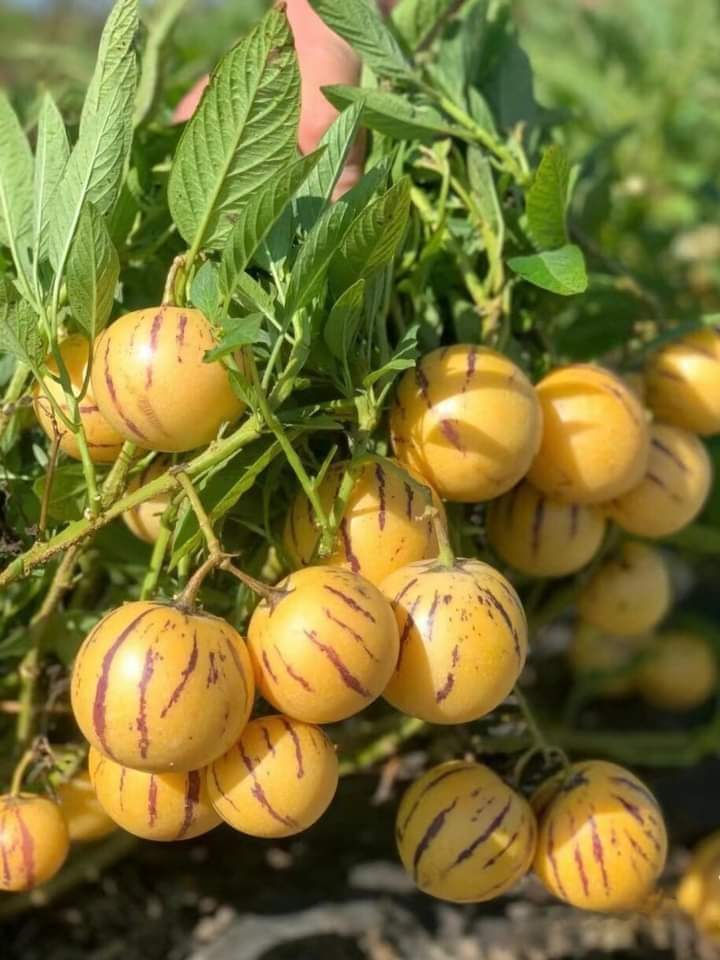
A farmer who plants pepino melon today harvests the first fruits in 5 to 6 months. Each plant produces 30 to 50 fruits annually. With 4,900 plants per acre, the yield potential is enormous. At 100 shillings per kilogram farm gate price, gross revenue reaches 1.5 to 2.5 million shillings per acre. The plant keeps producing for 4.5 years. The investment pays back multiple times.
This guide by Farmers Trend Limited covers everything needed for commercial success in pepino melon farming in Kenya. You will learn about propagation, field establishment, trellising, nutrition, pest control, and financial projections. The information comes from successful growers and horticultural research stations across the country.

The 2026 Market Dynamics for Functional Fruits
Pepino melon farming in Kenya is positioned to benefit from the global shift toward functional foods. Consumers are looking for fruits that taste good and offer health benefits. Pepino melon has antidiabetic and antihypertensive properties, which makes it popular among health-conscious buyers.
The ideal altitude for pepino melon is 1,500 to 3,000 meters above sea level. The highland areas of Kiambu, Murang’a, Nyeri, Meru, and Nakuru provide perfect growing conditions. The plant needs temperatures between 15 and 25 degrees Celsius. It tolerates cooler conditions but cannot handle frost.
Rainfall requirements are 800 to 1,200 millimeters annually. The plant needs consistent moisture but cannot tolerate waterlogged soil. Drip irrigation is essential for commercial production, especially during dry spells.
The profitability of pepino melon farming in Kenya is driven by the health market. Consumers pay premium prices for fruits with functional benefits. A well-managed acre yields 1.5 to 2.5 million shillings in gross revenue. The production costs are moderate. The net margins are high.
Propagation Excellence: The Value of 100 KSh Certified Cuttings
Pepino melon farming in Kenya starts with quality planting material. Farmers Trend nurseries sell certified pepino melon seedlings at 100 shillings each. These cuttings come from selected mother plants with proven yield and fruit quality. The clonal propagation method ensures that every plant produces the same fruit type.
Wild pepino seeds produce variable fruit quality. Some plants give small, sour fruits. Others produce low yields. Cuttings from certified mother plants eliminate this risk. Every plant has the same genetic makeup. The fruit size, flavor, and color are consistent across the field.
The cuttings root quickly when planted in a nursery bed. Use cocopeat or fine sand as a rooting medium. Keep the medium moist but not waterlogged. Roots develop in 14 to 21 days. The young plants are ready for transplanting after 4 to 6 weeks.
One acre requires 4,900 cuttings based on 1 meter by 1 meter spacing. The total seedling cost is 490,000 shillings. This is the largest single expense, but the investment pays back within the first harvest cycle.

Field Establishment and Trellising Engineering
Proper field preparation is essential for high yields. Plough the land to 20 to 25 centimeters depth. Remove all weeds and break clods. Incorporate 10 to 15 tons of well-decomposed manure per acre.
Form raised beds 30 centimeters high. Raised beds improve drainage and prevent root rot. The beds should be 1 meter apart to allow space for trellising and harvesting.
The recommended spacing for pepino melon farming in Kenya is 1 meter by 1 meter. This gives 4,900 plants per acre. Closer spacing increases competition and reduces fruit size. Wider spacing wastes land.
Trellising is mandatory for commercial production. The plant is weak and cannot support the weight of 30 to 50 fruits. Use wooden stakes or metal posts at each row end. Run wires or strings between the posts. Train the main stem upward. Tie the stem loosely to the string every 30 centimeters.
Trellising improves air circulation around the plants. This reduces fungal disease pressure. The fruits stay clean and free from soil contact. Harvesting is easier because the fruits are at waist height.
| Growth Stage | Timeframe | Nutrient Requirement | Expected Outcome |
|---|---|---|---|
| Nursery | 0-6 weeks | Moderate nitrogen, phosphorus | Rooted cuttings |
| Establishment | 6-12 weeks | High phosphorus | Strong root system |
| Vegetative growth | 12-20 weeks | High nitrogen | Vigorous vines |
| Flowering | 20-24 weeks | High potassium, boron | Abundant flowers |
| Fruit development | 24-30 weeks | High potassium | Large, sweet fruits |
Precision Solanaceous Nutrition and Potassium Loading
Pepino melon belongs to the Solanaceae family, which includes tomatoes and peppers. The plant has similar nutritional needs. Nitrogen supports vine growth. Phosphorus develops strong roots. Potassium drives fruit filling and sugar development.
Apply DAP at 100 kilograms per acre during transplanting. Place the fertilizer in the planting hole and cover with soil. Do not let the fertilizer touch the roots directly.
Apply CAN at 50 kilograms per acre at 4 weeks and 8 weeks after transplanting. This boosts vine growth and leaf production.
Potassium is the most critical nutrient for fruit quality. Apply potassium nitrate at 50 kilograms per acre every 2 weeks after flowering begins. Foliar sprays with potassium and boron also improve fruit set and sugar content.
The plant needs consistent moisture for optimal growth. Drip irrigation delivers water and nutrients directly to the root zone. Apply 20 to 25 millimeters of water per week during dry periods.

Integrated Health and Pest Management
Spider mites are the most common pest in pepino melon farming in Kenya. They cluster on the undersides of leaves and suck plant sap. Heavy infestations cause leaf yellowing and drop. Control with neem oil or insecticidal soap. Spray the undersides of leaves thoroughly.
Whiteflies transmit viruses to pepino plants. The insects cluster on new growth. Control with yellow sticky traps. Apply neem oil or insecticidal soap. Remove heavily infested plants.
Aphids attack tender shoots and flower buds. They also transmit viruses. Control with neem oil or insecticidal soap. Encourage natural predators like ladybugs.
Bacterial wilt is the most serious disease. Infected plants wilt and die suddenly. There is no cure. Prevention starts with clean planting material. Use certified cuttings from Farmers Trend nurseries. Avoid planting in fields where tomatoes or potatoes have grown recently.

| Pest/Disease | Damage | Control |
|---|---|---|
| Spider mites | Leaf yellowing, drop | Neem oil, insecticidal soap |
| Whiteflies | Virus transmission | Yellow sticky traps, neem oil |
| Aphids | Shoot damage, viruses | Neem oil, ladybugs |
| Bacterial wilt | Sudden plant death | Certified cuttings, crop rotation |
How Long Does Pepino Melon Take to Grow
The plant flowers 90 days after transplanting. The first fruits appear 2 to 3 weeks after flowering. Full harvest begins 5 to 6 months after transplanting. Each plant produces 30 to 50 fruits over the next 3 to 4 months. The plant remains productive for 4.5 years.
How Many Pepino Melon Plants Per Acre
The high density spacing of 1 meter by 1 meter gives 4,900 plants per acre. Each plant produces 30 to 50 fruits. Each fruit weighs 150 to 250 grams. Total yield per acre reaches 22,000 to 61,000 kilograms annually.
Harvesting, Post-Harvest Care, and 12-Month ROI
Harvest pepino melons when the skin turns yellow with purple stripes. The fruit should be firm but yield slightly to pressure. Fruits harvested too early have low sugar content. Fruits harvested too late bruise easily.

Harvest in the morning when temperatures are cool. Use sharp pruning shears to cut the stem. Leave a 1 centimeter stem attached to the fruit. Place fruits in single layers in ventilated crates.
Store pepino melons at 5 to 10 degrees Celsius with high humidity. Under these conditions, the fruit can be stored for 2 to 3 weeks. The fruit ripens further at room temperature.
Here is a 2026 budget for establishing one acre of pepino melon.
| Cost Item | Quantity | Unit Price | Total |
|---|---|---|---|
| Certified cuttings | 4,900 | 100 KSh | 490,000 KSh |
| Land preparation | 1 acre | 15,000 KSh | 15,000 KSh |
| Manure | 10 tons | 3,000 KSh/ton | 30,000 KSh |
| DAP fertilizer | 100 kg | 130 KSh/kg | 13,000 KSh |
| CAN fertilizer | 100 kg | 90 KSh/kg | 9,000 KSh |
| Potassium nitrate | 50 kg | 200 KSh/kg | 10,000 KSh |
| Drip irrigation system | 1 acre | 60,000 KSh | 60,000 KSh |
| Trellising materials | 1 acre | 40,000 KSh | 40,000 KSh |
| Labor (planting, tying, harvest) | 50 days | 500 KSh/day | 25,000 KSh |
| Pest control materials | 1 acre | 10,000 KSh | 10,000 KSh |
| Total First-Year Investment | 702,000 KSh |
| Year | Yield (kg) | Price/kg | Gross Revenue | Net Profit |
|---|---|---|---|---|
| 1 | 10,000 | 100 | 1,000,000 | 298,000 |
| 2 | 15,000 | 110 | 1,650,000 | 948,000 |
| 3 | 20,000 | 120 | 2,400,000 | 1,698,000 |
| 4 | 20,000 | 120 | 2,400,000 | 1,698,000 |
Next Step
Pepino melon farming in Kenya offers a high return investment for farmers who use quality cuttings and proper management. Certified pepino seedlings from Farmers Trend nurseries cost 100 shillings each. One acre requires 4,900 cuttings at a cost of 490,000 shillings. The first harvest comes at 5 to 6 months. Each plant produces 30 to 50 fruits annually. Farm gate prices range from 100 to 120 shillings per kilogram. Net profit reaches 1.7 million shillings per acre by year 3.
The best planting windows are March to April for the long rains and October to November for the short rains. Prepare the land now. Install drip irrigation and trellising before planting. Order certified cuttings from Farmers Trend Ltd.
For site audits, professional establishment, and the 2026 Pepino melon farming in Kenya PDF guide, contact Farmers Trend Ltd at 0790509684. Certified pepino melon cuttings are available at 100 KSh at the Murang’a and Nairobi nurseries.
The farmers making good money from pepino melon started where you are now. They learned, they planned, and they did the work. You can do the same. Your pepino melon farming in Kenya journey starts today. The market is waiting. The returns are real. The time to act is now.
https://farmerstrend.co.ke/fruits/pepino-melon-farming/pepino-melon-farming-in-kenya/https://farmerstrend.co.ke/wp-content/uploads/2026/04/Pepino-Melon-farming.jpeghttps://farmerstrend.co.ke/wp-content/uploads/2026/04/Pepino-Melon-farming-150x150.jpegPepino melon farming# TrendingBest fertilizer for pepino melon,Farmers Trend pepino cuttings,How profitable is pepino melon farming,Pepino melon farming in Kenya PDF,Pepino melon harvest time,Pepino melon price per kg,Pepino melon seedlings for sale Kenya,Pepino melon spacing 1m x 1m,Pepino melon trellising,Pepino melon yield per acrePepino Melon Farming in Kenya: The 2026 Commercial Guide to High-Yield Production Pepino melon is one of the most underrated fruits in Kenya. The plant produces sweet, juicy fruits that taste like a cross between a honeydew melon and a cucumber. Health-conscious consumers love pepino for its low sugar content...FarmersTrendjohn doe[email protected]AdministratorFarmers Trend Ltd.

I’m in vihiga; western. Where do I get a few seedlings for trial. Haven’t seen the fruit grown this side.
Yes, get pepino melon seedlings via 0790509684