East Coast Fever Treatment in Kenya: The 2026 Authority Guide to Theileriosis in a Cow
Executive Summary: How Do I Treat and Prevent Theileriosis (East Coast Fever) in My Herd?
East Coast Fever (ECF) is a deadly tick-borne disease caused by the parasite Theileria parva. It is transmitted by the brown ear tick (Rhipicephalus appendiculatus). The disease kills approximately 100,000 cattle annually in Kenya. Mortality rates reach 80 percent in exotic breeds if untreated.
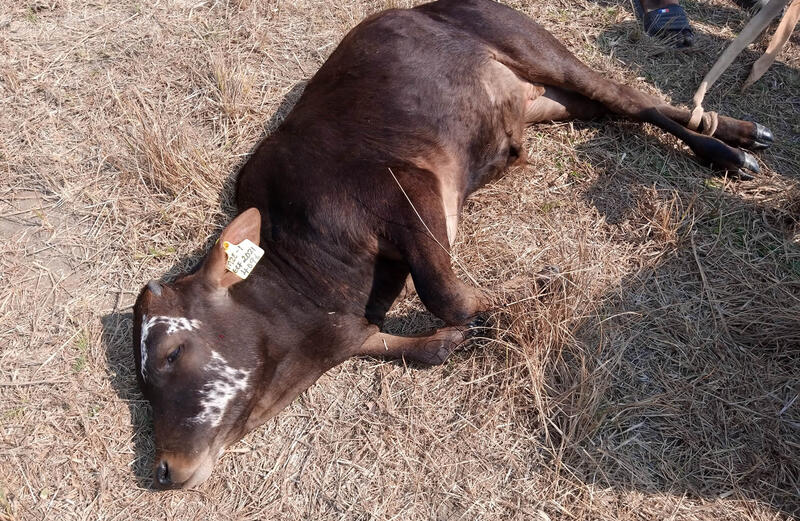
Early treatment with Buparvaquone is the gold standard. It must be given within the first 48 to 72 hours of fever onset.
Prevention combines weekly acaricide spraying with the Infection and Treatment Method (ITM) vaccine. Spraying must focus on ears and tail where ticks hide. The ITM vaccine provides lifelong immunity after a single properly administered dose.
The cost of prevention is significantly lower than the Ksh 15,000 to 30,000 lost per animal to an ECF outbreak.
What Is Theileriosis and Why Is It a Major Threat to Kenyan Dairy?
Theileriosis is commonly known as East Coast Fever (ECF). It is a devastating tick-borne disease affecting cattle in Kenya.
The disease is particularly severe in high-potential dairy zones. It is caused by the tiny parasite Theileria parva. This parasite infects and destroys white blood cells.
When white blood cells are destroyed, the cow’s immune system fails. The cow becomes unable to fight off other infections. Fluid builds up in the lungs. The animal dies if not treated quickly.
The disease is widespread in eastern, central, and southern Africa. Kenya is one of the hardest-hit countries. According to the Kenya Agricultural and Livestock Research Organization (KALRO), ECF kills approximately 100,000 animals annually in Kenya.
Studies in Narok County show that nearly 30 percent of the cattle population is at risk of contracting ECF within their first year of life. This is a serious threat to dairy farmers.
The Parasite and Its Vector
The parasite Theileria parva is transmitted by the brown ear tick. The scientific name for this tick is Rhipicephalus appendiculatus.
This tick feeds primarily on cattle. It has a strong preference for the ears, the tip of the tail, and the underbelly. These are the areas farmers must check carefully.
The tick’s life cycle is closely tied to climatic conditions. Tick populations explode during the rainy seasons. This is when the risk of ECF is highest.
The parasite’s life cycle within the tick involves sexual reproduction. The parasite is then transmitted to cattle during feeding. Once inside the cow, Theileria parva invades lymphocytes.
Lymphocytes are a type of white blood cell. The parasite causes these cells to multiply uncontrollably. This leads to massive swelling of lymph nodes. It also causes immune system breakdown. The breakdown leads to fluid accumulation in the lungs. This is the primary cause of death in acute cases.
Veterinary Expert Tip: “I have visited farms in Murang’a where the farmer had no idea that the tiny ticks on their cow’s ears were transmitting a deadly disease. The brown ear tick is small and easily overlooked. Always check the inside of the ears and the tail tip during your routine inspections, especially during the rainy season.”
Economic Impact on Kenyan Dairy Farmers
The economic losses due to ECF are staggering. The disease directly impacts the livelihood of over 20 million smallholder livestock farmers across 12 African countries. It causes over $300 million in economic losses annually.
In Kenya, the losses are severe. They include mortality, milk drop, treatment costs, and stunted growth.
Mortality is the most obvious loss. Kenya loses 100,000 cattle to ECF every year. Each animal represents a loss of Ksh 15,000 to Ksh 30,000.
Milk drop is another major loss. Surviving animals often suffer a significant drop in milk production. This is due to the stress of the disease. A dairy cow producing 15 liters a day may drop to 5 liters during and after infection. This results in substantial income loss for the farmer.
Treatment costs are high. Buparvaquone costs Ksh 3,000 to Ksh 5,000 per dose. The animal often requires multiple doses. Supportive therapy adds more costs.
Stunted growth affects calves. Calves that survive ECF often fail to thrive. They have reduced mature weight. They also have lower reproductive performance.
Trade restrictions also affect farmers. Theileriosis is a notifiable disease in many countries. This can affect the movement and export of livestock.
The Risk to Exotic vs. Indigenous Breeds
There is a significant difference in susceptibility to ECF between exotic and indigenous cattle breeds.
Exotic breeds (Bos taurus) are highly susceptible to the disease. These include Friesians, Ayrshires, and Jerseys. Mortality rates reach 80 to 100 percent if untreated.
Indigenous breeds like the Zebu (Bos indicus) have a degree of natural resilience. Mortality rates are around 44 percent. This resilience is attributed to a stronger immune response. It is also due to a history of co-evolution with the parasite.
However, smallholder farmers increasingly cross exotic and indigenous breeds. They do this to improve milk production. While these crosses often yield more milk, they also inherit the susceptibility of their exotic parent. This increases the risk of ECF-related losses.
This highlights the critical importance of implementing robust tick control and vaccination programs. Farmers must protect their herds regardless of breed.
How to Identify the Symptoms of ECF in Cattle
Early recognition of ECF symptoms is crucial for successful treatment. Theileriosis attacks the immune system and progresses rapidly.
Clinical signs in infected cattle often appear suddenly. Farmers must be vigilant and watch for these signs.
High Fever
The first sign of ECF is an elevated temperature. The cow’s temperature often exceeds 40 degrees Celsius. This fever is persistent. It does not come and go like some other diseases.
A normal cow temperature is between 38 and 39 degrees Celsius. Anything above 39.5 degrees Celsius is a warning sign. Farmers should take the cow’s temperature daily. Early detection of fever saves lives.
Severe Swelling of Lymph Nodes
The most visible sign of ECF is pronounced swelling of the superficial lymph nodes. The nodes in front of the shoulder (prescapular) and behind the jaw (parotid) are most affected.
These nodes can become large and firm to the touch. They may feel like small tennis balls under the skin. In some cases, they can become as large as a fist.
The swelling is a result of the parasite multiplying inside the white blood cells. This is a hallmark symptom of ECF. Farmers should check their cows’ lymph nodes regularly.
Dullness and Loss of Appetite
Affected cattle become lethargic. They lose their appetite. They isolate themselves from the herd.
A sick cow will often stand apart from other animals. She will not come when called for feeding. She will show little interest in her surroundings.
This dullness is a sign of the body fighting a severe infection. It is a warning that the cow needs immediate attention.
Nasal Discharge
A watery nasal discharge is common as the infection begins. This discharge later becomes thicker and mucus-filled.
The discharge may be clear at first. It then becomes yellow or green. This indicates a secondary infection.
Anemia and Pale Mucous Membranes
The parasite destroys red blood cells. This leads to anemia. The gums, vulva, and inner eyelids become pale or jaundiced.
Healthy cows have pink gums. Anemic cows have pale pink or white gums. This is a serious sign.
Terminal Respiratory Distress
In the final stages, fluid accumulates in the lungs. This is called pulmonary edema. It causes severe difficulty in breathing.
The cow will breathe with its mouth open. It will make labored breathing sounds. Frothy nasal discharge may appear.
This is the final stage of ECF. Once a cow reaches this stage, treatment is often too late.
The Rapid Pathology: How the Parasite Kills
The speed at which Theileria parva kills is one of the most frightening aspects of the disease. The parasite’s life cycle is the key to its lethality.
Once inside the cow, the parasite infects lymphocytes. Lymphocytes are a type of white blood cell. Unlike other diseases that cause a depletion of white blood cells, T. parva causes them to multiply uncontrollably. This creates a leukemia-like state.
This massive growth leads to swelling of the lymph nodes and spleen. The parasite-infected lymphocytes multiply rapidly. They block the lymphatic system. They also cause severe inflammation throughout the body.
The infection also triggers the production of fluids that leak into the lungs. This is the pulmonary edema that causes the terminal respiratory distress. The animal effectively drowns in its own body fluids.
The speed of this progression means that by the time you see severe respiratory distress, it is often too late for treatment. This is why early detection is so important.
Comprehensive Treatment Protocols for Theileriosis
The Curative Solution: Buparvaquone
Buparvaquone is the gold standard curative treatment for East Coast Fever. It is a drug that specifically targets the parasite’s energy metabolism. It kills the parasite rapidly.
The drug is given as an injection into the muscle. It is available from veterinary pharmacies and through licensed veterinarians.
Key Success Factors:
Early administration is critical. The success of Buparvaquone depends entirely on early administration. Field trials and clinical experience show that treatment success rates are drastically higher if the drug is given within the first 48 to 72 hours of the fever onset.
If treatment is delayed until the animal shows severe respiratory distress, the chance of survival drops significantly. Farmers must act fast at the first sign of fever.
The standard dosage is 2.5 mg per kilogram of body weight. This is typically given as a single injection.
For dosage calculation, consider a 300 kg cow. This cow would need 750 mg of Buparvaquone. In Kenya, Buparvaquone is available as a 50 mg per ml solution. The cow would require 15 ml of the solution. Always consult with a veterinarian before administering any treatment.
Veterinary Expert Tip: “In our practice, we always carry Buparvaquone in our mobile vet kits. I have seen cows treated on day one of a fever recover fully. Waiting three days means the cow is often in severe respiratory distress, and the prognosis becomes very poor. The earlier you call a vet, the better the chance of survival.”
Supportive Therapy
In addition to Buparvaquone, supportive therapy is vital to help the animal recover.
Long-Acting Antibiotics: Animals with ECF are highly susceptible to secondary bacterial infections. Pneumonia is particularly common. A long-acting antibiotic like Oxytetracycline is often given to control these secondary infections. This helps prevent the animal from dying from a secondary illness while recovering from ECF.
NSAIDs: These are non-steroidal anti-inflammatory drugs. They are used to reduce fever, pain, and inflammation. Flunixin meglumine or Meloxicam can help the animal feel more comfortable. They also reduce the inflammation in the lungs. This can help ease breathing.
Multivitamins and Rehydration Fluids: Sick animals lose their appetite and can become dehydrated. The use of multivitamins, especially Vitamin B and Vitamin C, helps to support the immune system. Fluid therapy helps to maintain hydration levels. These supportive measures give the animal the strength to fight the disease.
Warning: Avoid Ineffective Remedies
Many farmers attempt to treat the fever with conventional antibiotics. They use penicillin or oxytetracycline alone. They also try traditional remedies. Others simply wait it out.
These treatments are ineffective against the Theileria parasite. Waiting does not allow the cow to “fight it off” on its own. The parasite has a very high mortality rate. 44 percent of indigenous breeds and 80 percent of exotic breeds die if left untreated.
Attempting home remedies can delay effective treatment. This leads to death and the further spread of the disease to other animals. Farmers must seek professional veterinary help at the first sign of ECF.
Vector Control and Tick Management
Preventing ECF is far more cost-effective than treating it. A successful prevention strategy integrates chemical tick control with environmental management and vaccination.
Acaricide Application
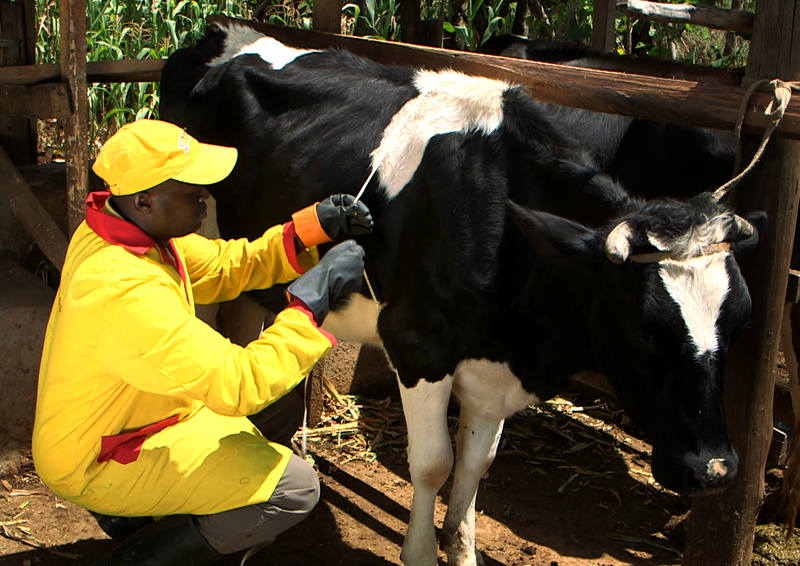
Acaricides are the primary chemical defense against ticks. The goal is to kill the ticks before they can transmit the parasite. The brown ear tick prefers the ears and tail tip. Thorough wetting of these areas is critical.
Weekly Spraying: For high-risk areas, a weekly spraying schedule is recommended. The effectiveness of spraying depends on thorough wetting of the animal. A dry animal means ineffective control.
Pour-Ons, Dips, and Spray Races: Choose the application method that fits your herd size. Spray races are efficient for large herds. Pour-ons are convenient but can be more expensive. Dipping is effective but requires proper maintenance of the dip tank and chemicals.
Focus on the Ears: Brown ear ticks congregate on the ears. Pay extra attention to the inside of the ears and the tip of the tail. Many farmers miss these areas, leaving the ticks to continue feeding.
Tick Resistance: Ticks can develop resistance to acaricides. Rotate acaricide classes to prevent resistance. Use pyrethroids for a period, then switch to organophosphates. Then switch to amidines. Do not use the same chemical all year round.
Pasture Management
Reducing tick habitat in the environment is a crucial non-chemical control strategy.
Strategic Grazing: Practice rotational grazing to break the tick’s life cycle. Ticks that drop off an animal to lay eggs need time to mature. If cattle are not in the same pasture when the larvae emerge, the ticks starve.
Fencing: Fence off bushy areas. These are prime tick habitats. Limiting cattle access to these areas reduces the chance of picking up ticks. Bushy areas provide shade and moisture that ticks need.
Controlled Burning: Controlled burning of pastures and brush during the dry season can destroy tick eggs and larvae. This reduces the tick population for the coming season.
Tick Resistance Management
Ticks are evolving and becoming resistant to common acaricides. To manage this, farmers should rotate acaricide classes. Use a pyrethroid-based spray for one month. Then switch to an organophosphate-based spray for the next month. This prevents the ticks from developing immunity to a single chemical.
Prevention Strategies: ITM (Infection and Treatment Method) Vaccination
The Infection and Treatment Method (ITM) vaccine is the most effective long-term strategy for protecting cattle against ECF. The live vaccine works by infecting the animal with a stable dose of Theileria parva. It simultaneously gives a long-acting tetracycline to control the reaction. This process “trains” the immune system to recognize and fight the parasite without the animal developing fatal disease.
How ITM Works
Live Vaccine: The vaccine contains live, sporozoite-stage parasites. These are the early stage of the parasite before it enters the cells.
Controlled Infection: The vaccine is given with a long-acting tetracycline antibiotic. The antibiotic controls the infection, allowing the animal to develop immunity safely.
Lifelong Immunity: Once the cow has successfully recovered from the controlled infection, it develops lifelong immunity to clinical re-infection. This immunity is durable. It lasts for the life of the animal.
Sourcing ITM Vaccination
Farmers can access certified ITM vaccination services through authorized veterinary networks. In Kenya, the ITM vaccine is available through KALRO and licensed private veterinarians. Farmers should ensure they get the vaccine from a reputable source.
Cost of Prevention vs. Treatment
A single dose of ITM vaccine costs significantly less than treating one animal. When you factor in the cost of Buparvaquone, the cost of milk loss, and the risk of mortality, the ITM vaccine is a very cost-effective investment for a commercial dairy farmer. Vaccination is a one-time expense that protects the animal for life.
Financial Return: Cost of Treatment vs. Cost of Prevention
Managing tick populations is a recurring cost. However, it is significantly lower than the cost of an ECF outbreak. The table below outlines the typical cost of managing tick control compared to the losses associated with an ECF outbreak.
Establishment and Maintenance Costs of Tick Control vs. Treating an ECF Outbreak
| Item | Cost (KES) | Notes |
|---|---|---|
| Control: Spraying (Monthly) | 10,000 | Cost of acaricides and labor |
| Control: Pasture Management | 5,000 | Fencing, burning, grazing management |
| Prevention: ITM Vaccination | 1,500 – 2,000 | One-time cost for lifelong immunity |
| Treatment: Buparvaquone | 3,000 – 5,000 | Per animal, per dose |
| Treatment: Supportive Therapy | 2,000 – 4,000 | Antibiotics, NSAIDs, vitamins |
| Loss: Milk Drop (2 weeks) | 5,000 – 15,000 | Per animal, based on 5L/day drop |
| Loss: Mortality | 15,000 – 30,000 | Per animal, replacement cost |
| Loss: Calf Mortality | 7,000 – 15,000 | Lost future production |
Annual Net Profit: Herd Health vs. Herd Loss
| Scenario | Year 1 | Year 2 | Year 3 | Year 4 | Year 5 |
|---|---|---|---|---|---|
| Herd Health (Prevention) | Profit from Milk + Calves | Profit from Milk + Calves | Profit from Milk + Calves | Profit from Milk + Calves | Profit from Milk + Calves |
| Herd Loss (No Prevention) | Loss of 2-5 cows, Vet bills | Loss of 2-5 cows, Vet bills | Loss of 2-5 cows, Vet bills | Loss of 2-5 cows, Vet bills | Loss of 2-5 cows, Vet bills |
Protecting Your Herd Through Proactive Tick Control
East Coast Fever is a fast-moving, deadly disease that can devastate a dairy herd in days. The parasite Theileria parva attacks the cow’s immune system and kills quickly. However, it is a preventable and treatable disease.
The three pillars of ECF control are clear.
- Weekly, thorough acaricide application is essential. This kills the brown ear tick vector. Spraying must focus on the ears and tail tip.
- Pasture management reduces tick habitats. This includes fencing off bushy areas and practicing rotational grazing.
- Vaccination with the ITM vaccine provides lifelong immunity. This is the most effective long-term strategy.
Do not wait for the disease to strike before you act. By the time you see an animal in severe distress, it may be too late for treatment. A proactive strategy is always cheaper and more effective than a crisis reaction.
Prevention is not just good animal husbandry. It is the best financial decision you can make for your farm. Protecting your herd against ECF protects your income and your livelihood.
https://farmerstrend.co.ke/trending/east-coast-fever-treatment-in-kenya/https://farmerstrend.co.ke/wp-content/uploads/2026/06/East-Coast-Fever-Treatment-in-Kenya-2026.pnghttps://farmerstrend.co.ke/wp-content/uploads/2026/06/East-Coast-Fever-Treatment-in-Kenya-2026-150x150.png# TrendingDiseasesIn Livestockacaricide resistance ticks,acaricide spray for ticks,brown ear tick control cattle,Buparvaquone dosage cattle,Buparvaquone for ECF,cattle fever treatment,cattle lymph node swelling,dairy cow diseases Kenya,East Coast Fever diagnosis,East Coast Fever symptoms cattle,East Coast Fever treatment in Kenya,ECF economic losses Kenya,ECF vaccination Kenya,ITM vaccine for cattle,livestock tick control,long-acting antibiotics cattle,pulmonary edema cattle,rotational grazing tick control,supportive therapy for ECF,Theileria parva cattle,Theileriosis in a cow,Theileriosis prevention,Theileriosis treatment Kenya,tick management in dairy farms,tick-borne diseases cattle KenyaExecutive Summary: How Do I Treat and Prevent Theileriosis (East Coast Fever) in My Herd? East Coast Fever (ECF) is a deadly tick-borne disease caused by the parasite Theileria parva. It is transmitted by the brown ear tick (Rhipicephalus appendiculatus). The disease kills approximately 100,000 cattle annually in Kenya. Mortality...FarmersTrendjohn doefarmerstrend@gmail.comAdministratorFarmers Trend Ltd.


Leave a Reply