Care and Management of Pregnant and Lactating Goats
Pregnancy and lactation are the two most sensitive stages in a goat’s life. How well you care for the doe during these periods determines not only her survival but also the strength and growth of her kids. A little care and attention at this stage can prevent big losses later.

Once a doe is confirmed pregnant, she needs more than just feed, she needs comfort, good housing, and quiet surroundings. Stress can cause abortion or weak kids at birth. Keep pregnant goats in a clean, dry, and well ventilated pen, free from overcrowding and aggressive animals. Avoid long walks, rough handling, and sudden changes in diet.
Feeding the pregnant doe
A pregnant goat eats not only for herself but also for the growing kids inside her. In early pregnancy, normal feeding may be enough, but from the third month onward, she needs extra nutrients. Add protein rich feeds like groundnut haulms, cassava leaves (properly processed), or legume forages to her diet. Also, include energy sources such as maize bran or cassava peels to keep her strong.
Mineral supplements and salt licks should always be available. Deficiencies, especially of calcium or phosphorus, can cause weak bones and low milk yield after kidding. Clean water must be accessible at all times.
Close to kidding time, watch for signs such as restlessness, swollen udder, and a relaxed pelvic area. Prepare a clean, dry space for delivery. When kidding starts, avoid crowding around the doe, she needs space and calm. Most goats kid without help, but in difficult cases, call a veterinarian immediately.
After kidding, the doe should be offered warm water mixed with a little glucose to help her recover energy. She should also be encouraged to lick her kids dry, this helps bonding and stimulates milk let-down.
Now begins another critical phase, lactation. A lactating goat’s feed should be rich in energy and protein to sustain milk production. Provide enough concentrates and green fodder. Feeds like cassava leaves, cowpea haulms, or formulated rations can make a huge difference in milk yield and quality. Don’t forget water, milk is mostly water, and a lactating goats need plenty of it daily.
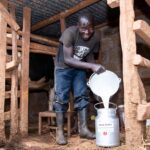
Milking should be done gently and consistently at the same time each day. Keep milking equipment and the pen clean to prevent mastitis (infection of the udder). Monitor the doe’s body condition; she should not lose too much weight during lactation, as that affects her next breeding cycle.
In short, the secret to raising healthy kids and productive does is care and consistency. A well-fed, well-managed doe will give stronger kids, produce more milk, and return to heat quickly after weaning. Neglect during pregnancy or lactation always shows up later, in weak kids, poor fertility, or reduced milk.
Article Credit:
Livestock Production & Animal Health Consultant | Pig & Ruminant Expert
Follow him on LinkedIn HERE











Leave a Reply