Safe Farming 2026: The Ultimate Guide to Spotting Fake Seeds and Using Digital Agrovets in Kenya
Fake Seeds Kenya: 2026 Guide to Spot Counterfeits & Use Digital Agrovets
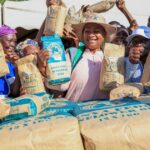
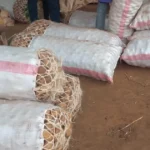
The 2025 season was brutal for Kenyan farmers who trusted the wrong sellers. Police in Kakamega impounded 196 bags of fake fertilizer and 396 kilograms of counterfeit maize seedlings from a single operation in Mumias East. The suspects had repackaging machines, empty sacks, and a lorry ready to distribute poison to unsuspecting farmers. Similar seizures happened in Molo, Kuresoi, and Kisii. Buying seeds from an unverified roadside dealer is like asking a hyena to guard your goats. You will end up with nothing but bones.

The numbers tell a terrifying story. The Anti-Counterfeit Authority Consumer-Level Survey Report 2025 reveals that pesticides, insecticides, and herbicides top the list at 89.16 percent of reported counterfeits. Fertilizers and soil conditioners follow at 54.29 percent. Seeds sit at 45.6 percent. Nearly half the seeds in some markets could be fake. Your shamba cannot survive those odds. Fake seeds Kenya problem is real and growing.
The Counterfeit Crisis of 2026
The informal sector in Kenya accounts for 60 to 70 percent of most seeds planted by farmers across the country. These seeds are usually uncertified. They deny you the chance to maximize yields. Western Kenya and the Rift Valley regions are hardest hit. These areas form the bulk of Kenya’s breadbasket. Fake inputs here threaten national food security.
KEPHIS Managing Director Esther Kimani warned that all seeds below 10 kilograms now carry scratch-off sticker labels. This system exists because criminals keep innovating. In 2024, KEPHIS held stakeholder meetings with Agriseedco, Bayer, and Kenya Seed Company to address the rise in fake seeds. The conclusion was clear. Farmers need simple tools to verify what they buy.
The cost of fake inputs goes beyond wasted money. Alliance for a Green Revolution reports that farmers using certified seeds have doubled their yields from two million to four million metric tonnes of cereals, soya beans, and groundnuts. In monetary terms, this translates to KES 220 billion in incomes for smallholder farmers. Fake seeds Kenya steals this potential from you.
How to Verify Seeds via SMS: The 1393 System
KEPHIS launched a text-based service to help you detect fake seeds instantly. This is your first line of defense against fake seeds Kenya. Here is the step-by-step guide you must follow before any seed hits your soil.
First, look for the KEPHIS sticker label on the seed package. This label is your proof that the product should be certified. If the package lacks this sticker, walk away immediately.
Second, scratch the sticker label to reveal the code underneath. The code is hidden beneath a scratch-off coating. Scratch gently to expose the full number.
Third, send the code via SMS to 1393. The service is free of charge. You do not need credit to protect your investment.
Fourth, wait for the reply message from KEPHIS. The message will contain the type of seed, the species, the variety, the HP class, and the testing date. If you receive this information, your seed is genuine.
If you do not get the company and seed details, the seeds are fake. Report this immediately to the nearest KEPHIS office. The reply message also provides a number to call for reporting. Use it. You protect yourself and your neighbors.
KEPHIS Chairman Hon. Joseph M’eruaki emphasized this message to farmers at Michimikuru Market in Tigania East. Seed is the most important input in crop production. High-quality seeds enable you to boost productivity, improve livelihoods, and feed a growing population. Do not skip this step. Fake seeds Kenya dies when you verify.
Digital Agrovet Platforms: Your Safe Haven
Physical agrovets face challenges. They struggle with inventory management, counterfeit products, and limited customer reach. Digital platforms solve these problems. They offer you verified products, transparent pricing, and expert advice without leaving your home.
Farmers Trend Virtual Agrovet
This platform represents a revolutionary approach to agricultural supply in Kenya. As the country’s premier multivendor online agrovet, it transforms how farmers access quality inputs. Located at the Arch Business Plaza along Eastern Bypass in Ruiru, the platform serves farmers across all 47 counties.
The multivendor marketplace model ensures competitive pricing and product variety. No single physical store can match this range. The platform verifies all vendors and products, significantly reducing the risk of counterfeit inputs. Each product includes manufacturer details, certification information, and batch numbers where applicable.
The platform integrates expert agricultural advice with product sales. When you browse the virtual shelves, you access curated solutions with detailed usage guidelines, application rates, and compatibility information. This educational approach ensures you use inputs correctly, maximizing your investment and crop yields.
Payment options include M-Pesa, bank transfers, and credit or debit cards. Secure payment processing protects both buyers and sellers. Farmers can read reviews from other users, ask questions, and share experiences. This creates a community of practice that enhances learning and informed decision-making.
DigiFarm and iProcure
DigiFarm, accessed via *944# on your phone, offers a digital loan product designed for smallholder farmers. Sidian Bank provides this input credit product. You access affordable credit for seeds, fertilizer, and services like insurance and soil testing. The loan repays after harvest with flexible terms tailored to specific value chains.
The system requires a 17.5 percent down payment via M-Pesa. You redeem inputs at approved agrovets and service providers listed on the DigiFarm platform. These vendors are vetted. They meet quality standards. You avoid roadside sellers.
DigiFarm uses your M-Pesa records and farm data to build a credit score. This score determines your loan limit. For maize, repayment terms extend to 180 days, aligned with your crop cycle. Bundled insurance from ACRE Africa covers weather risks, pests, and diseases. Your investment stays protected.
iProcure operates a similar distribution network across Kenya. They use data to track seed and fertilizer origin. Their system ensures you receive genuine products from known supply chains. This helps eliminate fake seeds Kenya from the market.
Blockchain: The 2026 Invisible Guard
Blockchain sounds technical, but the concept is simple. Think of it as a digital ledger that cannot be erased. Each bag of fertilizer receives a digital fingerprint. You can track this bag from the factory in Mombasa to your farm in Eldoret.
The Kenyan government is implementing blockchain-based tracking of fertilizer distribution to ensure transparency and prevent diversion. Principal Secretary Dr. Kipronoh Ronoh Paul inspected these systems during visits to Kitale NCPB depot and Kenya Seed Company in Trans Nzoia. The upgraded e-voucher system and blockchain tracking represent a new era of accountability.
In Uasin Gishu County, innovators are developing decentralized supply chain tracking on blockchain. This system creates immutable records that build trust across the value chain. Farmers gain access to transparent supply chains. International buyers demand this traceability for quality-assured crops.
You do not need to understand blockchain technology. You only need to know that products with blockchain tracking come with a guarantee. They cannot be faked without breaking the digital chain. Ask your agrovet if they participate in these tracking systems. This technology fights fake seeds Kenya at the source.
Profit Calculator: Cheap Seeds vs Certified Seeds
Let us run the numbers for one acre of maize.
Cheap, uncertified seeds cost approximately KES 1,500 per 2-kilogram packet. You need about 10 kilograms per acre. Your seed cost is KES 7,500. Your yield expectation? With fake seeds, you might harvest nothing. You might harvest 5 bags if you are lucky. At KES 4,000 per bag, your revenue is KES 20,000. Your loss on seeds alone is devastating when you factor in land preparation, fertilizer, and labor.
Certified seeds cost approximately KES 3,500 per 2-kilogram packet. Your seed cost is KES 17,500. Your yield expectation from a drought-tolerant hybrid like DH04 is 24 bags per acre. At KES 4,000 per bag, your revenue is KES 96,000. Subtract your seed cost and other inputs. Your profit remains substantial.
The difference is not subtle. Certified seeds return over four times your seed investment. Cheap seeds return nothing. The KES 10,000 you save on fake seeds costs you KES 80,000 in lost revenue. This is false economy. Fake seeds Kenya is the most expensive bargain you will ever buy.
Planting Calendar for 2026
Based on meteorological data and input distribution schedules, here are your planting windows.
For long rains maize in Rift Valley and Western regions, plant between mid-March and mid-April. The government has distributed over 130,000 bags of subsidized fertilizer through NCPB depots. Kitale, Eldoret, and Moisbridge depots are stocked. Register with your local cooperative to access these inputs early.
For tomatoes in open fields, plant in February for April to May harvests. For greenhouse tomatoes, you can plant year-round, but avoid the coldest months if your greenhouse lacks heating.
For onions, plant in March for August harvests. Onions require a full sun location with good soil drainage. Soil pH should sit between 6.5 and 7.0. Acidic or alkaline soil causes slow growth and late maturity.
For capsicum, plant in February for June harvests when prices peak. Colored bell peppers need warm conditions and consistent watering.
Which is the best fertilizer for onions in Kenya?
Onions are heavy feeders. They require consistent nitrogen to produce big solid bulbs. At planting time, prepare the soil with compost and work in a granular high-nitrogen fertilizer. As plants grow, supplement feed every few weeks with a high-nitrogen liquid fertilizer such as fish emulsion. Apply all fertilizers at suggested rates. When the ground starts to crack as onions push the soil away, stop fertilizing. Do not heap soil around bulbing onions. The bulb should remain above ground as it matures.
How do I know if my maize seed is genuine?
Scratch the KEPHIS sticker on the package. Send the revealed code to 1393 via SMS. Wait for the reply message confirming the seed type, species, variety, and testing date. If you receive no details or the message fails, report to KEPHIS immediately. Do not plant the seeds. Genuine maize seeds from Kenya Seed Company and other certified producers carry this label. Fake seeds either lack the label or carry fake codes that will not verify. This is your defense against fake seeds Kenya.
Where can I find an agrovet with M-Pesa payment in Nairobi?
Farmers Trend Virtual Agrovet serves Nairobi and all 47 counties with M-Pesa payment options. For physical locations, DigiFarm lists approved agrovets in Nairobi where you redeem inputs using your digital loan. The platform ensures these vendors accept M-Pesa and offer verified products. You can also visit the NCPB depot in Nairobi for subsidized fertilizer with M-Pesa payment.
Top 10 Trusted Agrovets by Region
Based on verified customer reviews on the Farmers Trend platform, here are reliable sources for genuine inputs.
Nairobi Region
Farmers Trend Virtual Agrovet, Arch Business Plaza, Ruiru along Eastern Bypass. They offer nationwide delivery and M-Pesa payment.
Central Region
Kenya Seed Company agents in Nyeri and Murang’a. These agents receive direct supply from the manufacturer.
Rift Valley Region
NCPB depots in Kitale, Eldoret, and Moisbridge. These government depots receive subsidized fertilizer directly from suppliers with blockchain tracking.
Western Region
Agricultural Development Corporation outlets in Kakamega and Bungoma. These offer certified seeds and government-subsidized inputs.
Coast Region
KALRO offices in Mtwapa and Kilifi. These provide certified seeds adapted to coastal conditions.
Eastern Region
Dryland Seed Company agents in Machakos and Makueni. They specialize in drought-tolerant varieties.
Nyanza Region
Kenya Seed Company stockists in Kisumu and Homabay. Look for the KEPHIS sticker on all products.
North Rift
Cooperative societies in Uasin Gishu and Trans Nzoia registered with the e-voucher system. These cooperatives receive direct allocations from the government supply chain.
Upper Eastern
Michimikuru Market in Tigania East and other KEPHIS-endorsed outlets. KEPHIS Chairman personally addressed farmers here on seed quality.
All Regions
Farmers Trend Virtual Agrovet online platform. This serves farmers regardless of location with verified vendors.
The Cost of Negligence
A single mistake costs you an entire season. You lose your investment. You lose your harvest. You lose the school fees you hoped to pay. The government is working to protect you. Over 130,000 bags of subsidized fertilizer have reached farmers through enhanced distribution networks. The e-voucher system and blockchain tracking are improving. But you must do your part.
KEPHIS is training private seed inspectors to complement their efforts. Nineteen representatives from Kenya Seed Company, Pioneer Hybrid, Dryland Seed, East Africa Seed, and Agricultural Development Corporation underwent training. They are authorized to enhance efficiency in seed certification. This helps, but it does not replace your vigilance.
The most counterfeited products are pesticides at 89.16 percent, fertilizers at 54.29 percent, and seeds at 45.6 percent. These are your essential inputs. You cannot afford to guess. Fake seeds Kenya targets your wallet and your harvest.
Your Next Step
Will you risk your entire season on a cheap bag of seeds? The choice sits before you every time you visit an agrovet. One path leads to 24 bags per acre and school fees paid. The other leads to empty bins and regret.
Here is your action plan for 2026.
First, download the KEPHIS code verification process to your memory. Scratch. Send to 1393. Wait for confirmation. This takes two minutes. It saves six months of work.
Second, register with DigiFarm via *944#. Build your credit score. Access vetted agrovets. Get insurance for your crops.
Third, visit Farmers Trend Virtual Agrovet online. Browse verified products. Read reviews from other farmers. Compare prices. Order with M-Pesa.
Fourth, join a cooperative in your area. The government is expanding distribution through cooperative societies, particularly in remote farming communities. This cooperative-led model includes mobile distribution units and village aggregation centers. You benefit from bulk prices and guaranteed authenticity.
Fifth, when you see a deal that seems too good, walk away. Fake sellers thrive on your desire to save. They know you want bei poa. But the lowest price often costs the most. A bag of DAP selling for half the market rate is not a bargain. It is a trap.
The 2026 season can be your best yet. The technology exists to protect you. The systems exist to verify your inputs. The platforms exist to connect you with honest sellers. You only need to use them.
What is your next step?
https://farmerstrend.co.ke/trending/guide-to-spotting-fake-seeds-2026/https://farmerstrend.co.ke/wp-content/uploads/2026/02/Counterfeit-Seeds-2-696x313-1.jpghttps://farmerstrend.co.ke/wp-content/uploads/2026/02/Counterfeit-Seeds-2-696x313-1-150x150.jpg# TrendingFake Seeds Kenya: 2026 Guide to Spot Counterfeits & Use Digital Agrovets The 2025 season was brutal for Kenyan farmers who trusted the wrong sellers. Police in Kakamega impounded 196 bags of fake fertilizer and 396 kilograms of counterfeit maize seedlings from a single operation in Mumias East. The suspects...FarmersTrendjohn doefarmerstrend@gmail.comAdministratorFarmers Trend Ltd.




Leave a Reply