Kenyan Avocado Export Regulations: A Complete 2026 Guide to AFA and KEPHIS Requirements
Kenyan avocado export regulations form a comprehensive framework that ensures quality and safety for international markets. While navigating these requirements through the Agriculture and Food Authority and the Kenya Plant Health Inspectorate Service may seem complex initially, understanding the process systematically transforms potential challenges into manageable steps. This guide provides detailed information about Kenyan avocado export regulations, breaking down each phase from farm registration to final shipment clearance.

The Kenyan avocado industry has grown significantly in recent years, with exports increasing by nearly 300% over the past decade. This growth reflects both international demand for Kenyan avocados and the effectiveness of the regulatory systems that maintain quality standards. By following the established procedures, exporters can access markets in Europe, the Middle East, Asia, and other regions with confidence that their products meet all necessary requirements.
Phase 1: Registration and Licensing
Before beginning any avocado export operations, businesses must complete several essential registration processes with Kenyan regulatory authorities.
AFA Horticultural Crops Directorate Registration
The Agriculture and Food Authority Horticultural Crops Directorate serves as the primary regulator for avocado exports. To obtain an export license, applicants must submit detailed documentation including business registration certificates, tax compliance records, and proof of operational capacity. The AFA conducts physical inspections of packhouse facilities and cold storage units to verify they meet the required standards for handling export-grade produce. These inspections typically evaluate sanitation protocols, temperature control systems, and general facility maintenance.
Registration with the AFA represents the first formal step in complying with Kenyan avocado export regulations. The license issued requires annual renewal and may be subject to periodic audits to ensure continued compliance with evolving standards and practices.
KEPHIS Farm and Packhouse Registration
Concurrent with AFA registration, exporters must register their production facilities with the Kenya Plant Health Inspectorate Service through the Integrated Export Import Certification System. This digital platform tracks produce throughout the export chain, providing transparency and accountability from farm to shipping point. Each registered farm and packhouse receives a unique identification code that must appear on all shipping documents and packaging.
KEPHIS registration involves verification of phytosanitary conditions and production practices. Inspectors may visit registered facilities periodically to confirm compliance with plant health standards. This registration system helps maintain Kenya’s reputation as a supplier of high-quality, pest-free produce.
KRA Registration for Customs Compliance
Exporters must register with the Kenya Revenue Authority to facilitate customs clearance procedures. This process involves two main components. First, businesses must register with the Rules of Origin section to verify product origin for international trade agreements. Second, exporters must create an account on the Trade Facilitation Platform, the electronic system used for submitting export declarations and receiving customs authorization.
Proper KRA registration ensures smooth movement of goods through Kenyan ports and helps exporters benefit from preferential trade agreements that reduce import duties in destination countries.
GlobalGAP Certification for Market Access
While not mandated by Kenyan avocado export regulations, GlobalGAP certification has become essential for accessing many international markets, particularly in Europe. This certification verifies implementation of Good Agricultural Practices through comprehensive audits covering food safety, environmental management, and worker welfare.
The certification process typically requires several months of preparation and documentation. Farms must demonstrate consistent implementation of integrated pest management, precise fertilizer application records, and comprehensive worker training programs. Many international buyers specifically request GlobalGAP certified produce, and certified farms often receive premium prices for their avocados.
Phase 2: Production and Harvesting Standards
Kenyan avocado export regulations establish specific standards for production and harvesting to ensure consistent quality.
Maturity Testing Requirements
Proper maturity testing represents one of the most critical aspects of Kenyan avocado export regulations. For Hass avocados, the primary export variety, the minimum recommended dry matter content is 24 percent. Dry matter content indicates the proportion of solid material in the fruit and correlates directly with proper ripening after export.
Harvesting immature fruit with dry matter content below 21 percent leads to poor ripening and customer dissatisfaction. Exporters must conduct regular maturity testing throughout the harvest season using specialized equipment. Records of these tests should be maintained as part of the traceability system required by Kenyan avocado export regulations.
Traceability Systems
Complete traceability represents another fundamental requirement under Kenyan avocado export regulations. Exporters must maintain detailed records for every orchard and harvest batch. These records should include information about planting dates, fertilizer applications, pest control measures, harvesting dates, and maturity test results.
Modern traceability systems often utilize digital platforms that allow buyers to access production information through QR codes or other tracking mechanisms. These systems enhance transparency and build buyer confidence in the quality and safety of Kenyan avocados.
Proper Harvesting Techniques
Kenyan avocado export regulations specify appropriate harvesting methods to minimize damage to fruit. Exporters must use specialized tools that cut fruit with a minimum five millimeter stalk attached. This practice helps prevent stem end rot during transit and storage.
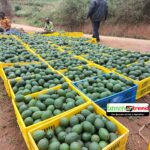
Harvested fruit should be collected in padded crates rather than traditional gunny bags or open containers. Field personnel should receive training in proper handling techniques to reduce bruising and mechanical damage. These practices help ensure that avocados arrive at their destination in optimal condition.
Phase 3: Packhouse Processing Requirements
Packhouse operations significantly influence final product quality and shelf life.
Sorting and Grading Procedures
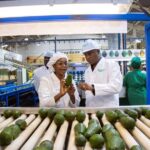
Upon arrival at the packhouse, avocados must undergo careful sorting and grading according to size and quality standards. Kenyan avocado export regulations recognize international sizing conventions, with counts ten through eighteen representing the premium export range for four kilogram cartons.
Modern packhouses utilize electronic sorting equipment that categorizes fruit by weight and size with high accuracy. Some facilities also employ optical sorters that can detect internal defects not visible through manual inspection. Proper grading ensures consistency within export cartons and reduces the likelihood of buyer complaints.
Sanitization Processes
Thorough sanitization represents an essential step in packhouse processing. The standard procedure involves several distinct stages. First, fruit undergoes an initial rinse to remove field debris and surface contamination. Next, avocados pass through a food grade disinfectant solution, typically chlorine based or peroxyacetic acid based. Finally, fruit receives a potable water rinse followed by forced air drying.
These sanitization procedures help reduce microbial contamination and extend shelf life. Packhouses must maintain detailed records of sanitization processes as part of their compliance with Kenyan avocado export regulations.
Temperature Management
Proper temperature control represents one of the most important aspects of post harvest handling. Kenyan avocado export regulations require that fruit be pre cooled to temperatures between five and twelve degrees Celsius before loading into refrigerated shipping containers.
Modern packhouses utilize hydrocooling systems that rapidly reduce pulp temperature. This quick cooling helps maintain quality and extends the shelf life necessary for distant markets. Temperature monitoring continues throughout the storage and shipping process to ensure consistent conditions.
Phase 4: Documentation and Shipment Procedures
Complete and accurate documentation represents the final requirement under Kenyan avocado export regulations.
Essential Export Documents
Several key documents must accompany each avocado shipment. The phytosanitary certificate, issued by KEPHIS inspectors, verifies that the fruit meets all plant health requirements and is free from regulated pests. This certificate typically remains valid for sixty days but must correspond with the actual shipment date.
The AFA export certificate confirms compliance with Kenyan quality standards regarding size, maturity, and packaging. The certificate of origin authenticates the Kenyan origin of the produce, which may affect tariff rates in destination countries. Additional commercial documents include the commercial invoice, packing list, and transport documents such as the bill of lading or air waybill.
Customs Clearance Process
Final customs clearance occurs through the Kenya Revenue Authority Trade Facilitation Platform. Exporters must submit electronic export declarations that include all relevant documentation. Customs officials verify the information and authorize release of the shipment for export.
Proper completion of customs procedures ensures timely departure of avocado shipments and helps prevent delays at Kenyan ports. Exporters should maintain complete records of all export transactions for reference and audit purposes.
Important Restrictions to Remember
Kenyan avocado export regulations include specific restrictions that exporters must understand and follow.
Transportation Mode Regulations
The regulations distinguish between air and sea freight options. Sea shipments sometimes face seasonal restrictions during peak production periods to prevent market oversupply. Air shipments generally continue throughout the year for approved varieties including Hass, Fuerte, Pinkerton, and Jumbo, though they remain subject to strict inspection requirements.
Exporters should verify current transportation restrictions before planning shipments, as these may change based on market conditions and production levels.
Prohibition on Mixed Consignments
A particularly important restriction under Kenyan avocado export regulations prohibits mixing avocados with mangoes in the same shipment. This restriction exists because the two fruits have different phytosanitary requirements and treatment protocols. Violating this regulation risks immediate suspension of export privileges.
Exporters should ensure that all personnel involved in loading and documentation understand this restriction to prevent accidental violations that could disrupt business operations.
Conclusion
Kenyan avocado export regulations establish a comprehensive system designed to ensure quality and maintain market access. While initially complex, these requirements become manageable when approached systematically. The regulations ultimately benefit exporters by helping maintain Kenya’s reputation as a reliable supplier of premium quality avocados.
Successful navigation of Kenyan avocado export regulations requires attention to detail at every stage, from initial registration through final shipment. Exporters who invest in proper systems and procedures find that compliance becomes a routine aspect of business operations rather than a constant challenge. As international markets continue to recognize the quality of Kenyan avocados, those who understand and follow the established regulations position themselves for sustainable growth and success.
Additional Resources
For current information about Kenyan avocado export regulations, exporters should consult these official resources:
- Agriculture and Food Authority Horticultural Crops Directorate
- Kenya Plant Health Inspectorate Service
- Kenya Revenue Authority Trade Facilitation Platform
- Kenya Avocado Exporters Association
These organizations provide updated guidelines, forms, and contact information for exporters navigating the regulatory process.
https://farmerstrend.co.ke/trending/kenyan-avocado-export-regulations-complete-guide/https://farmerstrend.co.ke/wp-content/uploads/2026/01/GQW9sz2WwAAsU1W-1024x536.jpghttps://farmerstrend.co.ke/wp-content/uploads/2026/01/GQW9sz2WwAAsU1W-150x150.jpg# TrendingKenyan avocado export regulations form a comprehensive framework that ensures quality and safety for international markets. While navigating these requirements through the Agriculture and Food Authority and the Kenya Plant Health Inspectorate Service may seem complex initially, understanding the process systematically transforms potential challenges into manageable steps. This guide...FarmersTrendjohn doefarmerstrend@gmail.comAdministratorFarmers Trend Ltd.







Leave a Reply