Tea Farming in Kenya 2026 – The Complete Guide for Sustainable Tea Farming Profits
Commercial Tea Farming in Kenya 2026: The Comprehensive Blueprint for Sustainable Highland Wealth
In Kenya, a meeting without tea is just a conversation that has not yet started. Tea is not just a drink. It is a national institution. It is the backbone of the highland economy. For over a century, the green rolling hills of Kericho, Nandi, Limuru, and Meru have produced some of the finest black tea in the world. Tea farming in Kenya is more than agriculture. It is a legacy that has lifted millions out of poverty.
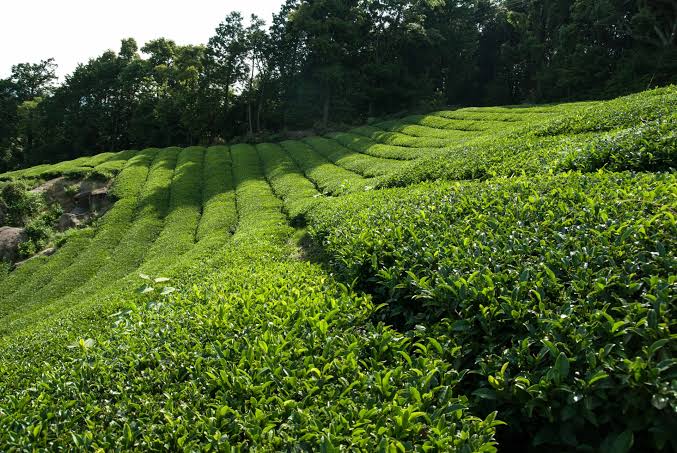
Kenya is the third largest tea producer in the world. It is the largest exporter of black tea globally. The industry employs over 600,000 small-scale farmers. These farmers produce more than 60 percent of the national output through the Kenya Tea Development Agency (KTDA). In 2026, the sector is shifting toward specialty teas. Purple tea, white tea, and green tea are fetching premium prices in international markets. This guide will show you how to succeed in commercial tea farming in Kenya.
A single tea bush can produce leaves for 50 to 80 years. That is a lifetime of income from one planting. The initial investment is high. The waiting period is long. But the returns are generational. Tea farming in Kenya is not a get-rich-quick scheme. It is a get-rich-slowly scheme that builds wealth for your grandchildren.
The Kenya Tea Development Agency (KTDA) manages 68 tea factories across the country. It represents over 600,000 smallholder farmers. The KTDA provides farmers with seedlings, fertilizer, and extension services. It processes the green leaf and markets the finished tea.
Farmers receive a monthly payment for their leaf and an annual bonus based on factory profits. In 2025, the average monthly payment was 35 shillings per kilogram. The average annual bonus was 20 shillings per kilogram. This means farmers earned 55 shillings per kilogram in total.
The Tea Board of Kenya regulates the industry. It issues licenses to growers, processors, and exporters. It also sets quality standards and promotes Kenyan tea abroad.

The 2026 Kenyan Tea Landscape
Kenya’s position as a global leader in black tea exports is unrivalled. The country produces over 450 million kilograms of tea annually. The top export markets are Pakistan, Egypt, the United Kingdom, and the United Arab Emirates. The industry earns over 120 billion shillings in foreign exchange each year. That is more than coffee, horticulture, and tourism combined.
The shift in 2026 toward specialty teas is creating new opportunities. Purple tea, which is rich in anthocyanins, is selling for three times the price of black tea. White tea, which is minimally processed, is prized for its delicate flavour. Green tea is popular in health-conscious markets. Farmers who diversify into these varieties earn significantly more than those who stick to black tea alone.
The liberalization of the tea sector has allowed farmers to sell to multiple factories. This competition has improved prices. Farmers can now choose the best buyer for their leaf. Some farmers are also bypassing the KTDA entirely. They are processing their own tea and selling directly to export markets. This requires investment in processing equipment and marketing, but the returns can be much higher.
Kericho County is the largest tea-producing region in Kenya. It accounts for over 40 percent of national output. The climate is perfect for tea. The soils are deep and acidic. The rainfall is reliable. Nandi County is the second-largest producer. The tea from Nandi is known for its bright colour and good flavour. Limuru produces high-quality tea for orthodox processing. Meru is known for its purple tea.
High-Altitude Ecology and Soil Science for Tea Farming in Kenya
Tea farming in Kenya requires specific ecological conditions. The plant, Camellia sinensis, thrives in high-altitude areas. The ideal altitude is between 1,500 and 2,700 meters above sea level. The Rift Valley highlands, including Kericho, Nandi, Limuru, and Meru, are perfect. These regions have the cool temperatures, abundant rainfall, and volcanic soils that tea demands.
The temperature range for tea is 10 to 30 degrees Celsius. The plant grows best between 18 and 25 degrees. It needs a distinct dry season to induce flushing. The annual rainfall should be 1,200 to 2,500 millimeters. The rain should be well distributed throughout the year. Tea does not tolerate drought. Irrigation is essential in dry areas. Without adequate water, the bushes become stressed and yields drop dramatically.
The soil must be deep, well-drained, and acidic. Volcanic red loams are ideal. The pH should be between 4.5 and 5.6. Below 4.5, the soil is too acidic. Nutrients become unavailable to the plant. Above 5.6, the soil is too alkaline. Micronutrient deficiencies appear, especially iron and manganese. You must test your soil before planting. Apply sulfur or aluminum sulfate to lower pH if necessary. This is a critical step that many new farmers miss.
The soil must also be rich in organic matter. Tea is a perennial crop. It removes nutrients from the soil each year. You must replenish these nutrients through fertilizer and organic amendments. Green manure crops, like lupins or vetches, can be grown between rows. They add nitrogen and organic matter to the soil. They also suppress weeds and prevent erosion.
Variety Selection for Tea Farming in Kenya
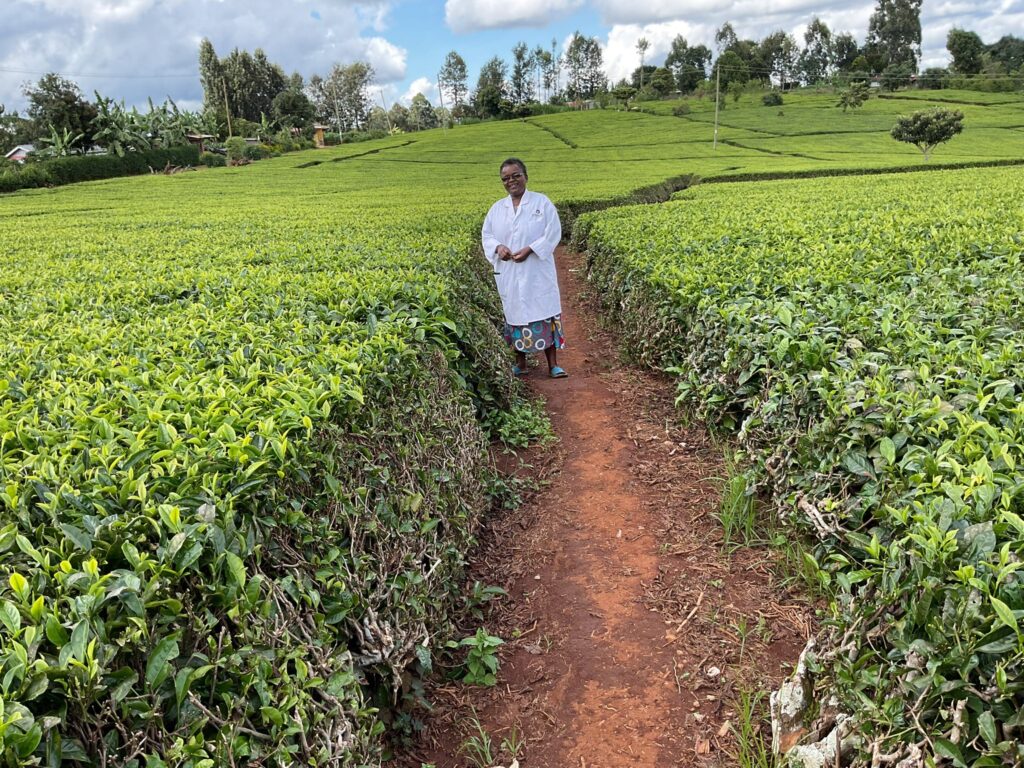
Choosing the right clone is the most important decision in tea farming in Kenya. Different clones have different yields, different flavours, and different market values. Plant the wrong clone, and you will leave money on the table. Plant the right clone, and you will have buyers competing for your leaf.
- TRFK 6/1 is the most popular clone in Kenya. It was developed by the Tea Research Foundation of Kenya (TRFK). It is high-yielding and resistant to drought. The leaves are dark green and produce a strong, full-bodied black tea. This clone is best for the CTC (Crush, Tear, Curl) market. It is widely planted in Kericho and Nandi. A mature bush can produce 2,500 to 3,500 kilograms of green leaf per acre per year.
- TRFK 31/8 is another high-yielding clone. It produces a bright, coppery liquor with good flavour. It is also resistant to drought and some pests. This clone is suitable for both CTC and orthodox processing. It is popular in Limuru and Meru. The yield is similar to TRFK 6/1.
- TRFK 306/1 is the purple tea clone. It is rich in anthocyanins, the same antioxidants found in blueberries and purple grapes. The leaves are purple instead of green. The tea has a unique flavour and health benefits. Purple tea sells for three times the price of black tea. The yield is lower, at 1,500 to 2,000 kilograms per acre. But the profit per kilogram is much higher. This clone is best for specialty markets.
- TRFK 301/2 is a clone with good resistance to drought and pests. It produces a medium-bodied tea with a bright colour. TRFK 303/1 is known for its good flavour and aroma. TRFK 304/1 is a high-yielding clone for the CTC market. You should consult with your local agricultural officer to choose the right clone for your area. The TRFK also offers soil testing and clone selection services.
Land Preparation and Planting Architecture for Tea Farming in Kenya
Land preparation for tea farming in Kenya is labor-intensive. The land must be cleared of all vegetation. Trees, shrubs, and grass must be removed. The land must be ploughed deeply to 30 to 40 centimeters. This breaks up compacted layers and allows roots to penetrate. If the land is on a slope, you should terrace it to prevent erosion.
The ideal spacing for tea is 1.2 meters between rows and 0.6 to 0.8 meters between plants. This gives approximately 4,000 to 5,500 plants per acre. Closer spacing increases early yields but requires more plants. Wider spacing reduces plant population but allows for easier mechanization. The standard recommendation for tea farming in Kenya is 1.2 meters by 0.7 meters, giving about 4,700 plants per acre.
The planting holes should be 30 centimeters wide, 30 centimeters deep, and 30 centimeters long. Mix the topsoil with well-decomposed manure. Add 50 grams of NPK 26:5:5 fertilizer to each hole. Refill the holes and let them settle for 2 weeks before planting. This allows the soil to compact naturally.
Planting should be done at the start of the rainy season. This allows the young plants to establish before the dry period. The seedlings should be planted at the same depth they were growing in the nursery. Firm the soil around the roots and water immediately. Do not let the roots dry out during planting.
Windbreaks are essential in tea farming in Kenya. Strong winds damage the tea bushes and reduce yields. Plant fast-growing trees like grevillea or eucalyptus around the perimeter of the field. Space them 5 to 10 meters apart. Shade trees are also important in the early stages. Young tea plants are sensitive to direct sunlight. Plant temporary shade trees like bananas or pigeon peas between the tea rows. Remove them after 2 to 3 years when the tea bushes are established.

The “Bring-Up” Phase: Pruning and Tipping
The first three years of tea farming in Kenya are critical. This is the “bring-up” phase. The young tea bush must be shaped into a flat, wide plucking table. This table is where all the harvestable leaves will grow. Proper shaping during this period determines the lifetime productivity of the plant. Neglect during this phase will reduce yields for decades.
The first pruning is called “centering”. It is done 6 to 12 months after planting. Cut the main stem at 30 to 40 centimeters above ground. This encourages lateral branches to grow. The plant becomes bushier instead of taller. You should also remove any branches that are growing inward.
The second pruning is done 12 to 18 months after planting. Cut the plant back to 40 to 50 centimeters. Remove any branches that are crossing or rubbing against each other. The goal is to create an open centre that allows light to penetrate.
The third pruning is done 18 to 24 months after planting. Cut the plant back to 50 to 60 centimeters. By this time, the bush should have a flat top and a wide canopy. The plucking table should be 10 to 15 centimeters below the highest point of the bush.
“Tipping” is the process of removing the first few leaves from the new shoots. This encourages the plant to produce more side shoots. The plucking table becomes denser. The yield increases. Do not harvest any leaves during the first two years. The plant needs to put all its energy into growth. Harvesting too early stunts the bush and reduces lifetime yield.
Nutrient Protocols and Specialized Fertilizers for Tea Farming in Kenya
Tea is a heavy feeder. It removes significant nutrients from the soil each year. You must replace these nutrients through fertilizer. The most important nutrient for tea is nitrogen. Nitrogen drives leaf growth. More leaves mean more yield. A lack of nitrogen results in yellow leaves and poor growth.
The standard fertilizer for tea farming in Kenya is NPK 25:5:5 or 26:5:5. These formulations are high in nitrogen. They also contain phosphorus for root development and potassium for disease resistance. The recommended rate is 200 to 300 kilograms per hectare (80 to 120 kilograms per acre). Apply fertilizer twice per year. The first application is at the start of the long rains in March. The second application is at the start of the short rains in October. Split the total amount equally between the two applications.
Fertilize tea in a ring around the bush. Do not put fertilizer directly on the stem. It can burn the plant. Spread it evenly under the canopy. The feeder roots are near the surface. Water after applying fertilizer to help it dissolve and move into the soil.
Organic fertilizers are also used in tea farming in Kenya. Compost, manure, and green manure crops add organic matter to the soil. They also provide slow-release nutrients. Organic tea is in high demand in Europe. Farmers who switch to organic methods get premium prices. The certification process takes 2 to 3 years. But the higher prices justify the investment.
KTDA provides fertilizer to its members at subsidized rates. The fertilizer is delivered to the factory collection points. Farmers can also buy fertilizer from local agrovets. Always buy from reputable sources. Cheap fertilizer may be adulterated or expired.

Pest and Disease Management for Tea Farming in Kenya
Tea has several pests and diseases. The most common are red spider mites, thrips, and weevils. Red spider mites are tiny arachnids. They suck sap from the leaves. The leaves turn yellow and dry up. Heavy infestations can defoliate the bush. You can see the mites with a magnifying glass. They look like tiny red dots on the underside of the leaves.
Thrips are small insects. They also suck sap. They cause the leaves to become twisted and scarred. The damage reduces the quality of the tea. Thrips are most active during the dry season.
Weevils are beetles that eat the leaves. They are most active at night. They can defoliate a field quickly if not controlled. Hand picking is effective for small farms. For larger farms, insecticides are necessary.
Control pests with integrated pest management (IPM). IPM uses a combination of cultural, biological, and chemical methods. The first step is to keep the field clean. Remove weeds and debris. Weeds harbour pests. The second step is to encourage natural predators. Ladybugs, lacewings, and predatory mites eat red spider mites and thrips. Plant flowers and herbs around the field to attract them.
The third step is to use selective pesticides. Spray only when pest populations reach damaging levels. Rotate pesticides to prevent resistance. Always follow the label instructions. Wear protective clothing when spraying.
Armillaria root rot is the most serious disease in tea farming in Kenya. It is caused by a fungus that attacks the roots. The plant wilts and dies. The fungus spreads through root contact. There is no cure. Prevention is the only strategy. Plant resistant clones and avoid waterlogged soils. Remove infected plants immediately and burn them. Do not replant in the same hole.
Harvesting Science: The “Two Leaves and a Bud” Rule
The “two leaves and a bud” is the golden rule of tea harvesting. This is the part of the plant that produces the best quality tea. The two youngest leaves and the unopened bud at the tip of the shoot. They are tender, flavourful, and full of nutrients. The older leaves are tough and bitter. They are not suitable for tea.
The plucking cycle is 14 to 21 days. This is the time it takes for a new shoot to grow after harvesting. Plucking too early reduces yield. The leaves are too small. Plucking too late reduces quality. The leaves are tough and bitter. The ideal plucking cycle is 18 days.
Hand plucking is the traditional method. Skilled workers pick the shoots with their fingers. They select only the best shoots. Hand plucking produces the highest quality tea. It is also the most expensive. Workers can pick 30 to 50 kilograms of leaf per day.
Mechanical harvesting uses tea shears. The worker cuts the top of the bush with a handheld shear. The cut is uniform but less selective. Mechanical harvesting is faster and cheaper. A worker can harvest 100 to 150 kilograms of leaf per day. The quality is lower because some older leaves are included.
Plucking standards directly affect your payments. Factories pay a base price for the leaf. They also pay a bonus based on the quality of the leaf. A higher proportion of “two leaves and a bud” means a higher bonus. The KTDA uses a colour coding system. Green leaf is the best. Yellow leaf is acceptable. Brown leaf is rejected.

The 1-Acre Financial Blueprint for Tea Farming in Kenya
| Cost Item | Quantity | Unit Price (KSh) | Total (KSh) |
|---|---|---|---|
| Certified tea seedlings | 4,700 | 20 | 94,000 |
| Land preparation | 1 acre | 15,000 | 15,000 |
| Manure (well-decomposed) | 5 tons | 3,000 | 15,000 |
| NPK 26:5:5 fertilizer (first year) | 80 kg | 150 | 12,000 |
| Labour (planting, pruning, weeding) | 60 days | 500 | 30,000 |
| Pest control materials | 1 acre | 10,000 | 10,000 |
| Total First 3 Years Investment | 176,000 |
| Year | Yield (kg leaf) | KTDA Monthly Rate (KSh/kg) | KTDA Annual Bonus (KSh/kg) | Total Price (KSh/kg) | Revenue (KSh) | Net Profit (KSh) |
|---|---|---|---|---|---|---|
| 1-2 | 0 | 35 | 20 | 55 | 0 | -176,000 |
| 3 | 2,000 | 35 | 20 | 55 | 110,000 | -66,000 |
| 4 | 4,000 | 35 | 20 | 55 | 220,000 | 44,000 |
| 5 | 6,000 | 35 | 20 | 55 | 330,000 | 154,000 |
| 6 | 8,000 | 35 | 20 | 55 | 440,000 | 264,000 |
| 7+ | 10,000 | 35 | 20 | 55 | 550,000 | 374,000 |
Tea Tourism and Value Addition for Tea Farming in Kenya
Farmers in regions like Limuru are diversifying into tea tourism. Kiambethu Farm in Limuru is a famous example. Visitors come to see the tea plantation. They learn about the history of tea farming in Kenya. They taste fresh tea and eat lunch on the farm. The farm earns income from tourism in addition to tea sales. A tea tour can cost 1,000 to 2,000 shillings per person.
Small-scale value addition is another opportunity. You can process your own tea at the farm level. Dry the leaves in a solar dryer. Roll them by hand or with a small machine. Package the tea in branded bags. Sell to local shops, hotels, and online customers. A 100-gram packet of black tea sells for 200 to 300 shillings. The same amount of purple tea sells for 500 to 1,000 shillings.
Specialty tea branding is a growing market. Purple tea, white tea, and green tea appeal to health-conscious consumers. You can sell these teas at premium prices. A 50-gram packet of purple tea can sell for 500 to 1,000 shillings. The packaging is important. Use attractive labels that explain the health benefits.
Direct export is also possible. The Tea Board of Kenya can help you find buyers. You need to meet quality standards and obtain export certification. Direct export cuts out intermediaries and increases your profit margin. The minimum export quantity is 1,000 kilograms. Small farmers can form cooperatives to meet this volume.

Your Next Step for Tea Farming in Kenya
Tea farming in Kenya is a long-term investment. The first three years require patience and capital. But the rewards last for generations. A well-managed tea bush produces leaves for 50 to 80 years. Your children and grandchildren will benefit from the trees you plant today.
Your next step is simple. Get a soil test first. Contact the Tea Research Foundation of Kenya for assistance. Choose the right clone for your area. TRFK 6/1 for black tea. TRFK 306/1 for purple tea. Prepare your land properly. Plant at the correct spacing. Fertilize on time. Prune to create a flat plucking table. Harvest the “two leaves and a bud”.
Which region are you considering for your plantation? Kericho has the highest yields. Limuru produces the best orthodox tea. Meru is known for purple tea. Are you ready to transition from traditional black tea to the high-margin purple variety? The market is waiting. The profits are real. The time to plant is now.
For certified tea seedlings, soil testing, and the 2026 Tea Farming in Kenya PDF guide, contact the Tea Research Foundation of Kenya or call 0790509684. Your tea farming in Kenya journey starts today. The hills are ready. The rains are coming. Plant now.
https://farmerstrend.co.ke/crops/tea-farming/tea-farming-in-kenya-guide/https://farmerstrend.co.ke/wp-content/uploads/2026/05/tea-farm.jpeghttps://farmerstrend.co.ke/wp-content/uploads/2026/05/tea-farm-150x150.jpegTea Farming# TrendingBlack tea export Kenya,Farmers Trend tea seedlings,Kericho tea farming,KTDA annual bonus 2026,KTDA payment structure,Nandi tea region,purple tea Kenya,Tea farming altitude requirements,tea farming in kenya pdf,Tea farming profit per acre,Tea plucking two leaves and a bud,Tea soil pH 4.5 to 5.6,TRFK 306/1 clone,TRFK 6/1 cloneCommercial Tea Farming in Kenya 2026: The Comprehensive Blueprint for Sustainable Highland Wealth In Kenya, a meeting without tea is just a conversation that has not yet started. Tea is not just a drink. It is a national institution. It is the backbone of the highland economy. For over a...FarmersTrendjohn doefarmerstrend@gmail.comAdministratorFarmers Trend Ltd.



Leave a Reply