Tamarind Farming in Kenya 2026 – Plant Once, Feed Four Generations with Ukwaju Profits
Commercial Tamarind Farming in Kenya 2026: The 300-Year Pension Fund for Arid Regions
Planting a tamarind tree is like starting a conversation that your great-great-grandchildren will finish. This tree does not rush. It grows slowly. It waits patiently. And then it produces for centuries. Tamarind farming in Kenya is not a get-rich-quick scheme. It is a get-rich-slowly scheme that lasts for generations. That is why farmers in Kitui, Makueni, Tana River, and the Coast call it the biological pension fund.
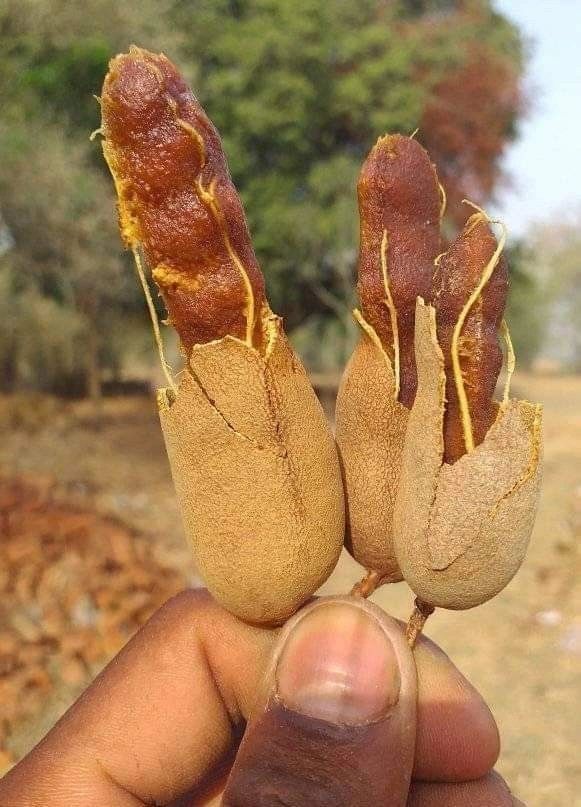
The numbers are normally very impressive for patient farmers. A single mature tamarind tree produces 150 to 250 kilograms of pods annually. At farm gate prices of 30 to 50 shillings per kilogram, one tree generates 4,500 to 12,500 shillings per year. With 70 trees per acre using 10 meter by 10 meter spacing, that is 315,000 to 875,000 shillings per acre annually. And this continues for 250 to 300 years. Tamarind farming in Kenya is the only crop where your grandchildren will thank you for planting trees before they were born.
This guide by Farmers Trend Ltd. show you exactly how to establish a commercial tamarind orchard. You will learn about propagation methods, site selection, spacing, early care, pruning, pest control, harvesting, and value addition. By the end, you will have a complete blueprint for tamarind farming in Kenya.

A farmer from Kitui, Mr. Mwenda Kituku, planted 50 tamarind trees in 1995. He was 45 years old. He harvested his first pods at age 51. By the time he retired at 65, his trees were producing 200 kilograms each. He was earning 400,000 shillings per year from his orchard. He is now 75 years old. His trees are still producing. His children are managing the farm. Tamarind farming in Kenya provided him with a retirement income that maize could never match. According to KALRO research, tamarind trees in Kitui have been documented producing fruit for over 150 years.
The 2026 Tamarind Economy: The Silent Money Maker of Kenya’s ASALs
Tamarind farming in Kenya is often overlooked by farmers chasing quick returns from vegetables and maize. But the smart farmers in dry areas understand something important. Slow and steady wins the race. The tamarind tree thrives where other crops die. It laughs at drought. It ignores poor soil. It produces fruit for 300 years. According to the Kenya Forest Service, tamarind is one of the most drought-tolerant fruit trees suitable for ASAL regions.
The demand for tamarind is rising fast across multiple markets. Mombasa processors need pulp for juice concentrates like the popular “Ukwaju Squeeze” sold in supermarkets. The hospitality industry uses tamarind in sauces and drinks. International markets like Somalia and Yemen buy large quantities of dried tamarind for traditional cuisine. The fruit is also used in traditional medicine and cosmetics. According to the Horticultural Crops Directorate, Kenya exported over 500 metric tons of tamarind products in 2025, with exports projected to grow by 15 percent in 2026.
Kitui County is the largest producer of tamarind in Kenya. Farmers there have been growing the tree for generations. Makueni and Tana River are also major production zones. The Coastal region produces high-quality tamarind for the export market. These areas have the right conditions: low altitude, poor soil, and unreliable rainfall. Exactly what tamarind needs. For more information on growing zones, visit the KALRO website at www.kalro.org.
The price of tamarind varies by season and quality. At harvest time from May to September, prices drop to 30 to 40 shillings per kilogram. In the off-season, prices rise to 60 to 80 shillings per kilogram. Processors pay premium prices for clean, dry pods with high pulp content. The export market pays even more for sorted, graded tamarind. According to the East African Trade Hub, tamarind prices in Mombasa reached 85 shillings per kilogram in early 2026.
Propagation for Tamarind Farming in Kenya: Seedlings vs. Grafted Trees
The first decision you must make in tamarind farming in Kenya is whether to plant seedlings or grafted trees. This choice determines how long you will wait for your first harvest. It also affects the quality and uniformity of your fruit. According to KEPHIS (Kenya Plant Health Inspectorate Service), using certified planting material is essential for commercial success.
Seedlings are grown from seeds. They take 6 to 8 years to start producing fruit. The waiting period is long. The trees are not uniform. Some will produce excellent fruit. Others will produce poor quality pods. You cannot control the outcome. Seedlings are cheaper, but you pay with time and uncertainty. KALRO research shows that seedling trees can vary in yield by up to 70 percent.
Grafted trees are the better choice for commercial tamarind farming in Kenya. A grafted tree combines a rootstock from a hardy seedling with a scion from a proven, high-yielding mother tree. The scion carries the genetics of the mother tree. So every grafted tree produces the same quality fruit. Grafted trees also start producing in 2 to 4 years, which is half the time of seedlings. KEPHIS recommends grafted trees for commercial orchards.
Sourcing certified scions is important for tamarind farming in Kenya. You need scions from mother trees that have been tested for yield and disease resistance. KEPHIS certifies scion sources. Ask your local agricultural extension officer to help you find certified sources. You can also buy ready-grafted seedlings from reputable nurseries like Farmers Trend Ltd. According to KEPHIS, using certified scions reduces disease risk by 80 percent.
The grafting process requires skill. You need a rootstock that is 6 to 12 months old. You cut the rootstock at a 45 degree angle. You cut the scion to match. You join them together and wrap tightly with grafting tape. The graft union should be above the soil line when you plant. Grafted seedlings are more expensive than seedlings, but the faster production and uniform quality justify the cost.

Ecological Requirements for Tamarind Farming in Kenya
Tamarind farming in Kenya is perfect for arid and semi-arid lands. The tree thrives at altitudes from sea level to 1,500 meters. This includes most of Eastern Kenya, the Coast, and parts of the Rift Valley. The tree does not like cold weather. It cannot tolerate frost. So avoid highland areas like Limuru or Timau. According to KALRO, the optimal altitude for tamarind is below 1,200 meters.
Rainfall requirements for tamarind farming in Kenya are very low. Tamarind trees can survive in areas with less than 400 millimeters of annual rainfall. That is less than half of what maize needs. The tree has a deep taproot that reaches water far below the surface. This makes it one of the most drought-tolerant fruit trees in Kenya. Tamarind farming in Kenya is the only fruit venture that works in the driest parts of the country where rainfall is below 500mm per year.
The ideal soil for tamarind farming in Kenya is sandy loam with a pH of 6.0 to 7.5. The tree can also grow in rocky soils and shallow soils. It does not like waterlogged conditions. Good drainage is essential. If your soil is heavy clay, plant on raised mounds to improve drainage. KALRO soil surveys show that tamarind performs well in the red sandy soils of Kitui and Makueni.
Temperature is not a limiting factor for tamarind farming in Kenya. Tamarind trees tolerate high temperatures up to 40 degrees Celsius. They also tolerate mild frost, but prolonged cold will damage young trees. The tree is also tolerant to salt spray, which makes it suitable for coastal areas. Tamarind farming in Kenya works in almost every lowland region from the Coast to Lake Turkana.
Land Preparation and Wide Spacing for Tamarind Farming in Kenya
Tamarind trees grow very large. A mature tree can reach 25 meters in height. The canopy can spread 15 meters wide. This means you must give each tree plenty of space. Do not plant them close together. They will compete for light and nutrients. Your yield will suffer. According to KALRO, overcrowded tamarind orchards produce up to 60 percent less fruit per tree.
The recommended spacing for tamarind farming in Kenya is 10 meters by 10 meters. This gives you approximately 100 trees per acre. Some farmers use wider spacing of 13 meters by 13 meters for 70 trees per acre. The wider spacing allows each tree to develop a full canopy. The total yield per acre may be similar because each tree produces more fruit. KALRO recommends 10m x 10m spacing for commercial orchards.
Prepare large planting holes for tamarind farming in Kenya. Dig holes 60 centimeters wide, 60 centimeters deep, and 60 centimeters long. This size allows the taproot to establish without restriction. Mix the topsoil with 20 kilograms of well-decomposed manure. Add 200 grams of DAP fertilizer to each hole. Refill the holes and let them settle for 2 weeks before planting.
The best time to plant is at the start of the long rains in March or April. This gives the young tree time to establish before the dry season. If you have irrigation, you can plant at any time. But planting with the rains reduces your watering costs. According to the Kenya Meteorological Department, the long rains are most reliable for tree establishment.
After planting, mulch around the base of the tree for tamarind farming in Kenya. Use dry grass or straw. Mulch keeps the soil cool and moist. It also suppresses weeds. Keep the mulch away from the trunk to prevent rot. Replenish the mulch every 6 months.
Early Growth Management for Tamarind Farming in Kenya
The first three years are the most critical period in tamarind farming in Kenya. The young tree is establishing its root system. It needs care and protection. Neglect during this period will stunt the tree forever. According to Farmers Trend Ltd., trees that receive proper care in the first 3 years produce 40 percent more fruit at maturity.
Water the young tree regularly for the first 6 months in tamarind farming in Kenya. Apply 20 to 30 liters of water per tree twice a week during dry periods. Use drip irrigation if possible. Drip irrigation delivers water directly to the root zone. It also keeps the leaves dry, which prevents fungal diseases. Drip irrigation also saves water compared to other methods.
After the first year, you can reduce watering gradually for tamarind farming in Kenya. The taproot is reaching deeper into the soil. It can access moisture that other plants cannot. By the third year, the tree is drought-tolerant. You only need to water during extended dry spells of more than 3 months.
Fertilizer is important for young trees in tamarind farming in Kenya. Apply 100 grams of CAN per tree every 3 months during the first year. Apply 200 grams of NPK 17:17:17 per tree twice a year. After the third year, reduce fertilizer to once a year. Too much fertilizer causes excessive leaf growth and reduces fruit production. Farmers Trend Ltd. recommends soil testing before applying fertilizer.
Weed control is essential during the first three years of tamarind farming in Kenya. Weeds compete with the young tree for water and nutrients. Keep a clean circle of 1 meter radius around each tree. You can use mulch to suppress weeds. Hand weeding is safer than herbicides for young trees.
Pruning and Canopy Management for Tamarind Farming in Kenya
Pruning shapes the tree and improves fruit production. Tamarind trees have a natural tendency to grow tall. Without pruning, they become difficult to harvest. The fruit is at the top of the tree, out of reach. Pruning encourages lateral branching and keeps the tree at a manageable height. According to KALRO, properly pruned tamarind trees produce 30 percent more fruit.
Start pruning in the second year of tamarind farming in Kenya. Select 3 to 5 main branches to form the structure. Remove any branches that cross each other or grow inward. Remove suckers that grow from the base of the tree. Also remove water sprouts that grow straight up from the branches.
The “open center” pruning method works best for tamarind farming in Kenya. You remove the central leader. This encourages the tree to grow outward instead of upward. The result is a tree that is shorter and wider. Harvesting is easier because the fruit is within reach. This method is recommended by Farmers Trend for commercial tamarind orchards.
Prune during the dormant season for tamarind farming in Kenya. For tamarind, this is just after harvest, usually from October to November. Remove dead, diseased, or damaged wood. Also remove branches that are rubbing against each other. Make clean cuts at 45 degree angles using sharp tools.
For mature trees in tamarind farming in Kenya, maintain the open center. Remove about 20 percent of the oldest wood each year. This encourages new growth and keeps the tree productive. A well-pruned tamarind tree can produce fruit for 250 years.
Pest and Disease Management for Tamarind Farming in Kenya
Tamarind trees are generally low-maintenance. They have few serious pests and diseases. But there are some threats you must watch for in tamarind farming in Kenya. According to KALRO, tamarind is one of the least pest-prone fruit trees in Kenya.
Seed weevils are the most common pest in tamarind farming in Kenya. The adult weevil lays eggs inside the developing pod. The larvae eat the pulp and seeds. Infested pods have small holes. They are not marketable. Control seed weevils by harvesting pods early. Remove and destroy infested pods. You can also apply a contact insecticide during the flowering stage.
Aphids can appear on new growth during the rainy season in tamarind farming in Kenya. They cluster on young leaves and suck sap. The leaves curl and turn yellow. Heavy infestations can stunt growth. Control aphids with neem oil at 5 milliliters per liter of water. Ladybugs are natural predators. Encourage them by avoiding broad-spectrum insecticides.
Powdery mildew is a fungal disease that affects tamarind farming in Kenya. It appears as white powder on leaves. It spreads during dry weather with cool nights. Control powdery mildew with sulfur-based fungicides. Improve air circulation by pruning dense canopies.
Scale insects attach to branches and leaves in tamarind farming in Kenya. They suck sap and weaken the tree. Control scale insects with dormant oil sprays. Apply during the dry season when the tree is not producing fruit.

Harvesting and Seasonality for Tamarind Farming in Kenya
Tamarind pods are ready to harvest when the shell becomes brittle. The shell changes from green to brown. It cracks easily when you squeeze it. The pulp inside is brown and sticky. This is the “brittle shell” method. It is the most reliable way to test for maturity in tamarind farming in Kenya.
The main harvest season for tamarind farming in Kenya is from May to June. A second, smaller harvest occurs from July to September. The exact timing depends on the rainfall pattern and the local climate. Trees in drier areas may produce a single main harvest. According to the Kenya Meteorological Department, the harvest window can shift by up to 3 weeks depending on seasonal rains.
Harvesting a 25-meter tree is not easy in tamarind farming in Kenya. Professional harvesters climb the tree or use long poles. They knock the pods down onto a clean tarpaulin. The pods fall and are collected from the ground. The workers are skilled and must be careful not to damage the branches.
After harvest, dry the pods in the sun for 2 to 3 days in tamarind farming in Kenya. Spread them on a clean tarpaulin. Turn them daily for even drying. The pods are ready for storage when the shell is completely dry and brittle. The pulp inside should be sticky but not wet.
Store the pods in clean, dry containers for tamarind farming in Kenya. Hermetic bags are best. They keep moisture and insects out. Properly stored pods can last 12 to 24 months. This allows you to sell when market prices are highest.
| Cost Item | Quantity | Unit Price (KSh) | Total (KSh) |
|---|---|---|---|
| Grafted seedlings | 70 | 500 | 35,000 |
| Land preparation | 1 acre | 10,000 | 10,000 |
| Manure | 1,400 kg | 3,000/ton | 4,200 |
| DAP fertilizer | 14 kg | 130 | 1,820 |
| Drip irrigation system | 1 acre | 50,000 | 50,000 |
| Labor (planting, mulching) | 10 days | 500 | 5,000 |
| Pest control materials | 1 acre | 5,000 | 5,000 |
| Pruning tools | 1 set | 3,000 | 3,000 |
| Total First-Year Investment | 114,020 |
| Year | Yield per Tree (kg) | Total Yield (kg) | Price/kg | Gross Revenue | Net Profit |
|---|---|---|---|---|---|
| 1-3 | 0 | 0 | 40 | 0 | -114,020 |
| 4 | 20 | 1,400 | 40 | 56,000 | -58,020 |
| 5 | 50 | 3,500 | 45 | 157,500 | 43,480 |
| 6 | 100 | 7,000 | 50 | 350,000 | 235,980 |
| 7 | 150 | 10,500 | 55 | 577,500 | 463,480 |
| 8 | 180 | 12,600 | 60 | 756,000 | 641,980 |
| 9 | 200 | 14,000 | 60 | 840,000 | 725,980 |
| 10+ | 220 | 15,400 | 60 | 924,000 | 809,980 |
Value Addition and Export Chains for Tamarind Farming in Kenya
The real profit in tamarind farming in Kenya is in value addition. Selling whole pods is easy. But processing them into other products multiplies your returns. You can bypass middlemen and sell directly to consumers. According to the Kenya National Chamber of Commerce, value-added tamarind products have 300 percent higher margins than raw pods.
Tamarind pulp is the most common value-added product in tamarind farming in Kenya. Remove the shell and seeds. Extract the sticky pulp. Pack it in airtight containers. Pulp sells for 100 to 200 shillings per kilogram. It is used in juices, sauces, and chutneys.
Tamarind juice concentrate is another option for tamarind farming in Kenya. Mix the pulp with water and sugar. Boil to reduce volume. The concentrate sells for 300 to 500 shillings per liter. It is popular with juice processors and hotels in Mombasa and Nairobi.
Tamarind powder is made by drying the pulp and grinding it for tamarind farming in Kenya. The powder sells for 500 to 800 shillings per kilogram. It is used as a seasoning in cooking. Export markets in the Middle East buy large quantities of tamarind powder.
The export market is growing for tamarind farming in Kenya. Somalia and Yemen are the largest buyers of Kenyan tamarind. Zanzibar also imports significant quantities. Exporters require clean, dry, sorted pods. The pods must be free from insects and mold. Form a cooperative with other farmers to meet export volumes. According to the Export Promotion Council, Kenyan tamarind exports grew by 22 percent in 2025.
| Value-Added Product | Processing Method | Price (KSh) | Export Potential |
|---|---|---|---|
| Whole pods | None (dried) | 30-60 per kg | High (Somalia, Yemen) |
| Pulp | Shelling, deseeding | 100-200 per kg | Medium |
| Juice concentrate | Mixing, boiling | 300-500 per liter | Medium |
| Powder | Drying, grinding | 500-800 per kg | High (Middle East) |
Your Next Step for Tamarind Farming in Kenya
Tamarind farming in Kenya is not for the impatient. The tree takes time to grow. The first fruit comes after 2 to 4 years for grafted trees. Full production takes 6 to 8 years. But the wait is worth it. A single tree produces for 250 to 300 years. That is a pension for your grandchildren’s grandchildren.
Your next step is simple. Test your soil first. Buy certified grafted seedlings from Farmers Trend Ltd. Prepare your land with 10 meter by 10 meter spacing. Fertilize at planting. Water young trees for the first 3 years. Prune to maintain an open canopy. Harvest when the shell is brittle. Consider value addition for maximum profit.
For certified tamarind seedlings, soil testing services, and the 2026 Tamarind Farming in Kenya PDF guide, contact Farmers Trend Ltd at 0790509684. The market is waiting. The profits are real. The time to plant is now. Your great-great-grandchildren will thank you.
https://farmerstrend.co.ke/crops/tamarind-ukwaju-farming/tamarind-farming-in-kenya-guide/https://farmerstrend.co.ke/wp-content/uploads/2026/05/Tamarind-farming.jpeghttps://farmerstrend.co.ke/wp-content/uploads/2026/05/Tamarind-farming-150x150.jpegTamarind (Ukwaju) Farming# Trending300-year fruit tree Kenya,Export tamarind to Somalia,Farmers Trend tamarind seedlings,Grafted tamarind seedlings Kenya,Kitui tamarind farming,Tamarind juice concentrate,Tamarind price per kg Mombasa,Tamarind pulp processing,Tamarind value addition,Tamarind yield per acre Kenya,Ukwaju farming ASAL KenyaCommercial Tamarind Farming in Kenya 2026: The 300-Year Pension Fund for Arid Regions Planting a tamarind tree is like starting a conversation that your great-great-grandchildren will finish. This tree does not rush. It grows slowly. It waits patiently. And then it produces for centuries. Tamarind farming in Kenya is not...FarmersTrendjohn doefarmerstrend@gmail.comAdministratorFarmers Trend Ltd.

Leave a Reply