Meet Meja: The 1,000-Kilo Chianina Bull Wowing Crowds in Mombasa and What Farmers Should Know About the World’s Largest Cattle Breed
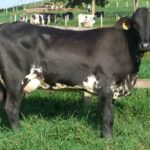
A three-year-old Chianina bull named Meja, weighing more than 1,000 kilos, has turned heads and stolen hearts at the Mombasa Agricultural Show, where the rare Italian breed made its first-ever appearance.

The five-day show, which ran from September 3 to 7, brought together more than 1,000 exhibitors showcasing innovations in agriculture, technology, and agribusiness.
Imported from South Africa, Meja quickly drew massive crowds. Visitors jostled for space around his enclosure, many raising their phones high to capture photos and videos of the colossal animal.
“This is our first time bringing such a breed to the show. We wanted people to see that these animals can survive and thrive here as well,” said handler Mohamed Chibea.
According to his handlers, Meja is fed on time every day, consuming at least eight kilos of feed to maintain his muscular build. To keep him in pristine condition, the bull is washed up to three times daily, especially during the hot season.
“He has attracted so many people at this show. Everyone wants to see him up close because of his body,” said handler Nicholas Mutuku.
The Chianina is one of the oldest and largest cattle breeds in the world, originating from the Chiana Valley in Italy, where it has been raised for more than 2,000 years. Traditionally used as draft animals in Roman times, Chianina cattle are today prized for beef production, with their meat considered premium quality because of its lean, tender cuts.

Adult bulls can weigh up to 1,700 kilograms and stand as tall as 1.8 metres at the shoulder, making them the heaviest and tallest cattle breed globally. Their distinctive white coats, black skin, and well-defined muscles give them a striking appearance.
The breed is also admired for its resilience, with a natural resistance to many common cattle diseases, adaptability to different climates, and low-fat, high-yield meat production, qualities that have made it popular in Europe, North America, and increasingly, Africa. For many fairgoers, seeing such an animal was a once-in-a-lifetime experience.
“I have never seen a bull like this in my life. If someone gave this as dowry, this is more than a million, no family would ever reject it. This is extraordinary,” said Kevin Nyongesa, a visitor.
Others saw Meja as a symbol of what modern livestock farming could mean for Kenya’s agricultural future.
“It’s amazing, like a miracle. But it shows us that farming in our country has a big future if we invest seriously. I would also want to have one on my farm,” said another visitor, John Charo.
The fair carried on under this year’s theme Promoting Climate Smart Agriculture and Agribusiness for Sustainable Economic Growth.


Leave a Reply