Lemon Farming in Kenya: 2026 Profitable Guide, Varieties, Costs & Returns Per Acre
Lemon Farming in Kenya: A Complete Profitable Business Guide
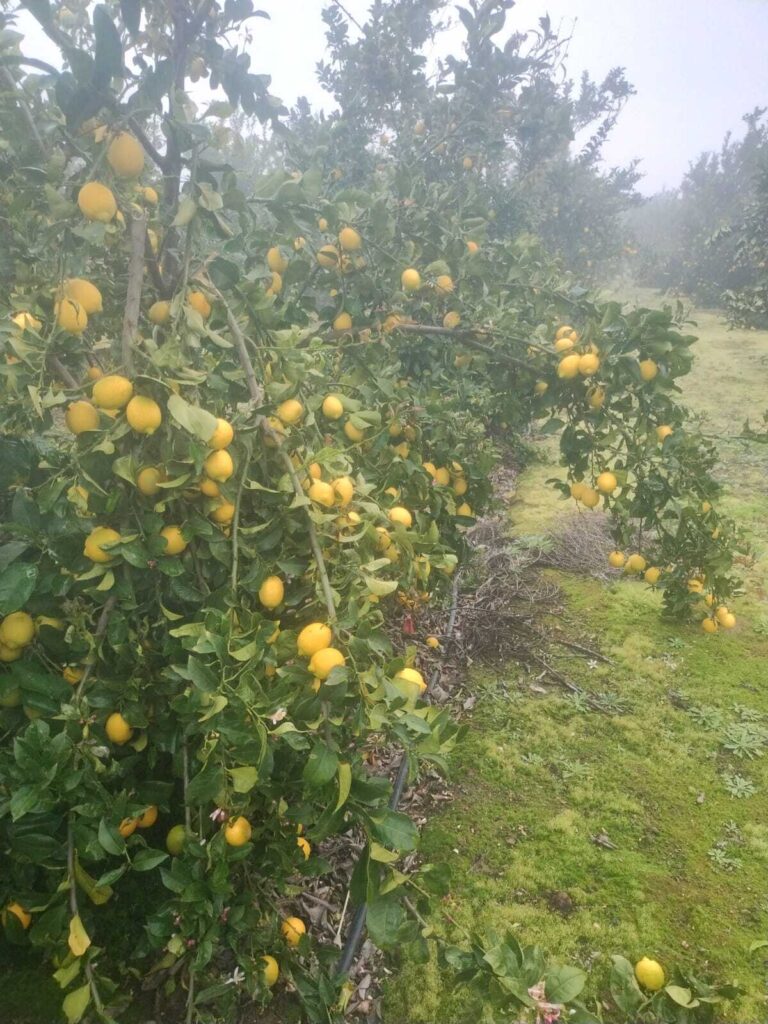
Lemon farming in Kenya is a highly profitable fruit farming venture that is gaining attention from smallholder and large scale farmers alike. With increasing demand from households, juice processors, and the hospitality industry, lemons have become a reliable cash crop. This guide by Farmers Trend Ltd. provides a detailed professional analysis of lemon farming in Kenya, focusing on popular varieties, establishment costs, and the clear mathematics of profitability. Whether you are considering a small backyard orchard or a commercial acreage, this information will help you make an informed decision.
Is Lemon Farming Profitable in Kenya?
The first question every farmer asks is about profitability. The answer is a clear yes. Lemon farming is highly profitable in Kenya due to consistent year round demand and good farm gate prices. Unlike seasonal crops, a well managed lemon tree produces fruit throughout the year, providing a steady income stream. When evaluating the most profitable fruit farming in Kenya, lemons rank highly due to their high yield per tree, long productive lifespan, and low cost of maintenance after establishment. The profit margin is significantly enhanced when farmers graft superior varieties onto hardy rootstock.
A Detailed Look at Each Lemon Variety for Kenyan Farmers
Understanding the unique characteristics of each lemon variety is crucial for making an informed investment. Here is a detailed breakdown of the main lemon types available for farming in Kenya, their specific needs, and their market potential.
1. Normal (Common) Lemon: The Hardy Foundation
The Normal Lemon, often simply called the common or rough lemon, is the backbone of citrus farming in many parts of Kenya. It is not typically grown as a primary commercial fruit tree but serves two critical purposes. First, due to its exceptional hardiness and resistance to a wide range of soil-borne diseases and pests, it is the preferred rootstock upon which superior varieties like Eureka, Pixie oranges, and grapefruits are grafted. Its robust root system provides drought tolerance and allows the grafted tree to thrive in less-than-ideal soils where other citrus would struggle.
When grown for its fruit, the Normal Lemon produces a classic, highly acidic lemon with a thick, textured rind. The juice content and fruit size can be variable. Its primary advantage is its low cost and resilience. For a farmer with marginal land or a very tight budget, starting with Normal Lemon trees provides a low-risk entry into citrus farming. The fruit finds a ready, if less lucrative, market in rural and peri-urban areas for household use and small-scale local sales. It takes longer to reach full production, typically 4 to 5 years, and yields are lower than improved varieties, but the tree requires minimal inputs and care.
2. Eureka Lemon: The Commercial Workhorse
The Eureka lemon is the dominant variety in global commercial production and for good reason. It is the ideal choice for farmers targeting high-volume sales to juice processors, large fresh markets, and exporters. The tree has a spreading, open growth habit with very few thorns, making harvesting significantly easier and less labor-intensive. A key feature of the Eureka is its tendency to produce fruit almost continuously throughout the year, especially under Kenyan climatic conditions, providing a steady stream of income rather than a single seasonal harvest.
The fruit itself is of excellent quality: oblong, with a pronounced nipple, a medium-thin yellow rind, and few to no seeds. Its high acid content and abundant juice make it perfect for processing. From a management perspective, Eureka trees are vigorous and respond well to proper fertilization and irrigation. They begin bearing a commercial crop in 3 to 4 years and, at maturity, a single tree can reliably produce over 1,000 fruits annually. For a farmer seeking predictable, high yields for bulk markets, Eureka is the most reliable and profitable choice.
3. Lisbon Lemon: The Tough Competitor
The Lisbon lemon is often compared to the Eureka, as the fruits are very similar in taste and appearance—highly acidic, juicy, and excellent for processing. However, the tree itself is distinctly different and offers unique advantages for certain Kenyan regions. The Lisbon tree is more upright and vigorous, and it is notably thornier. More importantly, it is renowned for being more tolerant of environmental stresses.
Lisbon lemons exhibit better resistance to strong winds, extreme heat, and crucially, cooler temperatures. This makes them a superior choice for farmers in higher altitude areas or regions with greater climatic variability. They are also notably more drought-tolerant once established. The fruit has a slightly thicker rind, which contributes to a longer shelf life and better transportability, an important factor for accessing distant markets. Its yield potential is on par with Eureka, making it an equally profitable but more resilient option for challenging growing environments.
4. Meyer Lemon: The Sweet Niche Player
The Meyer lemon is a distinct departure from the classic tart lemon. It is actually a hybrid, believed to be a cross between a lemon and a mandarin or sweet orange. This heritage gives it a rounder shape, a thin, deep yellow to orange-yellow skin, and a profoundly different flavor profile: less acidic, subtly sweet, and highly aromatic. It is not a true lemon for processing but has carved out a valuable niche in the premium fresh market.
The tree itself is smaller and more compact, making it suitable for smaller plots or even large container gardening. It is also the most cold-tolerant of the lemon varieties. Its greatest advantage for a farmer is its precocity; grafted Meyer trees often begin bearing fruit in as little as 2 years. While its total yield by weight is lower than Eureka or Lisbon, the fruit commands a significantly higher price per kilogram in urban supermarkets, to gourmet chefs, and at direct-to-consumer farm stands. Farming Meyer lemons is a strategy focused on high value per fruit rather than maximum volume.
5. Variegated Pink Lemon: The Ornamental Specialist
The Variegated Pink lemon is grown primarily for its stunning visual appeal. It is a true conversation piece. The young foliage is streaked with white, and the immature fruit is vividly striped in green and cream. As the fruit ripens, the stripes fade to a pale yellow, but the real surprise is inside: the flesh is a clear, pinkish color. The flavor is mild and sweet, similar to but distinct from the Meyer.
This variety is the definition of a specialty crop. It is not grown for juice or bulk sales. Its market is exclusively high-end: sold as a novelty item in upscale grocery stores, used by high-profile restaurants for garnishes and unique cocktails, and sought after by food enthusiasts. The tree’s yield is the lowest of the commercial varieties, and it requires the same careful management as other citrus. However, for a farmer with access to niche marketing channels, the Variegated Pink lemon can generate the highest return per fruit, transforming agriculture into a combination of food production and ornamental horticulture. Success with this variety depends entirely on securing buyers willing to pay for its unique characteristics before the crop is even planted.
Choosing the right variety is the most critical decision. Kenya has several lemon types, each with unique characteristics. The common green, rough skinned local lemon is widely used as a hardy rootstock due to its disease resistance and adaptability. However, for commercial fruit production, farmers should invest in improved, certified varieties.
Comparative Table of Lemon Varieties in Kenya
Choosing the right lemon variety is the most important decision for your farm. Each type has different strengths in yield, taste, and market. Here is a detailed professional comparison of the main lemon varieties grown in Kenya.
| Variety | Taste & Acidity Profile | Tree Growth Habit | Maturity to First Fruit (Years) | Yield per Mature Tree (Fruits/Year) | Key Traits & Advantages | Primary Recommended Use |
|---|---|---|---|---|---|---|
| Normal (Common) Lemon | Sharp, highly acidic, classic lemon flavor. Variable juice content. | Medium-sized, very hardy and adaptable. Often used as rootstock. | 4 – 5 | 500 – 800 | Excellent pest & disease resistance. Tolerates a wide range of soils and conditions. Lowest-cost planting material. | Local/rural fresh markets, household use, rootstock for grafting other citrus. |
| Eureka Lemon | Classic high acidity, very juicy, strong tart flavor. Few seeds. | Moderate vigor, spreading form. Nearly thornless. | 3 – 4 | 1,000 – 1,200 | Produces fruit year-round. Excellent for consistent commercial harvest. Good shelf life. | Commercial juice processing, fresh export market, high-volume local sales. |
| Lisbon Lemon | Very high acidity, rich and flavorful. Slightly thicker rind than Eureka. | Large, vigorous, and more thorny. Upright growth habit. | 3 – 4 | 1,000 – 1,200 | More tolerant of wind, heat, and cold than Eureka. Excellent drought tolerance. Fruits store very well. | Areas with harsher conditions, processing, and markets requiring long transport. |
| Meyer Lemon | Mild, slightly sweet, low acidity. Thin, fragrant skin. | Small to medium, compact bush. Less vigorous. | 2 – 3 | 800 – 1,000 | Early bearing. Superior cold tolerance. Popular unique flavor. Ideal for containers or small spaces. | Premium urban fresh markets, gourmet cooking, niche direct sales. |
| Variegated Pink Lemon | Mild acidity with a distinctive aroma. Flesh is pink when mature. | Medium-sized, ornamental foliage with white and green streaks. | 3 – 4 | 400 – 600 | Unique striped green/yellow fruit with pink flesh. High visual appeal and novelty value. | Specialty and ornamental markets, high-end restaurants, farmers’ markets. |
Tips for Choosing the Right Lemon Variety in Kenya
- For Bulk Juice Production: Choose Eureka or Lisbon lemons for their high acid content, juiciness, and consistent, heavy yields.
- For Niche Premium Markets: Consider Meyer for its unique sweet flavor or Variegated Pink for its visual appeal and novelty. These command significantly higher prices.
- For Challenging Dry Areas: The Lisbon variety is renowned for its better drought tolerance and hardiness.
- For Quicker Returns on Investment: Grafted Meyer lemon seedlings from a certified nursery like Farmers Trend will bear fruit the fastest, sometimes in as little as two years.
- For Risk Management: Avoid planting only one variety. Mixing varieties (e.g., Eureka with a portion of Meyer) can help you cater to different markets and reduce risk from specific pests or market gluts.
Where to Buy Certified Lemon Seedlings in Kenya
Your success in lemon farming begins with the quality of your planting material. Investing in certified, grafted seedlings from a reputable source is non-negotiable. Poor-quality or diseased seedlings will cost you years of lost time and income.
Why Certified Seedlings are Essential:
Certified seedlings are propagated from disease-free mother plants and grafted onto robust rootstocks (often the hardy Normal Lemon). This process ensures your trees will fruit earlier, grow uniformly, and deliver the high yields promised by the variety. They also have inherent resistance to common local soil-borne diseases.
Price Guide for Lemon Seedlings:
At trusted nurseries like Farmers Trend, prices vary based on the variety due to production costs and market value:
- Normal Lemon Seedlings: Approximately Ksh 100 each. This is the hardy local variety, excellent for rootstock or for low-input farming.
- Improved Varieties (Eureka, Lisbon, Meyer, Variegated Pink): Approximately Ksh 600 each. This price reflects the value of guaranteed varietal purity, early fruiting, and high yield potential.
Cost Planning for One Acre:
Using a standard spacing of 4m x 5m, you will plant about 250 trees per acre.
- Cost for Normal Lemon: 250 trees x Ksh 100 = Ksh 25,000
- Cost for Improved Varieties: 250 trees x Ksh 600 = Ksh 150,000
While the initial investment for improved varieties is higher, their superior and earlier yield makes them far more profitable in the long run.
How to Identify Quality Seedlings:
Avoid fake or poor-quality seedlings by looking for these signs at the nursery:
- Graft Union: A clear, healed diagonal scar should be visible 10-15 cm above the soil level in the bag.
- Foliage: Leaves should be deep green, vibrant, and free of spots, yellowing, or pest damage.
- Root System: The seedling should be firmly held in its bag, not loose. Avoid plants with roots circling the bottom or growing out of the drainage holes.
- Source: Always buy from a licensed, certified nursery with a good reputation. You can purchase physically or order online via platforms like the Farmers Trend Virtual Agrovet.
Ecological Conditions and Best Regions for Lemon Farming in Kenya
Lemon trees thrive under specific conditions. For successful lemon farming in Kenya, the following are essential:
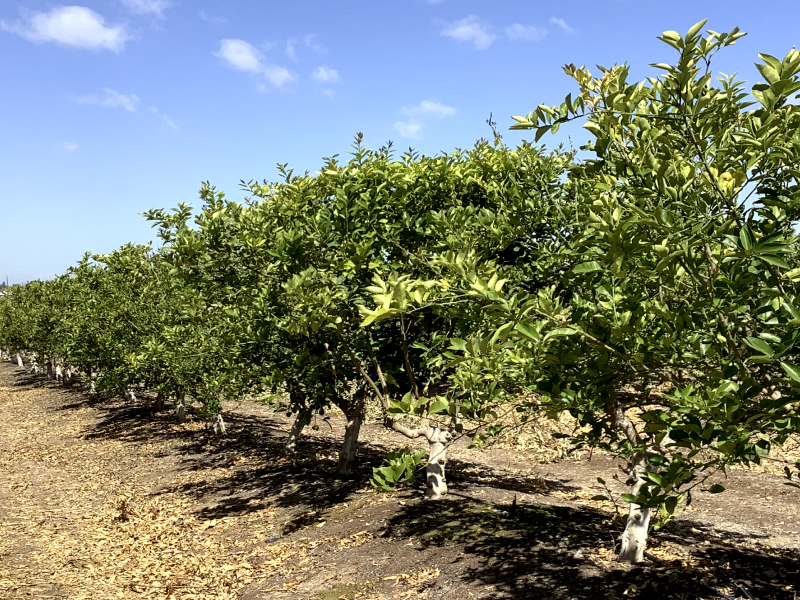
Climate: Lemons require a warm, subtropical to tropical climate. They are sensitive to extreme cold and frost, which can damage flowers and young fruit. Ideal temperatures range from 15°C to 30°C. What happens to a lemon tree in winter? In cooler Kenyan highlands, growth slows, but established trees survive if frost is absent.
Rainfall: Adequate and well distributed rainfall of 1000mm to 1500mm per year is ideal. However, lemons are moderately drought tolerant once established but require irrigation during dry spells for optimal fruit production.
Altitude: The best regions for lemon farming in Kenya are at altitudes between 0 and 1,800 meters above sea level. Prime counties include parts of Eastern (Machakos, Makueni, Embu), Coastal region, Central (Murang’a, Kiambu), and the Rift Valley (Nakuru, Kericho).
Soil: Deep, well drained sandy loam or loamy soils with a pH between 5.5 and 7.0 are perfect. Waterlogged soils cause root rot and will kill lemon trees.
Step by Step Planting and Establishment Guide on Lemon farming in Kenya
Step 1: Land Preparation and Spacing on Lemon farming in Kenya
Clear the land and dig planting holes at least 60cm x 60cm x 60cm, preferably 2-4 weeks before the rains. Mix the topsoil with 20kg of well rotted manure and 200g of DAP fertilizer. Proper spacing is crucial. A standard spacing of 4m x 5m gives a plant population per acre of 250 trees. This allows adequate light penetration and air circulation, reducing disease pressure. How much space does a lemon tree need? This spacing provides about 80 square meters per tree for canopy development.
Step 2: Sourcing and Planting Seedlings on Lemon farming in Kenya
Invest in certified, grafted seedlings. The cost difference is significant but worthwhile. A common rough lemon seedling for use as rootstock may cost around Ksh 100. However, a certified grafted seedling of a superior variety like Eureka or Meyer from a reputable nursery like Farmers Trend costs Ksh 600. You can purchase these seedlings physically or order them online via their Virtual Agrovet platform. The best month to plant a lemon tree in Kenya is at the onset of the long rains in March/April.
Step 3: Early Care and Training on Lemon farming in Kenya
Water the seedlings immediately after planting and regularly thereafter. Protect young trees from weeds and pests. Prune to shape the tree, encouraging a strong framework of 3-4 main branches. Staking may be necessary in windy areas.
Cost of Lemon Farming in Kenya: Establishment and Production
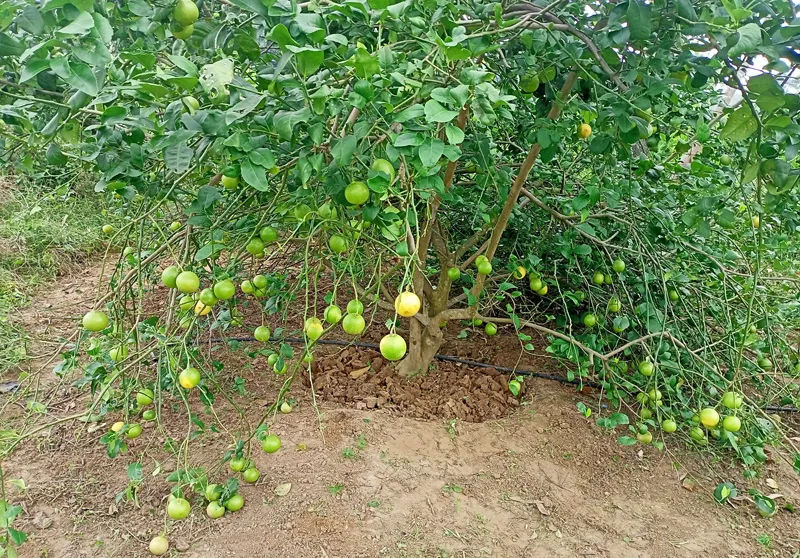
The cost of lemon farming in Kenya can be broken into establishment (Years 1-3) and production phases.
Establishment Cost for 1 Acre (250 trees):
- Land Preparation (Ploughing, Holes): Ksh 15,000
- Certified Grafted Seedlings (@Ksh 600): Ksh 150,000
- Manure & Fertilizer (Years 1-3): Ksh 45,000
- Labour & Irrigation Setup: Ksh 50,000
Total Establishment Cost (3 years): Ksh 260,000
Annual Production Cost (From Year 4):
- Fertilizer & Foliar Feeds: Ksh 30,000
- Pest & Disease Control: Ksh 20,000
- Labour (Pruning, Harvesting): Ksh 25,000
Total Annual Cost: Ksh 75,000
Expected Yield, Market, and Profitability Maths on Lemon farming in Kenya
Yield: How many kg of lemon per tree? A mature, well managed Eureka or Lisbon tree (Years 5-12) can produce 60-100 kg of fruit annually. Using a conservative average of 70kg per tree, an acre with 250 trees yields 17,500 kg per acre per year.
Market Price: How much is 1 kg of lemons? The farm gate price varies from Ksh 40 to Ksh 80. We use a conservative average of Ksh 50/kg.
Annual Revenue: 17,500 kg x Ksh 50 = Ksh 875,000.
Annual Profit (From Year 4): Revenue (Ksh 875,000) – Annual Cost (Ksh 75,000) = Ksh 800,000.
This substantial profit margin answers the question of what crop makes the most money per acre and demonstrates that lemon farming in Kenya can be more profitable per acre than many traditional crops. The initial investment of approximately Ksh 260,000 over three years is recouped within the first high-yielding harvest season.
Lemon Tree Management: Care, Problems, and Solutions on Lemon farming in Kenya
Feeding: What to feed a lemon tree? Citrus-specific fertilizers high in nitrogen and potassium are essential. Apply a balanced NPK fertilizer (like 17:17:17 or 20:10:10) at the beginning of each rainy season. Supplement with well rotted manure and micronutrients like zinc and magnesium.
Watering: Water young trees frequently. Mature trees need deep watering every 1-2 weeks during dry periods. What are the signs of overwatering a lemon tree? Yellowing leaves, leaf drop, and soggy soil indicate overwatering, which can lead to fatal root rot.
Common Problems (Lemon Diseases in Kenya):
- Citrus Canker: Bacterial disease causing lesions on leaves and fruit. Control with copper-based fungicides and destroy infected material.
- Greening Disease (Huanglongbing): The most serious threat, spread by psyllid insects. Causes misshapen, bitter fruit. There is no cure; prevent by using clean seedlings and controlling psyllids.
- Root Rot: Caused by waterlogged soil. Ensure good drainage.
- Fruit Fly: Damages ripening fruit. Use traps and recommended insecticides.
Pruning and Harvesting: Prune after the main harvest to remove dead wood, open the canopy, and control size. Lemons are ready for harvest when they are fully yellow and firm. They do not ripen further after picking. Harvest by clipping the fruit to avoid damaging the stem.

Lifespan and Long-Term Production
What is the lifespan of a lemon tree? With good management, a lemon tree remains economically productive for 20 to 25 years. Does lemon come back every year? Yes, a healthy tree will flower and set fruit multiple times throughout the year, especially the Eureka and Lisbon varieties, ensuring continuous production.
Conclusion on Lemon farming in Kenya: A Sustainable Agribusiness Venture
Lemon farming in Kenya represents a sustainable and high return agribusiness with a clear path to profitability. The key to success lies in selecting certified, high yielding varieties like Eureka or Meyer lemon, proper spacing and orchard management, and diligent pest and disease control. While the initial three year wait for full production requires patience and capital, the long term payoff is substantial. An acre of lemons can generate over Ksh 800,000 in annual profit for two decades, offering financial security and a strong return on investment. For those asking where to invest Ksh 50,000 in Kenya, starting with a smaller plot of lemon trees is a wise and viable option. By sourcing quality seedlings from trusted suppliers and adhering to best agricultural practices, farmers can build a thriving and profitable lemon enterprise. For comprehensive information on citrus best practices and market trends, farmers can refer to resources from the Kenya Agricultural and Livestock Research Organization (KALRO).
https://farmerstrend.co.ke/fruits/citrus-farming/lemon-farming/lemon-farming-in-kenya-profits-varieties-cost/https://farmerstrend.co.ke/wp-content/uploads/2026/02/G4rPOWnXwAA6ECP-1024x768.jpghttps://farmerstrend.co.ke/wp-content/uploads/2026/02/G4rPOWnXwAA6ECP-150x150.jpgLemon farming# TrendingCitrus FarmingLemon Farming in Kenya: A Complete Profitable Business Guide Lemon farming in Kenya is a highly profitable fruit farming venture that is gaining attention from smallholder and large scale farmers alike. With increasing demand from households, juice processors, and the hospitality industry, lemons have become a reliable cash crop. This...FarmersTrendjohn doefarmerstrend@gmail.comAdministratorFarmers Trend Ltd.





Leave a Reply