Ancient Vegetables in Kenya Deserve Focus of International Seed Savers to Preserve Genetic Diversity
Kenya is home to a rich diversity of ancient vegetables. These crops are central to the country’s culture, nutrition, and agriculture. Traditional crops such as managu, black nightshade, and oguwo have nourished communities for generations. These plants are naturally resilient to pests and diseases. They are adaptable to different climates. They are packed with essential nutrients. This makes them vital to food security.

Ancient vegetables in Kenya now face unprecedented threats. Climate change is a major danger. Erratic rainfall is becoming more common. Prolonged droughts are destroying harvests. Rising temperatures are disrupting traditional growing patterns. Human-driven development activities are also causing harm. Farm mechanization is replacing traditional farming methods. The use of farm chemicals is damaging soil health. Many farmers are abandoning indigenous varieties for high-yield commercial crops.
Without urgent preservation, some of these crops may disappear. They have thrived in their natural habitats for centuries. Their loss would take with them valuable genetic traits. These traits could help farmers worldwide adapt to a changing climate. International seed savers have a crucial role to play. Global institutions like the Svalbard Global Seed Vault are important partners in this effort.
The Svalbard Global Seed Vault is located on the Norwegian island of Spitsbergen. It sits in the Svalbard archipelago, about 1,300 kilometers from the North Pole. The vault is built 150 meters into the side of a sandstone mountain. This provides a secure, frozen, and remote location. The permafrost ensures long-term preservation. The vault stores duplicates of global crop seeds. It is a safety net for the world’s agricultural heritage.
While these organizations have collected seeds from around the world, many African countries remain underrepresented. Kenya is one of the countries that has not received enough attention from international seed savers. Shifting focus to ancient vegetables in Kenya would allow global seed initiatives to preserve seeds. They could also propagate endangered vegetable species. Propagation ensures that these plants continue to grow in local farms and gardens. This strengthens their survival. It also maintains the genetic diversity necessary for climate resilience.
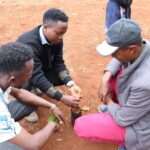
Community awareness and grassroots sensitization are equally important. Educating local farmers and communities about the nutritional value of indigenous vegetables encourages them to grow these crops. They also need to understand the cultural and economic value. Schools can act as platforms for spreading awareness. Markets can promote indigenous vegetables. Local agricultural programs can teach sustainable farming practices.
Community-based initiatives allow farmers to share seeds and knowledge. This ensures that endangered varieties continue to thrive even in remote areas. Farmers who grow ancient vegetables become stewards of genetic diversity. They pass their knowledge to the next generation. They keep traditional farming practices alive.
The Kenyan diaspora can play a powerful role in preserving and promoting ancient vegetables in Kenya. Communities living abroad can cultivate traditional crops in home gardens. They can share seeds with friends and family. They can include indigenous vegetables in cultural celebrations and festivals. These activities maintain a connection to home. They also introduce Kenyan crops to new audiences.
Diaspora-led events create global awareness and demand for indigenous vegetables. Cultural festivals provide an opportunity to showcase traditional dishes made from these vegetables. These events emphasize the taste, nutritional value, and cultural significance of ancient vegetables in Kenya. When people in other countries taste these vegetables, they become interested. They want to learn more. They may even start growing them themselves.
Kenya is already taking steps to protect its agricultural heritage. National seed banks are actively collecting and preserving indigenous seeds. Community seed banks are also playing a role. Local groups are saving seeds from traditional crops. They are storing them for future planting. They are sharing them with other farmers.
Researchers are developing climate-smart farming techniques. They want to sustain production of ancient vegetables. They are studying how these crops respond to drought. They are testing different planting methods. They are identifying the best varieties for different regions.
Partnering with international seed savers can enhance these efforts. Leveraging diaspora networks can also help. These partnerships provide secure long-term storage for seeds. They offer technical support to local farmers. They give global visibility to endangered species. Ancient vegetables in Kenya deserve this level of international attention.
Focusing on ancient vegetables in Kenya supports broader biodiversity goals. The country’s traditional crops represent genetic diversity that has been cultivated and adapted over centuries. Farmers have selected the best varieties for generations. They have saved seeds from plants that survived drought. They have chosen plants that resisted pests. They have preserved crops that produced good yields.
Conserving these ancient vegetables safeguards traits that may be lost forever if ignored. Some traits may help crops survive future climate conditions. Some may hold cures for diseases. Some may provide new sources of nutrition. We do not know what we might lose. That is why preservation is so important.
By prioritizing Kenya, international seed savers can work together with local communities. The diaspora can join this effort. Everyone has a role to play. The goal is to protect a rich cultural and nutritional heritage. The goal is to propagate endangered species. The goal is to strengthen community awareness. These are critical steps in the global fight against climate change.
Preserving ancient vegetables in Kenya is a global responsibility. Climate change does not respect borders. The loss of genetic diversity affects everyone. The solutions we find in Kenya can help farmers elsewhere. The seeds saved today can be planted tomorrow in other countries.
Through coordinated efforts between local farmers, national programs, international seed savers, and the diaspora, these crops can survive and grow. They will continue to provide nutrition for generations to come. They will build resilience in farming communities. They will keep cultural identity alive.
The seeds of Kenya’s ancient vegetables hold answers to some of agriculture’s most pressing challenges. They know how to survive drought. They know how to resist pests. They know how to grow in poor soils. We need to study these traits. We need to preserve these genes. We need to share these seeds.
International seed savers should act now. They should collect seeds from ancient vegetables in Kenya. They should preserve them in global vaults. They should support local propagation efforts. They should fund community seed banks. They should train farmers in conservation techniques.
The time to act is now. Every season that passes, more traditional varieties disappear. Farmers are replacing them with commercial hybrids. Markets are demanding uniform produce. Young people are losing knowledge of traditional foods. We cannot wait.
Kenya’s ancient vegetables have survived for centuries. They have fed generations. They have adapted to changing conditions. They have much to teach us. Let us not lose them. Let us preserve them. Let us share them with the world. This is not just Kenya’s responsibility. It is a global responsibility.
https://farmerstrend.co.ke/trending/ancient-vegetables-in-kenya-seed-savers/https://farmerstrend.co.ke/wp-content/uploads/2026/04/Ancient-Vegetables-in-Kenya.webphttps://farmerstrend.co.ke/wp-content/uploads/2026/04/Ancient-Vegetables-in-Kenya-150x150.webp# TrendingKenya is home to a rich diversity of ancient vegetables. These crops are central to the country's culture, nutrition, and agriculture. Traditional crops such as managu, black nightshade, and oguwo have nourished communities for generations. These plants are naturally resilient to pests and diseases. They are adaptable to different...FarmersTrendjohn doefarmerstrend@gmail.comAdministratorFarmers Trend Ltd.








Leave a Reply