Farming for Export: 6 High-Demand Crops Kenyan Farmers Should Focus On
Thinking of farming for the international market? This guide covers top export crops in Kenya and the key practices you need to boost profits and meet global standards.
If you’re a farmer in Kenya and you’re looking for new opportunities beyond your local market, you’re not alone. The international demand for specific crops from Kenya is growing—and smart farmers are already cashing in.
But it’s not just about growing anything. Export markets have specific tastes, strict requirements, and very little patience for mistakes. So if you’re ready to take your agribusiness to the next level, here are six crops that currently offer strong export potential and what you need to know before you dive in.
1. Hass Avocados: The Export Star of Kenya
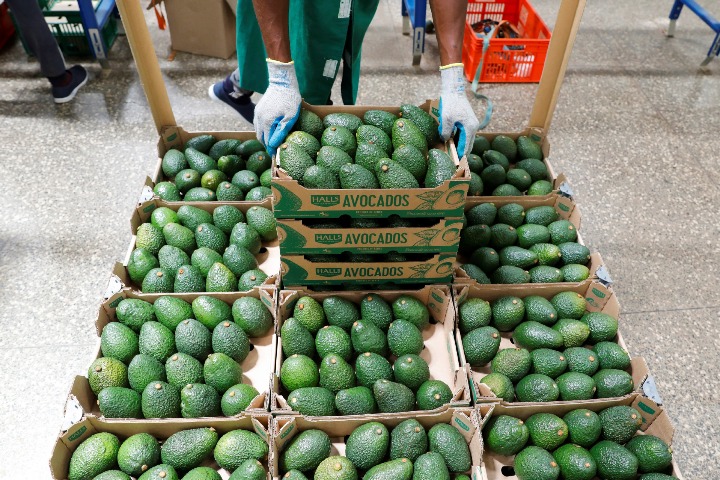
Avocados are one of the most profitable export crops in Kenya right now. The Hass variety is especially popular in markets like Europe and the Middle East.
Why? Because Hass avocados have a high oil content, a long shelf life, and a creamy texture that global buyers love.
But timing is everything. Export prices peak between March and May, during a narrow harvest window. If you miss this period, you may still find buyers, but prices won’t be as rewarding.
If you’re planting avocados now, think long term. It takes 2–3 years for trees to start producing, and full maturity takes even longer. But once your orchard is established, the returns can be significant.
2. Macadamia Nuts: A High-Value Crop with Untapped Potential

Macadamia nuts are another crop that continues to see strong demand, especially in China, Japan, and the U.S.
However, there’s a big mistake that many farmers make—they sell the nuts in-shell and raw, which fetches a far lower price than processed nuts.
Exporters pay two to three times more for macadamia nuts that are properly shelled, dried, and vacuum-packed. This means post-harvest handling is just as important as the crop itself.
There’s also increasing interest in specific macadamia varieties like Murang’a 20, which are known for higher oil content and better yields. Yet, most farmers are still planting older, less productive varieties.
If you’re going to grow macadamia, think quality and processing. It could make or break your profits.
3. Sorghum: Profitable, but Location-Sensitive

Sorghum is increasingly in demand, especially by large buyers like EABL for brewing. It’s a hardy crop, does well in semi-arid zones, and can offer consistent returns.
But here’s the catch: only specific counties are part of EABL’s contract farming program. If you plant the right variety in the wrong place, you won’t qualify.
Also, many smallholder farmers still ignore proper post-harvest handling, which leads to discolored or contaminated grain. This makes it unsuitable for brewing and drastically reduces its market value.
Before planting sorghum for commercial sale, check whether your county is included in any active contracts. Always invest in proper drying and storage methods to preserve grain quality.
4. Garlic: High Profits Hidden in Plain Sight

Garlic is one of the most underutilized high-margin crops in Kenya.
Yet, most of the garlic sold in Kenyan supermarkets is still imported from China. Not because we can’t grow garlic, but because local post-harvest practices are poor.
Farmers often sell garlic immediately after harvest, without drying it properly. This leads to mold, rot, and a very short shelf life. In contrast, properly cured garlic—dried in the shade for 2 to 3 weeks—can last up to six months.
There’s also an emerging niche market for black garlic, a fermented version that’s popular in gourmet kitchens and health stores. It has a sweet, umami-rich flavor and is believed to have several health benefits. Few Kenyan producers are tapping into this opportunity.
If you’re looking for a crop with low space requirements and high returns, garlic should be on your radar.
5. Passion Fruits: Popular but Strict on Standards

Passion fruit is a longtime export favorite, especially in the European Union.
But EU buyers are very strict when it comes to pesticide use and traceability. Even one wrong chemical application close to harvest can lead to the whole batch being rejected.
The purple variety is preferred for export due to its superior shelf life and flavor. But growing for export means you must follow integrated pest management (IPM) practices and keep detailed spray records.
If you’re considering passion fruit farming for export, ensure you’re aligned with an aggregator or exporter who can guide you through compliance. Otherwise, your fruit may never leave the country.
6. Don’t Go It Alone: Why Aggregators and Cooperatives Matter
One of the most important but overlooked realities of export farming is that international buyers rarely work with individual farmers directly.
Instead, they rely on cooperatives, aggregators, or digital platforms that can guarantee consistent volume, quality standards, and certification compliance.
If you want to farm for export, your best bet is to join a farmer group or cooperative already engaged in the export supply chain. These groups often provide training, help with certification, and give you access to better markets.
Trying to sell directly to foreign buyers without that support can be slow, frustrating, and rarely profitable.
Final Thoughts
Kenya has the right climate, land, and talent to feed not just itself—but the world. But tapping into export markets requires more than just good seeds and fertilizer.
You’ll need to focus on the right crops, invest in proper post-harvest practices, and work with the right networks.
Avocados, macadamia, sorghum, garlic, and passion fruits are just a few of the crops that international buyers are actively looking for. But success lies in the details—handling, compliance, and knowing your market.
Are you farming any of these crops already? Or thinking about starting?
What challenges are you facing? Let’s start the conversation.
https://farmerstrend.co.ke/trending/farming-for-export-6-high-demand-crops-kenyan-farmers-should-focus-on/https://farmerstrend.co.ke/wp-content/uploads/2017/01/garlic-farming-in-kenya-farmers-trend-e1673583328857-1024x768.jpghttps://farmerstrend.co.ke/wp-content/uploads/2017/01/garlic-farming-in-kenya-farmers-trend-e1673583328857-150x150.jpg# Trendingagricultural export business Kenya,avocado farming Kenya,EU standards for crops,export market for Kenyan farmers,farming for export,garlic farming Kenya,high-value crops Kenya,international market farming Kenya,Kenya export crops,Kenyan farmers guide,Macadamia Farming,passion fruit export,post-harvest handling Kenya,profitable crops in Kenya,sorghum contract farmingThinking of farming for the international market? This guide covers top export crops in Kenya and the key practices you need to boost profits and meet global standards.If you're a farmer in Kenya and you're looking for new opportunities beyond your local market, you're not alone. The international demand...FarmersTrendjohn doefarmerstrend@gmail.comAdministratorFarmers Trend Ltd.







Leave a Reply