Blood Orange Farming in Kenya: 10 Steps to Earn KES 1.5 Million Profit
Blood Orange Farming in Kenya: The 2026 Gold Standard Guide to KES 1.5 Million Annual Profit
Blood orange farming in Kenya represents the highest value opportunity in citrus production. Supermarkets in Nairobi pay KES 150 per kilogram for premium blood oranges. Farm-gate prices start at KES 80 per kilogram. The secret is the red pigment called anthocyanin. This compound gives blood oranges their distinctive color and antioxidant properties.

Trying to grow blood oranges in waterlogged soil is like trying to drive a tractor through a swamp. You will get stuck and lose your money. Blood oranges demand specific conditions. They reward farmers who follow the science.
This guide by Farmers Trend Ltd. covers everything you need for successful blood orange farming in Kenya. You learn about grafted seedling prices, the cold night secret, and the profit numbers. Your journey to KES 1.5 million annual profit starts here.
The Premium Citrus Opportunity
Blood oranges are the highest-priced citrus in Kenya. Ordinary oranges sell for KES 30 to KES 40 per kilogram. Blood oranges command double or triple that price. The reason is simple. Buyers love the color and the flavor.
Urban consumers in Nairobi, Mombasa, and Kisumu seek out blood oranges. Health-conscious shoppers pay extra for the antioxidants. Restaurants and juice bars feature them on menus. Export markets in Europe and the Middle East are opening.
Blood orange farming in Kenya fills a supply gap. Local production cannot meet demand. Most blood oranges in supermarkets come from imports or small-scale growers. You can capture this market.
Farm-gate prices for blood oranges range from KES 60 to KES 80 per kilogram depending on size and color intensity. Direct supply to supermarkets earns you KES 120 to KES 150 per kilogram. The margin is substantial.
The Color Science: Why Night Temperature Matters
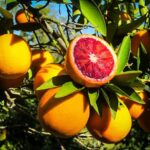
Blood oranges get their red color from anthocyanin. This pigment develops only under specific temperature conditions. The secret is cold nights.
Night temperatures between 8 and 15 degrees Celsius trigger anthocyanin production. The fruit responds to the cold by producing red pigment. This protects the fruit from cold damage. The result is the deep red flesh that buyers love.
Without this night chill, your fruit stays orange. You grow ordinary oranges at blood orange prices. The disappointment is real.
Blood orange farming in Kenya works best in counties with cool nights. Murang’a offers ideal conditions with its cool highlands. Nyeri provides similar temperature patterns. Nakuru and Kericho also deliver the required night chill. Parts of Kiambu, Nyandarua, and Uasin Gishu work well too.
Farmers in Meru and Embu report good color development at higher altitudes. The key is elevation above 1,500 metres where night temperatures drop consistently. Low-altitude areas like Machakos and Makueni produce pale fruit.
Step-by-Step Planting and Establishment
Land Preparation
Start with clean land. Clear all stumps, rocks, and perennial weeds. Blood oranges need deep soils free from obstacles.
Plough deep to break hardpan. Go at least 30 centimetres. Roots need room to spread. Compacted soil limits growth and reduces yields.
Harrow to create a fine tilth. This helps with hole digging and planting.
Hole Specifications
Dig pits measuring 60 centimetres by 60 centimetres by 60 centimetres. This size gives roots room to establish. Square pits work as well as round holes.
Space holes 4 metres apart in both directions. This grid pattern gives you 250 trees per acre. The spacing allows sunlight penetration and air circulation. Dense planting invites disease.
Soil Mix Preparation
Prepare your planting mixture before placing seedlings. Combine the topsoil from the pit with 20 kilograms of well-rotted manure. Add 200 grams of DAP fertilizer. Mix thoroughly.
Return this mixture to the pit. Fill about three-quarters full. This creates a nutrient-rich environment for young roots.
Planting
Plant grafted blood orange seedlings at the start of the long rains. Early March is ideal. The rains establish the trees. They grow quickly with natural moisture.
Remove the seedling from its bag carefully. Do not disturb the root ball. Place it in the pit at the same depth as it was in the nursery. Burying the graft union causes disease.
Fill around the roots with your prepared mixture. Firm the soil gently. Water immediately after planting.
Watering Schedule
Young trees need regular water. Water twice weekly during dry spells. Each tree needs 20 litres per week. Drip irrigation delivers this efficiently.
Mature trees require 20 litres per tree weekly during dry spells. This maintains fruit size and quality. Water stress causes fruit drop and small size.
Variety Guide: Tarocco, Moro, and Sanguinello
Moro
Moro is the most colorful blood orange. Its flesh ranges from deep red to almost purple. The flavor carries berry-like notes. Buyers love the dramatic color.
Moro trees mature early. They produce medium-sized fruit with few seeds. The peel also develops red blush, making the fruit attractive on shelves.
For blood orange farming in Kenya, Moro works well in cooler areas. It responds strongly to night chill. The color develops quickly and intensely.
Tarocco
Tarocco is the sweetest blood orange. It has low acid levels and a rich flavor. Most Tarocco fruits are seedless, which buyers prefer.
The flesh of Tarocco is less intensely red than Moro. It shows red streaks and blush rather than solid color. The eating quality is superior.
Tarocco commands premium prices in fresh markets. It is the favorite for eating out of hand. For blood orange farming in Kenya, Tarocco suits farmers targeting direct consumers.
Sanguinello
Sanguinello is the late-season specialist. It matures later than Moro and Tarocco. This extends your harvesting window.
Sanguinello stays on the tree longer without losing quality. You can harvest over several weeks. This flexibility helps with labor management and market timing.
The fruit has red flesh with some seeds. The flavor is excellent. For blood orange farming in Kenya, Sanguinello gives you market presence when other varieties finish.
What Month is Best to Plant Blood Oranges?
Plant at the onset of the long rains. Early March is ideal in most growing areas. The rains establish the trees naturally.
For irrigated farms, you can plant in September for the short rains. This works well in areas with reliable water. But March planting remains the standard.
Avoid planting during dry months. Young trees struggle without water. They may die before establishing.
How Long Does it Take for Blood Oranges to Fruit?
Grafted blood orange trees fruit faster than seedlings from seed. Grafted trees produce fruit in two to three years. Trees grown from seed take five to seven years.
Year one focuses on vegetative growth. The tree builds structure. Year two brings some flowers and a few fruits. Year three delivers a meaningful harvest.
Full production starts in year four. Trees reach peak output between years six and ten. With good care, production continues for 20 years or more.
Patience is essential for blood orange farming in Kenya. You invest upfront. The returns grow over time.

Why Are My Oranges Not Red Inside?
The most common problem is insufficient night chill. Blood oranges need cold nights to produce anthocyanin. If night temperatures stay above 15 degrees Celsius, the fruit stays orange.
Check your location. Are you above 1,500 metres elevation? Do night temperatures drop consistently? If not, your fruit may never turn red.
Other factors affect color development. Too much nitrogen delays color. Late harvesting after warming weather reduces color. Water stress during ripening affects pigment production.
Growers in marginal areas use techniques to boost color. Some reduce irrigation before harvest. Others apply potassium fertilizers. But nothing replaces natural night chill.
Does it Take a Lot of Water to Grow Blood Oranges?
Blood oranges need moderate water. They are less thirsty than vegetables but more demanding than drought-tolerant crops.
Young trees need consistent moisture. Water twice weekly during dry weather. Each tree requires 20 litres per week.
Mature trees need 20 litres per tree weekly during dry spells. This maintains fruit size and quality. In rainy seasons, natural rainfall suffices.
Drip irrigation is the most efficient delivery method. It puts water exactly where roots need it. You save water and reduce disease.
Mulching around trees conserves moisture. Organic mulch like grass or straw reduces evaporation. It also adds organic matter as it decomposes.
Which is the Best Fertilizer for Blood Oranges?
Blood oranges need balanced nutrition. NPK 17:17:17 works well for young trees during growth phases. Apply four times per year at three-month intervals.
For mature trees, adjust ratios based on growth stage. High nitrogen during vegetative growth. Higher potassium during flowering and fruiting.
Apply CAN at fruit set stage. This provides calcium for fruit development. Calcium deficiency causes blossom end rot.
Foliar feeds supplement soil nutrition. Products containing zinc, boron, and magnesium improve fruit set and quality. Apply during flowering and fruit development.
Organic options work well. Compost and manure improve soil structure. Blood meal provides nitrogen. Bone meal supplies phosphorus and calcium.
Soil testing guides fertilizer decisions. KALRO offers testing for KES 1,000 per sample. Know your soil before you buy inputs.
Grafted Blood Orange Seedlings Price
Grafted seedlings cost KES 500 each at certified nurseries. Farmers Trend Virtual Agrovet stocks verified blood orange seedlings. Kenya Seed Company outlets also carry grafted citrus.
For 250 trees per acre, your seedling investment is KES 125,000. This is your most important expense. Cheap seedlings carry unknown genetics. They may never fruit well.
Verify your seedlings before planting. Look for healthy grafts with no swelling or cracks. Check for KEPHIS certification. Ask about the rootstock used.
Quality seedlings pay for themselves. They grow faster. They fruit earlier. They resist diseases better.
Best Citrus Fertilizer Kenya
The best fertilizer for blood oranges depends on your soil. General recommendations include NPK 17:17:17 for growth and CAN for fruit set.
Organic options include well-decomposed manure. Apply 20 kilograms per tree annually. This builds soil health over time.
Mea Fertilizers offers citrus-specific blends. Osho Chemical Industries stocks suitable products. KEL chemicals provide foliar options.
For blood orange farming in Kenya, combine organic and inorganic approaches. Use manure at planting. Supplement with synthetic fertilizers during growth phases.
The Financial Blueprint: Cost vs. Profit
Initial Investment Per Acre
Grafted seedlings: KES 125,000 for 250 trees at KES 500 each.
Land preparation: KES 15,000 for ploughing and harrowing.
Hole digging: KES 12,500 at KES 50 per hole.
Manure and fertilizers: KES 25,000 for manure, DAP, and CAN.
Irrigation system: KES 80,000 for drip kit.
Labor for planting and maintenance: KES 20,000 in year one.
Total first-year investment: Approximately KES 277,500.
Ongoing Annual Costs
Fertilizers: KES 25,000.
Pest and disease control: KES 15,000.
Irrigation water and maintenance: KES 10,000.
Labor for pruning and harvesting: KES 30,000.
Total annual maintenance: KES 80,000 from year three onward.
Revenue Projections
Each mature tree produces 100 to 150 kilograms of fruit. At 250 trees per acre, your total harvest is 25,000 to 37,500 kilograms.
At KES 80 per kilogram farm-gate price, your revenue ranges from KES 2 million to KES 3 million per acre.
Subtract KES 80,000 in annual costs. Your net profit is KES 1.92 million to KES 2.92 million per acre.
Even at conservative estimates, blood orange farming in Kenya delivers KES 1.5 million annual profit per acre.
Citrus Greening Disease Management
Citrus greening, also called Huanglongbing or HLB, is the biggest threat to blood orange farming in Kenya. This bacterial disease kills trees within years. There is no cure.
The disease spreads through the African citrus psyllid. This tiny insect feeds on leaves. It carries the bacteria from tree to tree.
Symptoms to Watch
Yellow shoots appear on otherwise healthy trees. Leaves show blotchy mottling. Fruit remains small and green on one side. The fruit tastes bitter.
Trees decline over time. Roots die back. Production stops. Eventually the tree dies.
Management Strategies
You must prevent the disease. Control the psyllid vector. Scout trees weekly. Look for insects on new growth.
Spray with appropriate insecticides when psyllids appear. Use products containing imidacloprid or cypermethrin. Rotate chemicals to prevent resistance.
Remove infected trees immediately. Do not wait. The disease spreads to healthy trees. Burn removed trees completely.
Plant certified disease-free seedlings only. Grafted seedlings from reputable sources carry less risk. Avoid seedlings of unknown origin.
False Codling Moth Control
False codling moth attacks citrus fruit. The female lays eggs on the fruit surface. Larvae bore into the fruit and feed inside.
Damaged fruit drops prematurely. Surviving fruit carries scars and rot. Quality drops. Prices fall.
Management Techniques
Use pheromone traps to monitor moth populations. Hang one trap per acre. Check weekly. When catches rise, action is needed.
Apply biological controls. Bacillus thuringiensis targets caterpillars. It is safe for beneficial insects.
Practice good orchard sanitation. Remove dropped fruit. Destroy infested fruit. This breaks the pest life cycle.
Harvest promptly when fruit matures. Overripe fruit attracts more pests.

Pruning and Canopy Management
Prune blood orange trees annually. Remove dead and diseased wood. Open the center to allow light penetration.
Good airflow reduces disease pressure. Fungal diseases thrive in dense, humid canopies. Pruning prevents this.
Train young trees to develop strong structure. Remove low branches that touch the ground. These harbor pests.
Mature trees need renewal pruning. Remove older wood to stimulate new growth. New growth carries next season’s fruit.
Harvesting and Post-Harvest Handling
Blood oranges mature in winter. June to August is the main harvest window. The cool nights that created the color also slow ripening.
Harvest by hand. Use clippers or snips. Do not pull fruit from branches. Pulling damages the stem end and invites rot.
Handle fruit carefully. Bruises turn into rot in storage. Train harvesters to place fruit gently in picking bags.
Sort fruit immediately. Remove damaged or diseased fruit. Grade by size and color intensity.
Store in cool, ventilated conditions. Blood oranges keep for several weeks in proper storage. Do not stack too deep. Weight damages lower fruit.
Market Options for Blood Orange Farming in Kenya
Direct Supermarket Supply
Contact procurement officers at Naivas, Quickmart, and Carrefour. They seek consistent supply. Quality and grading matter. Pack fruit in branded boxes.
Farmers Trend Platform
List your harvest on Farmers Trend Virtual Agrovet. Buyers contact you directly. You negotiate prices.
Export Opportunities
European markets seek blood oranges during their winter. Kenyan harvest aligns perfectly. Work with export companies like Sunripe or Vegpro.
Local Juice Processors
Premium juice makers buy blood oranges. The red color creates attractive juice. Prices are lower than fresh markets but volumes are higher.
Challenges in Blood Orange Farming in Kenya
Disease Pressure
Citrus greening remains the biggest threat. You must stay vigilant. Weekly scouting is non-negotiable.
Climate Limitations
Not all areas produce red fruit. Cool nights are essential. Farmers in marginal areas struggle with color.
Long Wait for Returns
First significant harvest comes in year three. You must invest for three years before major income. Cash flow planning is essential.
Labor Intensity
Pruning, spraying, and harvesting require labor. Skilled labor for grafting and pruning is scarce. Train your workers.
Success Stories
Farmers in Murang’a lead blood orange production. Their fruit commands premium prices. They supply supermarkets in Nairobi.
Nyeri growers follow the cold night secret. Their fruit shows deep red color. Exporters seek them out.
Kericho farmers combine tea and citrus. The cool highlands produce excellent color. They sell at farm-gate for KES 80 per kilogram.
Trust and Verification
How to Verify Grafted Seedlings
Look for grafting union and confirm the rootstock used. Farmers Trend Nursery uses recommended rough lemon as rootstock and scion from certified fruiting mother plant. Confirm variety and source.
Buy only from reputable sellers. Farmers Trend Virtual Agrovet vets all vendors. Kenya Seed Company outlets stock verified seedlings.
Avoid roadside sellers. Their seedlings carry unknown genetics. You waste years on inferior trees.
Where to Buy Quality Inputs
Farmers Trend Virtual Agrovet, Arch Business Plaza, Ruiru. They deliver nationwide with M-Pesa payment.
KALRO centers in Murang’a, Nyeri, and Kitale provide advice and seeds.
Kenya Seed Company outlets stock citrus seedlings in major towns.
Internal and External Resources
Read our guide on general citrus farming for broader context. Citrus farming complements blood orange production.
Visit the Ministry of Agriculture website at kilimo.go.ke for official extension materials.
Contact KEPHIS for seed verification support. Protect your investment.
Your Next Step in Blood Orange Farming in Kenya
Blood orange farming in Kenya offers you a path to KES 1.5 million annual profit. The market is hungry. The conditions are right. The science is clear.
Start with site selection. Do you have cool nights? Is your elevation above 1,500 metres? If yes, proceed.
Test your soil. Farmers Trend Virtual Agrovet testing costs KES 4,500. Know your pH and nutrients.
Source grafted seedlings. Pay KES 500 each for quality. Verify every seedling.
Prepare your land now. Dig holes before the rains. Mix manure and fertilizer.
Plant in March. Water consistently. Scout for pests weekly. Prune annually.
Harvest in three years. Sell to premium markets. Collect your profits.
The high-end market wants your fruit. Your shamba is the asset. The opportunity is real. The timing is right.
What is your next step?








Leave a Reply